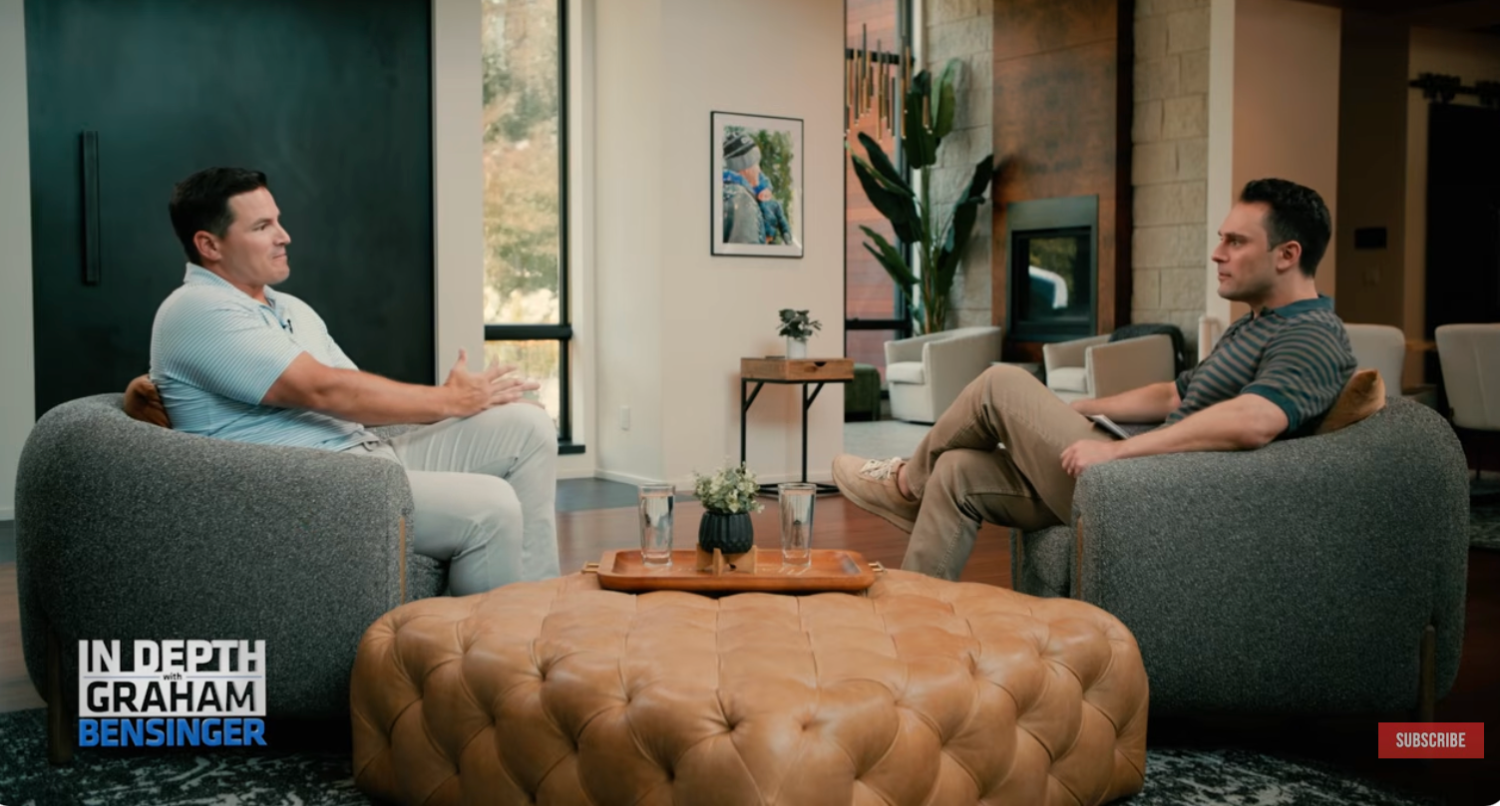
The Mike macdonald interview controversy has ignited a fierce debate over journalistic ethics and the boundaries of “off-the-record” conversations within the NFL following the release of a viral clip involving the Seattle seahawks head coach.
Key Takeaways
- Viral Conflict: A leaked clip from a long-form interview between Mike Macdonald and journalist Graham Bensinger revealed sensitive details about a 2024 dispute between the Seahawks and the Broncos.
- The “Cold War” Allegation: Macdonald described a period of tactical tension where the Seahawks allegedly used fan-filmed training camp footage to scout the Denver Broncos.
- Ethical Dispute: The controversy centers on whether the exchange was intended to be “off-the-record,” with Bensinger defending his right to publish while admitting an “error in judgment.”
- Resolution Efforts: Both Macdonald and Broncos head coach Sean Payton have since communicated directly to mitigate professional damage.
- Industry Impact: The incident raises significant questions about how NFL teams manage digital footprints and how journalists maintain trust with high-profile subjects.
- The PR Gap: If the Seahawks PR team truly had the footage for five days, why was a segment involving a potential legal threat and accusations of cheating not flagged? This raises questions about either the effectiveness of the Seahawks’ media review process or the accuracy of Bensinger’s timeline.
- The Definition of “Off-the-Record”: Was there a formal agreement made between Macdonald and Bensinger regarding the status of the pre-interview conversation? Without a clear, documented understanding, the line between “casual banter” and “news” remains dangerously blurry.
- The “Spygate” Comparison: While media outlets have drawn parallels to the infamous “Spygate” scandal, the context is vastly different. The current dispute involves publicly available footage rather than illegal interception of signals. Does this comparison unfairly sensationalize a tactical scouting dispute?
- The October 15 Matchup: The scheduled game between the Seahawks and the Broncos will be one of the most highly anticipated matchups of the season, with all eyes on how both coaching staffs interact.
- NFL Media Policy Shifts: Watch for announcements from NFL teams regarding new restrictions on media access during training camps and practice sessions.
- Bensinger’s Future Access: The long-term impact on Graham Bensinger’s career will be measured by whether he can continue to secure sit-down interviews with top-tier coaching talent.
- sports.yahoo.com
- awfulannouncing.com
- sports.yahoo.com
- www.nbcsports.com
What Happened: The Leak and the Fallout
The Mike Macdonald interview controversy began in late September 2026, when a two-minute segment from a nearly two-hour interview conducted by Graham Bensinger went viral on social media. In the clip, the Seattle Seahawks head coach discussed what he characterized as a “Cold War” era during the 2024 season involving the Denver Broncos.
According to reports from Yahoo Sports, the segment featured Macdonald alleging that Broncos head coach Sean Payton had accused the Seahawks of “cheating” regarding their preparation for a 2024 matchup. Macdonald further claimed that the Seahawks organization had threatened legal action against Payton to prevent him from making these accusations public, a move that reportedly led Payton to eventually retract his stance.
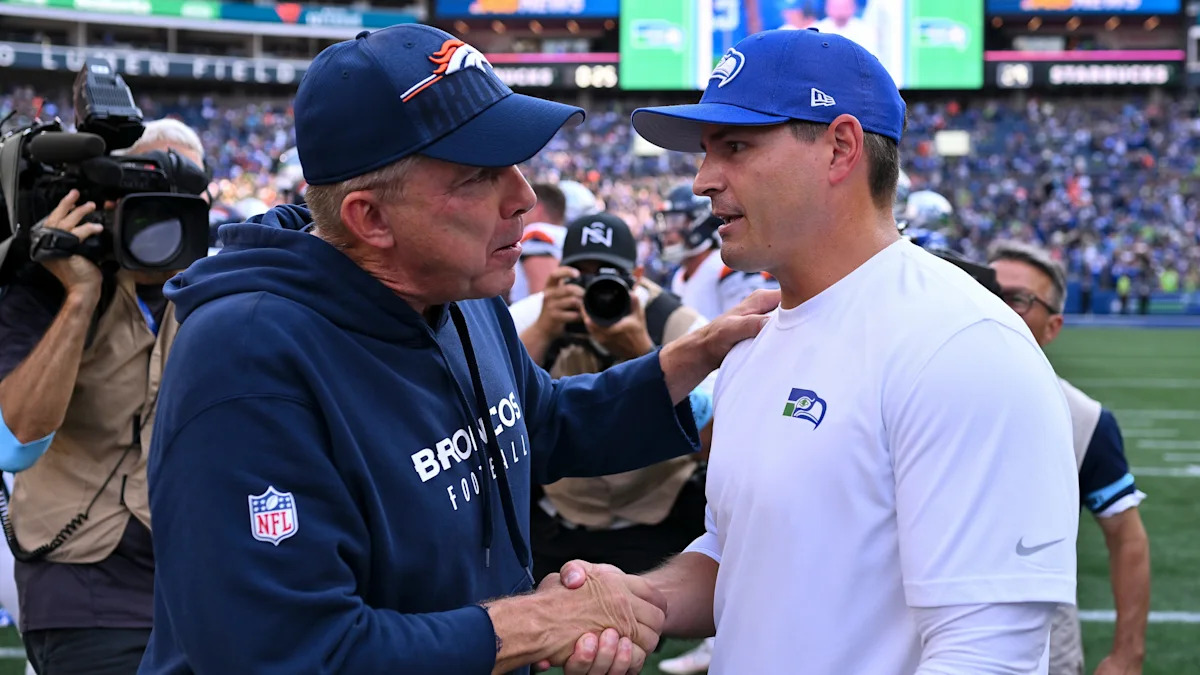
The timeline of the release has become a central point of contention. Graham Bensinger stated in a post on X (formerly Twitter) that the complete interview, including the controversial segment, was provided to the Seahawks’ public relations team on Wednesday, September 16, 2026. This was five days before the full-length interview was published on Bensinger’s YouTube channel on Monday, September 21, 2026.
Bensinger maintained that during those five days, the Seahawks PR team raised no concerns and never requested the removal of the exchange. However, the situation escalated on Tuesday, September 22, 2026, when the clip began circulating widely on social media. Following direct outreach from Macdonald expressing concern that the conversation was never meant for public consumption, Bensinger removed the segment from his YouTube channel and re-uploaded a shortened, 1-hour and 44-minute version to Patreon.
Why It Matters: The Erosion of Professional Trust
This incident is more than just a viral moment; it represents a significant tremor in the relationship between the NFL and the media that covers it. For coaches like Macdonald, the ability to speak candidly in a “relaxed” setting is often essential for long-form storytelling, but the ease with which digital clips can be stripped of context poses a constant threat to professional reputations.
When a coach believes they are engaging in a casual, pre-interview chat, they operate under a different set of psychological rules than when they are sitting in a formal press conference. The Mike Macdonald interview controversy highlights the danger of this “gray area.” If journalists are perceived to be hunting for “hot mic” moments under the guise of long-form profiles, high-level subjects may become increasingly guarded, potentially stifling the depth of sports journalism.
Furthermore, the controversy touches on the tactical evolution of the NFL. The “cheating” allegations mentioned by Macdonald refer to the use of fan-recorded training camp footage for scouting purposes. As teams become more aware of how much intelligence can be gathered from a single smartphone video, the friction between fan access and organizational security will likely intensify.
Deep-Dive: The 2024 “Cold War” Context
To understand why the clip caused such a stir, one must look back to the 2024 NFL season. On September 8, 2024, the Seattle Seahawks defeated the Denver Broncos with a score of 26-20 at Lumen Field. Following that game, tensions reportedly flared regarding how the Seahawks had prepared for the matchup.
Macdonald described the atmosphere as a “Cold War,” specifically regarding the Broncos’ training camp. The allegation is that the Seahawks utilized publicly available, fan-filmed videos from the Broncos’ training camp to gain tactical insights into their offensive and defensive schemes. Sean Payton reportedly viewed this as a breach of competitive integrity, leading to the accusations of “cheating” that Macdonald alluded to in the interview.
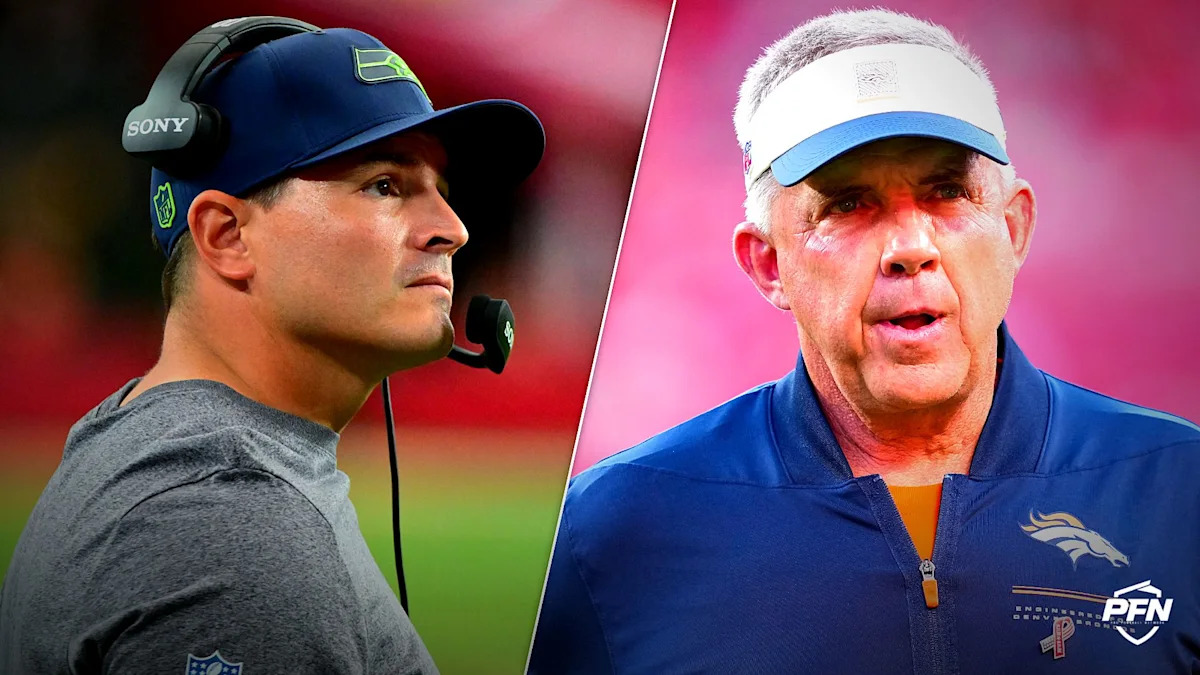
According to Macdonald, the Seahawks organization took a hardline stance, allegedly threatening legal action to prevent Payton from discussing the scouting methods publicly. Payton later addressed the matter, noting that while his initial communication with Seahawks General Manager John Schneider may not have been “pleasant,” the situation ultimately led the Broncos to change their training camp policies regarding video availability.
Stakeholder Reactions and Conflicting Claims
The fallout from the interview has produced vastly different narratives from the primary players involved. The discrepancy between what Bensinger claims and what media outlets like Pro Football Talk (PFT) report is particularly striking.
Comparing the Narratives
| Aspect | Graham Bensinger’s Claim | Pro Football Talk / Other Reports |
|---|---|---|
| PR Review Period | The full interview was with Seahawks PR for five days (Sept 16–21) with no objections. | The Seahawks were reportedly unaware the specific segment was recorded until Tuesday, Sept 22. |
| Nature of the Exchange | A standard inclusion of pre-interview conversation, common in his long-form practice. | A “hot mic” style moment that was presumed to be “more off than on” the record. |
| Coach’s Intent | The interview was a professional engagement provided for review. | The coach believed the specific conversation was private and not for public broadcast. |
The Coaches’ Stance
Mike Macdonald took significant personal responsibility for the lapse during his weekly press conference on Wednesday, September 24, 2026. “I fell short in that moment, so it stings for me,” Macdonald said, adding that he had to learn the lesson of being responsible for everything said, regardless of the circumstance. He also emphasized his respect for Payton and the Broncos organization.
Sean Payton maintained a composed and professional tone when addressing the media. He confirmed that he and Macdonald had spoken and that they were “good.” Payton noted that the incident served as a practical lesson for the Broncos, helping them understand how to better manage the visibility of their training camp in an era where fan videography is rampant.
The Media Backlash
Journalists and media personalities have been sharply critical of Bensinger’s handling of the situation. Albert Breer, a senior NFL reporter, expressed disapproval of the filming angle, suggesting the move was not “decent.” Kole Musgrove, an NFL media personality, went further, comparing Bensinger’s tactics to a “TMZ hack” and predicting that the incident would damage his ability to secure future interviews with high-level coaching staff.
What It Means for You
Depending on your role within the football ecosystem, this controversy carries different implications:
If you are an NFL Coach or Executive
Expect a significant tightening of media protocols. The “casual” interview may become a thing of the past as organizations implement stricter rules regarding what can be recorded during pre-interview periods. You should assume that every interaction near a camera—even those intended to be informal—is potentially on the record.
If you are a Sports Journalist
This serves as a cautionary tale regarding the “fine line” of journalistic integrity. While you may technically have the right to publish content that has been reviewed by a subject’s PR team, the loss of trust can be a career-ending consequence. Maintaining the sanctity of “off-the-record” agreements is essential for long-term access.
If you are an NFL Fan
Your role in the scouting ecosystem is growing. The fact that fan-filmed videos were a catalyst for a “Cold War” between two NFL franchises shows that the content you produce at training camps is highly valuable to professional teams. However, expect teams to implement more aggressive measures to limit filming at practice sites.
Counterpoints and Open Questions
While the primary narrative focuses on Bensinger’s alleged error, several open questions remain that could change the understanding of this event:
What Happens Next
As the NFL season progresses, several factors will determine if the tension between the Seahawks and Broncos remains a footnote or evolves into a larger issue:
Frequently Asked Questions
What was the “Cold War” mentioned by Mike Macdonald?
The “Cold War” refers to a period of tension between the Seattle Seahawks and the Denver Broncos during the 2024 season. It involved allegations from the Broncos that the Seahawks were using fan-recorded training camp footage to scout their tactical plays, a practice that Macdonald described as a period of intense tactical friction.
Did Graham Bensinger apologize for the interview?
nYes. While Bensinger defended his timeline and his right to publish, he did issue an official statement on X expressing regret. He admitted that, in hindsight, allowing the exchange to be included in the final YouTube release was an “error in judgment.”
Is the full interview still available online?
Not in its original form. The controversial segment was removed from Bensinger’s YouTube channel following the backlash. A shortened, edited version of the interview—which omits the discussion regarding Sean Payton and the 2024 dispute—is currently available on his Patreon page.
How did Sean Payton respond to the allegations?
Sean Payton addressed the matter during a press conference, stating that he and Macdonald are “good.” He noted that the incident actually provided a learning opportunity for the Broncos to improve their training camp security and manage the visibility of their practices in the digital age.
—
The Mike Macdonald interview controversy serves as a stark reminder of the complexities inherent in modern sports media