Recent scientific investigations into maternal infection autism links suggest that prenatal immune responses may play a significant role in the neurodevelopmental trajectory of infants. Researchers are increasingly focusing on how a mother’s immune system reacts to pathogens during pregnancy and how those reactions might influence the developing fetal brain.
Key Takeaways
- Immune Activation: Maternal Immune Activation (MIA) is a primary mechanism being studied as a potential driver for autism spectrum disorder (ASD).
- Cytokine Involvement: Pro-inflammatory cytokines, released during infection, may cross the placental barrier or signal the fetal brain.
- Critical Windows: The timing of an infection—specifically during certain trimesters—may dictate the type of neurodevelopmental impact.
- Complexity of Cause: While infection is a significant factor, it is widely viewed as one part of a complex interaction between genetics and environment.
- Preventative Focus: Understanding these links may lead to improved prenatal care and better management of maternal health to mitigate risks.
- First Trimester: This is the period of organogenesis, where the fundamental structures of the brain and body are being established. Disruptions here may have the most profound and widespread effects on structural development.
- Second Trimester: This period is characterized by rapid neuronal proliferation and the beginning of migration, where neurons move to their designated locations in the brain.
- Third Trimester: This stage focuses on synaptogenesis and the refinement of neural circuits. Inflammation during this time may affect the “fine-tuning” of the brain’s connectivity.
- Manage Infections Promptly: If you experience significant symptoms of infection, such as high fever or severe respiratory distress, consult your healthcare provider immediately. Managing the fever itself is often as important as treating the underlying infection, as high maternal temperatures can also impact fetal development.
- Stay Up to Date on Vaccinations: Vaccinations are designed to prime the immune system to recognize pathogens without causing the full-scale systemic inflammation associated with an actual infection. This is a key strategy in reducing the risk of MIA.
- Monitor Prenatal Health: Regular check-ups allow for the early detection of infections that might otherwise go unnoticed but could trigger an immune response.
- www.thetimes.com
What Happened
For decades, the scientific community has sought to understand the multifaceted origins of autism spectrum disorder (ASD). While genetic predispositions have long been recognized as a cornerstone of the condition, recent studies have shifted significant attention toward environmental triggers occurring in utero. Specifically, the relationship between maternal infection autism risks has become a central pillar of neurodevelopmental research.
Medical studies indicate that when a pregnant person undergoes a significant infection—whether viral, bacterial, or fungal—the body’s immune response does more than just fight the pathogen. It initiates a systemic inflammatory cascade. According to researchers, this cascade can involve the release of signaling proteins known as cytokines. These proteins are essential for communication within the immune system, but when they reach high levels during critical stages of fetal brain development, they may alter how neurons are formed and connected.
Why It Matters
This research is vital because it moves the conversation beyond the “nature versus nurture” binary. It suggests that the environment within the womb is a dynamic space where maternal health directly interacts with fetal biology. For clinicians, this means that managing maternal infections is not just about the health of the mother, but also about protecting the long-term neurodevelopmental health of the child.
For families and expectant parents, these findings provide a clearer, albeit more complex, picture of risk factors. It highlights the importance of prenatal care and the management of common illnesses during pregnancy. Furthermore, for the broader public health sector, understanding these biological pathways could eventually lead to targeted interventions or even therapeutic approaches to mitigate the inflammatory effects of infection during pregnancy.
The Science of Maternal Immune Activation
At the heart of this research is a concept known as Maternal Immune Activation (MIA). MIA refers to the activation of the maternal immune system in response to an external stimulus, which then results in changes to the fetal environment. It is not necessarily the pathogen itself that causes harm, but rather the mother’s own immune response to that pathogen.
When an infection occurs, the maternal immune system produces various defense mechanisms. These include white blood cells and cytokines such as Interleukin-6 (IL-6) and Tumor Necrosis Factor-alpha (TNF-α). While these are necessary to protect the mother, they can have unintended consequences for the fetus. Researchers have observed that these inflammatory markers can influence the development of microglia—the resident immune cells of the brain. In a developing fetus, microglia are responsible for “synaptic pruning,” a process where they remove unnecessary neural connections to ensure the brain functions efficiently. If microglia are over-activated by maternal inflammation, they may prune too many or too few connections, potentially leading to the neurological patterns associated with autism.
The Role of Cytokines and Neuroinflammation
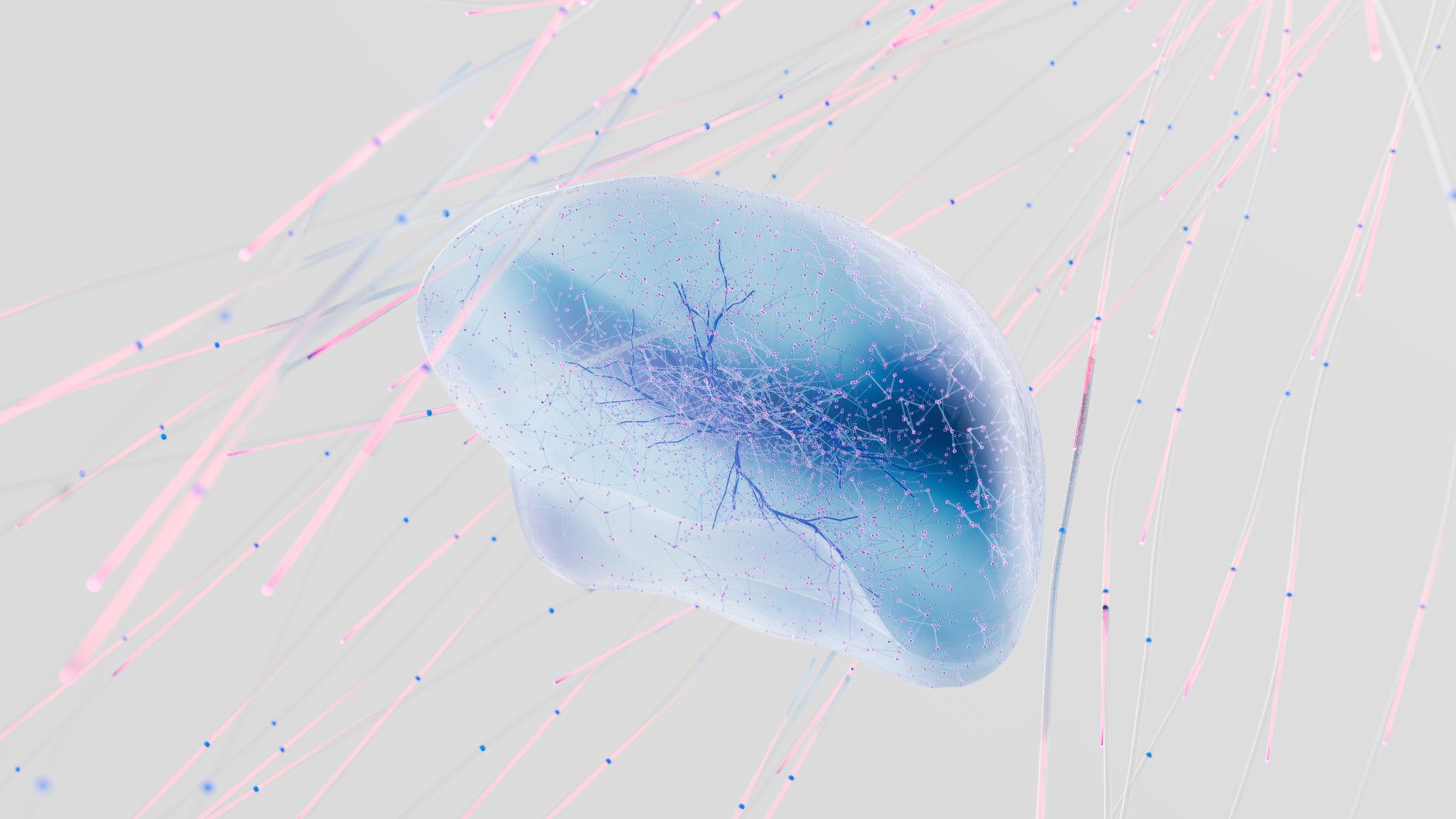
To understand the depth of this issue, one must look at the specific role of neuroinflammation. Neuroinflammation is the activation of the brain’s immune cells in response to injury or infection. In the context of maternal infection autism research, the focus is on how systemic inflammation in the mother translates into neuroinflammation in the fetus.
| Cytokine Type | Function in Infection | Potential Impact on Fetus |
|---|---|---|
| Pro-inflammatory (e.g., IL-6) | Signals for immune cell recruitment | May disrupt neuronal migration and connectivity |
| Anti-inflammatory (e.g., IL-10) | Works to dampen the immune response | Essential for maintaining homeostasis and balance |
| Chemokines | Directs the movement of immune cells | May influence the density of microglia in the brain |
According to immunological studies, an imbalance between pro-inflammatory and anti-inflammatory signals can create a hostile environment for the developing central nervous system. This imbalance can lead to permanent changes in how the brain’s architecture is constructed, particularly in areas responsible for social communication and sensory processing.
Trimester Timing and Vulnerability
Not all infections carry the same weight. The timing of the infection during the pregnancy appears to be a critical variable. The prenatal period is divided into distinct stages, each characterized by different developmental milestones in the fetus.
Research suggests that while infections in any trimester can be problematic, the specific neurological outcomes may vary depending on when the immune system was most heavily activated.
What It Means for You
If you are currently pregnant or planning a pregnancy, these findings should be viewed through the lens of proactive health management rather than fear. The goal of the scientific community is to provide better tools for prevention and management.
For healthcare providers, this research underscores the importance of discussing infection risks and symptom management with expectant parents during every prenatal visit.
Counterpoints and Open Questions
Despite the compelling evidence, several questions remain unanswered. A primary concern among scientists is the distinction between correlation and causation. While many studies show that women who had certain infections during pregnancy had children with higher rates of ASD, it is difficult to prove that the infection caused the autism. Other factors, such as maternal nutrition, stress levels, or exposure to other environmental toxins, could be confounding variables.
Furthermore, the “two-hit hypothesis” is a significant area of debate. This theory suggests that a maternal infection might not be enough to cause autism on its own. Instead, it may require a “first hit” (such as a genetic predisposition) followed by a “second hit” (such as a prenatal infection) to trigger the developmental changes. This explains why not every pregnant person who experiences an infection will have a child with autism.

What Happens Next
Moving forward, the field of neuroimmunology is looking toward the development of biomarkers. Researchers hope to identify specific markers in maternal blood that could signal when an immune response is reaching a level that might pose a risk to the fetus. This would allow for much more targeted medical interventions.
Additionally, longitudinal studies that follow both mothers and children over many years are essential. These studies aim to map the exact pathways from maternal immune activation to specific behavioral phenotypes in children. As our ability to sequence genomes and monitor immune activity improves, the precision of our understanding will undoubtedly increase.
Frequently Asked Questions
Does every infection during pregnancy cause autism?
No. Most infections do not lead to neurodevelopmental issues. The risk is generally associated with severe infections that trigger a significant, systemic inflammatory response (Maternal Immune Activation) rather than mild or localized illnesses. The interaction between the specific pathogen, the mother’s immune strength, and the timing of the pregnancy is highly variable.
Can vaccinations increase the risk of autism through immune activation?
There is no scientific evidence to support the claim that vaccinations cause autism. In fact, medical consensus suggests that vaccinations are a safer way to protect both the mother and the fetus from the much more severe and uncontrolled immune activation that occurs during a natural infection. Vaccinations are designed to provide a controlled, targeted immune response.
Is autism purely genetic?
Autism is not purely genetic, nor is it purely environmental. It is widely understood to be a complex condition resulting from the interaction of multiple genetic factors and environmental influences. Research into maternal infection autism links is part of a larger effort to understand how environmental factors can influence how certain genetic predispositions are expressed.
What can I do to minimize risks during pregnancy?
The best approach is comprehensive prenatal care. This includes maintaining a healthy lifestyle, staying current with recommended vaccinations, managing any chronic health conditions, and seeking prompt medical attention for any signs of infection. Focusing on overall maternal wellness is the most effective way to support healthy fetal development.
Closing
The link between maternal infection and autism represents one of the most complex frontiers in modern medicine. While the research into maternal immune activation provides vital clues about the biological origins of neurodevelopmental differences, it also highlights the intricate dance between a mother’s health and her child’s developing brain. As science continues to untangle these pathways, the focus remains on improving prenatal care and supporting the health of both mother and child.
References
Featured image: Photo by MART PRODUCTION on Pexels