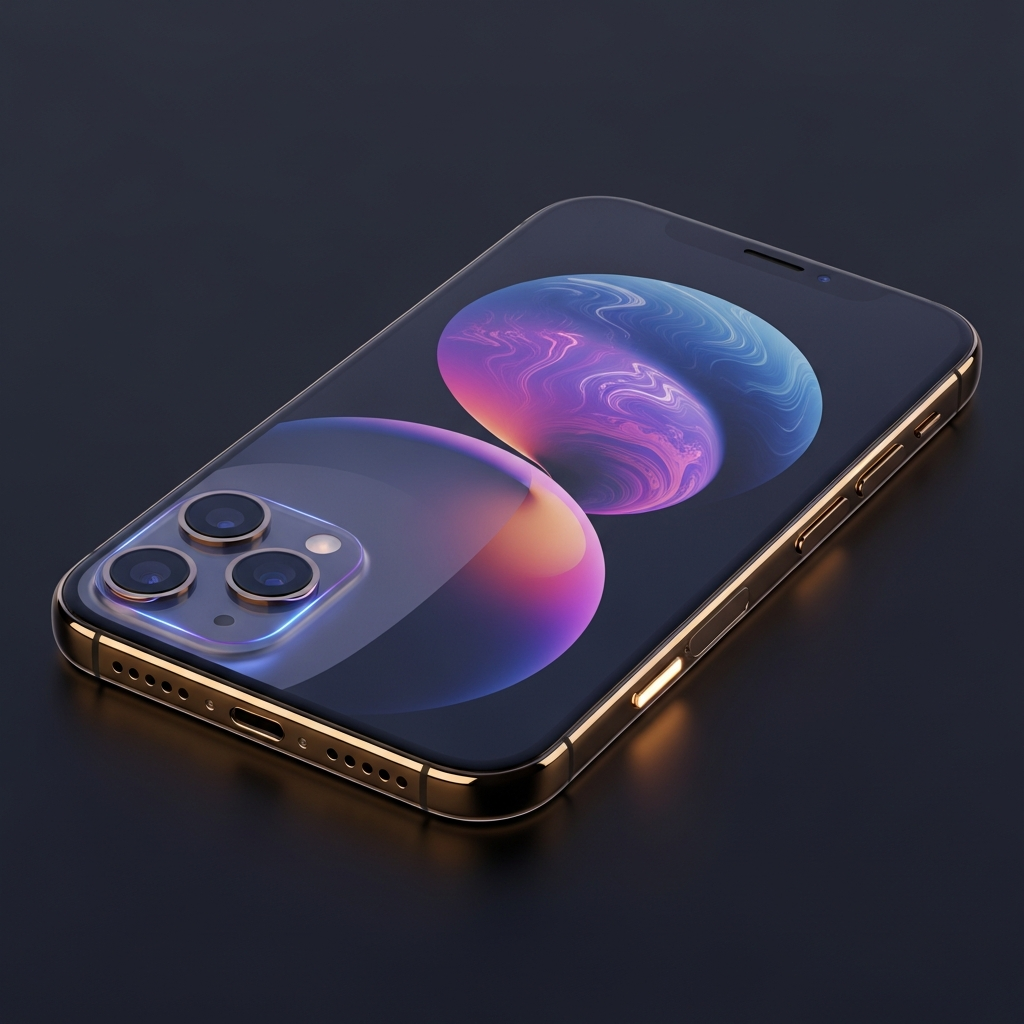
The motorola Signature 27 represents a significant pivot for the longtime mobile manufacturer, introducing a device that prioritizes high-performance on-device artificial intelligence and a distinctive, lifestyle-oriented aesthetic. As Motorola moves into this new flagship era, the company is leveraging the most powerful silicon available to bridge the gap between mobile computing and professional-grade AI tasks.
Key Takeaways
- Next-Gen Processing: The device is the first to feature the Qualcomm Snapdragon 8 Elite Extreme Gen 6 chip, specifically engineered for advanced on-device AI.
- Advanced Thermal Management: To handle high-performance workloads, Motorola is utilizing its ArcticMesh system, which includes liquid metal and diamond-infused thermal gel.
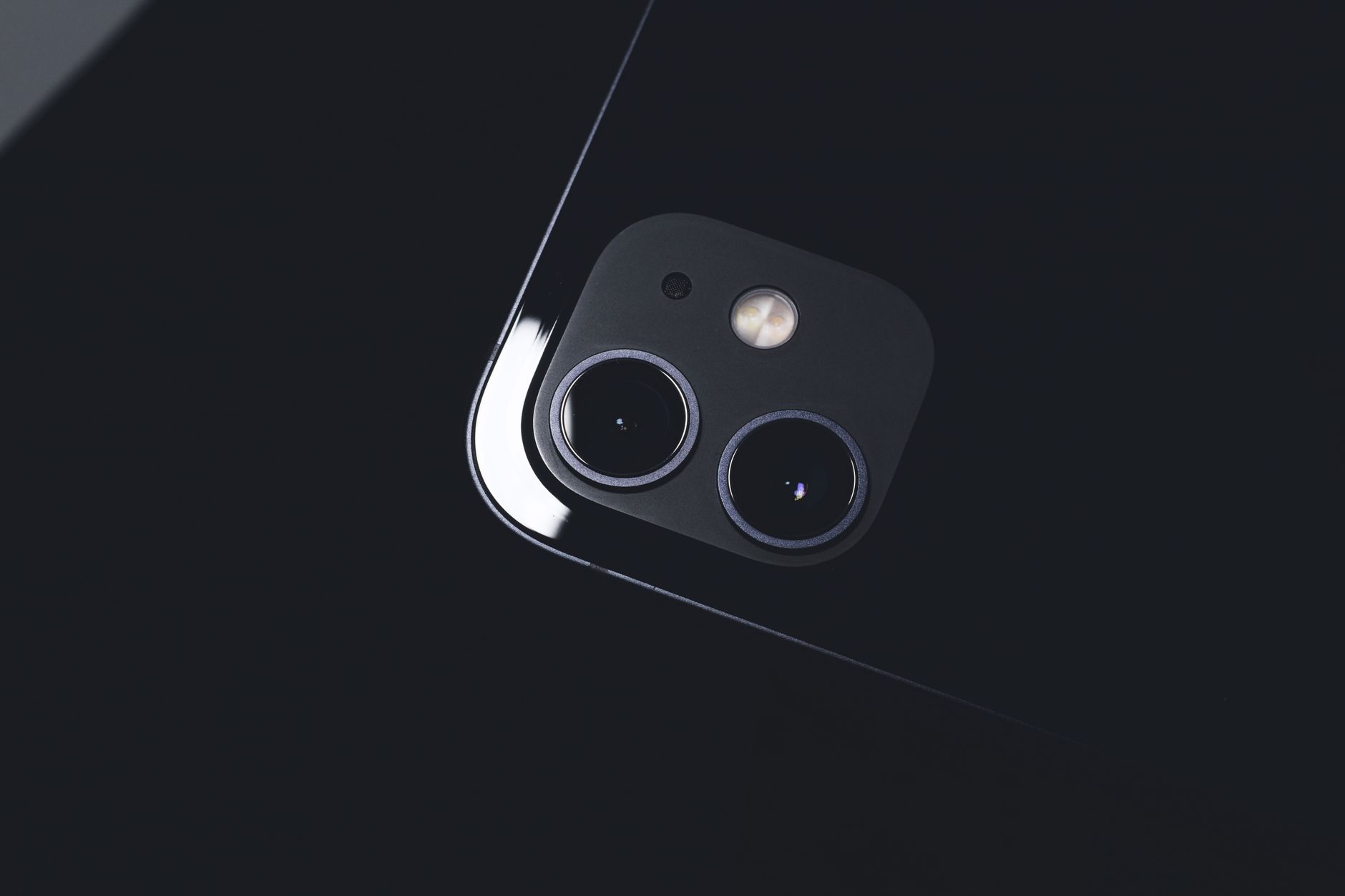
- Pro-Grade Optics: The camera array features a 50-megapixel Sony LYTIA 910 main sensor and a massive 200-megapixel periscope telephoto lens.
- Premium Design: The phone moves away from traditional glass and metal toward a brushed textile finish, offered in colors like Pantone Capulet Green and Pantone Coal Smoke.
- AI Capabilities: Beyond standard tasks, the hardware is designed to potentially run mid-range AI coders directly on the handset.
- Main Sensor: A 50-megapixel Sony LYTIA 910. The LYTIA series is known for its superior light sensitivity and dynamic range, making it ideal for both low-light environments and high-contrast outdoor scenes.
- Telephoto Lens: A massive 200-megapixel periscope lens. This high-resolution sensor allows for significant digital cropping without a loss in detail, effectively extending the optical reach of the camera.
- Pantone Capulet Green: A color inspired by premium fashion and interior design, aimed at users who view their technology as an extension of their personal style.
- Pantone Coal Smoke in Tactical Weave: A dark gray, rugged-looking option designed to appeal to the “operator” demographic—users who prefer a more utilitarian, high-performance aesthetic.
- For AI Developers and Power Users: If you are someone who relies on cutting-edge software tools, the ability to run AI coding models and agentic workflows locally on your phone could significantly increase your productivity and privacy.
- For Mobile Content Creators: If you are a videographer or photographer, the combination of the Sony LYTIA 910 sensor and the 200MP periscope lens offers a level of detail and zoom capability that could reduce the need for carrying secondary camera gear.
- For Design Enthusiasts: If you are tired of the “glass slab” look of modern smartphones, the textile finishes and Pantone-inspired colors provide a refreshing alternative that integrates more naturally into a curated lifestyle.
- For Investors and Industry Analysts: The Signature 27 is a litmus test for Motorola’s ability to compete in the ultra-premium segment. Success here would prove that the brand can move beyond its reputation for mid-range and flip-phone devices into the high-margin flagship arena.
- Price Announcement: The most anticipated piece of information will be the official MSRP, which will signal exactly which tier of the market Motorola is targeting.
- Full Camera Benchmarks: Once the device is available for testing, we will see if the Video Enhancement Engine and the 200MP periscope lens can truly deliver on their promises of professional-grade imaging.
- AI Performance Reviews: Independent testing will be required to see how effectively the Snapdragon 8 Elite Extreme Gen 6 handles on-device AI tasks compared to current cloud-dependent models.
- Release Date Confirmation: Motorola is expected to provide a specific launch window in the coming months.
- gizmodo.com
What Happened
Motorola has unveiled the first detailed look at its upcoming Motorola Signature 27, a device that signals a departure from the brand’s recent focus on the Razr flip series toward a high-end, performance-heavy flagship. While the company has not yet released a formal pricing structure or a specific launch date, it has confirmed that the device will arrive later this year.
According to reports from consumer tech analysts, the Signature 27 is not merely a spec bump over previous iterations but a complete architectural overhaul. The device is built around a yearly naming convention, marking it as the second generation of the Signature line, though it is fundamentally different from its predecessor in both its internal processing power and its external design language. The phone’s appearance has already drawn comparisons to other high-end devices, with some observers noting similarities to the Nothing Phone 3 and the google pixel 11 Pro, particularly regarding its unique camera housing and texture.

Why It Matters
The release of the Motorola Signature 27 is significant because it addresses two of the most pressing bottlenecks in mobile technology: the computational demands of generative AI and the thermal limitations of compact hardware.
As AI models become more complex, the industry is shifting from cloud-based processing to on-device execution to improve privacy and reduce latency. By being the first to market with the Qualcomm Snapdragon 8 Elite Extreme Gen 6, Motorola is positioning itself at the forefront of this transition. This chip is purpose-built to handle not just simple chatbots, but more complex, agentic AI workloads. The ability to run mid-range AI coders locally on a mobile device could fundamentally change how developers and power users interact with their hardware.
Furthermore, the inclusion of high-fidelity audio tuned by Bang & Olufsen and a sophisticated camera system indicates that Motorola is targeting the premium segment of the market—users who demand professional-grade tools in a device that also functions as a fashion statement.
Deep-Dive: The Silicon and Thermal Engineering
At the heart of the Motorola Signature 27 is a complex relationship between raw power and heat dissipation. The Qualcomm Snapdragon 8 Elite Extreme Gen 6 is an incredibly capable processor, but such high-performance silicon generates significant thermal energy, especially when executing intensive AI models or high-frame-rate video recording.
To combat this, Motorola has implemented the ArcticMesh apparatus. This is not a single component but a multi-layered thermal management system designed to move heat away from the CPU as efficiently as possible. The system includes:
| Component | Function | Material/Technology |
|---|---|---|
| 3D Vapor Chamber | Spreads heat across a larger surface area | Advanced internal liquid-to-gas phase change |
| Copper Mesh | Enhances heat conduction through the chassis | High-conductivity copper |
| Thermal Interface | Connects heat pipes to the CPU | Liquid metal and diamond-infused thermal gel |
By utilizing liquid metal and diamond-infused thermal gel, Motorola is employing materials typically reserved for high-end desktop computing and specialized industrial electronics. This level of engineering suggests that the Signature 27 is intended to maintain peak performance levels during sustained workloads, such as gaming or long-form video editing, without the aggressive thermal throttling that plagues many current flagships.
The AI Frontier
The Snapdragon 8 Elite Extreme Gen 6 is specifically optimized for the next wave of mobile intelligence. While current smartphones use AI for photo enhancement or voice recognition, the Signature 27 is built for “agentic” work. This refers to AI that can perform multi-step tasks autonomously, such as managing a schedule, drafting complex documents, or even assisting in software development through on-device coding models.
This shift requires massive amounts of NPU (Neural Processing Unit) throughput and high-speed memory access. The hardware in the Signature 27 is designed to ensure that these processes happen locally, meaning your data stays on the device rather than being sent to a remote server, a key requirement for privacy-conscious users.
Deep-Dive: A New Standard for Mobile Imaging
The camera system on the Motorola Signature 27 is designed to compete directly with the best in the industry. Motorola has confirmed several key specifications that suggest a heavy emphasis on both resolution and versatile zoom capabilities.
Sensor Specifications
Software and Stabilization
To complement the hardware, Motorola is introducing its Video Enhancement Engine. This is a specialized color correction model designed to provide “true-to-life” video quality. The engine aims to solve common mobile video issues, such as unnatural skin tones or inconsistent color grading when moving between different lighting conditions, whether in broad daylight or at night.
Additionally, the device will utilize Qualcomm’s image stabilization technology. While Motorola has not yet explicitly confirmed if the hardware can reach the theoretical limits of the Snapdragon chip—specifically 8K/60 fps or 4K/240 fps recording—the inclusion of such high-end stabilization is a prerequisite for professional-grade mobile videography.
Design and Aesthetic Philosophy
Perhaps the most polarizing aspect of the Motorola Signature 27 is its physical design. Moving away from the glossy, reflective surfaces that have dominated the flagship market for years, Motorola has opted for a more tactile, “lifestyle” approach.
The Textile Finish
The back of the device features a brushed textile finish. This choice serves two purposes: it provides a unique aesthetic that distinguishes the phone from its competitors, and it offers a more secure, non-slip grip. The design has been described by some as resembling a piece of high-end furniture, a sentiment echoed by the choice of colors.
Colorways and Branding
Motorola is leaning heavily into design partnerships to define the Signature 27’s identity:
This focus on texture and color, combined with audio tuning by Bang & Olufsen, suggests that Motorola is attempting to capture the “luxury tech” market—a segment where the device’s feel and sound are just as important as its processing speed.

What It Means for You
The implications of the Motorola Signature 27 vary depending on who you are as a user:
Counterpoints and Open Questions
Despite the impressive technical specifications, several questions and potential risks remain regarding the Motorola Signature 27.
The Price Barrier: While the hardware is undeniably premium, Motorola has not disclosed the pricing. Given the cost of the Snapdragon 8 Elite Extreme Gen 6 chip, the advanced ArcticMesh cooling system, and the high-resolution Sony sensors, industry experts expect the Signature 27 to be a high-priced device. This may limit its appeal to a niche audience.
Thermal Realities: While the ArcticMesh system is highly advanced, physics remains a constant. Can a slim smartphone truly dissipate the heat generated by a high-end AI chip during sustained 8K video recording or intensive AI processing? The real-world effectiveness of liquid metal and diamond-infused gel in a handheld form factor remains to be seen.
Design Polarities: The move toward a “furniture-like” textile finish is a bold aesthetic choice. While it may appeal to the design-conscious, it may alienate traditionalists who prefer the premium feel of glass, ceramic, or titanium.
What Happens Next
As we approach the latter half of the year, several key milestones will determine the trajectory of the Motorola Signature 27:
Frequently Asked Questions
What processor does the Motorola Signature 27 use?
The Motorola Signature 27 is the first device to officially feature the Qualcomm Snapdragon 8 Elite Extreme Gen 6 chip. This processor is specifically designed to enhance on-device artificial intelligence capabilities, allowing for more complex AI tasks to be performed directly on the phone rather than in the cloud.
What are the camera specifications for the Signature 27?
The phone features a sophisticated quad-sensor system. The primary sensor is a 50-megapixel Sony LYTIA 910, and it includes a 200-megapixel periscope telephoto lens. The system also utilizes Motorola’s Video Enhancement Engine for improved color accuracy in various lighting conditions.
Does the Motorola Signature 27 have special cooling technology?
nYes. To manage the heat generated by its high-performance chip, Motorola uses the ArcticMesh system. This includes a 3D vapor chamber, a copper mesh, and high-end thermal interface materials like liquid metal and diamond-infused thermal gel.
What colors are available for the new Signature phone?
Motorola is launching the Signature 27 in two distinct colors: Pantone Capulet Green, which is inspired by fashion and interior design, and Pantone Coal Smoke in Tactical Weave, which features a dark gray, textured finish designed for a more utilitarian look.
Closing
The Motorola Signature 27 is more than just a new smartphone; it is an ambitious attempt to integrate high-performance computing, advanced thermal engineering, and sophisticated design into a single package. By focusing on the emerging needs of on-device AI and professional-grade mobile imaging, Motorola is positioning itself to challenge the established leaders of the flagship market
References
Featured image: Photo by Calil Encarnación on Pexels