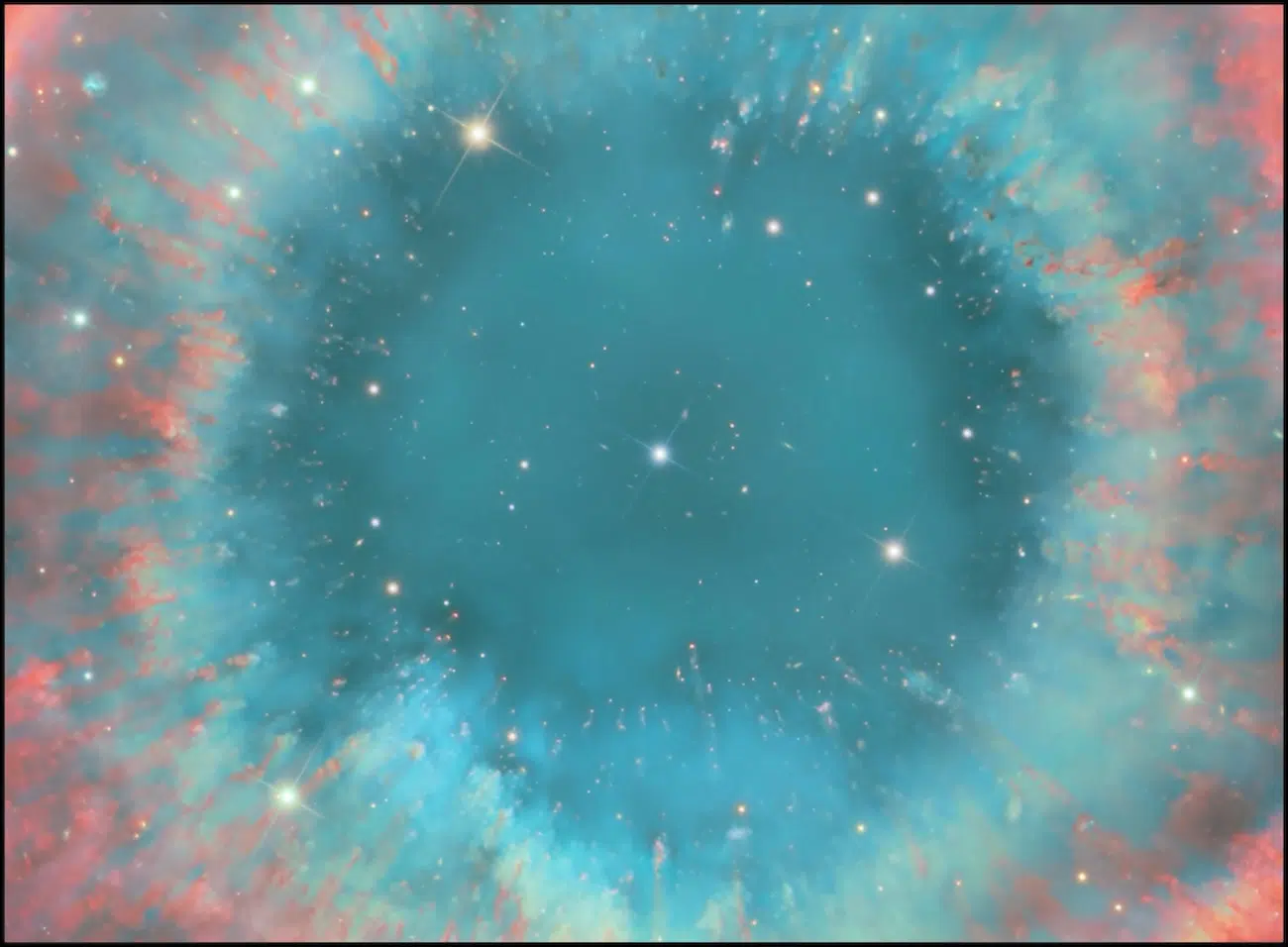
The Astronomy Photographer of the Year competition has crowned its 2026 champions, with Kuwaiti photographer Ali Alobaidly taking the top honor for his breathtaking depiction of the Shark Nebula. Announced on September 17, 2026, during an online awards ceremony, the 18th annual event organized by the Royal Observatory Greenwich and sponsored by ZWO showcases the pinnacle of celestial imaging, ranging from solar activity to the deepest reaches of the cosmos.
Key Takeaways
- Overall Winner: Ali Alobaidly won the top prize of £10,000 for his image, The Quiet Predator, depicting the Shark Nebula (LDN 1235).
- Young Talent: 15-year-old Nikolaos Strimpoulis of Greece secured the ZWO Young Astronomy Photographer of the Year award for Mineral Moon.
- Global Participation: The 2026 competition attracted nearly 4,000 entries from 66 different countries.
- Public Exhibition: A special exhibition featuring 100 selected photographs will open at the National Maritime Museum in London on September 18, 2026.
- Official Publication: A competition book published by Collins will be available at Royal Museums Greenwich starting September 18, 2026, with a wider release on October 2, 2026.
- For Hobbyists: The technical specifications of the winning shots—such as the 28.5-hour integration used by Alobaidly or the 111-hour exposure used by the Andromeda Galaxy finalists—serve as a benchmark for what is possible with modern consumer and prosumer equipment.
- For Art Lovers: The upcoming exhibition at the National Maritime Museum provides a rare opportunity to view these cosmic wonders on large-scale lightbox displays, emphasizing the composition and color theory used to capture the heavens.
- For Students and Educators: The success of winners like Nikolaos Strimpoulis and Haocheng Zhu (the Sir Patrick Moore Prize winner) demonstrates that age is no barrier to mastering complex technical disciplines.
- September 18, 2026: The official exhibition opens to the public at the National Maritime Museum in London. This same day marks the exclusive availability of the official competition book at Royal Museums Greenwich.
- October 2, 2026: The official competition book will be released for wider distribution in general bookstores.
- Ongoing: The exhibition will continue to showcase 100 of the most significant images from the shortlist, providing a rotating gallery of celestial excellence.
- www.rmg.co.uk
- mymodernmet.com
- www.smithsonianmag.com
- amateurphotographer.com
- petapixel.com
The 2026 Awards Announcement
On Thursday, September 17, 2026, the winners of the ZWO Astronomy Photographer of the Year were officially revealed. The competition, now in its 18th year, continues to serve as a premier global stage for both professional and amateur astrophotographers. This year’s results highlight a significant level of technical evolution, as judges noted the increasing ability of entrants to resolve fine details in distant, complex celestial structures.
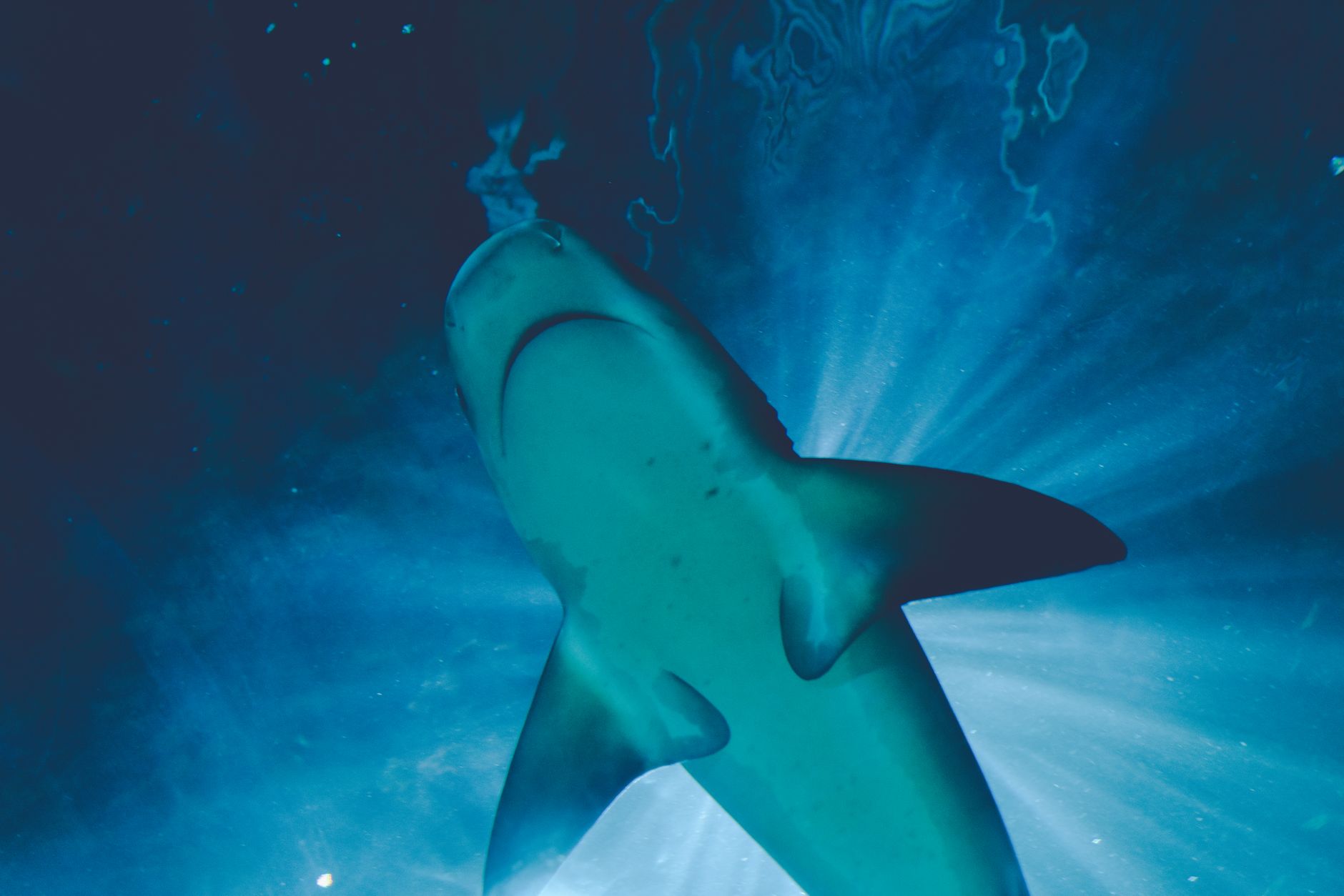
Ali Alobaidly’s victory marks a historic milestone for the competition, as he is the first Overall Winner from Kuwait. His winning photograph, The Quiet Predator, captured the Shark Nebula in the constellation Cepheus. The image was produced through an intensive technical process, involving an Askar 140 APO telescope, a Sky-Watcher EQ8-R mount, and a ZWO ASI2600MM Pro camera. The total integration time for the shot reached 28 hours and 30 minutes, utilizing various exposures to resolve the dark, starlight-blocking dust that gives the nebula its predatory shape.
Why High-Resolution Astrophotography Matters
Astrophotography is more than an artistic pursuit; it is a vital tool for science communication and astronomical study. By capturing phenomena that the human eye cannot perceive—such as the subtle color variations of mineral deposits on the Moon or the convective cells on the surface of the Sun—photographers provide a visual bridge between complex astrophysical data and public understanding.
Sam Wen, Founder and CEO of ZWO, emphasized that the competition aims to foster this curiosity. “We hope to help more individuals discover the quiet beauty of looking up and finding their place beneath the stars,” Wen said in a statement. The technical precision required for these images—often involving hundreds of hours of exposure—allows for the documentation of transient events like solar flares, lunar occultations, and meteor showers, providing a permanent record of the universe’s dynamic nature.
Detailed Breakdown of Category Winners
To understand the breadth of this year’s competition, one must look at the diverse range of subjects that captured the judges’ attention. The following table summarizes the primary category winners for the 2026 cycle.
| Category | Winner | Image Title | Subject Matter |
|---|---|---|---|
| Stars & Nebulae | Ali Alobaidly | The Quiet Predator | Shark Nebula (LDN 1235) |
| Galaxies | 智鹏 严 & Xinran Li | NGC 4753: A Symphony of Dust Lanes in Virgo | Lenticular galaxy 60m ly away |
| Our Sun | Miguel Claro | Active Region 4122 | Solar convective cells and sunspots |
| Our Moon | Petr Horalek | Venusian Pearl on the Moon | Lunar occultation of Venus |
| Aurorae | Radoslav Sviretsov | The Crown | Aurora Borealis over a church |
| Planets, Comets, & Asteroids | Tom Williams | Saturnian Equinox | Saturn and the moon Tethys |
| Skyscapes | Stefano Pellegrini | Botswana Star Trail | Star trails in Botswana |
| People and Space | Max Inwood | A Message from the Ancients | Petroglyphs and the Milky Way |
| Best Newcomer | Haocheng Zhu | M1: Echoes of an Ancient Explosion | The Crab Nebula (M1) |
| Annie Maunder Open | Paweł Paweł | Reverse Astronomy: Mother | Solar radiation on photographic film |
The Science Behind the Stars
The winning images represent diverse astronomical phenomena. For instance, the Galaxies winner, NGC 4753, captures a lenticular galaxy located 60 million light-years away in the Virgo constellation. Judge Joe DePasquale noted that the image captures “cosmological dynamism,” showing the elegant ribbons of dust that define the galactic core.
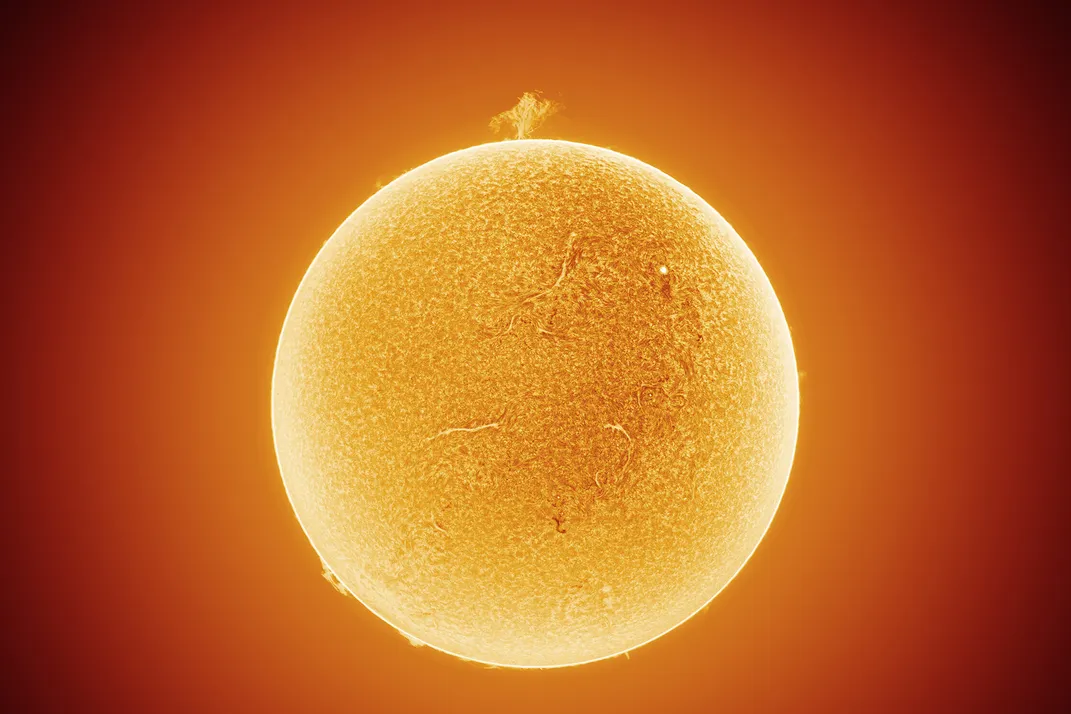
In the Our Sun category, Miguel Claro’s Active Region 4122 provides a rare look at solar granulation. Captured in the Évora District, Portugal, the image uses a dual-band telescope to reveal the turbulent convective cells on the Sun’s surface, highlighting the transition between bright cellular patterns and darker sunspot regions.
The Next Generation of Astronomers
A significant highlight of the 2026 awards was the recognition of Nikolaos Strimpoulis, a 15-year-old from Greece, who won the ZWO Young Astronomy Photographer of the Year. His photograph, Mineral Moon, was captured in Athens on March 8, 2025.
The image provides a detailed cross-section of the Montes Apenninus and Mare Serenitatis. Unlike many amateur Moon shots, Strimpoulis’ work utilized specific coloring to represent the iron and titanium deposits within the lunar highlands and maria. Steve Marsh, Art Editor at BBC Sky at Night Magazine, praised the achievement, stating that the young photographer had achieved “perfectly developed coloring” that reveals subtle mineral details often missed by more experienced enthusiasts.
Stakeholders and the Evolution of the Craft
The relationship between technology providers and the astronomical community is central to the growth of this field. ZWO, the competition’s sponsor, has been a key driver in making astrophotography more accessible through innovations like the Seestar Smart Telescopes.
According to Sam Wen, the goal of such technology is to “lower the barrier to entry and enable more people to experience the joy of exploring the Universe.” This democratization of space observation is reflected in the competition’s statistics, which show a massive influx of nearly 4,000 entries from across the globe. As equipment becomes more automated and user-friendly, the distinction between professional observatory-grade imaging and high-end amateur work continues to blur, allowing more individuals to participate in the scientific and artistic documentation of the night sky.
What It Means for You
Whether you are an aspiring photographer, a science enthusiast, or a casual observer, the 2026 awards offer several points of engagement:
Counterpoints and Open Questions
While the competition celebrates achievement, the increasing reliance on automated technology and high-end digital processing raises questions within the community. Some traditionalists argue that the rise of “smart” telescopes and AI-assisted processing may distance photographers from the fundamental physics of light capture and manual tracking.
Furthermore, the sheer technical difficulty of these shots—often requiring extreme logistical planning, such as the four-hour hike taken by comet photographer Jakob Sahner—highlights a growing divide between those with the resources for high-end gear and the broader public. As the competition grows, the community must grapple with how to maintain the spirit of discovery while embracing rapid technological shifts.
What Happens Next
Following the announcement, several key dates are scheduled for the public to engage with the 2026 winners:
Frequently Asked Questions
How much is the prize for the Astronomy Photographer of the Year?
The overall winner of the competition receives a prize of £10,000. Additionally, category winners receive £1,500, while runners-up and highly commended entries receive smaller cash prizes ranging from £250 to £750.
Where can I see the winning photographs in person?
The winning and shortlisted images will be displayed in a special exhibition at the National Maritime Museum in London, starting September 18, 2026. The images are presented on large lightbox displays to highlight their detail and color.
Who is the sponsor of the competition?
The competition is sponsored by ZWO, a leading manufacturer of astronomy equipment and telescopes. Their CEO, Sam Wen, is a prominent supporter of the annual event.
What was the subject of the 2026 overall winning photo?
The winning photo, The Quiet Predator by Ali Alobaidly, depicts the Shark Nebula (LDN 1235). This is a dark nebula located approximately 650 light-years away in the constellation Cepheus.
—
The 2026 Astronomy Photographer of the Year awards underscore the incredible intersection of human patience, technical innovation, and the vast, unexplored beauty of our universe. From the deserts of Kuwait to the mountains of Greece, the winners have proven that the ability to capture the cosmos is a universal language of wonder.
References
Featured image: Image via My Modern Met