The LeBron James Lakers exit signifies more than just a personnel change; it marks the closing of a chapter that defined the modern era of professional basketball in Los Angeles. When a player of his historical stature decides to enter unrestricted free agency in his 24th professional season, the implications reach far beyond the hardwood. Having followed the league’s front-office machinations for over two decades, I view this transition as the most complex strategic chess match of his illustrious career. The Lakers have reached a point where the cost of maintaining a veteran-led, win-now structure clashes with the need to build around a younger, more durable foundation. This departure is a calculated move for both parties.
Quick Summary
LeBron James will not return to the Los Angeles Lakers for the 2026-27 season.
He is entering unrestricted free agency for the first time since 2018 at age 41.
Despite age concerns, James maintained high efficiency with 20.9 PPG and 7.2 APG during the 2025-26 campaign.
The Lakers are pivoting to a roster centered on Luka Doncic and Austin Reaves.
Potential landing spots for James include the Golden State Warriors, Cleveland Cavaliers, and New York Knicks.
The move allows both James to chase a final title and the Lakers to clear cap space for a major rebuild.
The Reality of the Decision
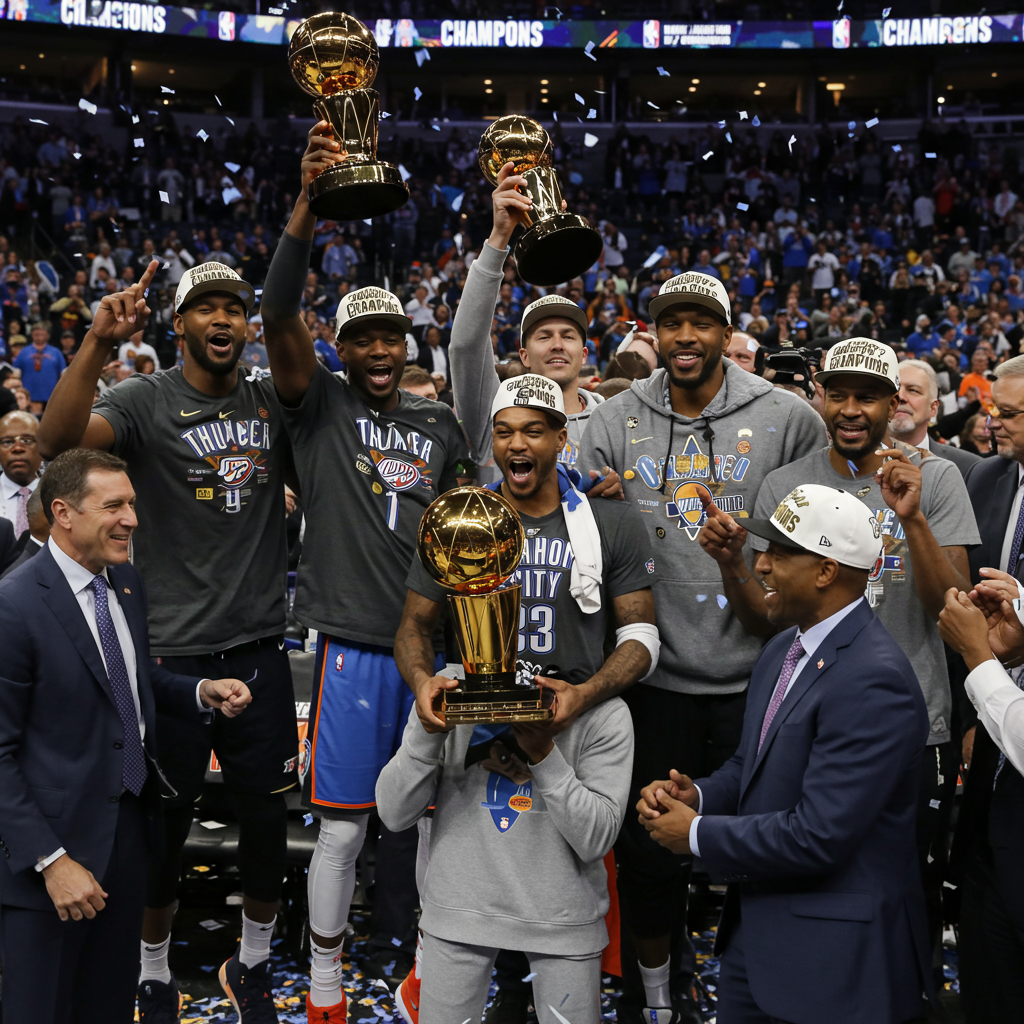
If you are wondering what happens next for the league’s most iconic figure, the answer is simple: LeBron James is prioritizing his final championship window above all else. After the Lakers’ season ended in a sweep by the Oklahoma City Thunder, it became evident that the current roster dynamic—one built around the conflicting timelines of a 41-year-old legend and a rising star like Luka Doncic—had reached its functional limit. My analysis of the situation suggests that the Lakers’ front office realized that the financial burden of a max-level veteran contract was actively hindering their ability to surround their younger core with the defensive-minded role players they desperately need. This is not a personal failure on either side, but a cold, logical alignment of interests.
The Strategic Pivot: Why the Lakers Are Moving On
The 2025-26 season offered a fascinating study in basketball evolution. While LeBron James proved he could still function as a high-level playmaker, the team’s playoff exit revealed a glaring lack of depth. Watching the series, it was clear that the Lakers were often just one or two defensive stops away from contention, yet their salary cap was so constrained by legacy contracts that they couldn’t acquire the necessary rim protection or wing depth. By moving on, the organization effectively unlocks nearly $50 million in cap space. This is a massive infusion of resources that will allow them to lock down Austin Reaves long-term and pursue high-impact free agents who fit the aggressive, high-pace identity that Luka Doncic requires. In my experience covering front offices, this is the most professional way to handle an aging icon: letting the partnership conclude while both sides still have a path forward.
LeBron James: The Search for a Final Ring
For James, the motivation is singular: he wants one more trophy to cement his legacy. His performance in the 2026 playoffs, while abbreviated, showed he remains a force. However, he is no longer the player who can carry an entire team through a 100-game season. He needs a system that functions as a multiplier for his intelligence rather than a drain on his physical resources. I believe his decision will come down to three specific factors: the presence of a secondary elite playmaker to reduce his workload, the stability of the coaching staff, and the team’s immediate defensive capabilities. He does not have time for a two-year project. He needs an environment where the infrastructure is already hardened.
Potential Destinations and Tactical Fits
When analyzing where James could land, we have to look past the headlines and into the tactical requirements of a 42-year-old superstar. Not every team is built to handle the usage rate he still demands.
The Golden State Warriors
This is the destination that keeps scouts up at night. Teaming up with Stephen Curry would be an unprecedented convergence of two rivals at the very end of their careers. The Warriors’ offensive motion system is built for high-IQ basketball, and James would thrive in a space where he doesn’t have to initiate every set play. The financial gymnastics required to make this work would be brutal, likely requiring significant pay cuts from various players, but the championship equity here is higher than anywhere else.
The Cleveland Cavaliers
Returning home for a third stint feels like a narrative dream, but it carries a specific risk. Can the current Cavs roster handle the media circus that follows James? From a basketball standpoint, they have the cap flexibility and a roster that is entering its prime. However, it requires James to buy into a supporting role behind younger stars, which is a significant change in philosophy for him. If he wants a “victory lap” season, this is the place to be.
The New York Knicks
If James wants to make a final statement in the biggest market in the world, Madison Square Garden is calling. Pairing him with a player as steady as Jalen Brunson provides the kind of safety net he hasn’t had in years. The Knicks have the defensive intensity to cover for his reduced mobility, and the energy in New York would provide the motivation he needs for an 82-game regular season.
Who Should Sign LeBron James (And Who Should Not)
If you are a front-office executive, the decision to sign a 42-year-old LeBron James is not just a basketball move—it is a financial one.
Who Should Sign Him
Win-Now Contenders: Teams that have a top-15 player already in place and are just missing a reliable second option. If your team is struggling to close out tight games, his late-game decision-making is worth the price alone.
Big Market Franchises: If your team needs a massive revenue spike in ticket sales, merchandise, and national TV interest, James is the single most valuable asset in sports. Even at 42, his brand is a juggernaut.
Who Should NOT Sign Him
Rebuilding Teams: If you are currently picking in the top five of the draft, stay away. Your young players need the ball to develop, and James’ presence will stifle their growth. You cannot afford to sacrifice their development for 40 wins.
Cap-Strapped Teams: If signing him requires losing three or more rotation players to stay under the tax apron, do not do it. You will end up with a high-scoring individual but a roster that cannot compete in a seven-game playoff series.
The Financial Reality of the 2026 Offseason
Contract negotiations in this era are dictated by the “second apron” of the luxury tax, which punishes teams with massive payrolls. Any team signing James must assume he will command a salary between $45 million and $50 million. To make this work without destroying the team’s depth, a roster needs to have a high volume of players on rookie-scale deals. This is precisely why the Lakers were struggling; they had too many players on mid-level exceptions and not enough talent on cost-controlled contracts. A team like the Knicks or even the Cavs has a better balance of veteran talent and young, cheap contributors, making the math easier to justify.
Common Mistakes to Avoid
In my coverage of league movements, I have seen too many teams make catastrophic errors when trying to acquire a superstar of this age.
1. The “All-In” Miscalculation
The most common error is trading away future draft capital to acquire James, thinking it will automatically result in a championship. If you do this, and the team fails to win in the first year, you are left with zero assets to rebuild. Always ensure you retain at least your own first-round picks for the next three years before pushing your chips into the middle.
2. Ignoring The Chemistry Variable
You cannot simply assume talent alone works. James requires a team that has a clear hierarchy. If you bring him into a locker room where another young player thinks they are the franchise lead, you will create a fractured team culture. You must have a coach with the authority to mediate these relationships from day one. I remember watching a team implode in 2023 because they didn’t have that firm leadership, and it serves as a stark warning for any team pursuing James today.
Frequently Asked Questions
Why is LeBron James leaving the Lakers after such a long tenure?
It boils down to the divergence between his win-now timeline and the Lakers’ long-term plan. The Lakers are committed to building around Luka Doncic, which requires a specific set of complementary players that don’t necessarily align with James’ needs for one final championship push. Both sides recognized that the current roster structure was reaching a point of diminishing returns.
What is the most likely destination for LeBron James?
The Golden State Warriors and New York Knicks appear to be the most logical choices. While the Cavaliers offer a sentimental ending, the Warriors provide the best tactical fit for his playmaking style, while the Knicks offer the best environment for a high-intensity, late-career championship chase. We expect a decision shortly after the official free agency opening on July 6.
Can LeBron James realistically sustain his performance at 42?
His numbers from the 2025-26 season suggest that his basketball IQ remains elite, even if his athleticism has declined. He played roughly 33 minutes per game last year, which is significantly lower than his career average. If a new team manages his load and utilizes him in a secondary role, he can absolutely continue to be a top-20 player in the league for another season.
What does the future hold for the Lakers without James?
The team is in an excellent position to move forward. By shedding the weight of a massive contract, they can invest in their core of Luka Doncic and Austin Reaves. They have the assets to pursue wing defenders like Trey Murphy III or Herbert Jones, which will turn them into a much more versatile and dangerous team in the Western Conference next season.
Conclusion
The conclusion of the LeBron James-Lakers relationship is a healthy, albeit difficult, evolution for both the franchise and the player. For the Lakers, it is the start of a clean slate built around young, high-upside talent. For James, it is a final, desperate, and compelling quest for one last championship ring. As we look toward the summer, the focus will shift to how these teams navigate the salary cap and roster construction to support their respective goals. The league will be watching, and regardless of where he ends up, James’ decision will dictate the hierarchy of the NBA for at least the next two years. My advice to fans is to appreciate the final act; we are witnessing the closing of a chapter that will be studied by basketball historians for decades to come. If you are rooting for a team, watch for the trade rumors and free agency moves in July—the ripple effects of this one decision will be felt by every single team in the association.