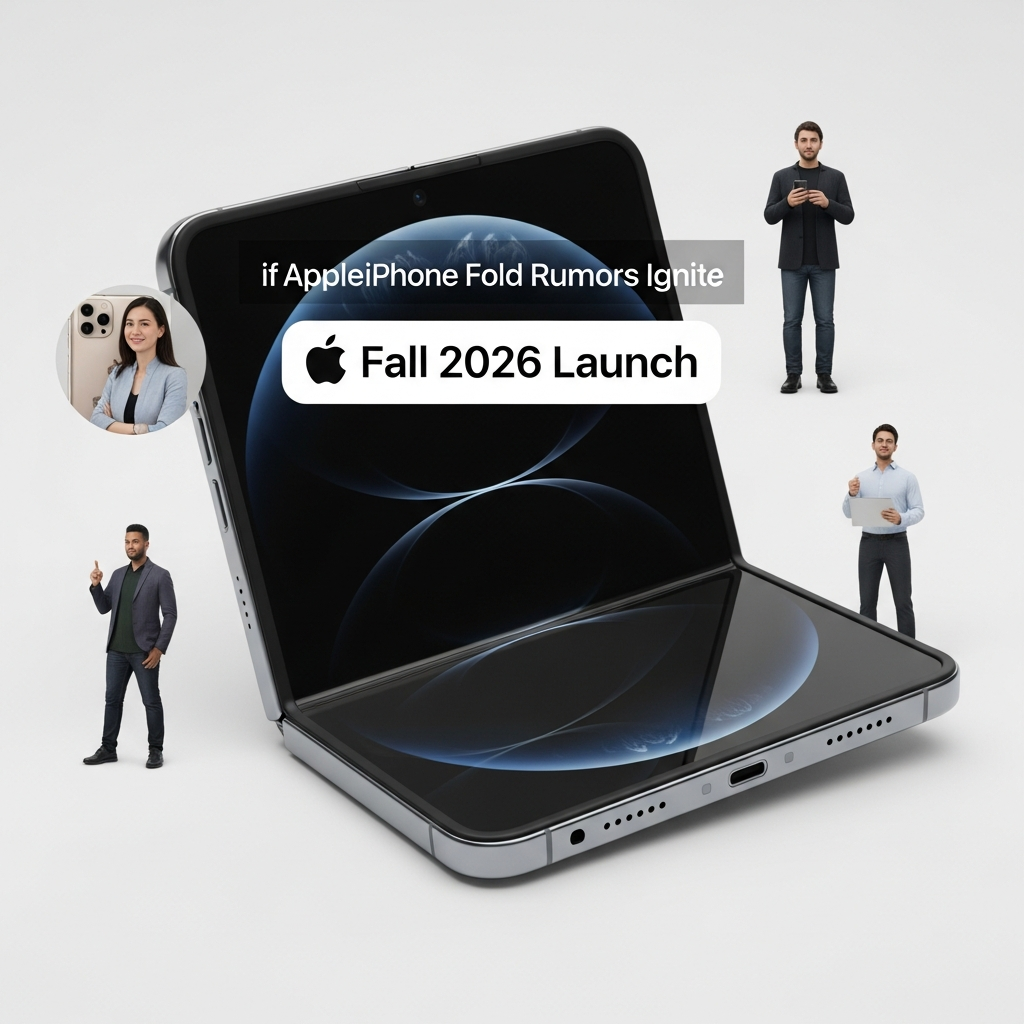
The anticipation surrounding Apple’s first foldable device, often dubbed the iPhone Fold or potentially iPhone Ultra, continues to build. Recent reports suggest that while production faces unexpected delays, Apple remains steadfast in targeting a Fall 2026 launch. This news sparks fresh debate among tech enthusiasts and analysts alike, navigating a landscape of conflicting rumors and the inherent challenges of pioneering a new form factor.
Apple’s foray into the foldable smartphone market represents a significant moment. With rivals like Samsung having several years’ head start, the tech giant is under immense pressure to deliver a polished, groundbreaking device. The latest whispers from the supply chain, however, indicate that the road to release is proving bumpier than initially projected, even as the ultimate launch window appears to hold firm.
Decoding the Production Timeline for the iPhone Fold
Reports from industry sources, notably DigiTimes, paint a picture of a tightening schedule. Initially, Apple aimed to kick off mass production for the iPhone Fold in June 2026. However, this critical phase has now reportedly slipped by “roughly one to two months,” pushing the start date to early August. This adjustment suggests Apple is encountering more hurdles in the crucial early stages of development.
Despite these production setbacks, sources close to the matter confirm that Apple has not communicated any formal launch delays to its suppliers. This unwavering stance reinforces the company’s commitment to a Fall 2026 release, likely requiring an accelerated pace during the revised mass production window. It’s a high-stakes gamble for Apple, balancing perfection with an ambitious timeline.
Conflicting Whispers: 2026 vs. 2027 Launch Window
The path to the iPhone Fold’s debut has been fraught with conflicting predictions. Earlier reports from Japanese publication Nikkei suggested that significant engineering problems could push the device’s release well into 2027. Nikkei’s sources indicated Apple was grappling with “more issues than expected” during early test production. This raised concerns that the first shipments might face delays stretching several months.
Conversely, Bloomberg’s highly respected Apple correspondent, Mark Gurman, maintained a more optimistic outlook. He asserted that the foldable iPhone was still on track for an introduction “around the same time” or “soon after” the iPhone 18 Pro models in September 2026. Gurman acknowledged that the complex nature of the foldable display could limit initial supply but largely dismissed a major delay.
The recent DigiTimes report attempts to reconcile these two opposing viewpoints. It acknowledges the validity of the testing phase delays highlighted by Nikkei. Simultaneously, it aligns with Gurman’s perspective that Apple might still manage to make up for lost time during the subsequent mass production stage, preserving the Fall 2026 launch target. This indicates a challenging but achievable roadmap.
Diving Deep into Production Hurdles
Developing an entirely new product category, especially one as mechanically intricate as a foldable smartphone, inherently introduces significant engineering challenges. Apple’s meticulous approach to design and quality control means these hurdles are taken very seriously. The current delays are not merely logistical; they stem from complex technical problems.
The EVT Challenge and Beyond
The core of the current production slowdown appears to be rooted in the Engineering Validation Test (EVT) phase. This critical stage involves rigorous testing of early prototypes to ensure design integrity and functionality. Rumors suggest Apple is encountering “more manufacturing problems than expected” during this phase, a common occurrence for groundbreaking technology.
Before mass production can commence in earnest, the iPhone Fold must successfully navigate two additional, equally crucial validation stages: Design Validation Testing (DVT) and Production Validation Testing (PVT). Each step demands perfection, validating the design’s readiness for manufacturing and then confirming the production lines can consistently deliver high-quality devices. Any misstep here can ripple through the entire schedule. Nikkei’s reports additionally noted issues during the Production Verification Tests (PVS), which precede pilot production.
Supply Chain Impact: Scarcity on the Horizon?
A delay in the mass production timeline, even by a month or two, could have significant repercussions for initial product availability. Historically, when early reports signal production challenges for a new iPhone, it often leads to severe supply shortages at launch. Devices typically sell out within minutes during pre-order windows, and the iPhone Fold is expected to follow this pattern.
Given its status as Apple’s inaugural foldable device and likely premium pricing, demand is anticipated to be high, exacerbating any supply constraints. Enthusiasts eager to be among the first to own a foldable iPhone might face intense competition. This potential scarcity, while frustrating for consumers, can also inadvertently fuel hype and desirability.
What to Expect: Features, Price, and Design
Beyond the production sagas, concrete details about the iPhone Fold’s specifications and design continue to emerge, painting a picture of a premium and innovative device. Apple is known for its meticulous attention to detail, and its entry into the foldable market will undoubtedly set a new standard.
Premium Pricing and Innovative Display
The iPhone Fold is expected to command a hefty price tag, rumored to fall between $2,000 and $2,500. This positions it firmly in the ultra-premium segment of the smartphone market, reflecting its cutting-edge technology and Apple’s brand premium. It will likely be one of the most expensive iPhone models ever released.
In terms of display, the device is rumored to feature a 5.5-inch screen when folded shut, making it compact and pocketable. When unfolded, it will reportedly expand to a more expansive 7.8-inch display, offering a tablet-like experience for productivity and media consumption. This dual-display functionality is at the heart of the foldable appeal.
Design Secrets: Hinge, Form Factor, and “Ultra” Branding
The design of the iPhone Fold is anticipated to adopt a distinctive “passport shape.” This means it would be shorter and wider when closed, providing a unique aesthetic compared to traditional smartphones. When opened, it would reveal the larger internal display, maintaining a sleek profile. Mock-ups based on these rumored dimensions reinforce this unique form factor.
A critical component of any foldable phone is its hinge mechanism. Apple is reportedly still weighing options for this crucial element. Two primary materials are being considered: liquid metal, which could enable a virtually creaseless display when unfolded, and a 3D-printed titanium alloy, prioritizing enhanced strength and long-term durability. The choice here will significantly impact the device’s feel and resilience.
Intriguingly, newer rumors suggest the device might not be called “iPhone Fold” but rather “iPhone Ultra.” This naming convention would align with Apple’s existing “Ultra” branding, seen in the Apple Watch Ultra and M4 Ultra silicon. This strategic move could signal Apple’s intent to position this foldable as its ultimate, top-tier smartphone offering, potentially paving the way for other “Ultra” branded products like AirPods Ultra or MacBook Ultra.
Apple’s Strategic Play in the Foldable Market
Entering the foldable market is not merely about launching a new product for Apple. It’s a strategic move to innovate within the saturated smartphone industry, demonstrate engineering prowess, and potentially redefine user expectations for mobile devices. The iPhone Fold is more than just a phone; it’s a statement.
Why the iPhone Fold Matters
Despite potentially accounting for a smaller percentage of total iPhone production in its initial phase, the iPhone Fold is considered a strategically vital product for Apple. It aims to revitalize interest across its entire iPhone range, showcasing Apple’s continued commitment to pushing boundaries. Nikkei suggests Apple plans an initial production volume of seven to eight million units, a significant number for a first-generation foldable.
Its success or failure will significantly influence Apple’s trajectory in the premium smartphone segment. The device will test Apple’s ability to overcome complex manufacturing hurdles, deliver unparalleled user experience, and justify a premium price point in an increasingly competitive landscape. The company’s legendary secrecy surrounding the project only amplifies the excitement and speculation.
Frequently Asked Questions
What are the latest production timelines for the iPhone Fold?
The latest reports indicate that mass production for the iPhone Fold has been pushed back by approximately one to two months, now targeting an early August 2026 start. This delay stems from challenges encountered during the Engineering Validation Test (EVT) phase. Despite these production hurdles, Apple has not officially altered its Fall 2026 launch target, suggesting a very tight schedule to meet the original release window.
Will the iPhone Fold be difficult to buy at launch?
Given the reported production delays and the device’s status as Apple’s first foldable phone, initial supply is expected to be severely constrained. Historically, early reports of production issues for new iPhone models often lead to rapid sell-outs during pre-order periods. Consumers eager to purchase the iPhone Fold upon its release should anticipate significant competition and limited availability, potentially facing quick sell-outs.
How much is the iPhone Fold expected to cost, and what are its key rumored features?
The iPhone Fold is anticipated to be a premium device, with an estimated price range of $2,000 to $2,500. Key rumored features include a 5.5-inch display when folded, expanding to a 7.8-inch display when opened. It’s also expected to adopt a “passport shape” design. Apple is reportedly considering hinge materials like liquid metal or 3D-printed titanium alloy, and the device might even be branded as the “iPhone Ultra.”
The Road Ahead for the iPhone Fold
The journey for the iPhone Fold remains dynamic and filled with anticipation. While production delays present a challenge, Apple’s continued commitment to a Fall 2026 launch signal its determination. As the industry watches closely, all eyes are on Apple to see how it navigates these complexities and finally unveils its vision for the future of the smartphone. Tech enthusiasts should brace themselves for potential initial supply shortages but remain optimistic for a groundbreaking device that aims to redefine the foldable experience.