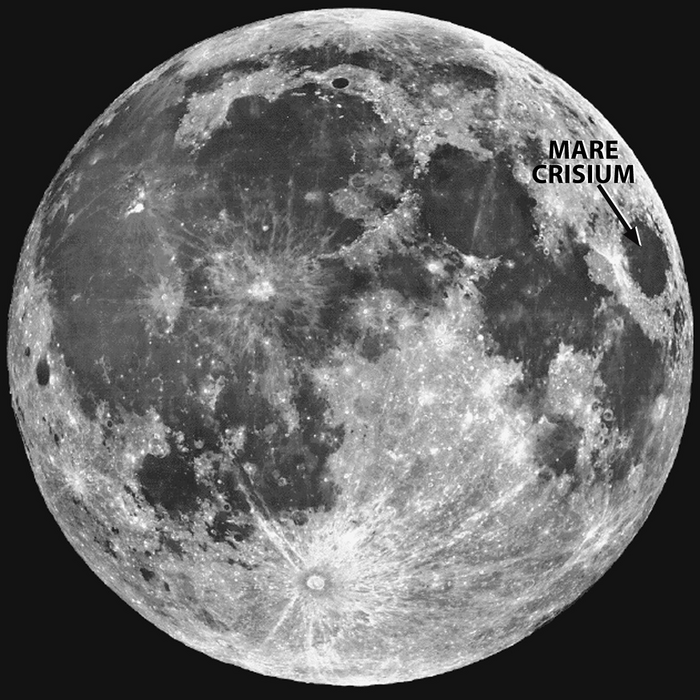
The McGetchin crater discovery, identified through NASA’s lunar Reconnaissance Orbiter (LRO), has revealed a massive, once-in-a-century impact on the Moon’s eastern limb that is fundamentally changing how scientists understand the lunar surface.
Key Takeaways
- Massive Scale: The newly identified crater measures 728 feet (222 meters) wide and 141 feet (43 meters) deep, making it the largest new crater found by the LRO since its mission began in 2009.
- Rare Event: Researchers estimate an impact of this magnitude occurs on the Moon only once every 132 years.
- Thermal Anomaly: The impact created a 4-mile-wide “cold spot where night-time temperatures are approximately 16 degrees Fahrenheit lower than surrounding areas.
- Regolith Disruption: The collision “fluffed up” the lunar soil (regolith), reducing its density and its ability to retain heat.
- Discovery Method: The crater was identified through manual image analysis by Robert Wagner of Intuitive Machines, rather than an automated system.
- Wide-Angle Camera (WAC): Used for broad scans to identify large-scale changes or bright/dark anomalies.
- Narrow-Angle Camera (NAC): Provides high-resolution imagery (approximately 3 feet per pixel) to study the specific morphology of craters.
- Diviner Instrument: A thermal mapping tool that detects temperature variations across the lunar surface.
- Advanced Orbiters: While the LRO has been invaluable, researchers like Glotch suggest that a successor with even higher spatial resolution is necessary as the LRO eventually nears the end of its operational life.
- A Lunar Seismic Network: One of the most significant gaps identified is the lack of real-time seismic data. Apollo-era seismometers ceased operation in the late 1970s. Asphaug noted that a modern seismic network would have allowed scientists to record the actual energy transmission of the McGetchin impact, which would be of “great global significance.”
- Detailed Morphological Analysis: Researchers will continue to use NAC data to refine their understanding of the crater’s shape and the exact force of the impactor.
- Targeted Landing Proposals: There is growing interest in proposing inexpensive, fundamental science missions that could land near the McGetchin site to study lunar melt and subsurface composition directly.
- Enhanced Orbital Monitoring: The data from this event will likely serve as a primary case study in the push for more advanced, high-resolution lunar orbiters.
- Artemis Integration: NASA will incorporate these findings into the long-term planning of the Artemis missions, ensuring that future landing sites and habitats are selected with a better understanding of impact risks and regolith behavior.
- www.universetoday.com
- science.nasa.gov
- www.cnn.com
What Happened: A Timeline of a Lunar Collision
While the scientific community is only now processing the full implications of the McGetchin Crater discovery, the actual violent encounter occurred much earlier. According to data analyzed by researchers and published in the journal Science Advances, a space rock—estimated to be the size of a three- to six-story building—slammed into the Moon’s eastern edge between April 11 and May 22, 2024.
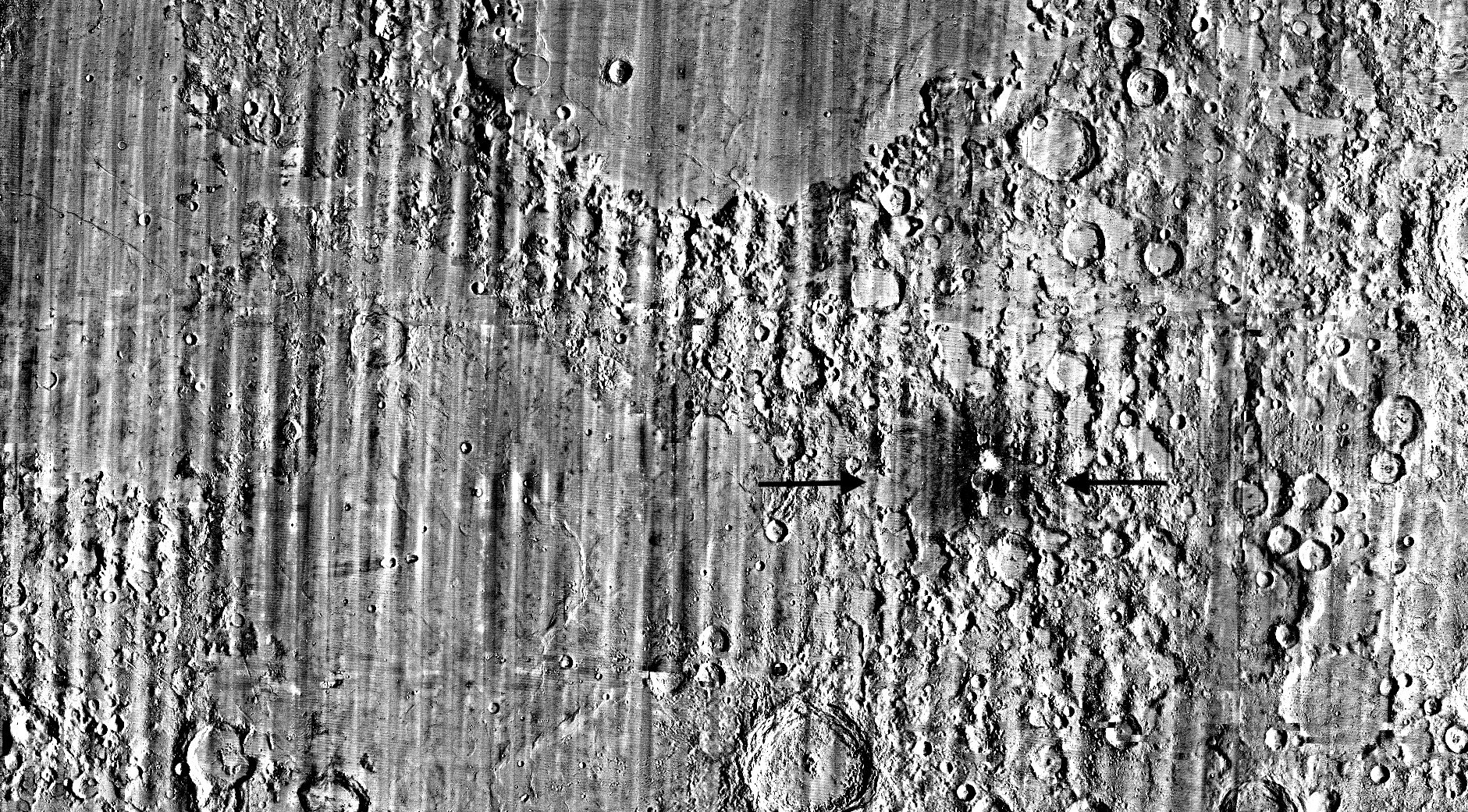
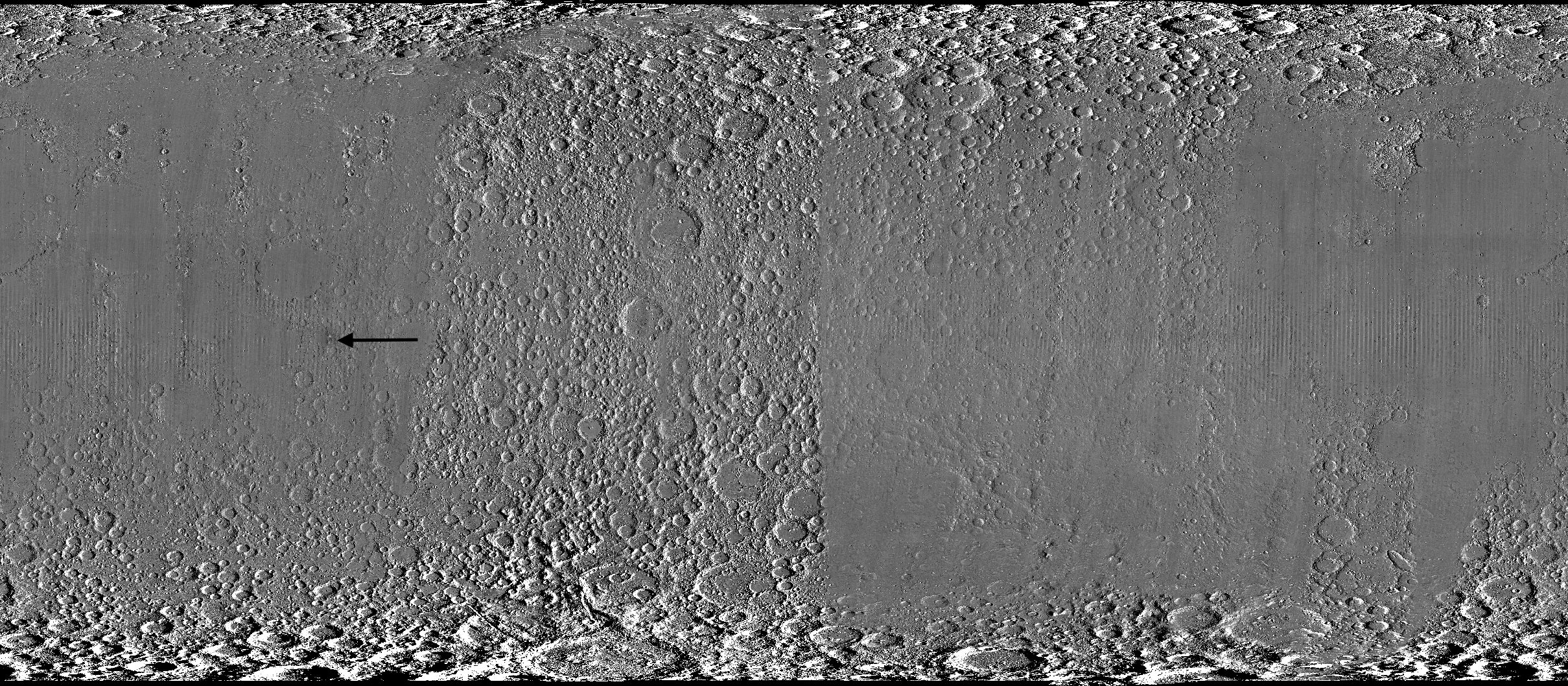
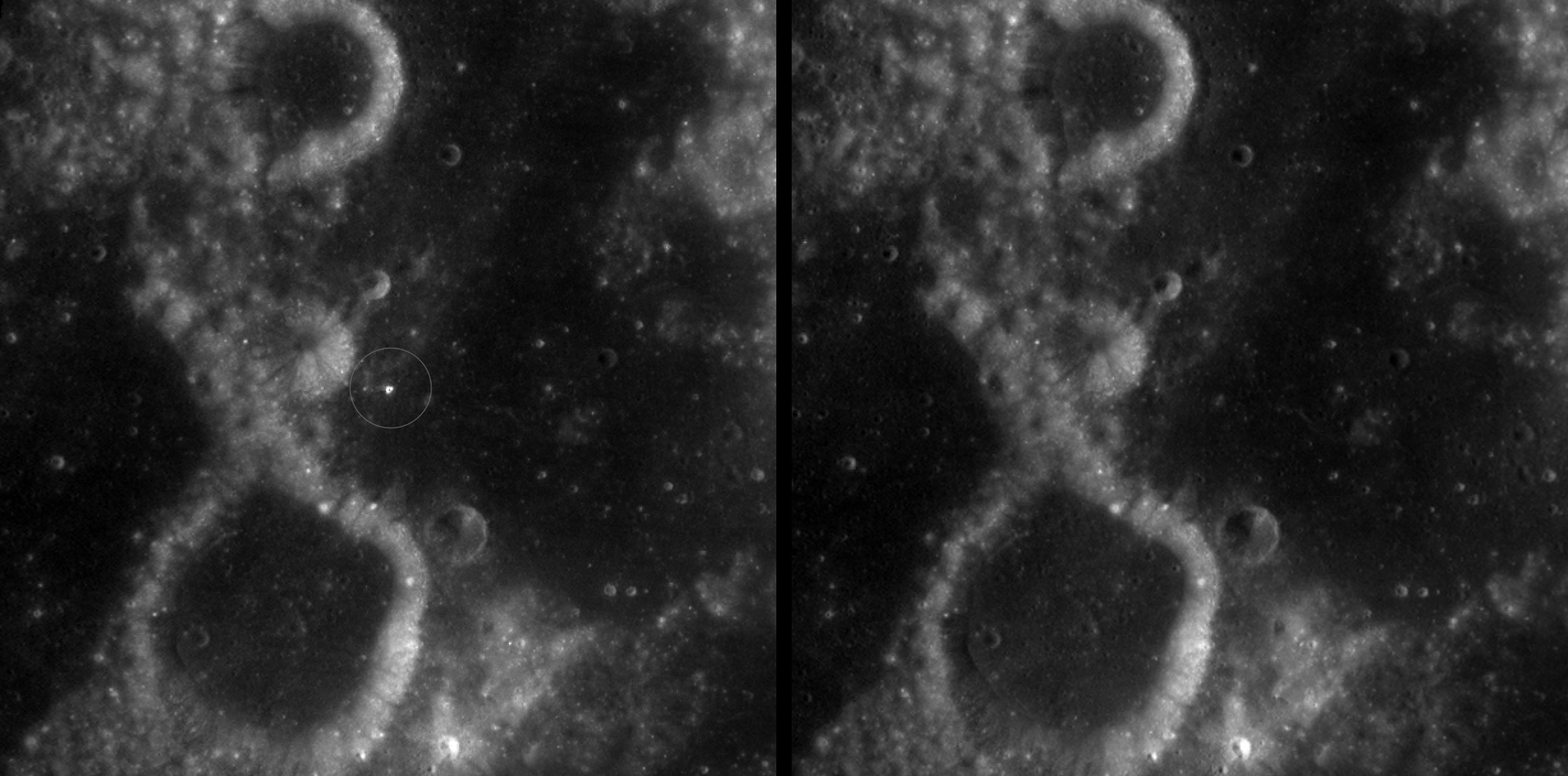
At the time of the impact, the event went largely unnoticed by the global scientific community. It was not until October 24, 2025, that Robert Wagner, an image-processing specialist at Intuitive Machines working with the Lunar Reconnaissance Orbiter Camera (LROC), spotted an anomaly. While performing routine data-quality checks, Wagner noticed an unusually bright spot encircled by a dark halo on a massive lunar map.
“I just stopped, dropped everything, and started looking into what that spot was,” Wagner said in a statement regarding the initial sighting. He noted that the debris pattern was “by far the most obvious impact debris pattern” he had ever encountered in the LRO imagery.
To confirm the finding, the team utilized the orbiter’s Narrow-Angle Camera (NAC) to capture high-resolution images, allowing them to measure the crater’s morphology with precision. By March 3, 2026, the LRO had captured detailed side-view and overhead imagery that confirmed the crater’s immense depth and the significant disruption of the surrounding terrain. The findings were formally reported through two separate papers in Science Advances in September 2026.
Why It Matters: The Scale of a Once-in-a-Century Event
Before this discovery, the largest contemporary impact crater identified on the Moon was estimated to be only about 230 feet (70 meters) in diameter. McGetchin Crater, at 728 feet (222 meters) wide, dwarfs previous recent findings and represents a significant geological milestone.
According to study coauthor Timothy Glotch, a professor and chair of geosciences at Stony Brook University, the rarity of such an event cannot be overstated. “On average, we’ll get a new crater this size forming on the moon every 132 years,” Glotch stated. This frequency classifies the event as a “statistically rare, effectively once-in-a-lifetime observation” for modern lunar monitoring.
Beyond the sheer size, the impact serves as a natural laboratory. Because the Moon lacks a protective atmosphere like Earth’s, its surface is constantly subject to bombardment. However, the McGetchin event provides a rare, real-time look at how a high-energy impact reshapes the lunar landscape, from the immediate excavation of a hole to the far-reaching changes in the surrounding soil’s physical properties.
Comparative Impact Data
| Feature | McGetchin Crater | Previous Contemporary Record |
|---|---|---|
| Diameter (Width) | 728 feet (222 meters) | ~230 feet (70 meters) |
| Depth | 141 feet (43 meters) | Not specified |
| Impact Frequency | ~Once every 132 years | N/A |
The Science Behind the McGetchin Crater Discovery
One of the most startling aspects of the McGetchin Crater discovery is not what was seen, but what was felt—thermally. Researchers using the LRO’s Diviner thermal instrument discovered a massive thermal anomaly surrounding the impact site.
An area spanning approximately 4 miles (6.4 kilometers) wide around the crater registers 16 degrees Fahrenheit cooler at night than the rest of the lunar region. This phenomenon, often referred to as a “cold spot,” provides a unique way for scientists to study the Moon’s subsurface.
Tyler Powell, a planetary scientist and postdoctoral fellow at the Johns Hopkins University’s Applied Physics Laboratory, explained that these cold spots are indicators of how impacts modify the lunar regolith. The force of the impact essentially “fluffs up” the soil, creating a less dense, more porous layer. Because this loosened regolith is less efficient at retaining heat, the surface temperature drops significantly during the long lunar night.
“Their large extent indicates that impacts can modify the surface far beyond the crater itself,” Powell said in an email. He added that the ability to observe this region both before and after the impact is a stroke of scientific luck.
Seismology by Proxy
Erik Asphaug, a professor of planetary sciences at the University of Arizona, suggests that these thermal changes allow for a method he calls “seismology by proxy.” By analyzing how the impact’s energy waves radiate through the surface and alter the density of the regolith, scientists can infer much about the Moon’s internal structure and the mechanics of the impact itself.
“It’s going to be a treasure trove for geology in terms of the immediate effects of impacts capable of excavating deep beneath the Moon’s outer surface,” Asphaug noted. He further suggested that a landing mission at the site could provide direct data on whether lunar melt—rock turned to liquid by the extreme heat of impact—was created and how it was distributed.
The Role of the Lunar Reconnaissance Orbiter (LRO)
This discovery would have been impossible without the Lunar Reconnaissance Orbiter (LRO), a NASA workhorse that has been orbiting the Moon for over 17 years. Launched in 2009, the LRO utilizes seven distinct instruments to map the Moon’s temperature, topography, radiation, and surface composition.
Advanced Orbital Monitoring
The LRO’s ability to track surface changes relies on its specialized camera systems:
Since its deployment, the LRO has enabled scientists to track at least 1,000 new impact craters and over 100,000 other surface changes, including landslides and even the crash sites of lunar landers. Mark Robinson, the principal investigator for the LROC at Intuitive Machines, noted that even after nearly two decades, the Moon continues to surprise researchers daily.
What It Means for Future Lunar Exploration
As NASA’s Artemis program moves toward establishing a sustained human presence on the Moon, the findings from the McGetchin Crater discovery carry significant practical implications for mission safety and infrastructure planning.
Infrastructure and Safety Risks
The discovery highlights the unpredictable nature of the lunar environment. The “fluffing” of the regolith and the vast reach of impact ejecta (the debris thrown out during a collision) pose direct risks to future lunar habitats and equipment.
Timothy Glotch warned that NASA must account for these factors when planning sustainable infrastructure. “This provides new information for how NASA has to plan for sustainable infrastructure that may be exposed to fast-moving ejecta that may impact equipment and habitats left on the surface,” Glotch said.
If the regolith density is altered by impacts, it could also affect the stability of landing pads or the mobility of lunar rovers. A rover designed to navigate compacted lunar soil might struggle or even become stuck in the “fluffed,” less dense soil created by a recent impact.
The Need for New Infrastructure
The scientific community is also using this discovery to advocate for a new generation of lunar monitoring tools. Two primary needs have emerged:
Counterpoints and Open Questions
Despite the excitement, the discovery also brings several open questions and challenges to light. One primary concern is the limitation of current technology. While the LRO is highly capable, the manual nature of the discovery—relying on a human specialist noticing a spot during a routine check—suggests that many other significant lunar events may be occurring without being recorded.
Furthermore, there is the question of impact predictability. The comparison made by Jeff Andrews-Hanna, a professor at the University of Arizona, to the Chelyabinsk meteor that exploded over Russia in 2013 serves as a sobering reminder. While a similar-sized object striking Earth might not be catastrophic, it would be a major event. On the Moon, these impacts are constant, and our ability to track near-Earth asteroids that could strike the Moon (or Earth) remains a critical, ongoing challenge.
Scientists also remain curious about the longevity of thermal anomalies. While we know these “cold spots” can persist, the exact duration and the factors that eventually cause the regolith to re-compact remain subjects of active research.
What Happens Next?
Moving forward, the scientific community will focus on several key areas of investigation:
Frequently Asked Questions
How big is the McGetchin Crater?
The crater is approximately 728 feet (222 meters) wide, which is roughly the length of two American football fields. It reaches a depth of 141 feet (43 meters), which is deep enough to stack three school buses on top of one another.
When did the impact occur?
The impact is estimated to have occurred between April 11 and May 22, 2024. It was not officially discovered by researchers until October 2025.
Why is there a “cold spot” near the crater?
The impact “fluffed up” the lunar soil, or regolith, making it less dense. This less dense soil is less efficient at retaining heat, causing the area to remain significantly cooler—about 16 degrees Fahrenheit lower—during the lunar night compared to the surrounding terrain.
Who discovered the crater?
The crater was discovered by Robert Wagner, an image-processing specialist at Intuitive Machines, while he was reviewing imagery from NASA’s Lunar Reconnaissance Orbiter (LRO).
Is this a common occurrence on the Moon?
No. While small craters are formed constantly, an impact of this magnitude is estimated to occur only once every 132 years on the Moon.
—
The McGetchin Crater discovery stands as a testament to the power of long-term orbital monitoring
References
Featured image: Image via NASA Science