
The investigation into a fatal brain-eating amoeba infection in Durham, North Carolina, has identified a man-made water feature at the El Futuro community center as the most likely source of exposure for 17-year-old Moises Ponce Mendoza.
Key Takeaways
- Fatal Case Identified: 17-year-old Moises Ponce Mendoza died in late August 2026 after contracting a rare Naegleria fowleri infection.
- Confirmed Source: Testing by the CDC confirmed the presence of the amoeba in the El Futuro water feature’s storage tank, rocks, and a nearby fire hydrant.
- Regulatory Failure: The Durham County Health Department reported that the facility had not completed the mandatory permitting and evaluation process for the water feature.
- High Fatality Rate: Primary Amebic Meningoencephalitis (PAM), caused by the amoeba, has a fatality rate exceeding 97%.
- Prevention is Critical: Infection occurs when contaminated water enters the nasal cavity; health officials recommend nose clips and using distilled water for sinus rinsing.
- Use Nasal Protection: When swimming, diving, or jumping into warm freshwater (ponds, lakes, or man-made features), use nose clips or hold your nose shut to prevent water from entering the nasal passages.
- Mind Your Position: Avoid submerging your head in warm freshwater. If you are in a hot spring, keep your head above the water line at all times.
- Avoid Shallow Areas: Amoebas can congregate in shallow, warm areas where organic matter accumulates. Avoid digging in the bottom of shallow water.
- Safe Sinus Rinsing: If you use a Neti pot or perform nasal irrigation, never use tap water that has not been previously boiled and cooled, or distilled water. Using untreated tap water can introduce environmental amoebas directly into your nasal cavity.
- abc11.com
- www.citizen-times.com
- wcti12.com
- www.wral.com
What Happened: A Timeline of a Tragedy
In late August 2026, health officials in central North Carolina were alerted to a critical medical emergency involving a teenager suffering from a rare and deadly parasitic infection. According to reports from the North Carolina Department of Health and Human Services (NCDHHS), the teen—later identified by his mother via a GoFundMe page as Moises Ponce Mendoza—began experiencing severe symptoms that led to a rapid decline.
Investigators believe the exposure occurred around August 13, 2026, when the teenager likely splashed water on his face while at the outdoor green space of El Futuro, a nonprofit mental health organization in Durham. El Futuro operates a clinic on Chapel Hill Road and provides support for Latino families. The facility features a man-made creek designed as a “therapeutic garden and gathering place for community connection,” according to previous interviews with the organization.
Following the suspected exposure, Mendoza was admitted to the emergency room on August 21 after enduring two days of intense headaches. He returned to the hospital on August 22, and NCDHHS was officially notified of a suspected case of Naegleria fowleri on August 23. Tragically, Mendoza passed away on August 31, 2026.
On August 28, 2026, the Durham County Department of Health ordered the immediate closure of the water feature. By mid-September, state investigations had pinpointed the man-made creek as the most probable point of contact.
Why It Matters: The Danger of the ‘Brain-Eating’ Amoeba
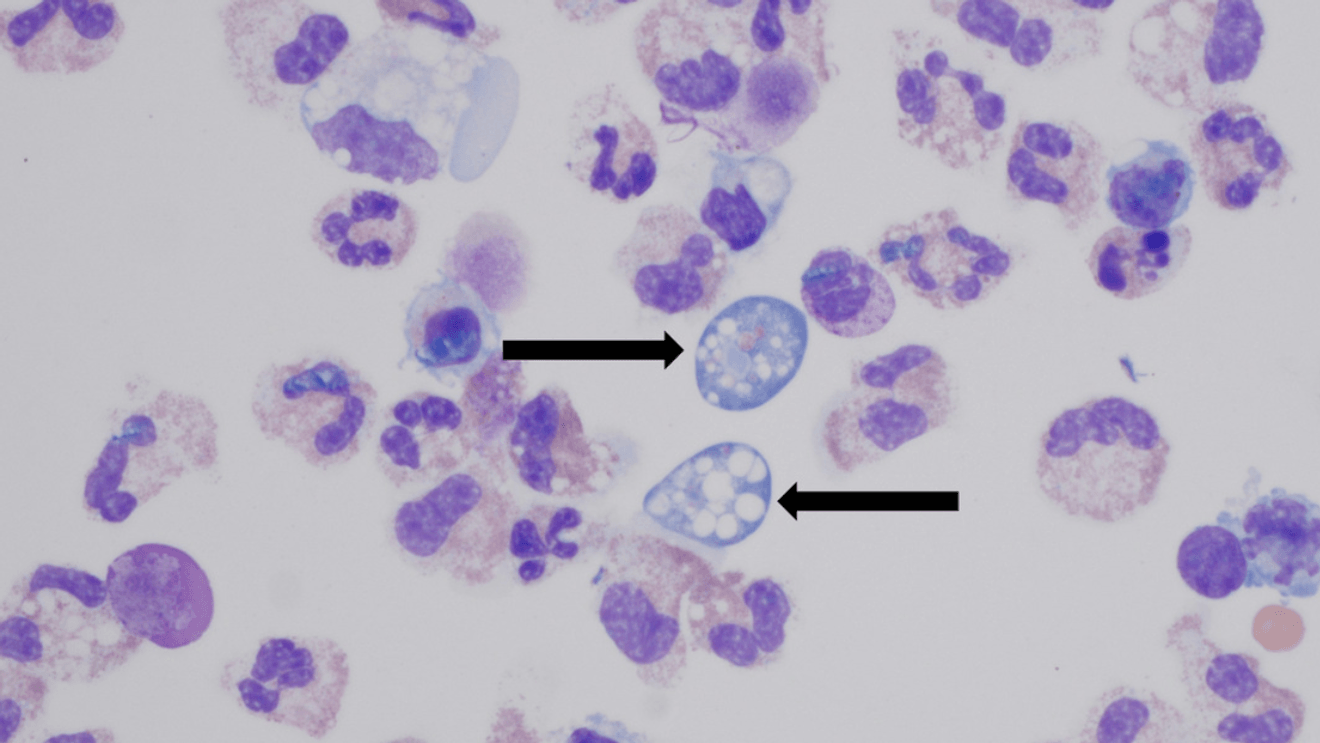
While the death of a teenager is a localized tragedy, the biological reality of a brain-eating amoeba infection carries significant public health implications. The pathogen, Naegleria fowleri, is a microscopic, single-celled organism that thrives in warm freshwater environments, including ponds, lakes, rivers, and even man-made features like the one found at El Futuro.
When contaminated water is forced up the nasal passage—often through splashing, diving, or jumping into water—the amoeba can travel along the olfactory nerve directly into the brain. Once there, it causes Primary Amebic Meningoencephalitis (PAM), a disease that destroys brain tissue.
According to NCDHHS data, the infection is extremely rare, with only 167 reported cases in the United States between 1962 and 2024. However, its rarity should not be mistaken for insignificance; the mortality rate is devastating. Historical data indicates that of the 164 reported cases of PAM in the U.S., only four individuals survived. The clinical progression is typically rapid, with symptoms often leading to coma and death within five days of onset.
Deep-Dive: The Investigation and Scientific Findings
State and federal investigators, including the Centers for Disease Control and Prevention (CDC), conducted an exhaustive environmental and epidemiological study to determine how the infection spread. The investigation focused heavily on the infrastructure of the El Futuro water feature, which utilizes a recirculating system consisting of a pump and several fountains.
Environmental Testing Results
The CDC collected multiple samples from the site to check for the presence of Naegleria fowleri. The findings were conclusive, revealing that the amoeba was not confined to a single spot but was present throughout the water feature’s ecosystem.
| Test Location | Result | Source |
|---|---|---|
| Fountain Storage Tank | Positive for Naegleria fowleri | CDC / NCDHHS |
| Feature Rocks | Positive for Naegleria fowleri | CDC / NCDHHS |
| Nearby Fire Hydrant | Positive for Naegleria fowleri | CDC / NCDHHS |
| Water System Pump | Algal growth and organic material detected | NCDHHS |
State officials determined that the water feature was “not effectively disinfected,” despite El Futuro’s attempts to maintain the area through chlorine treatments and power washing. The presence of organic material and algal growth around the pump system likely provided the ideal warm, nutrient-rich environment for the amoeba to proliferate.
Regulatory and Compliance Failures
Beyond the biological findings, the investigation uncovered significant administrative lapses. The Durham County Health Department revealed that El Futuro had failed to adhere to essential regulatory protocols required for public water features. Specifically, the facility “never completed the required application, evaluation, and permitting process needed for the water feature,” according to officials.
This lack of oversight meant that the water feature had not undergone the necessary professional inspections or safety evaluations that might have identified the disinfection failures or the risk of pathogen accumulation before the fatal exposure occurred.

Stakeholders and Community Reactions
The death has left the Durham community and the staff at El Futuro grappling with grief and scrutiny.
El Futuro’s Response:
In an official statement, the nonprofit expressed profound sorrow for the loss of the young boy and his family. “Our hearts are broken for the young boy who lost his life and for his family,” the organization said. They emphasized their commitment to cooperating with public health officials and noted that the water feature has remained closed since they were first contacted by county officials.
Community Sentiment:
Local residents have expressed a mix of shock and concern regarding the safety of community spaces. One anonymous resident noted the surprise of the source, stating, “When we heard about the news, we were expecting it to be at Falls Lake or Jordan Lake or maybe even one of the rivers.”
Others have called for more aggressive safety measures. One community member advocated for a total shutdown of the area, while another expressed curiosity about the specific precautions being taken to prevent a recurrence. There is also visible concern regarding the current state of the site; while “Keep Out” signs and orange traffic cones have been placed around the green space, the area lacks physical barriers or fences to prevent public access to the contaminated feature.
What It Means for You: Safety and Prevention
If you live near community water features, visit public parks, or participate in freshwater activities, this incident serves as a critical reminder of the risks associated with Naegleria fowleri. While the risk remains statistically low, the consequences of exposure are almost always fatal.
How to Protect Yourself
Public health experts, including state public health veterinarian Dr. Carl Williams, and the CDC, recommend several specific steps to minimize the risk of a brain-eating amoeba infection:
Counterpoints and Open Questions
While the investigation has provided a “most likely” source, several questions remain that could impact future public health policy and community trust:
The Permitting Gap: How did a community organization operate a public water feature for years without completing the mandatory permitting and evaluation process? This raises questions about the efficacy of local municipal oversight for non-profit and community-based spaces.
The Sufficiency of Signage: Is a “Keep Out” sign and traffic cones enough to secure a potentially contaminated site? The lack of physical fencing at the El Futuro site suggests a potential gap in immediate containment protocols.
Disinfection Standards: If the facility was using chlorine and power washing, why were these methods insufficient? This points to a need for more standardized, rigorous disinfection protocols for recirculating man-made water systems in public areas.
What Happens Next
The investigation is ongoing, and several catalysts will determine the path forward for the Durham community:
Regulatory Review: The Durham County Health Department and state officials are likely to review how permitting processes are enforced for small-scale, non-profit community features.
Public Health Monitoring: NCDHHS will continue to monitor for any related cases and may issue updated guidance for community organizations managing water features.
Facility Remediation: It remains unclear when, or if, the El Futuro water feature will be permitted to reopen. Any reopening would likely require a complete overhaul of the disinfection system and strict adherence to all county and state health regulations.
Frequently Asked Questions
How is a brain-eating amoeba infection contracted?
An infection is contracted when water containing Naegleria fowleri enters the body through the nose. This usually happens during activities like swimming, diving, or splashing in warm freshwater. It is important to note that you cannot get the infection by swallowing contaminated water; the amoeba must reach the nasal passages to travel to the brain.
Is the infection contagious?
No. Naegleria fowleri is not contagious between humans. You cannot catch the infection from another person; it must be contracted directly from an environmental source containing the amoeba.
What are the early symptoms of PAM?
Initial symptoms of Primary Amebic Meningoencephalitis (PAM) typically include a severe headache, fever, nausea, and vomiting. These symptoms often appear between 1 and 12 days after exposure. As the disease progresses, it can lead to more severe neurological issues such as a stiff neck, confusion, seizures, and coma.
Where does the amoeba live?
Naegleria fowleri is found naturally in warm freshwater environments. This includes lakes, rivers, ponds, and hot springs. It can also be found in soil and, in rare instances, in poorly maintained man-made water features, splash pads, or swimming pools.
Given the devastating nature of this incident, the focus remains on ensuring that community spaces are both safe and properly regulated to prevent such a tragedy from occurring again.
References
Featured image: Photo by Andy Coffie on Pexels