A fatal brain-eating amoeba infection has been linked to a man-made water feature in Durham, North Carolina, following a state-led investigation into the death of a 17-year-old resident.
Key Takeaways
- Fatal Infection: 17-year-old Moises Ponce Mendoza died after contracting a rare and deadly Naegleria fowleri infection.
- Likely Source: The North Carolina Department of Health and Human Services (NCDHHS) identified a man-made creek at the El Futuro community center as the most probable site of exposure.
- Positive Testing: CDC testing confirmed the presence of the amoeba in the fountain’s storage tank, on surrounding rocks, and even on a nearby fire hydrant.
- Regulatory Gaps: Investigations by ABC11 revealed the water feature was operating without the required municipal permits, applications, or evaluations.
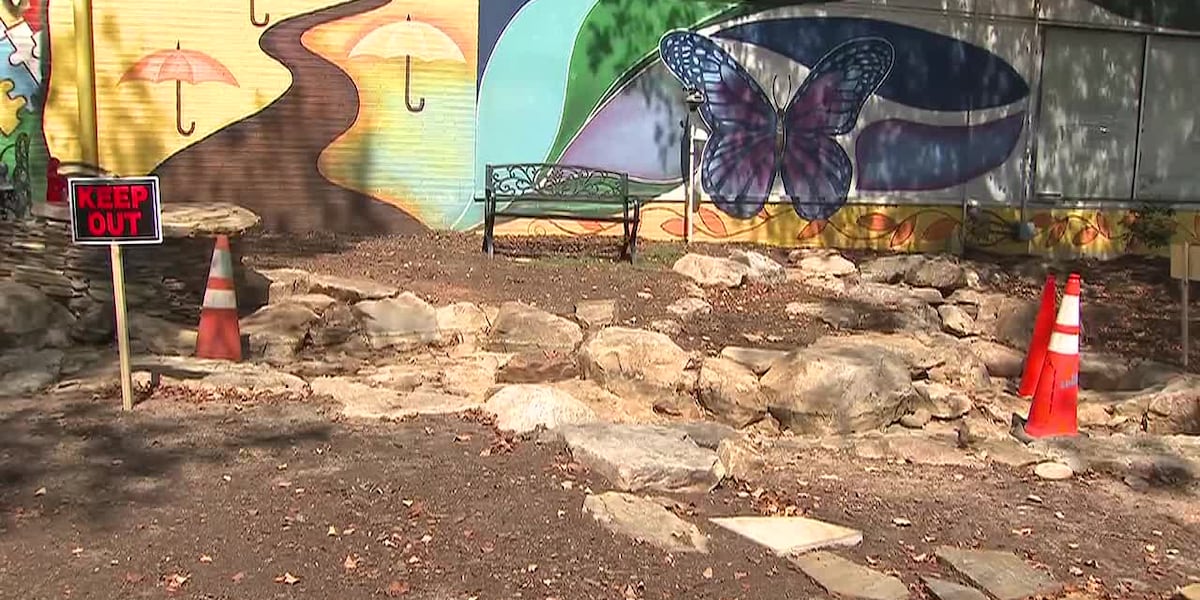
- public safety Risk: While the area is marked with “Keep Out” signs, the lack of physical barriers like fences leaves the site potentially accessible to the public.
- Initial Symptoms: Patients typically experience a sudden, severe headache, fever, nausea, and vomiting. These symptoms can often be mistaken for more common illnesses like the flu or meningitis.
- Advanced Symptoms: As the infection progresses and brain tissue is damaged, patients may experience a stiff neck, confusion, loss of balance, hallucinations, seizures, and eventually a coma.
- Protect Your Nasal Passages: Use nose clips or hold your nose shut when jumping, diving, or splashing in water. This is the most effective way to prevent the amoeba from entering the olfactory nerve.
- Keep Your Head Above Water: When in hot springs or shallow water, try to keep your head above the water line to minimize the risk of water being forced into the nose.
- Avoid Shallow, Warm Water: Amoebas are more likely to reside in shallow, warm areas where water temperatures are higher.
- Use Safe Water for Sinus Rinsing: If you use a Neti pot or perform nasal irrigation, never use untreated tap water or environmental water. Only use distilled, sterile, or previously boiled water to ensure no pathogens are introduced into the nasal cavity.
- How did the amoeba survive? If chlorine treatments were being applied, why was the Naegleria fowleri DNA still detectable in the storage tank and on nearby surfaces like a fire hydrant?
- Why was the permitting gap not caught sooner? The fact that a recirculating water feature was operating without required municipal evaluations suggests a need for more rigorous local enforcement of water safety regulations.
- Is the contamination localized? The discovery of the amoeba on a fire hydrant suggests the pathogen may have spread beyond the immediate creek, raising questions about the total scope of the contamination at the site.
- Regulatory Enforcement: The Durham County Health Department will likely review its permitting and inspection protocols for small-scale, man-made water features in community spaces to prevent similar lapses.
- Sanitation Standards: Future reopening of any such feature would likely require rigorous, third-party verification of disinfection protocols and the implementation of physical barriers to ensure public access is strictly controlled.
- abc11.com
- www.kxii.com
- www.citizen-times.com
- wcti12.com
- www.wral.com
What Happened: The Timeline of a Tragedy
The investigation into the death of Moises Ponce Mendoza has uncovered a harrowing timeline of exposure and rapid medical decline. According to reports from the NCDHHS and local news outlets, the sequence of events began on August 13, 2026, when investigators believe the teenager was exposed to the pathogen at the El Futuro facility in Durham.
The exposure is believed to have occurred when the teen splashed water on his face while in the organization’s outdoor green space, which features a man-made creek with a recirculating pump and several fountains. Following the incident, Mendoza did not immediately seek medical attention, but by August 21, he was admitted to the emergency room after suffering from severe headaches for two consecutive days.
His condition worsened rapidly. He returned to the emergency room on August 22, and the NCDHHS was formally notified of a suspected case of Naegleria fowleri on August 23. Although medical teams worked to treat the infection, the teenager passed away on August 31, 2026.

On September 15, 2026, state officials released findings from their epidemiologic, laboratory, and environmental investigation. While the NCDHHS noted they could not “conclusively determine” the exact moment or method of exposure, the data strongly pointed toward the El Futuro water feature. The Durham County Department of Health had already taken steps to close the feature on August 28 to facilitate testing by the Centers for Disease Control and Prevention (CDC).
Why It Matters: Rarity, Fatality, and Regulatory Failure
This incident is significant not only because of the tragic loss of a young life but because it highlights a critical intersection of public health risk and regulatory oversight. Naegleria fowleri, commonly referred to as the “brain-eating amoeba,” is an extremely rare but devastating pathogen.
According to historical data cited by the NCDHHS, there have been only 167 reported infections in the United States between 1962 and 2024. The disease, known medically as Primary Amebic Meningoencephalitis (PAM), carries a staggering fatality rate; research from the CDC indicates that more than 97% of people diagnosed with PAM die.
Beyond the medical severity, the investigation has raised serious questions about how such a feature was allowed to operate in a public-facing community space. While El Futuro—a nonprofit mental health organization serving Latino families—claimed to maintain the water feature through regular chlorine treatments and power washing, the Durham County Health Department revealed a significant lapse in compliance.
ABC11 reported that the facility had not completed the necessary applications, evaluations, or permitting processes required by law for such a water feature. This lack of oversight meant that the effectiveness of their disinfection methods had not been professionally verified by municipal authorities, potentially allowing the amoeba to thrive in the recirculating system.
Comparison of Water Source Expectations
Community members expressed surprise at the findings, as they typically associate this specific type of infection with much larger, natural bodies of water.
| Feature | Expected Source Type | Actual Source Found |
|---|---|---|
| Water Body | Large natural lakes, rivers, or ponds | Small, man-made recirculating creek |
| Environment | Expansive, unmanaged natural areas | Controlled, therapeutic community garden |
| Regulatory Status | Typically monitored by state/federal agencies | Lacked required local permits and evaluations |
| Primary Risk Factor | Natural warm freshwater environments | Improperly maintained man-made systems |
Deep Dive: The Biology of Naegleria fowleri
To understand the danger posed by this brain-eating amoeba infection, it is essential to understand how the organism operates. Naegleria fowleri is a microscopic, single-celled organism that lives naturally in warm freshwater environments, including ponds, lakes, rivers, and even soil. It thrives in temperatures that are elevated, making long periods of hot weather a significant risk factor for increased amoeba presence.
Mechanism of Infection
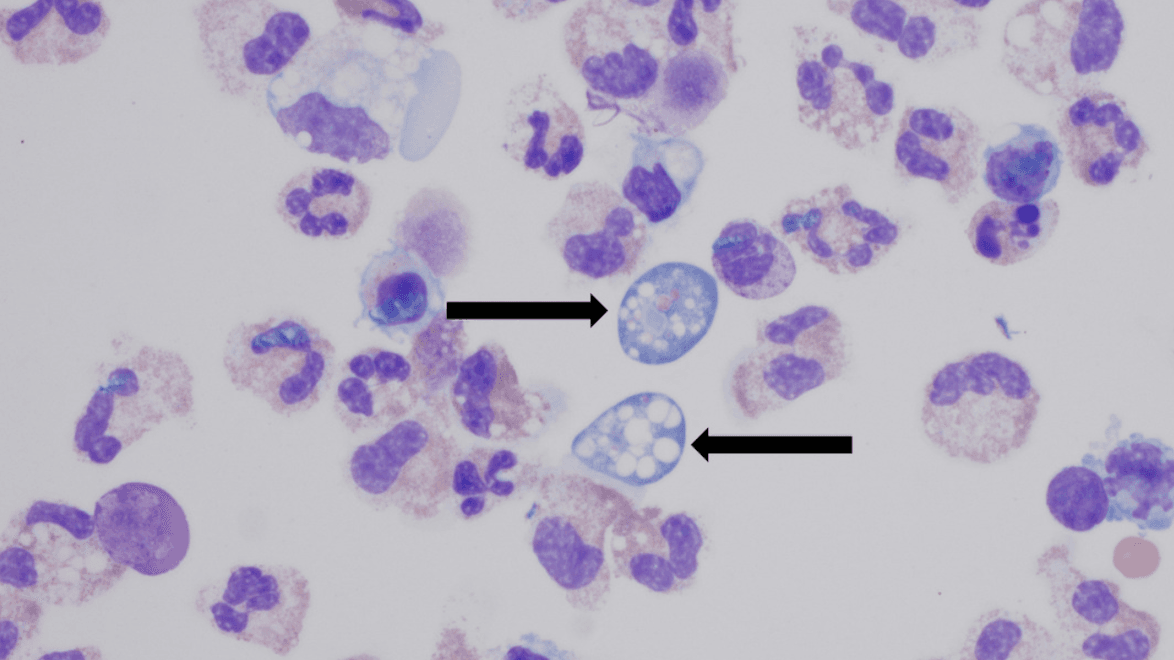
The infection occurs when contaminated water is forced up the nasal passages. Once inside the nose, the amoeba travels along the olfactory nerve, passing through the cribriform plate and into the brain. Once in the brain, the organism begins to consume tissue, causing massive inflammation and rapid neurological decline.
It is a common misconception that the infection can be contracted by drinking contaminated water. According to the CDC, the amoeba cannot cause illness if swallowed; the danger is strictly limited to the nasal cavity.
Disease Progression and Symptoms
The progression of PAM is notoriously fast, often leading to death within five to fifteen days of the onset of symptoms. The NCDHHS and CDC categorize the symptoms into two main stages:
Stakeholders and Community Impact
The death of Moises Ponce Mendoza has left a profound void in the Durham community. The water feature at El Futuro was not merely a decorative element; for many, it was a centerpiece of a “therapeutic garden” designed to foster community connection and mental health support.
Zamaya Strickland, a local resident, described the space as a community staple. “Literally, not even a few weeks ago, there’s kids in that little pond, waterfall, every single day,” Strickland told WRAL. She noted that the area was frequently used for charitable activities and social gatherings, adding that the current state of the site feels like “an empty, lost memory.”
El Futuro released a statement expressing their devastation, stating, “Our hearts are broken for the young boy who lost his life and for his family. We are committed to supporting his family and our community through this devastating loss. We will continue to fully cooperate with public health officials.”
While the organization has complied with the closure of the feature, the incident has sparked debate among residents regarding future safety. Some community members have called for more stringent physical barriers, noting that while “Keep Out” signs and orange cones are present, the area remains easily accessible to passersby.
What It Means for You: Safety and Prevention
While the risk of a brain-eating amoeba infection remains statistically very low, the Durham incident serves as a vital reminder for anyone interacting with freshwater environments. Public health experts emphasize that prevention is possible through simple, proactive measures.
Practical Safety Guidelines
If you are engaging in recreational activities involving freshwater—whether in a natural lake or a man-made splash pad—health officials recommend the following:
Counterpoints and Open Questions
The investigation has highlighted a significant tension between the claims made by the facility and the findings of health officials. El Futuro maintains that the water feature was regularly maintained using chlorine treatments and power washing. However, state investigators noted that the feature was “not effectively disinfected,” as evidenced by the presence of algae growth around the pump systems.
This discrepancy raises several critical questions:
What Happens Next
The future of the El Futuro water feature remains uncertain. As of September 2026, the site remains cordoned off, and there have been no official announcements regarding when, or if, the feature will be allowed to reopen.
Moving forward, local authorities are expected to focus on two fronts:
Frequently Asked Questions
Can you get a brain-eating amoeba infection by drinking contaminated water?
No. According to the CDC and NCDHHS, Naegleria fowleri cannot cause infection if it is swallowed. The organism must enter the body through the nasal passages to reach the brain. This is why nose clips and keeping your head above water are recommended safety measures.
What are the first signs of a Naegleria fowleri infection?
Initial symptoms typically include a severe headache, fever, nausea, and vomiting. Because these symptoms are common to many other illnesses, it is crucial to seek medical attention immediately if these symptoms occur after exposure to warm freshwater, especially if they are accompanied by a sudden onset.
Is the amoeba found in all freshwater?
Not all freshwater contains Naegleria fowleri, but it is found naturally in many warm freshwater environments, including lakes, rivers, and ponds. The risk increases significantly during hot weather when water temperatures rise, as the amoeba thrives in warmer conditions.
How common are these infections in the United States?
They are extremely rare. Between 1962 and 2024, there were only 167 reported cases nationwide. Despite their rarity, the infection is highly dangerous due to its extremely high fatality rate.
—
The death of Moises Ponce Mendoza is a tragic reminder of the hidden biological risks that can exist even in seemingly safe, community-focused environments
References
Featured image: Photo by Engin Akyurt on Pexels