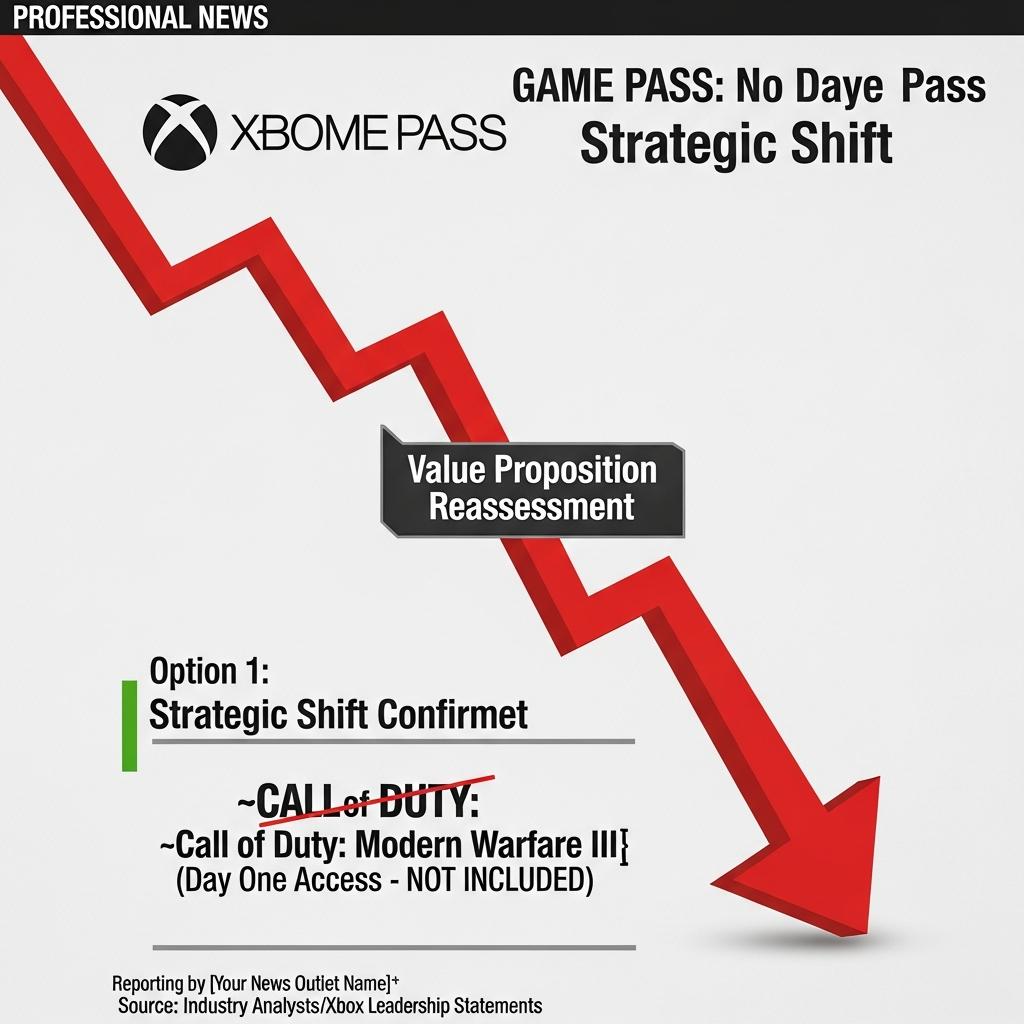
Xbox has announced a significant strategic pivot for its popular Game Pass subscription service, slashing prices just months after a controversial hike. However, this welcome affordability comes with a major caveat: new Call of Duty titles will no longer launch day-one on the platform, shifting instead to a deferred release model. This complex move sparks diverse reactions among gamers and analysts alike, signaling a recalibration of Xbox’s long-term strategy for balancing subscriber value and profitability.
Xbox Game Pass: Price Adjustments and the Call of Duty Shift
The recent announcement delivers a dual blow of good and challenging news for Xbox subscribers. The immediate relief comes from a reduction in Game Pass subscription fees, reversing a substantial increase from just six months prior. However, this comes at the cost of instant access to one of the biggest franchises in gaming.
A Swift Reversal: Game Pass Becomes More Accessible
Xbox is rolling back the cost of its subscription service, a move that comes after significant fan outcry over previous price hikes. In the UK, Game Pass Ultimate has dropped from £22.99 to a more palatable £16.99 per month, while PC Game Pass sees its price fall from £13.49 to £10.99 monthly. Similarly, in the US, Game Pass Ultimate is now $22.99 (down from $29.99), and PC Game Pass costs $13.99 (previously $16.49). These changes represent a substantial reversal, considering Microsoft had raised prices by over 50% in the preceding year, making the service an “unjustifiable expense” for many.
This decision was foreshadowed by an internal memo from new Microsoft Gaming CEO Asha Sharma, which acknowledged Game Pass had “become too expensive for players,” necessitating a “better value equation.” Christopher Dring, editor of The Game Business, highlighted the rarity of such price reductions in the subscription service market, noting that despite the cuts, Game Pass Ultimate still remains 35% more expensive than it was two years ago. This suggests a strategic effort to rebuild player trust while still aiming for a profitable model.
The Call of Duty Conundrum: A Delayed Arrival
While price cuts offer relief, the biggest shift impacts the highly anticipated Call of Duty franchise. Xbox confirmed that future Call of Duty games, such as the upcoming Black Ops 7 slated for 2025, will no longer be available on Game Pass on their release day. Instead, these blockbuster titles will be added to the premium Game Pass Ultimate and PC Game Pass tiers approximately “about a year” after their initial launch, typically during the subsequent holiday season. Existing Call of Duty games already in the Game Pass library will remain accessible to subscribers.
This makes Call of Duty a unique exception, as it will be the sole first-party Xbox franchise not launching directly into Game Pass. This policy adjustment underscores the immense commercial value of the Call of Duty franchise, which was a primary driver behind Microsoft’s monumental $68.7 billion acquisition of Activision Blizzard. The move aims to generate more direct revenue from individual game sales, especially considering the varied performance of recent titles like Black Ops 6 (record Game Pass subscriptions) and Black Ops 7 (reportedly lower sales and lukewarm reviews).
Decoding Xbox’s Strategic Pivot
These significant changes are not isolated incidents but rather components of a broader strategic re-evaluation within Microsoft’s gaming division. The goal is to address past missteps, respond to market pressures, and redefine the future of Game Pass.
Listening to Feedback, Rebuilding Trust
Xbox explicitly stated that these changes are a direct response to “a lot of feedback” from its player base. The acknowledgment that Game Pass had grown “too expensive” shows a direct attempt to listen to customer sentiment and correct course. However, the decision also creates a “trust issue” for some, who worry about the potential removal of other first-party games from day-one Game Pass access in the future.
This strategic adjustment follows a turbulent period for Xbox, marked by industry-wide layoffs, cancelled projects, and fan backlash over decisions like publishing formerly exclusive titles on rival consoles. Christopher Dring views the price cut as a crucial effort to “regain fans’ trust” amid these ongoing challenges. The company needs to demonstrate a renewed commitment to value and transparency to solidify its position in the competitive gaming market.
Evolving Revenue Models: Beyond Subscriptions
Business professor Joost van Dreunen speculates that under Asha Sharma’s leadership, Xbox may increasingly “rely much more heavily on advertising” rather than solely on subscriptions or content sales for revenue. He suggests that Xbox could evolve into a “scaled platform business, monetizing audience attention rather than just access to content.” This indicates a shift towards a more diversified revenue model, moving beyond the traditional “Netflix of gaming” analogy.
Asha Sharma, a former AI executive at Microsoft who started her new role in February, has stated her mission to “understand what makes this work and protect it,” and to “evolve Game Pass into a more flexible system.” This long-term vision suggests ongoing experimentation with how Game Pass delivers value and generates income. Financial reports reinforce this need for change, showing a 5% year-on-year decline in content and services revenues, and a 32% drop in hardware revenues for Microsoft’s gaming division.
Who Wins and Who Loses? Player Perspectives and Impact
The impact of Xbox’s announcement will vary significantly depending on individual player habits and priorities. While some celebrate increased affordability, others express disappointment over restricted access to key titles.
Casual Gamers Rejoice
For many casual gamers, the price reduction is a welcome development. Chantelle Parker, a streamer known as Chantelle Plays, expressed that the price cut is a “big win” for those who no longer have to “subsidise the Call of Duty addition.” She highlighted that Game Pass becoming “a lot more accessible to a lot more people” is a significant positive, especially as “everything else is going up” in price. Long-term Game Pass Ultimate subscribers also stand to benefit, with potential annual savings that could offset the cost of purchasing a new Call of Duty game separately. This group values the vast library of games at a more affordable monthly rate, making the service more attractive for exploring diverse titles.
The Day-One Call of Duty Fan’s Dilemma
Conversely, the “big losers” from this shift are gamers who previously subscribed to Game Pass for short periods specifically to play the latest Call of Duty titles at launch. Christopher Dring emphasizes that these players now face a choice: either exercise patience and wait for the game to arrive on Game Pass a year later, or purchase the game outright at full price.
For dedicated Call of Duty fans like Chantelle Parker, this change may have minimal impact, as many are accustomed to buying new editions separately anyway. However, for those who relied on Game Pass for immediate access, this policy marks a significant inconvenience. There has been some unconfirmed speculation within the industry about the potential introduction of a new, higher-level Game Pass tier or an add-on specifically designed to provide day-one access to Call of Duty titles, though Xbox has not made any official announcements regarding such an offering.
The Road Ahead for Xbox Game Pass
The recent changes signal a pivotal moment for Xbox Game Pass, hinting at a future that embraces flexibility and diverse monetization strategies. Microsoft is clearly navigating a complex landscape, aiming to keep its popular service attractive while ensuring its financial viability.
A Hybrid Future?
Under Asha Sharma’s vision, the “evolution of Game Pass into a more flexible system” could mean a future with more tiered options or even add-on purchases for specific blockbuster titles. This hybrid model would allow Xbox to cater to a broader range of player preferences, from those seeking maximum value in a diverse library to dedicated fans willing to pay more for immediate access to marquee releases. The development of a new console, code-named Project Helix, also underscores Xbox’s “commitment to the return of Xbox,” indicating that hardware innovation remains a core part of its strategy alongside subscription services. However, the path isn’t without hurdles. The Game Business editor Christopher Dring expresses skepticism that price drops alone will re-engage lapsed players, suggesting that Xbox will need to heavily lean on upcoming major first-party game releases like Forza, Fable, Halo, and Gears of War to truly drive growth and enthusiasm.
Balancing Value and Profitability
Ultimately, Xbox’s challenge lies in finding the optimal balance between offering compelling value to subscribers and maintaining sustainable profitability. The company acknowledges that “there isn’t a single model that’s best for everyone,” indicating a willingness to experiment. By adjusting prices and segmenting access to high-demand titles like Call of Duty, Xbox is attempting to diversify its revenue streams and appeal to different segments of its audience. This ongoing strategic recalibration reflects Microsoft’s commitment to adapting Game Pass for long-term viability and player satisfaction in an ever-changing gaming industry.
Frequently Asked Questions
Why did Xbox cut Game Pass prices and change Call of Duty access?
Xbox made these changes primarily to address player feedback that the service had become “too expensive,” as acknowledged by Microsoft Gaming CEO Asha Sharma. The price cuts aim to increase accessibility and rebuild trust after previous price hikes. The decision to remove day-one Call of Duty access, however, is a strategic move to generate more direct revenue from this highly valuable franchise, which was a key driver of the Activision Blizzard acquisition. It allows Xbox to balance subscriber value with individual game sales profitability.
Which Game Pass tiers are affected by the price changes, and what are the new costs?
The price adjustments apply to Game Pass Ultimate and PC Game Pass. In the UK, Game Pass Ultimate dropped from £22.99 to £16.99 per month, and PC Game Pass from £13.49 to £10.99. In the US, Game Pass Ultimate is now $22.99 (down from $29.99), and PC Game Pass costs $13.99 (previously $16.49). These changes reverse a significant price increase from six months prior. Xbox noted that existing Call of Duty titles in the library remain accessible, but new releases will arrive about a year after launch.
Should I continue my Game Pass subscription if I primarily use it for new Call of Duty games?
If your primary reason for subscribing to Game Pass was day-one access to new Call of Duty titles, you might need to reconsider. New Call of Duty games will now be added to Game Pass approximately a year after their initial release. You would either need to wait a year to play them on Game Pass or purchase them separately at full price upon launch. For dedicated Call of Duty fans, buying the game outright might be the preferred option, potentially making a Game Pass subscription less essential for that specific intent, though it still offers a vast library of other games.
In conclusion, Xbox’s latest Game Pass announcement presents a nuanced shift in its subscription strategy. The price cuts offer a welcome return to affordability for many gamers, directly responding to consumer feedback and an internal acknowledgment that the service’s cost had become a barrier. However, the simultaneous decision to delay day-one access for new Call of Duty titles marks a significant strategic pivot, highlighting Microsoft’s evolving approach to balancing subscriber value with direct revenue generation from its biggest franchises. This move underscores a broader effort by Xbox to create a more flexible, sustainable Game Pass model while navigating a dynamic and challenging gaming industry landscape.