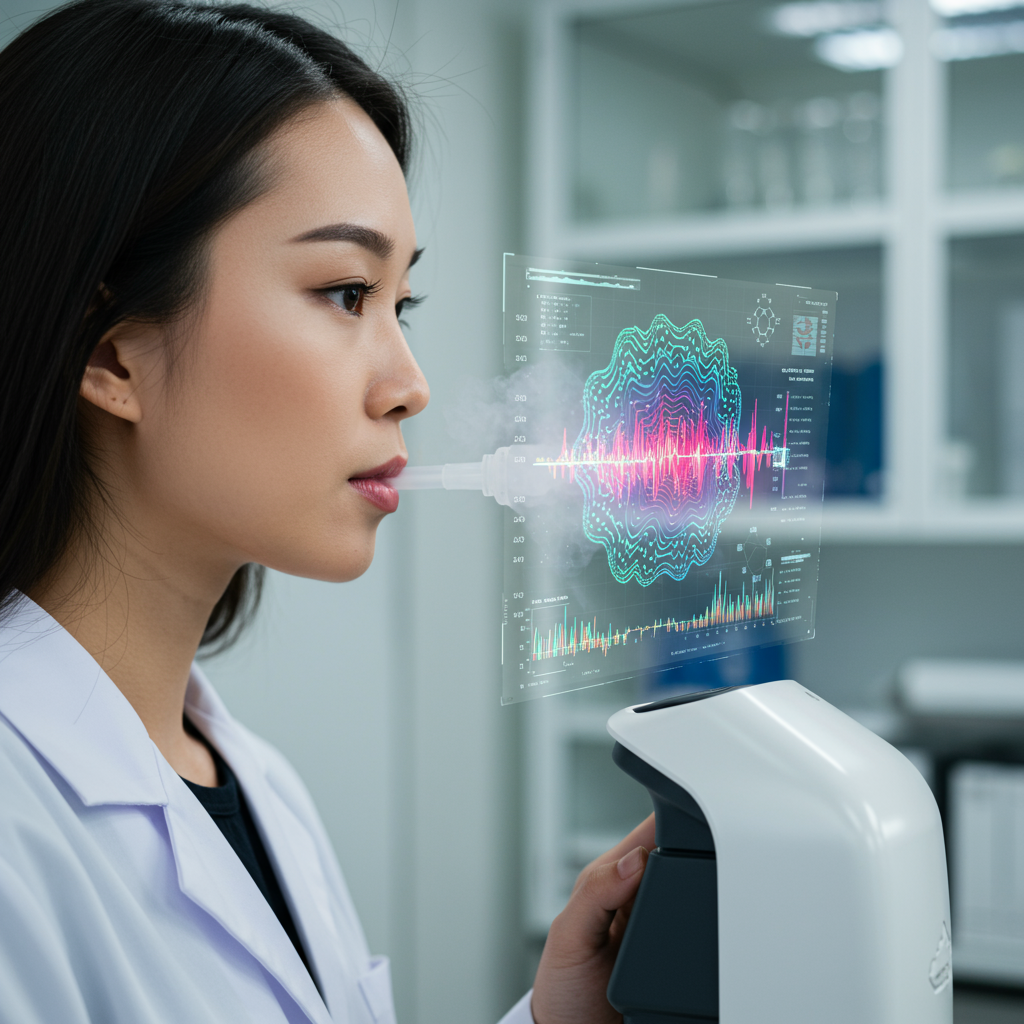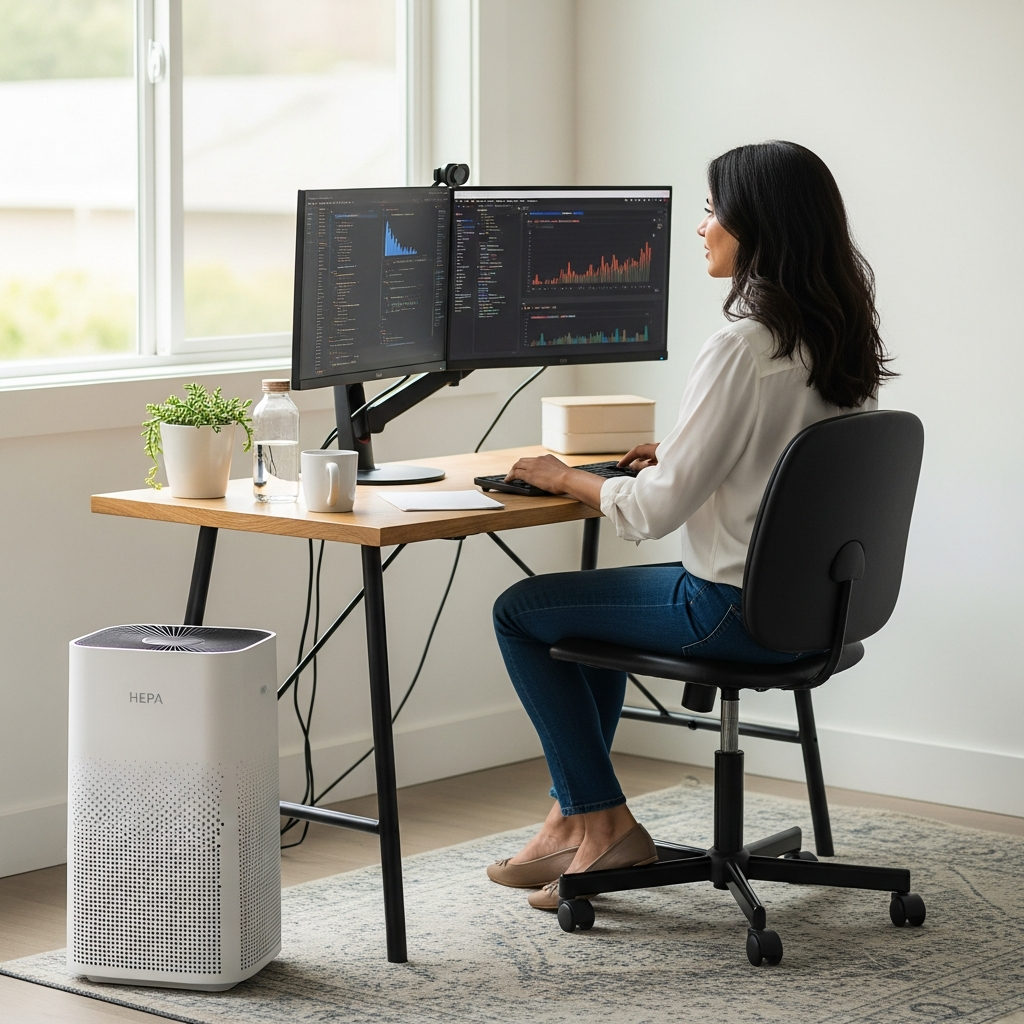
Groundbreaking new research suggests that utilizing HEPA air purifiers at home could significantly enhance cognitive function in adults, particularly those aged 40 and above. This exciting development offers a crucial intervention against the detrimental impacts of air pollution on brain health, proposing a simple yet effective way to sharpen mental agility. Imagine gaining a cognitive edge comparable to increasing your daily exercise – all by improving the air you breathe indoors.
Published in Scientific Reports, a recent study co-authored by environmental health experts reveals that just one month of using an in-home HEPA purifier led to a noticeable improvement in brain performance for middle-aged and older adults. This discovery is especially vital as studies increasingly link air pollution to impaired mental function and long-term neurological conditions. Understanding this connection is paramount for maintaining cognitive vitality as we age.
The Alarming Link Between Air Pollution and Brain Health
Air pollution isn’t just a concern for respiratory or cardiovascular health; its insidious effects extend directly to our brains. Particulate matter (PM), tiny airborne particles, can negatively impact mental function after even just a few hours of exposure. This exposure has been firmly connected not only to illnesses like asthma and heart disease but also to severe neurological conditions such as Alzheimer’s and Parkinson’s. The air we breathe silently influences our cognitive destiny.
Environmental health researchers are increasingly advocating for the use of HEPA air purifiers in homes. HEPA, standing for High-Efficiency Particulate Air, technology is designed to remove a vast majority of these harmful particulate matters from indoor environments. While air purifiers are proven to reduce particulates, direct evidence of their ability to prevent cognitive harm from ongoing pollution sources, particularly in vulnerable populations, has been limited – until now.
Unpacking the Breakthrough Study on Cognitive Enhancement
The recent study, a collaborative effort by experts, aimed to bridge this knowledge gap. Researchers analyzed data from 119 individuals aged 30 to 74 residing in Somerville, Massachusetts. This location was strategically chosen due to its high levels of traffic-related air pollution, situated along major highways like Interstate 93 and Route 28. Such environments serve as ideal natural laboratories for observing the health impacts of air quality interventions.
Participants were divided into two groups in a clever crossover design. One group used a genuine HEPA air purifier for one month, followed by a month-long break, then a “sham” purifier (identical in appearance but lacking the air-cleaning filter) for another month. The second group followed the reverse sequence. This meticulous approach ensured a fair comparison, isolating the effects of the HEPA filtration.
Measuring Mental Agility: What Improved?
After each month of using either the real or sham purifier, participants underwent a comprehensive test assessing various aspects of their mental capacity. The evaluation probed visual memory and motor speed by timing how quickly individuals could connect sequential numbers. More importantly, it measured executive function and mental flexibility – crucial skills for daily life – by asking participants to draw lines between alternating sequential numbers and letters.
The results were compelling, particularly for participants aged 40 and older, who comprised about 42% of the study sample. On average, this group completed the section testing mental flexibility and executive function a remarkable 12% faster after using the HEPA purifier compared to the sham purifier. This improvement held true even when accounting for factors like indoor time and perceived test stress, underscoring the purifier’s direct influence.
Why a “Small” Improvement is Actually a Big Deal
While a 12% boost might seem modest, its implications are profound. This level of cognitive benefit is actually comparable to what individuals experience from regularly increasing their daily physical exercise. It’s not about a sudden jolt of clarity, but rather a vital intervention in preventing cognitive decline – a cornerstone for long-term well-being. Even minor decreases in cognitive functioning can be linked to a higher risk of mortality over time.
This discovery is particularly significant for populations living near major roadways, who face disproportionately higher rates of air pollution exposure and related diseases. Moreover, the study highlights critical health disparities, as low-income individuals and people of color are statistically more likely to reside in these heavily polluted areas. The findings suggest HEPA air purifiers offer a meaningful health benefit in these high-risk circumstances.
The Mechanism: How Air Purifiers May Protect Our Brains
The exact biological pathway through which HEPA air purifiers enhance cognition is still an area of active investigation. However, current research points to a compelling hypothesis involving the brain’s white matter. White matter is essential for transmitting electrical signals between brain cells and maintaining vital connections across different brain regions. It’s the brain’s superhighway for information flow.
Some studies suggest that prolonged exposure to particulate matter can actually reduce the amount of this crucial white matter. Intriguingly, the brain regions most vulnerable to air pollution-induced harm are precisely those controlling mental flexibility and executive function – the very domains where the recent study observed improvements. This alignment strengthens the theory that purifiers may protect or even restore white matter integrity.
Future Research: Unlocking More Answers
Despite these promising findings, several questions remain open for future research. The study’s authors acknowledge that air pollution’s negative effects on cognitive function tend to intensify around age 40 and become more prominent with increasing age. Therefore, HEPA air purifiers could be especially beneficial for older adults. However, with fewer than 10 participants over 60 in the current study, this demographic requires further exploration.
The duration of the intervention is another key consideration; participants used HEPA purifiers for only one month. It’s plausible that longer periods of air purification could sustain or even further amplify the observed improvements in cognitive function. Future studies plan to delve deeper into the biochemical mechanisms, examining how levels of metabolites – molecules produced by cells – change in response to breathing purified air versus polluted air. This research could illuminate whether reducing particulate matter truly protects white matter and might even reverse some existing cognitive decline.
Practical Steps for Better Indoor Air Quality
Understanding the impact of indoor air quality on brain health empowers us to take proactive steps. For adults, especially those over 40, integrating a HEPA air purifier into your home environment could be a simple yet impactful strategy for cognitive wellness. It’s not just about filtering out allergens or odors; it’s about creating a cleaner, healthier space for your brain to thrive.
Beyond purifiers, consider other aspects of indoor air quality. Regular ventilation, reducing indoor pollutants from candles or cleaning products, and maintaining proper humidity levels all contribute to a healthier home environment. Investing in your indoor air is investing in your long-term cognitive vitality.
Frequently Asked Questions
How exactly do HEPA air purifiers boost brain function, according to this research?
HEPA air purifiers primarily boost brain function by removing microscopic particulate matter (PM) from the air. Exposure to PM has been linked to negative impacts on brain health, potentially reducing brain white matter which is crucial for electrical signal transmission and maintaining brain region connections. By filtering out these harmful particles, HEPA purifiers may protect the brain from damage, thereby preserving or improving cognitive abilities like mental flexibility and executive function. The study observed a 12% improvement in these areas.
What specific cognitive skills improved for adults over 40 in the HEPA purifier study?
The study specifically found improvements in cognitive skills related to mental flexibility and executive function for participants aged 40 and older. These were measured by tasks requiring individuals to draw lines between alternating sequential numbers and letters, assessing their ability to switch between tasks and manage cognitive resources efficiently. While visual memory and motor speed were also probed, the most significant improvement (12% faster completion time) was observed in mental flexibility and executive function after one month of HEPA air purifier use.
Based on the new findings, who might benefit most from using a HEPA air purifier for cognitive health?
Based on the new findings, adults aged 40 and older, particularly those living in areas with high levels of air pollution (such as near major highways), might benefit most from using a HEPA air purifier for cognitive health. The study showed a significant 12% improvement in mental flexibility and executive function for this age group. Given that air pollution’s negative effects on cognition tend to intensify around age 40, and the connection between air quality and health disparities, HEPA purifiers offer a meaningful intervention for maintaining long-term cognitive well-being in vulnerable populations.
Investing in Your Cognitive Future
The evidence is mounting: the quality of the air we breathe has a direct, measurable impact on our brain health. This pioneering research on HEPA air purifiers and cognitive function in adults over 40 offers a tangible, actionable step towards safeguarding our mental faculties. As we navigate an increasingly polluted world, taking control of our indoor air quality isn’t just a comfort – it’s an investment in a sharper, healthier future. Consider exploring HEPA air purification as a cornerstone of your proactive health strategy.