
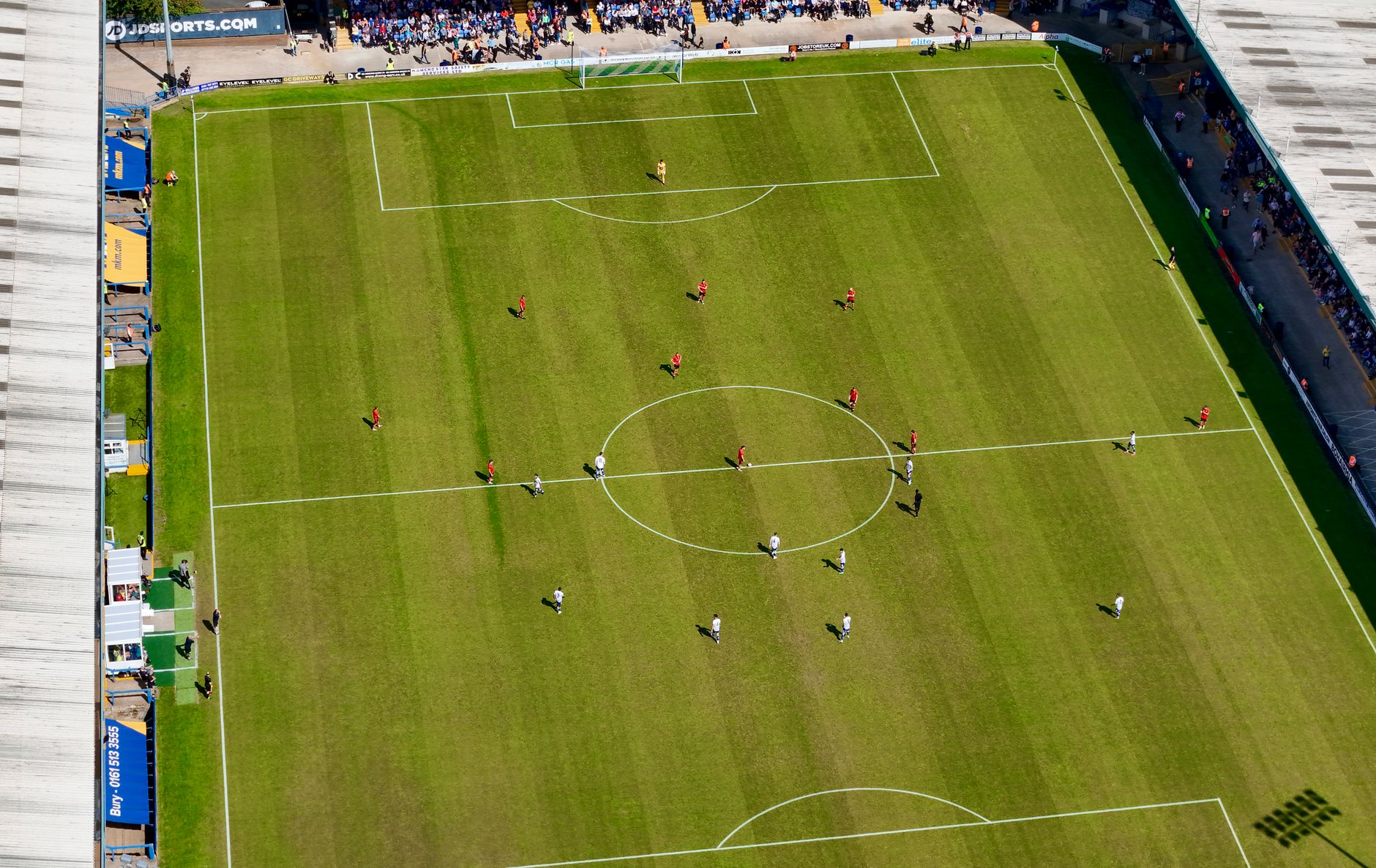
The Detroit Lions snap counts from Week 9 provide a detailed look at a roster undergoing significant structural shifts following a hard-fought 19-9 victory over the Miami Dolphins at Hard Rock Stadium. While the win moved the team to a 6-2 record, the underlying data reveals a squad heavily reliant on a shrinking core of healthy starters due to a wave of injuries across the defensive unit and a sudden disciplinary benching on the offensive line.
Key Takeaways
- Roster Resilience: Despite losing key defensive players to injury, the Lions secured a 19-9 road win, moving to 6-2 on the season.
- Defensive Overload: Injuries to Jack Campbell, Jimmy Rolder, and D.J. Wonnum forced massive increases in snap counts for Malcolm Rodriguez (96%) and rookie Derrick Moore (58%).
- Offensive Line Volatility: Starting left guard Christian Mahogany was benched for a violation of team rules, forcing Miles Frazier into a starting role.
- Historical Milestones: Quarterback Jared Goff played 100% of offensive snaps and tied Hall of Famer Bobby Layne for the second-most wins in franchise history with 54.
- Rookie Impact: Defensive end Derrick Moore recorded his first two career sacks, capitalizing on increased playing time.
What Happened in Week 9
On November 9, 2026, the Detroit Lions traveled to Miami to face the Dolphins in a matchup defined by defensive grit rather than offensive explosion. According to reports from Erik Schlitt, the Lions had to “finesse” their roster heading into the contest, managing a series of injuries sustained during Week 8 and an unexpected change to the starting offensive line.
The Lions ultimately secured a 19-9 victory, but the scoreline belies the tactical adjustments required to keep the defense functional. The team entered the game facing significant absences, most notably with Jack Campbell and Jimmy Rolder moving to Injured Reserve (IR), and cornerback D.J. Reed sidelined with a hip injury. These absences, combined with the absence of rush end D.J. Wonnum, necessitated a complete restructuring of the defensive rotation.
Why It Matters: The Depth Crisis
The importance of the Week 9 Detroit Lions snap counts lies in what they reveal about the team’s current margin for error. When key starters like Campbell and Rolder are removed from the equation, the workload for remaining players increases to levels that may not be sustainable throughout a full season.
On the defensive side, the data shows a heavy reliance on a few high-volume players. Safety Brian Branch and veteran Chuck Clark both played 100% of the defensive snaps (57 snaps each). While Clark’s veteran presence was rewarded with an interception, the lack of significant rotation at the safety position suggests that the coaching staff is prioritizing stability over rest. Similarly, linebacker Derrick Barnes played 100% of the snaps, acting as the primary play-caller in the green dot helmet.
On the offensive side, the stability at quarterback is a bright spot. Jared Goff played every offensive snap (59), providing the continuity needed to navigate a game where the offensive line was in flux. However, the benching of Christian Mahogany at left guard introduces a new variable. Coach Dan Campbell confirmed the decision was due to a violation of team rules, stating, “That was team rules (for) Mahogany. It was really that simple. Miles deserved his opportunity, so he got it.”
Defensive Rotation: A New Look
The Lions’ defensive identity underwent a forced transformation in Miami. With the loss of Wonnum and the move of Campbell to IR, the coaching staff had to lean heavily on younger talent and situational specialists.
The Pass Rush Shift
The most notable emergence came from rookie defensive end Derrick Moore. Stepping into the role vacated by Wonnum, Moore played 58% of the defensive snaps (33 snaps). The move proved highly effective; per PFF data, Moore registered five pressures and recorded the first two sacks of his NFL career. He split his duties alongside Aidan Hutchinson, who remained the anchor of the unit with 89% of the snaps (51 snaps).
Linebacker and Secondary Adjustments
In the linebacker corps, Malcolm Rodriguez became the workhorse. Filling the void left by the IR moves, Rodriguez played 96% of the snaps (55 snaps) and was credited with leading the team in tackles. This high volume of work highlights the immediate necessity of Rodriguez as a cornerstone of the linebacker rotation.
In the secondary, the absence of D.J. Reed forced Rock Ya-Sin back into the starting lineup. Ya-Sin saw a significant uptick in responsibility, playing 67% of the snaps (38 snaps) opposite Roger McCreary, who played 98% of the snaps. The Lions also integrated recent practice squad signing Nick Whiteside, who saw late-game reps, signaling an attempt to build depth in a depleted unit.
| Position | Player | Snaps | Snap % | Role/Notes |
|---|---|---|---|---|
| DL | Aidan Hutchinson | 51 | 89% | Primary Edge |
| DL | Alim McNeill | 45 | 79% | Interior Anchor |
| DL | Derrick Moore | 33 | 58% | Rookie/Wonnum replacement |
| LB | Derrick Barnes | 57 | 100% | Play-caller (Green Dot) |
| LB | Malcolm Rodriguez | 55 | 96% | Primary Tackler |
| CB | Roger McCreary | 56 | 98% | Perimeter CB |
| CB | Rock Ya-Sin | 38 | 67% | Starter/Reed replacement |
| S | Brian Branch | 57 | 100% | Starting Safety |
| S | Chuck Clark | 57 | 100% | Veteran Safety/Interception |

Offensive Stability Amidst Line Turbulence
While the defense was forced into a “new look,” the offense maintained a level of consistency through its core playmakers. Jared Goff continues to be the engine of the Detroit offense, and his performance in Miami helped him reach a significant milestone. By securing the win, Goff tied Hall of Fame quarterback Bobby Layne for the second-most wins in Lions history with 54, trailing only Matthew Stafford (74).
The Offensive Line Challenge
The most pressing concern for the offense moving forward is the stability of the interior line. Miles Frazier stepped in at left guard to replace the benched Christian Mahogany. While Frazier managed to settle in during the second half of the game, his first-half performance was marred by multiple penalties and quick beats.
As the Lions look toward future matchups, the ability of the offensive line to protect Goff and create lanes for the running game will depend on whether Mahogany can return to the lineup or if Frazier can cement his role. The presence of Juice Scruggs (100% snaps) and Tate Ratledge (100% snaps) provides a solid foundation, but the left guard position remains a point of vulnerability.
Backfield and Receiving Dynamics
In the backfield, the Lions appear to be managing Jahmyr Gibbs’ workload carefully. Gibbs played 68% of the offensive snaps (40 snaps), with the team opting to distribute touches to Sione Vaki, who played 32% of offensive snaps (19 snaps). This rotation may be a strategic move to preserve Gibbs’ health as the season progresses.
In the receiving corps, the hierarchy remains largely intact. Jameson Williams (83%) and Amon-Ra St. Brown (75%) continue to lead the group, while Isaac TeSlaa (53%) has emerged as a reliable third option. The usage of Tay Martin and DeAndre Carter remains limited to situational packages, though Carter secured his first catch of the season during the contest.
What It Means for You
Depending on your relationship with the Detroit Lions, the outcomes of Week 9 carry different implications:
- If you are a Fantasy Football Manager: Monitor the usage of Malcolm Rodriguez and Derrick Moore. Rodriguez’s high tackle volume makes him a potential high-floor option in IDP (Individual Defensive Player) leagues. Additionally, Jahmyr Gibbs remains a primary target, but the increased involvement of Sione Vaki suggests a potential touchdown-dependent role for the backup.
- If you are a Detroit Lions Season Ticket Holder: Expect the defensive unit to remain a topic of intense discussion. The reliance on high-snap players like Brian Branch and Chuck Clark could lead to fatigue-related issues later in the season if the injury list continues to grow.
- If you are a Sports Bettor: The Lions’ ability to win “ugly” (19-9) suggests a team that can win even when the offense is not at peak efficiency. However, the instability of the offensive line and the depleted secondary may make them more vulnerable in high-scoring shootouts.
Counterpoints and Open Questions
Despite the victory, several questions remain that could impact the Lions’ trajectory in the second half of the season.
First, there is the question of offensive efficiency. While the defense was praised for carrying the team, some reports suggested the offense was “sluggish” during the contest. If the offensive line cannot find consistency, can the defense continue to hold opponents to low scores indefinitely?
Second, the disciplinary benching of Christian Mahogany raises questions about team culture and depth. While Coach Campbell was clear about the reason, the immediate impact on the line’s cohesion is undeniable. Can the Lions afford to lose a starting-caliber guard to non-football issues during a playoff push?
Finally, the health of the secondary is a major unknown. D.J. Reed’s hip injury and the subsequent workload for Rock Ya-Sin and Khalil Dorsey present a significant risk. If Reed cannot return soon, the Lions may be forced to rely even more heavily on practice squad elevations and rookies, potentially exposing the team to explosive passing attacks.
What Happens Next
As the Lions prepare for their upcoming schedule, several key developments to watch include:
- The Return of Christian Mahogany: Will he be reintegrated into the starting lineup, or will the team move forward with Miles Frazier?
- The Status of D.J. Reed: The medical timeline for Reed’s hip injury will determine how much pressure is placed on the secondary rotation.
- Defensive Line Rotation: Will the success of Derrick Moore lead to a more permanent role for him, or will the team prioritize veteran depth to mitigate injury risks?
- Offensive Line Continuity: Can the unit stabilize to provide Jared Goff with more time in the pocket, reducing the reliance on short, quick-strike plays?
Frequently Asked Questions
Why was Christian Mahogany benched by the Detroit Lions?
According to head coach Dan Campbell, Christian Mahogany was benched following a violation of team rules. Campbell did not specify the exact nature of the violation but stated that the decision was made to ensure the team adhered to its established standards and that the opportunity was given to Miles Frazier as a result.
How did Derrick Moore perform in Week 9?
Derrick Moore had a breakout performance in Week 9. Stepping in for the injured D.J. Wonnum, the rookie played 58% of the defensive snaps (33 snaps). He recorded five pressures and earned his first two career NFL sacks, significantly contributing to the Lions’ defensive success against the Dolphins.
Who is replacing Jack Campbell on the Detroit Lions roster?
With Jack Campbell moving to Injured Reserve (IR), Malcolm Rodriguez has stepped into a primary role. Rodriguez played 96% of the snaps (55 snaps) in the Week 9 game against the Dolphins and was a leading tackler for the team during the contest.
What is Jared Goff’s historical significance to the Lions?
With the victory over the Miami Dolphins, Jared Goff has achieved 54 wins as a member of the Detroit Lions. This total ties him with Hall of Fame quarterback Bobby Layne for the second-most wins in the franchise’s history, trailing only Matthew Stafford, who holds the record with 74 wins.
Summary
The Detroit Lions’ 19-9 win over the Dolphins is a testament to a roster that can adapt under pressure. However, the Detroit Lions snap counts reveal a team operating on a razor’s edge, with heavy workloads for veterans and a reliance on rookies to fill critical gaps. As injuries to key personnel like Jack Campbell and D.J. Reed persist, the team’s ability to maintain this winning momentum will depend on the development of its depth and the stability of its offensive line.
References
- Lions Snap Counts Against Dolphins Examines New Defensive Rotation — sports.yahoo.com
- Lions snap counts: Malcolm Rodriguez, Rock Ya-Sin step up vs. Dolphins — prideofdetroit.com
