The upcoming surge in Venus morning visibility provides A rare and spectacular opportunity for stargazers to witness a brilliant celestial alignment in the predawn sky throughout November 2026. As the planet moves from its recent inferior conjunction into a period of intense morning prominence, observers can expect to see a dazzling white light appearing low in the east-southeast sky just before the break of dawn.
Key Takeaways
- Major Celestial Event: A rare conjunction featuring Venus, a thin 3%-illuminated crescent Moon, and the star Spica will occur in the predawn hours of November 7, 2026.
- Peak Brilliance: Venus is projected to reach its maximum brightness on November 29, 2026, achieving a magnitude of -4.9.
- Optimal Viewing Window: For the November 7 event, observers should look toward the east-southeast approximately 60 minutes before local sunrise.
- Visual Phenomenon: The thin Moon may exhibit “earthshine,” where sunlight reflected from Earth illuminates the Moon’s dark side.
- Ease of Observation: No specialized telescopes are required to view this event, though binoculars may enhance the experience of seeing the lunar details.
What Happened: The Rise of the Morning Star
In late October 2026, the planet Venus underwent a significant orbital shift. According to reports from astronomy columnist Joe Rao, Venus reached inferior conjunction on October 24, passing directly between the Earth and the Sun. This orbital position caused the planet to transition from the evening sky into the morning sky, effectively “vaulting up” into its new position for observers on Earth.
Since that transition, the planet has become increasingly prominent to early morning commuters and stargazers alike. What was virtually invisible just a few weeks ago has transformed into a commanding, star-like object that appears low in the east-southeast sky. This increase in Venus morning visibility is part of a predictable celestial cycle, but the intensity of its upcoming appearance makes it a standout event for the year.
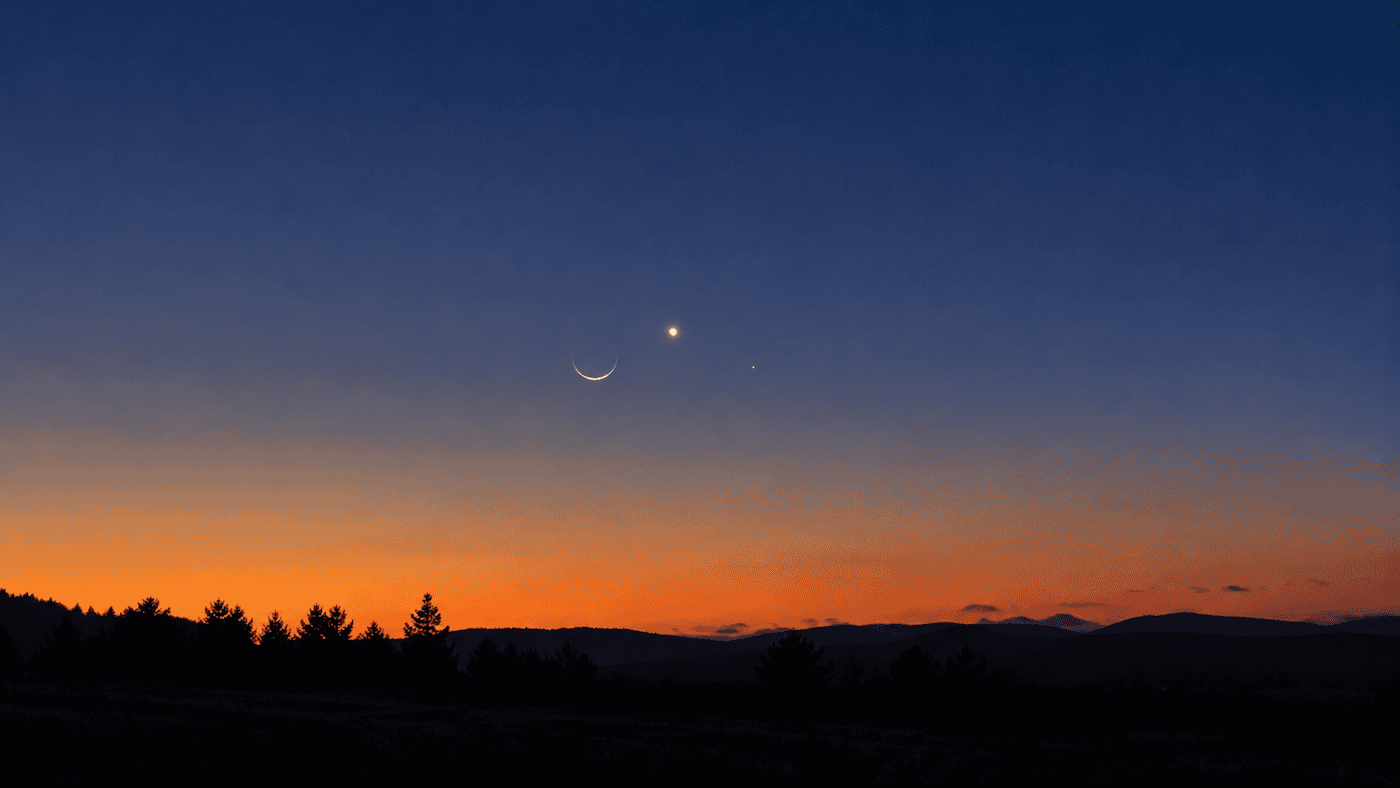
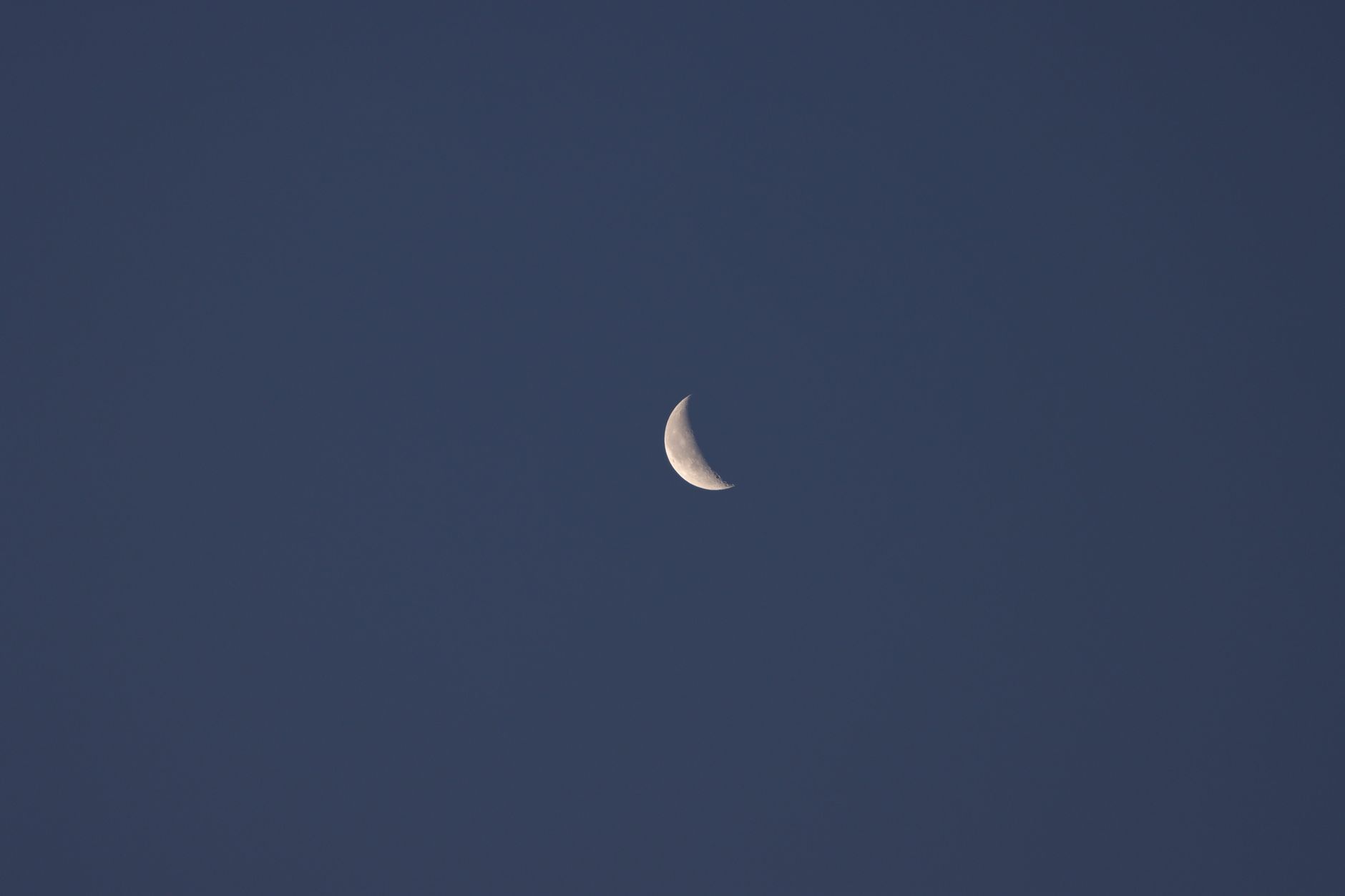
On the morning of November 7, 2026, this visibility will culminate in a striking conjunction. During this event, Venus will appear in close proximity to a very slender, fading sliver of a waning crescent Moon. Adding to the visual complexity, the bright star Spica, located in the constellation Virgo, will also appear near this pairing, creating a trio of celestial objects that appear to occupy the same small patch of the sky.
Why It Matters: A Rare Visual Spectacle
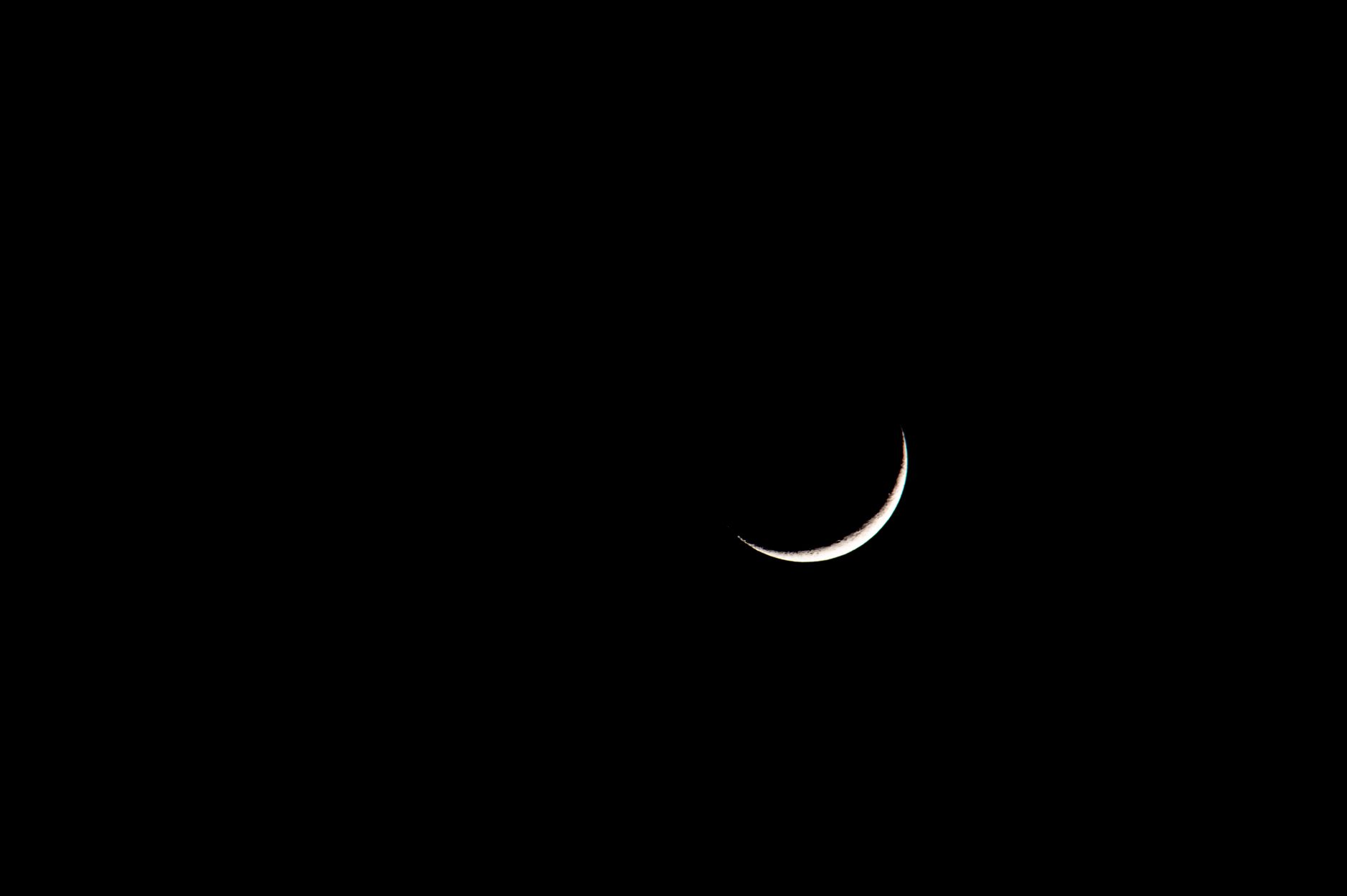
While planetary movements are constant, the specific alignment of Venus, the Moon, and Spica offers a unique educational and aesthetic moment. The event is significant due to the extreme contrast between the participants. Venus is described by astronomical observers as an “exceptionally bright, steady white light,” while the Moon will be reduced to an extraordinarily thin crescent, illuminated by only about 3% of its Earth-facing surface.
This high-contrast pairing allows for the observation of several astronomical phenomena that are often difficult to catch. For instance, the proximity of the bright planet to the dim Moon provides a perfect backdrop to witness “earthshine.” This phenomenon, which NASA explains as sunlight bouncing off the Earth and onto the Moon, can make the dark portion of a crescent Moon appear as a “faint, ghostly gray circle” surrounding the sunlit sliver.
Furthermore, the event serves as a practical demonstration of the concept of a “conjunction.” While the objects will appear to be touching or nearly touching from our perspective on Earth, they remain vast distances apart in space. This visual illusion is a fundamental concept in observational astronomy.
The Mechanics of Venusian Brilliance
To understand why Venus morning visibility is reaching such extreme levels, one must look at the planet’s physical characteristics. Unlike stars, which produce their own light, Venus is visible because it reflects sunlight. The planet is covered in a thick, highly reflective layer of clouds, which gives it an exceptionally high albedo.
As Venus moves through its orbit, its distance from both the Sun and the Earth changes, as does the angle at which we view its cloud tops. The current phase is leading toward a peak of brilliance on November 29, 2026. At this peak, Venus will reach a magnitude of -4.9. To put this in perspective, the following table compares the projected brightness of Venus during its peak to other prominent celestial bodies:
| Celestial Object | Magnitude (Approximate) | Brightness Comparison |
|---|---|---|
| Venus (Peak) | -4.9 | **The Benchmark |
| Jupiter | ~ -2.5 | 12 times dimmer than Venus |
| Sirius (Brightest Star) | ~ -1.46 | 25 times dimmer than Venus |
This extreme magnitude means that in areas with minimal light pollution, Venus may even cast a visible shadow on the ground. Even as the sun begins to rise, the planet will remain visible to the naked eye as a tiny, unmistakable white speck against the brightening blue daytime sky.
Deep-Dive: The November 7 Conjunction and Spica
While Venus and the Moon are the primary attractions of the November 7 event, the inclusion of Spica adds a layer of stellar context. Spica is the brightest star in the constellation Virgo and serves as a fixed point of reference in the sky. Although it will appear to be part of the Venus-Moon grouping, it is physically located approximately 250 light-years away from our solar system.
The Geometry of the Alignment
The angular separation between Venus and the Moon during this conjunction is estimated to be roughly one degree. For a practical way to measure this, an observer can hold their little finger at arm’s length; the width of that finger covers approximately one degree of the sky. This close proximity is what creates the sense of a “meeting” between the planet and the satellite.
Timing and Direction
Precision is key for observing the November 7 conjunction. Because the grouping will be positioned low on the eastern horizon, it is susceptible to being obscured by local geography.
- Direction: East-southeast.
- Timing: Approximately 60 minutes before local sunrise.
- Obstructions: Observers should avoid areas with tall buildings, dense tree lines, or hilly terrain that might block the low-altitude view.
What It Means for You
Whether you are a seasoned astronomer or a casual observer, the upcoming weeks offer different levels of engagement.
For the Casual Observer and Commuter
If you are an early riser heading to work or school, you do not need any equipment to enjoy this. Simply look toward the east before the sun comes up. The brilliance of Venus is so intense that it can be spotted even in suburban environments with moderate light pollution. It is an easy way to connect with the cosmos during a routine morning.
For Amateur Astronomers and Hobbyists
If you own binoculars, the November 7 event is highly recommended. While a telescope is not necessary for the planet or the Moon, binoculars will help you resolve the details of the lunar crescent and more clearly observe the “earthshine” effect. If you have a star map or a mobile astronomy app, use it to locate Spica to complete the trio.
For Families and Students
This is an excellent opportunity for hands-on science education. You can discuss the difference between a planet (Venus) and a star (Spica), or use the Moon to explain how light reflects from Earth to the lunar surface. It is a live demonstration of orbital mechanics and light physics.
Counterpoints and Observational Challenges
While the event is spectacular, there are several factors that could hinder a successful viewing experience.
1. Light Pollution and Urban Environments:
In major metropolitan areas, the glow of streetlights and buildings can wash out the fainter details of the sky. While Venus will remain visible, the star Spica and the delicate “earthshine” on the Moon may be difficult to perceive if the sky is not sufficiently dark.
2. Horizon Obstruction:
Because the conjunction occurs low in the east-southeast, the most significant risk is the horizon itself. In cities, skyscrapers often block the view of the low eastern sky. In rural areas, hills or mountains can pose similar challenges. Finding an unobstructed vantage point is the most critical step for a successful observation.
3. Atmospheric Conditions:
Cloud cover remains the most unpredictable variable. Even a thin layer of morning mist or low-hanging clouds can obscure the low-altitude objects. Observers are encouraged to check local weather forecasts specifically for dawn-time cloud cover.
What Happens Next: The Post-Peak Timeline
The period of high Venus morning visibility will not last indefinitely. Following its peak on November 29, the planet will begin a gradual transition.
The Decline of Visibility
After reaching its maximum prominence in mid-December, Venus will begin a “long, slow slide” back toward the Sun. From New Year’s Day through late March 2027, Venus will rise approximately 1.5 minutes later each morning. As it moves closer to the Sun’s glare, it will appear lower in the sky and rise progressively later during the spring months.
The Summer Sabbatical
By late June 2027, Venus will be rising less than an hour before sunrise, eventually vanishing into the bright dawn twilight by July. During this time, the planet will enter what astronomers colloquially call a “summer sabbatical,” where it will not be easily visible in the morning sky. It is not expected to reappear for a significant viewing period until approximately this time next year, when it will begin its evening apparition.
| Date Period | Venus Visibility Status |
|---|---|
| October 24, 2026 | Inferior conjunction; transition to morning sky |
| November 7, 2026 | Venus-Moon-Spica conjunction |
| November 29, 2026 | Peak brightness (Magnitude -4.9) |
| Mid-December 2026 | Maximum morning rise height |
| January – March 2027 | Gradual decline in rise time |
| July 2027 | Disappearance into dawn twilight |
Frequently Asked Questions
How can I see Venus without a telescope?
Venus is one of the brightest objects in the sky and is easily visible to the naked eye. To find it, look toward the east-southeast in the predawn hours. It will appear as a very bright, steady, white light. Because it is so bright, you do not need any specialized equipment to spot it, even in areas with some light pollution.
What is “earthshine” on the Moon?
Earthshine is a phenomenon where the dark, unlit portion of a crescent Moon becomes faintly visible. This happens because sunlight reflects off the Earth’s surface and onto the Moon, illuminating its night side. This creates a “ghostly gray” glow that surrounds the bright, sunlit crescent. It is most visible when the Moon is a very thin crescent, such as during the November 7 event.
Why is Venus so much brighter than other planets?
Venus’s extreme brightness is due to its thick atmosphere and dense cloud cover. These clouds have a very high albedo, meaning they reflect a vast majority of the sunlight that hits them back into space. This high reflectivity, combined with its relatively close proximity to Earth, makes it appear significantly more dazzling than planets like Jupiter or Mars.
Is the bright object in the sky a UFO?
While the sudden appearance and intense brilliance of Venus might surprise some observers, it is a well-documented astronomical event. The object is the planet Venus, which has recently moved into the morning sky following its inferior conjunction. It is a natural celestial body, not an unidentified flying object.
Conclusion
The window for witnessing the peak of Venus morning visibility is a fleeting one, offering a spectacular display of planetary brilliance and lunar beauty. From the high-contrast conjunction on November 7 to the absolute peak of magnitude on November 29, the coming weeks provide ample opportunity for observers of all skill levels to engage with the wonders of the solar system. As the planet begins its slow descent toward the Sun following mid-December, now is the time to look toward the eastern horizon and catch this celestial show before it fades into the dawn.
References
- Look Before Sunrise November 7: Venus, the Moon, and a Bright Star Share the Sky — farmersalmanac.com
- What’s that bright ‘star’ in the early morning sky? It’s not a star at all! — space.com
Featured image: Image via Farmers' Almanac – Plan Your Day. Grow Your Life.