
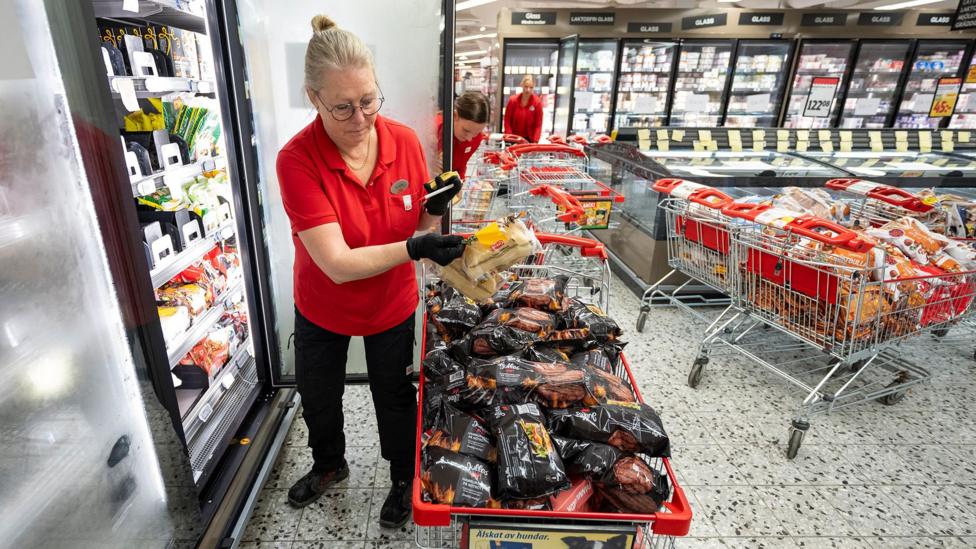
The recent wave of supermarket freezer cyberattacks has left retailers across at least 10 European countries scrambling to manage massive food losses after hackers successfully manipulated remote temperature controls. On Monday, November 2, 2026, a coordinated series of digital intrusions targeted internet-linked refrigeration and freezing infrastructure, forcing internal temperatures to soar as high as 50°C (122°F). This sudden spike in heat caused widespread spoilage of perishable goods and, in some extreme cases, physical damage to the cooling units themselves.
Key Takeaways
Coordinated Disruption: A massive wave of cyberattacks hit more than 100 supermarket locations across Europe on November 2, 2026, following a similar attack in France in October.
Extreme Temperature Spikes: Attackers remotely triggered “defrost cycles,” raising temperatures to 50°C (122°F), causing massive food spoilage and equipment damage.
Critical Vulnerabilities: The attacks exploited unpatched or “end-of-life” hardware, specifically targeting Danfoss and Copeland refrigeration control platforms.
Global Reach: While centered in Europe, similar refrigeration malfunctions were reported at U.S. military installations in Arizona and Rhode Island earlier this year.
- Supply Chain Risks: EU and UK officials warn that these incidents may be part of a broader “hybrid warfare” strategy aimed at disrupting essential food supply chains.
- Audit Your Hardware: Identify every refrigeration controller in your facility. Check if they are Danfoss or Copeland models and determine if they are still supported by the manufacturer.
- Isolate Your Networks: Ensure that operational technology (OT) like refrigeration management is not directly accessible from the public internet. Use secure, private networks or VPNs for remote access.
- Update Credentials: Move away from “easily guessable” or default passwords. Implement multi-factor authentication (MFA) for all remote management interfaces.
- Replace EOL Equipment: If your hardware is end-of-life and cannot be patched, it represents a critical security hole that must be replaced.
- www.aljazeera.com
- www.latintimes.com
- www.bbc.co.uk
- www.bbc.com
What Happened: A Coordinated Strike on Food Infrastructure
On Monday, November 2, 2026, a series of highly coordinated cyberattacks struck the refrigeration systems of major grocery chains across a wide swath of Europe. The affected nations included Belgium, Estonia, Finland, Ireland, Italy, Luxembourg, the Netherlands, Portugal, Germany, and Sweden. The primary method of attack was not a simple data breach, but a “cyber-physical” strike: hackers gained access to the software used to remotely manage commercial freezers and refrigerators, then manipulated the settings to force the units into continuous defrost modes.
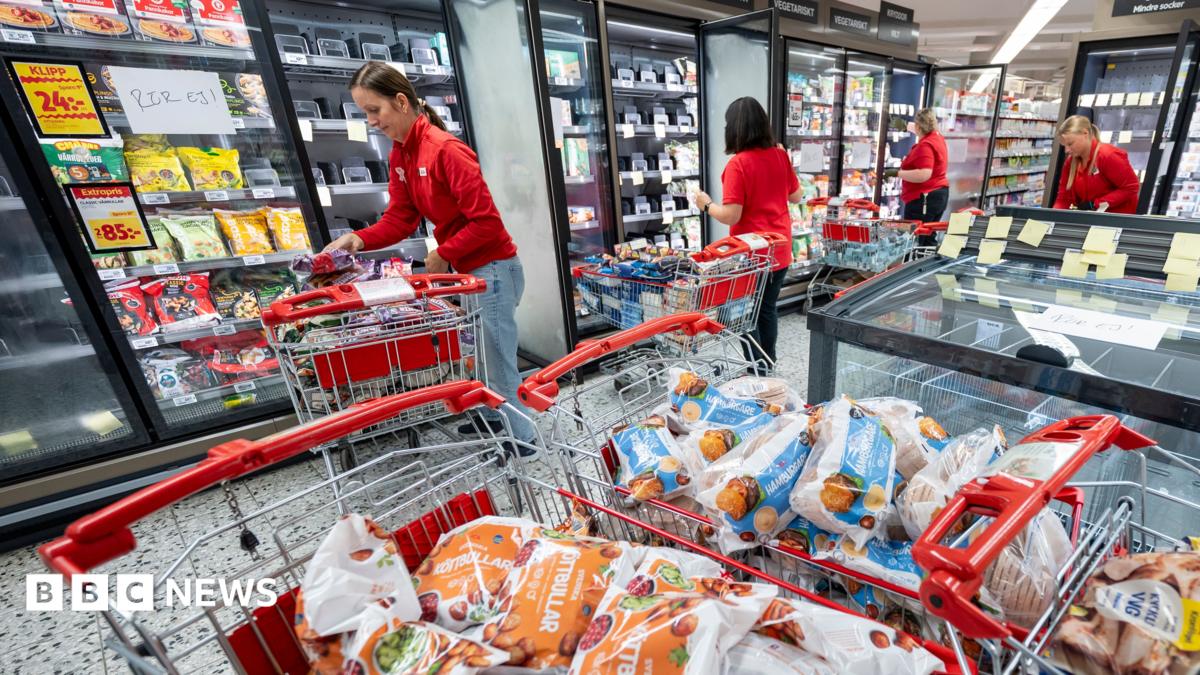
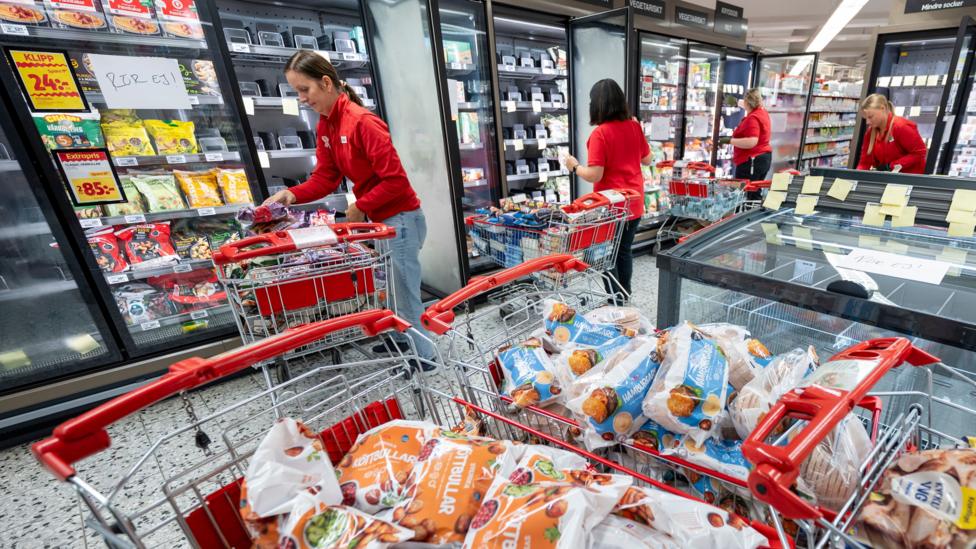
In Belgium, dozens of stores reported refrigeration failures, prompting federal prosecutors to launch a formal criminal investigation. Among the hardest-hit was the Ahold Delhaize group, which reported disruptions in several dozen locations across Belgium and Luxembourg. Mathieu Tilman, a manager at a Delhaize supermarket in Belgium, described the scene as “truly distressing,” noting the immense volume of food that had to be discarded.
In Ireland, the Musgrave Group, owner of SuperValu, confirmed that 13 of its stores were impacted by a cyber-incident. While the company stated that replenishment of chilled and frozen goods was well underway, the disruption highlighted the vulnerability of even large, established retail networks.
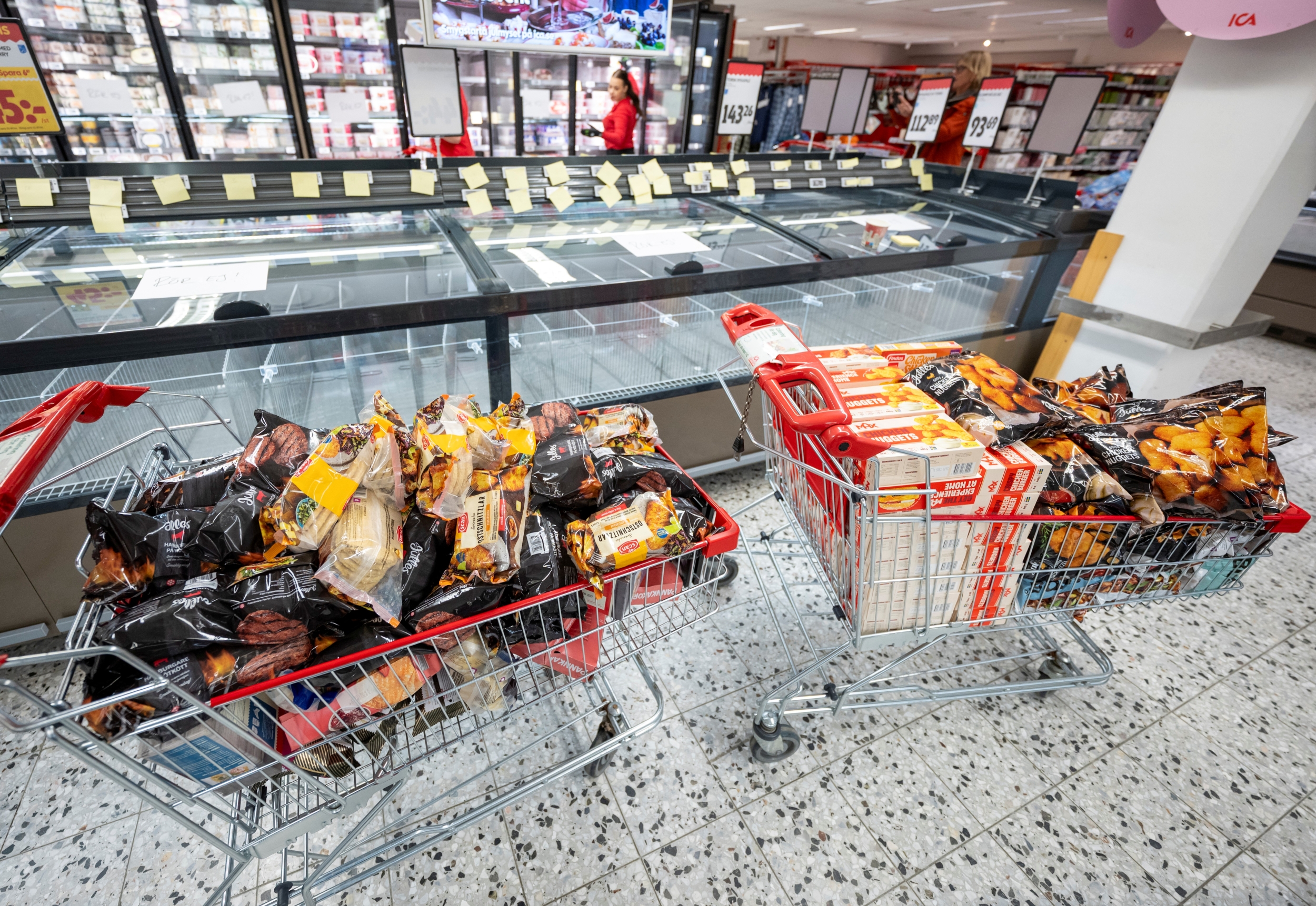
In Sweden, the retail giant ICA reported disruptions in a limited number of stores, while Coop saw seven of its 800 stores experience issues ranging from partial operational failures to complete shutdowns. In Portugal, the Mosqueteiros group reported that seven Intermarché stores were compromised, an incident they linked to a cyberattack on an external service provider responsible for managing their refrigeration systems.
Why It Matters: The Threat to Food Security
The scale of these supermarket freezer cyberattacks suggests a shift in the nature of digital warfare. Unlike traditional ransomware that targets sensitive data or financial assets, these attacks target the physical stability of the food supply chain. By destroying perishable inventory, attackers can create immediate economic losses and, more importantly, undermine public confidence in the reliability of essential services.
Christophe Hansen, the European Union’s Food and Agriculture Commissioner, stated that the bloc is taking the incidents “very seriously” and warned of the potential for further disruption. While Hansen noted that immediate food security for the general population is not currently at risk, the economic impact on retailers and the potential for societal instability through food scarcity are significant concerns.
In France, the precedent for this type of attack was set just three weeks prior, in mid-October 2026. During that incident, approximately 700 grocery stores—including Intermarché, Carrefour, and Monoprix—suffered temperature spikes that resulted in tens of millions of euros in food losses and equipment damage. The repetition of this specific attack pattern in November suggests a level of planning and targeting that has caught the attention of international intelligence agencies.
Deep-Dive: Technical Vulnerabilities and Methodology
The technical execution of these attacks relies on the increasing digitization of “Operational Technology” (OT). Modern supermarkets rely on the Internet of Things (IoT) to allow contractors and managers to monitor and maintain refrigeration systems remotely. However, this convenience has created a massive, often unprotected, attack surface.
How the Attacks Occur
According to Professor Awais Rashid, a cybersecurity expert at the University of Bristol, the attacks exploit the remote management interfaces of refrigeration controllers. These controllers are often connected directly to the public internet rather than being isolated within secure, private networks.
“A remote managing party can access a web server on the controller to configure the system including temperature changes and maintenance,” Rashid explained. “There are known vulnerabilities in several controllers (many of which are past their end of life).”
By accessing these web servers, attackers can issue commands to the hardware. In the recent wave of attacks, the specific command used was the activation of the “forced defrost” cycle. Normally used to melt ice buildup on evaporator coils, a continuous defrost cycle causes the internal temperature of a freezer to rise rapidly. In several reported instances, temperatures reached 50°C (122°F), which is high enough to cause refrigeration components to melt or even catch fire.
Vulnerable Hardware and Software
Research from cybersecurity firm Claroty and data from Censys has identified specific hardware models that are particularly susceptible to these exploits. Many of these devices are “end-of-life” (EOL), meaning they are no longer receiving critical security patches from the manufacturer.
| Manufacturer | Vulnerable Model/Platform | Status/Vulnerability |
|---|---|---|
| Danfoss | AK-SM 800A, AK-SM 800 | End-of-life (since 2021); exposed to public internet |
| Danfoss | AK-SC355 | Retired (since 2016); lacks modern security updates |
| Copeland | XWEB Pro | Vulnerable to remote manipulation via web server |
To mitigate these risks, manufacturers have released emergency patches. For Danfoss systems, users are urged to update to Version R4.3.1, while Copeland users should implement Firmware 1.13. However, for many businesses using older, retired hardware, the only viable solution is complete physical replacement of the controllers.
Stakeholder Reactions and Geopolitical Tensions
The response to the attacks has varied by country, reflecting different levels of perceived threat and existing security infrastructure.
In Italy, Prime Minister Giorgia Meloni’s government convened a meeting with intelligence chiefs to assess the situation. While the government stated the immediate impact was “currently very limited,” they also pointed to a critical weakness in the private sector. Meloni’s office noted that the businesses affected in Sicily and Tuscany were “mostly still equipped with obsolete security systems, with interfaces directly exposed to the internet and inadequate authentication mechanisms.”
In the United Kingdom, the National Cyber Security Centre (NCSC) has taken a highly proactive stance. Richard Horne, the head of the NCSC, confirmed that the agency has been working “through the night” to alert organizations that have exposed, vulnerable technology. Horne warned that the threat is not limited to supermarkets but extends to the entire food supply chain. Furthermore, the NCSC issued a stark forecast: the UK is likely to face AI-powered cyber-attacks on critical national infrastructure within the next two years.
This heightened state of alert has led the UK government to launch the “Be Ready” campaign, which advises citizens to maintain a small stockpile of essential goods, such as tinned food and bottled water, to prepare for potential domestic disruptions caused by future cyber incidents.
While no group has officially claimed responsibility for the November 2 attacks, intelligence officials are investigating several theories. Some suggest the attacks are part of a “shadow war” conducted by state actors, with European intelligence agencies pointing toward Russia as a potential perpetrator. Others have noted the increasing sophistication of groups linked to North Korea, known for large-scale cyber-heists.
What It Means for You
The implications of these supermarket freezer cyberattacks differ depending on whether you are a consumer, a business owner, or an investor.
For Consumers
While these attacks do not immediately result in food shortages, they can cause localized disruptions and price volatility. If a major retailer loses a significant portion of its inventory, it may take days or weeks to restock, potentially leading to temporary shortages of certain perishable goods. Consumers should remain vigilant about food safety; if a retailer’s refrigeration has failed, even if the food looks acceptable, the integrity of the cold chain may have been compromised.
For Business Owners and Retailers
If you manage a facility that relies on IoT-connected cooling or heating systems, the current situation is a call to immediate action.
For Investors
Investors in the retail and food technology sectors should monitor the increasing regulatory pressure for mandatory cybersecurity standards. As governments move to protect critical infrastructure, companies that fail to secure their supply chains may face significant legal liabilities, fines, and reputational damage.
Counterpoints and Open Questions
Despite the growing alarm, there are significant questions that remain unanswered.
First, is the threat truly as existential as security officials suggest? Christophe Hansen of the EU has maintained that food security is not currently at risk, suggesting that the “hyperbolic” view of a total food collapse may be premature. The primary damage currently appears to be economic rather than a total disruption of the calorie supply.
Second, the question of attribution remains a major hurdle. While theories regarding Russia or North Korea are circulating, proving the link between a digital command and a state-sponsored actor is notoriously difficult. Without definitive proof, international responses and retaliatory measures remain speculative.
Finally, there is a debate regarding the responsibility of manufacturers versus retailers. While manufacturers like Danfoss provide patches, the existence of thousands of internet-exposed, unpatched devices suggests a systemic failure in how industrial equipment is deployed and managed globally.
Frequently Asked Questions
How did the hackers cause the food to spoil?
Instead of stealing data, the attackers used remote access to gain control of the refrigeration management software. They then issued commands to put the cooling units into a “forced defrost” mode. This mode is designed to melt ice on the coils, but when left running continuously, it causes the temperature inside the freezer to rise to extreme levels—up to 50°C (122°F)—effectively melting the frozen food and causing rapid spoilage.
Which brands of refrigeration systems are most at risk?
Currently, the most significant vulnerabilities have been identified in hardware manufactured by Danfoss (specifically the AK-SM 800A and older AK-SM 800 models) and Copeland (specifically the XWEB Pro platform). Many of these devices are “end-of-life,” meaning they no longer receive the security updates necessary to protect against modern hacking techniques.
Is my food safe to buy after these attacks?
If you are shopping at a major retailer, your food is generally safe. Retailers like SuperValu and Delhaize have protocols to immediately discard any products that have experienced temperature fluctuations outside of safe limits. However, if you notice that a store’s refrigeration appears to be malfunctioning, it is best to avoid purchasing perishable items like meat, dairy, or frozen goods until the issue is resolved.
Are these attacks part of a larger war?
While not officially confirmed, many security experts and EU officials believe these attacks are part of “hybrid warfare.” This involves using non-traditional methods, like cyberattacks on infrastructure, to create economic instability and social anxiety without engaging in direct military conflict. The targeting of the food supply chain is a key indicator of this strategy.
What Happens Next
In the coming months, expect a flurry of activity in both the legal and regulatory spheres. The Belgian federal prosecutors will likely release findings from their criminal investigation, which may provide the first concrete clues regarding the perpetrators.
On a policy level, the European Union is expected to discuss more stringent, mandatory cybersecurity requirements for companies managing critical infrastructure, including the food and agriculture sectors. In the UK, the focus will likely shift toward civilian preparedness as the NCSC continues to warn of the rising threat of AI-powered cyber warfare
References
Featured image: Image via BBC News