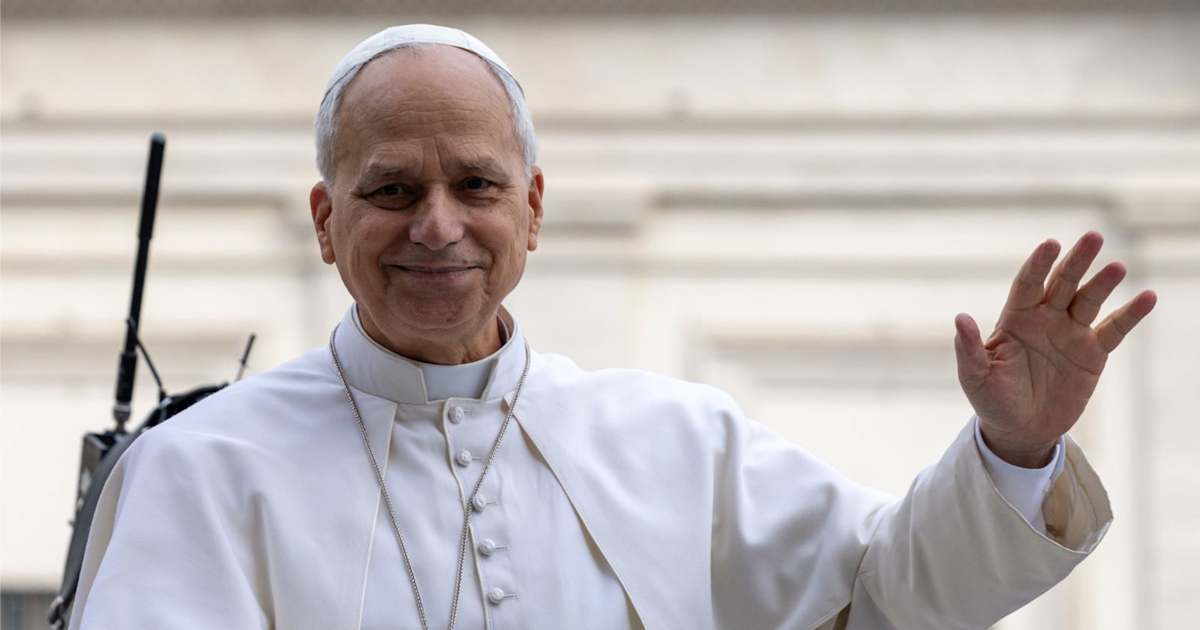
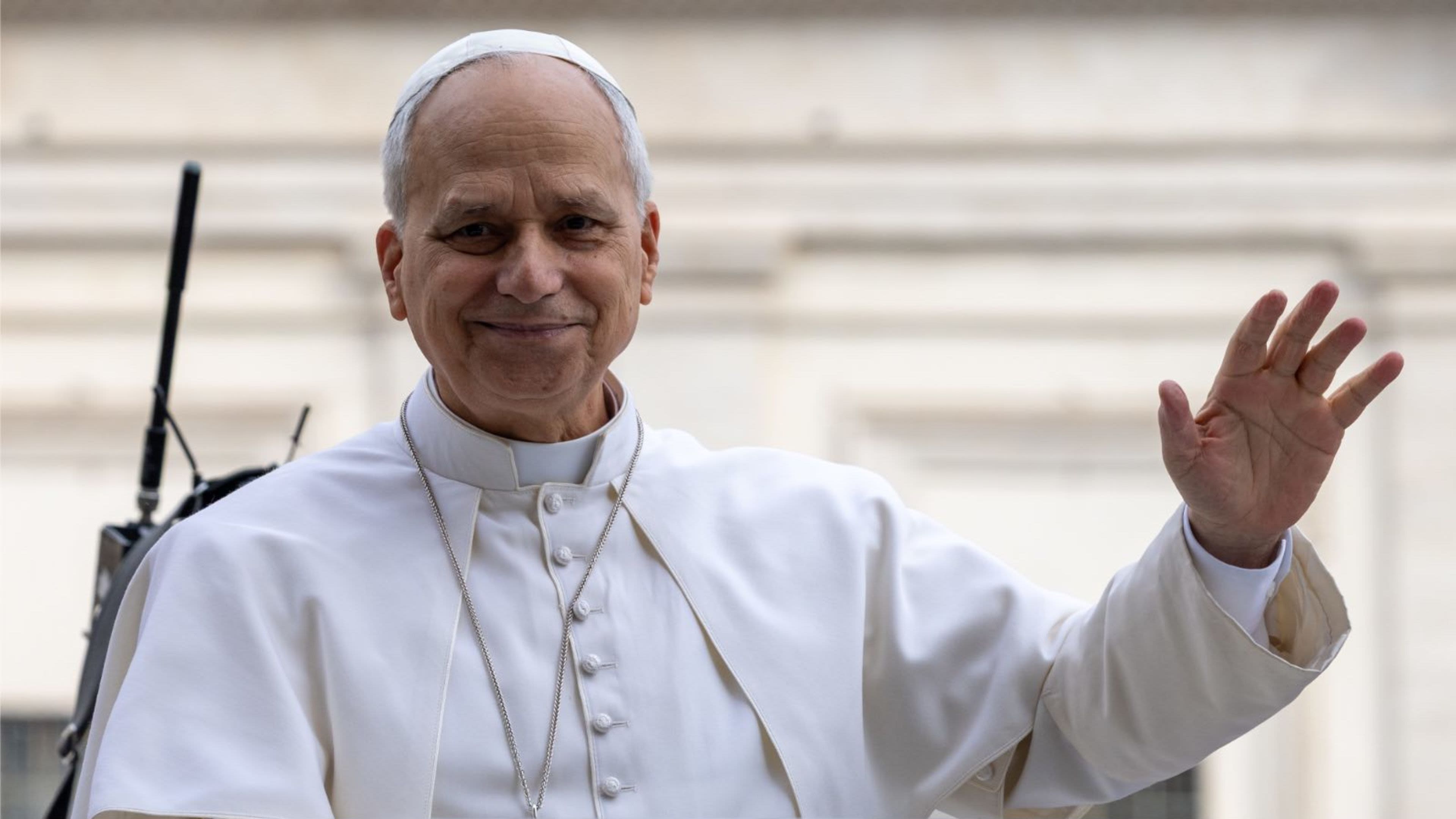
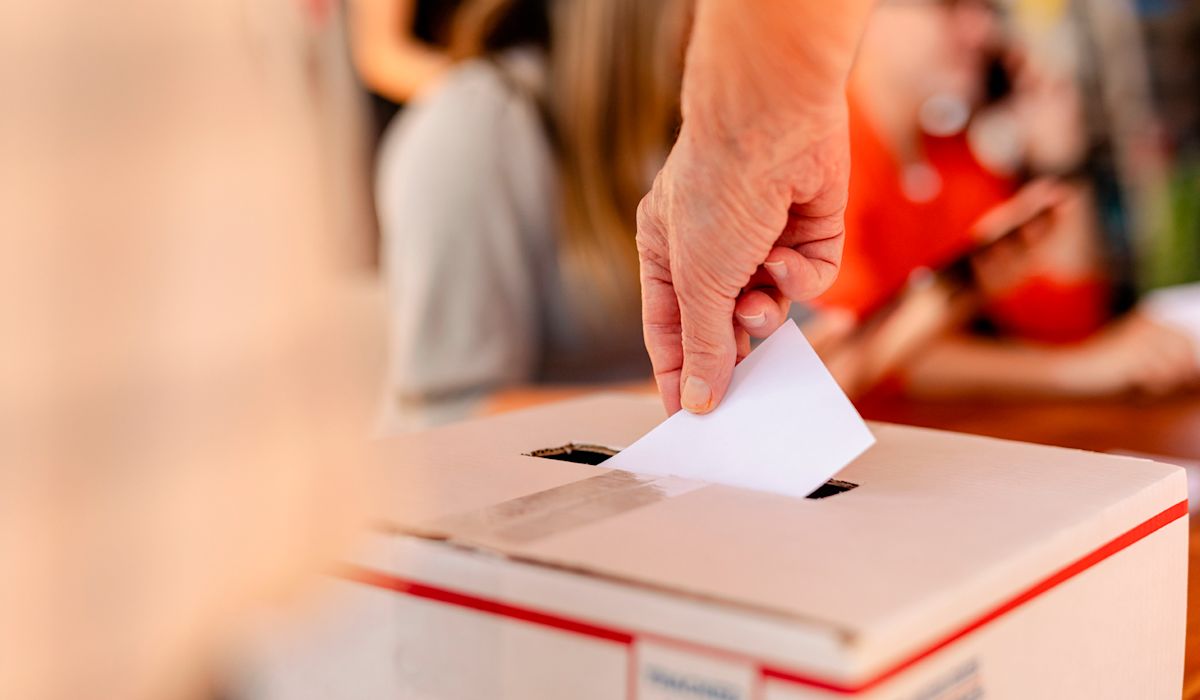
The Pope Leo XIV vote in the 2026 U.S. midterm elections has established a historic precedent, marking the first time a reigning pontiff has participated in an American general election. The Vatican confirmed on Friday, October 30, 2026, that the Chicago-born pontiff submitted a mail-in ballot for the upcoming contest, an act that bridges his role as the sovereign head of the Holy See with his individual status as a United States citizen.
Key Takeaways
- Historic Milestone: Pope Leo XIV is the first person to hold the papacy and cast a vote in a U.S. general election.
- Citizenship and Law: As a dual citizen of the U.S. and Peru, the Pope exercised his right to vote via an absentee ballot in Will County, Illinois.
- Political Context: The vote occurs amidst heightened diplomatic friction between the Vatican and the trump administration regarding immigration and foreign policy.
- Personal Recovery: The ballot request was made on October 3, 2026, shortly before the Pope underwent surgery to remove a cancerous tumor from his right lung.
- Legal Ambiguity: The act reignites unresolved questions regarding the tax status and legal protections of American citizens serving as heads of state.
- For American Voters: The Pope’s participation serves as a high-profile reminder of the intersection between civic duty and personal conscience, particularly in a polarized political climate.
- For Catholic Citizens: The move provides a model for how to participate in secular politics without abandoning religious teachings, though it also highlights the tension between political affiliation and Church doctrine.
- For Diplomats and Legal Scholars: This event creates a new precedent for how the citizenship of a foreign head of state is managed within the United States, potentially necessitating new legislative clarity.
- November 3, 2026: The U.S. midterm elections will take place. While the Pope’s individual vote will not change the outcome, the symbolic weight of his participation will be significant.
- Legislative Review: There may be renewed calls in the U.S. Congress to address the legal status, taxation, and citizenship protections for American citizens who ascend to the papacy.
- Diplomatic Dialogue: The ability of Ambassador Brian Burch to maintain a stable relationship between the Holy See and the Trump administration will be a critical test of Vatican diplomacy.
- abcnews.com
- www.ewtnnews.com
- apnews.com
What Happened: A Historic Ballot in Illinois
On October 30, 2026, the Holy See press office officially announced that Pope Leo XIV, formerly known as Robert Prevost, had submitted a mail-in ballot for the November 3 midterm elections. The vote is centered in Illinois, the pope’s home state, where he is registered to vote at an address in New Lenox, located within Will County.
According to Kim Fladhammer, the chief of staff to the Will County clerk, the request for the mail-in ballot was officially made on October 3, 2026. This request came just ten days before the Pope underwent a significant medical procedure to remove a cancerous tumor from his right lung. He remained hospitalized for several weeks, eventually being released on October 17, 2026, and has since been gradually returning to his official duties at the Vatican.
While the specific method by which the ballot was returned to election officials remains unconfirmed, the Vatican framed the decision as a matter of civic duty. “The Holy Father expresses his belief in the right and the duty of citizens to participate in democratic processes,” the Holy See press office stated in a release on Friday. This participation is consistent with the Pope’s history; the Vatican noted that he has exercised his right to vote as a U.S. citizen whenever he was eligible, including during his 20-year tenure as a missionary priest and bishop in Peru.
Why the Pope Leo XIV Vote Matters
The significance of this vote extends far beyond the individual ballot. It touches upon the complex intersection of international law, national sovereignty, and the personal rights of American citizens.
First, the act highlights the unique legal status of the Pope. As the head of the Holy See, he is the leader of an absolute monarchy and a sovereign entity under international law. However, as Robert Prevost, he remains a citizen of the United States. U.S. federal law permits citizens living abroad—even those serving foreign governments—to vote via absentee ballot. While the U.S. State Department notes it may “actively review” the citizenship of Americans serving as foreign heads of state, no law currently forbids a sitting Pope from exercising his American civic rights.
Second, the timing of the vote is politically charged. The 2026 midterms will determine the control of the U.S. House and Senate, a key battleground for President Donald Trump as he seeks to maintain Republican influence during the final two years of his second term. The Pope’s vote, while individual, comes at a time when his moral leadership is frequently in tension with the current U.S. administration.
Deep-Dive: The Political Profile of Robert Prevost
To understand the Pope Leo XIV vote, one must look at the voting history of the man formerly known as Robert Prevost. Records from the Illinois State Board of Elections reveal a nuanced and shifting political engagement that mirrors his geographic moves within the state.
Since 2000, Prevost has participated in five primary elections. His party preferences have fluctuated based on his residence, moving from the heavily Democratic Cook County to the more conservative suburban Will County.
Voting History Summary (2000–2026)
| Election Year | Location | Party Preference Requested | Status | |
|---|---|---|---|---|
| 2008 | Cook County | Democratic | Primary Ballot Requested | Confirmed |
| 2010 | Cook County | Democratic | Primary Ballot Requested | Confirmed |
| 2012 | Will County | Republican | Primary Ballot Requested | Confirmed |
| 2014 | Will County | Republican | Primary Ballot Requested | Confirmed |
| 2016 | Will County | Republican | Primary Ballot Requested | Confirmed |
| 2020 | N/A | N/A | No Ballot Recorded | Unconfirmed |
| 2022 | N/A | N/A | No Ballot Recorded | Unconfirmed |
| 2026 | Will County | N/A | General Election Mail-in | Confirmed |
While these records show he has requested both Democratic and Republican ballots in the past, they do not indicate which specific candidates he supported in general elections. In the upcoming November 3 election, Illinois voters will decide on the third term of Governor JB Pritzker and a vacancy in the U.S. Senate following the retirement of longtime Catholic Democrat Dick Durbin.
Diplomatic Tensions and the Trump Administration
The Pope Leo XIV vote arrives during a period of notable friction between the Vatican and the White House. President Trump has been a vocal critic of the Pope’s stances on several global and domestic issues.
Specifically, the Pope has repeatedly condemned the U.S.-Israeli war in Iran and has called for the dignified treatment of immigrants, a position that stands in direct opposition to the Trump administration’s mass deportation programs. Earlier this year, Trump publicly labeled the Pope “weak” and “captive to the radical left” during a period of intense debate that followed the Pope’s trip to Africa.
In response to these criticisms, Pope Leo XIV has maintained a stance of spiritual independence. During a press briefing in Algeria, he told reporters, “I’m not afraid of the Trump administration or of speaking out loudly about the message of the Gospel, which is what the church works for.”
Despite the public sparring, the Vatican suggests that formal diplomatic channels remain functional. Archbishop Richard Paul Gallagher, the Vatican foreign minister, indicated this week that the Holy See is looking to rebuild trust and confidence with the administration, noting that the U.S. ambassador to the Holy See, Brian Burch, serves as a capable conduit for communication.
Stakeholders and Reactions
The announcement of the Pope’s vote has drawn varied responses from religious and political entities.
The U.S. Conference of Catholic Bishops (USCCB)
The USCCB has taken a pedagogical approach, using the Pope’s action to encourage American Catholics to engage in the democratic process while maintaining religious integrity. Chieko Noguchi, the conference’s director of public affairs, stated that the Holy Father’s vote “sets the example that encourages each citizen to exercise their civic responsibility.”
However, the USCCB also issued a cautionary note, urging Catholics to “put our faith before our politics” and to uphold human dignity and the common good above partisan interests.
The Trump Administration
While the administration has not issued a formal statement regarding the specific legality of the Pope’s ballot, the President’s previous rhetoric suggests a skeptical view of the Pope’s political engagement. The administration’s focus remains on its domestic policy agenda, including immigration enforcement and the preservation of Republican control in Congress.
What It Means for You
The implications of the Pope Leo XIV vote vary depending on your role in society:
Counterpoints and Open Questions
While the Pope’s right to vote is supported by current federal law, several legal and political questions remain unanswered:
1. The Taxation Question: Does the Pope, as a U.S. citizen and head of a sovereign state, owe taxes to the U.S. government? In 2025, a bill was proposed in the U.S. House of Representatives to address the citizenship and tax status of an American elected as Pope, but the legislation stalled in committee. Without clear laws, his tax liability remains an “esoteric question,” according to reports from EWTN News.
2. The “Uncertain Intent to Return” Rule: There is a possibility that because the Pope resides in the Vatican, he could be classified as an overseas voter with an “uncertain intent to return” to the U.S. If this classification applies, he may be restricted to voting only on federal offices, potentially excluding him from voting in Illinois state and local elections.
3. Sovereignty vs. Citizenship: Critics may argue that the Pope’s dual role creates a conflict of interest, where his actions as a U.S. citizen could be seen as influencing his role as a neutral global mediator.
What Happens Next
Several key developments will follow this historic announcement:
Frequently Asked Questions
Is it legal for the Pope to vote in a U.S. election?
Yes, according to current U.S. federal law. American citizens living abroad, including those working for foreign governments or serving as heads of state, are permitted to vote via absentee or mail-in ballots. While the State Department may review the citizenship status of foreign heads of state, there is no current law that automatically forfeits U.S. citizenship or voting rights due to such a position.
Where is Pope Leo XIV registered to vote?
The Pope is registered to vote in Will County, Illinois, at an address in New Lenox. He has previously been registered in Cook County, where he requested Democratic primary ballots in 2008 and 2010.
How does the Pope’s voting history look?
Since 2000, the Pope (as Robert Prevost) has participated in five primary elections. He has requested Democratic ballots twice and Republican ballots three times. He has consistently participated in general elections, with the exception of the 2020 and 2022 cycles.
Does the Pope’s vote affect the Holy See’s political neutrality?
The Vatican maintains that the Pope’s vote is an exercise of his individual rights as a U.S. citizen and does not change the political nature of the Holy See, which remains an absolute monarchy. The Holy See frames the act as a fulfillment of civic duty rather than a political endorsement.
—
The Pope Leo XIV vote stands as a unique moment in modern history, where the spiritual leader of over a billion Catholics has stepped into the arena of American partisan politics
References
Featured image: Image via EWTN News