Instant noodle microplastics have emerged as a significant concern for health researchers after a study revealed that consuming noodles prepared in disposable buckets may expose individuals to hundreds of plastic particles per serving.
Key Takeaways
- High particle counts: Researchers found an average of 318 microplastic particles in 20 different samples of instant noodle buckets.
- Weekly exposure risk: Frequent consumers of bucket-style noodles could potentially ingest more than 1,000 particles every week.
- Chemical culprits: The particles were predominantly identified as polyethylene (PE) and composites of polyethylene and polypropylene (PP+PE).
- Heat-induced leaching: The study suggests that hot water (approximately 203 degrees Fahrenheit) triggers the breakdown of plastic linings in paper-based containers.
- Health implications: Research indicates these particles can migrate to the blood, lungs, placenta, and brain, potentially causing inflammation and cell death.
- Scientific debate: Some experts, including chemist Roger Kuhlman, caution that current microplastic research may lack sufficient evidence to support extraordinary claims.
- Cardiovascular Health: Potential damage to the heart and blood vessels.
- Skeletal Integrity: Possible adverse effects on bone health.
- Immune Function: Suppression of the body’s natural immune responses.
- Endocrine System: Interference with hormonal balance and regulation.
- Switch Containers: Whenever possible, avoid cooking noodles directly in disposable plastic-lined buckets. Instead, transfer the noodles to a ceramic, glass, or stainless steel bowl before adding hot water.
- Monitor Preparation Time: Since heat and time appear to contribute to leaching, adhering strictly to the manufacturer’s recommended soaking times may help, though it does not eliminate the risk entirely if the container is the source.
- Be Mindful of Other Sources: Recognize that microplastics are pervasive. Reducing the use of single-use plastics, such as plastic water bottles and plastic kitchen utensils, can help lower your overall exposure.
- Diversify Food Sources: Relying less on highly processed, convenience-based meals can reduce the frequency of contact with disposable packaging.
- Standardized Testing: Developing more accurate methods to simulate consumer behavior (e.g., realistic stirring and soaking times) to provide more reliable data.
- Long-term Health Studies: Conducting longitudinal research to determine if the ingestion of microplastics directly correlates with the onset of the chronic conditions mentioned, such as hormonal or cardiovascular issues.
- Packaging Innovation: Investigating more sustainable and safer coating alternatives for paper-based food containers that do not rely on polyethylene or polypropylene.
- Regulatory Oversight: Potential updates to food safety standards regarding the materials permitted in direct contact with hot liquids.
- sfstandard.com
- nypost.com
What Happened
Recent scientific investigations have identified a direct pathway for microplastic ingestion through common, convenient food packaging. Specifically, researchers focused on the disposable buckets used for instant noodles, a format designed to allow consumers to prepare meals without additional bowls or pots.
According to the study’s authors, the research targeted 20 different samples of bucket noodles sourced from four major Asian markets: China, Japan, South Korea, and Thailand. This selection was made because Asia accounts for 85% of global instant noodle sales, making it a critical region for understanding consumption patterns and potential exposure.
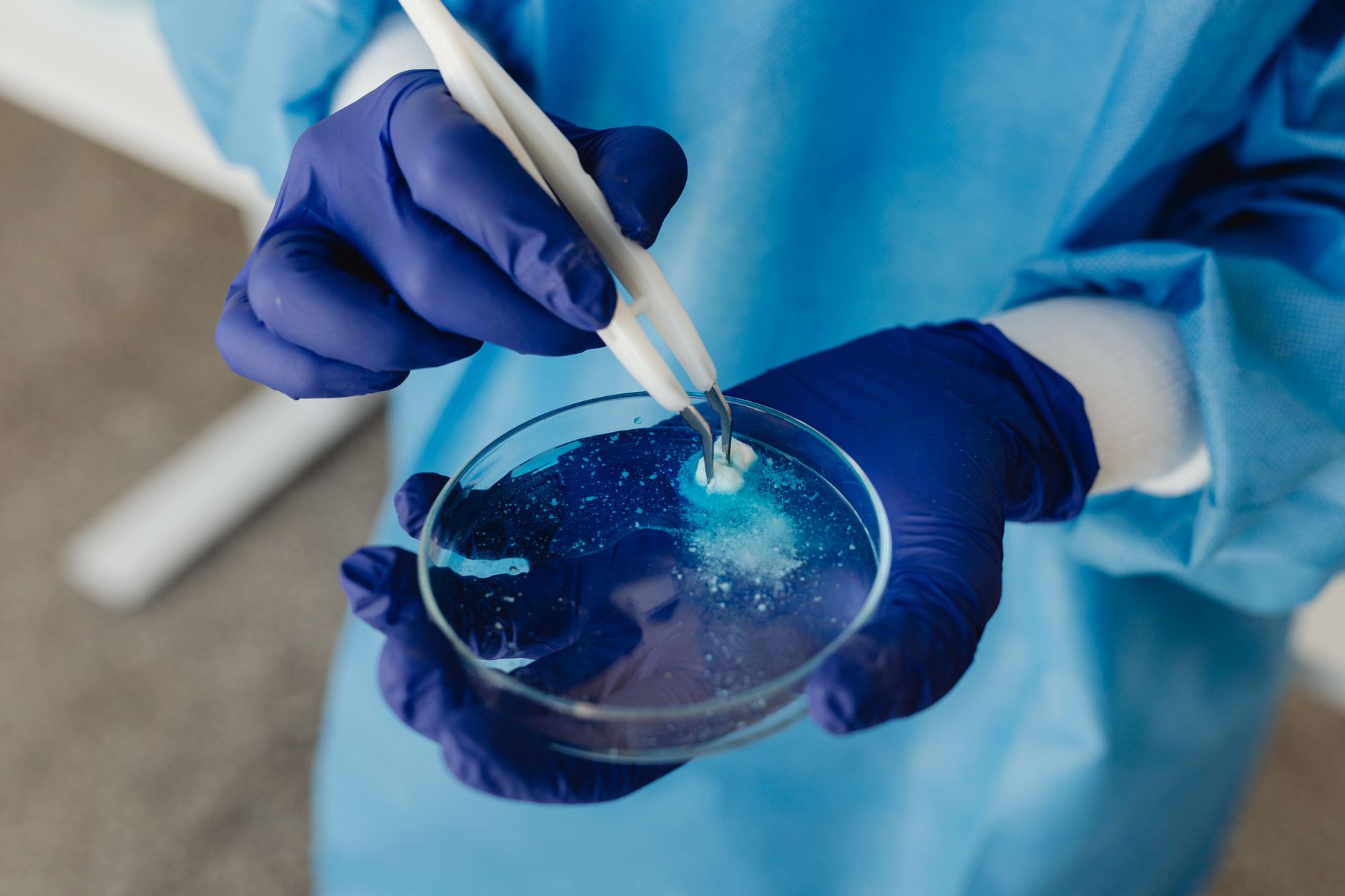
To simulate the consumer experience, researchers filled cleaned, empty containers with hot water heated to 203 degrees Fahrenheit (95 degrees Celsius). The process involved letting the water sit for an extended period, followed by vigorous shaking and stirring with a glass rod to mimic the preparation of the meal. Upon testing the resulting liquid, the researchers detected microplastics in every single one of the 20 buckets tested, with an average concentration of 318 particles per bucket.
Why It Matters
The scale of this exposure is particularly concerning given the demographic of instant noodle consumers. The meal is a staple for students and overtime office workers, groups that may rely on these quick, disposable options frequently. If an individual consumes these noodles multiple times a week, the cumulative effect could lead to the ingestion of over 1,000 microplastic particles weekly.
Beyond the sheer number of particles, the biological impact of these materials is a growing field of medical concern. The particles found in the study were largely polyethylene (PE), which is the most widely used plastic globally for single-use items. Once these microplastics enter the human body, they do not necessarily remain in the digestive tract. Research suggests that polyethylene can penetrate deep into the system, reaching the bloodstream, lungs, placenta, and even the brain.
At a cellular level, these particles can interact with cell membranes. This interaction has been linked to cellular stress, inflammation, and cell death, which can contribute to broader systemic issues. The study notes that these microplastics are likely linked to the specific packaging used, where molten PE film is laminated onto paper substrates to provide a moisture barrier.
The Chemistry of Disposable Buckets
To understand how these particles enter the broth, one must look at the manufacturing of the containers themselves. While these buckets often feel like standard paper, they are not purely cellulose. To prevent the hot broth from soaking through the paper, manufacturers apply a thin, protective layer of plastic.
Composition and Leaching Mechanisms
The researchers identified the primary materials as polyethylene (PE) and polypropylene-polyethylene (PP+PE) composites. Polyethylene is favored in the industry for its versatility and low cost in single-use applications. The lamination process involves applying a molten film of PE onto the paper substrate. When high-temperature water is added, the thermal energy can cause the plastic lining to degrade or shed microscopic fragments into the liquid.
This phenomenon is not unique to noodles. The study draws a parallel to disposable takeaway coffee cups, noting that approximately 50,000 microplastic particles were detected in every three to four cups consumed. This suggests that the mechanism of heat-induced leaching is a widespread issue across various types of single-use food and beverage packaging.
| Source Type | Estimated Particle Count | Primary Plastic Type | Potential Exposure Frequency |
|---|---|---|---|
| Instant Noodle Buckets | ~318 particles per serving | PE and PP+PE | High (Students/Workers) |
| Takeaway Coffee Cups | ~12,500 particles per cup | Unspecified | Moderate to High |
| Weekly Cumulative | >1,000 particles | PE and PP+PE | Depends on habit |
Health Pathways and Biological Impact
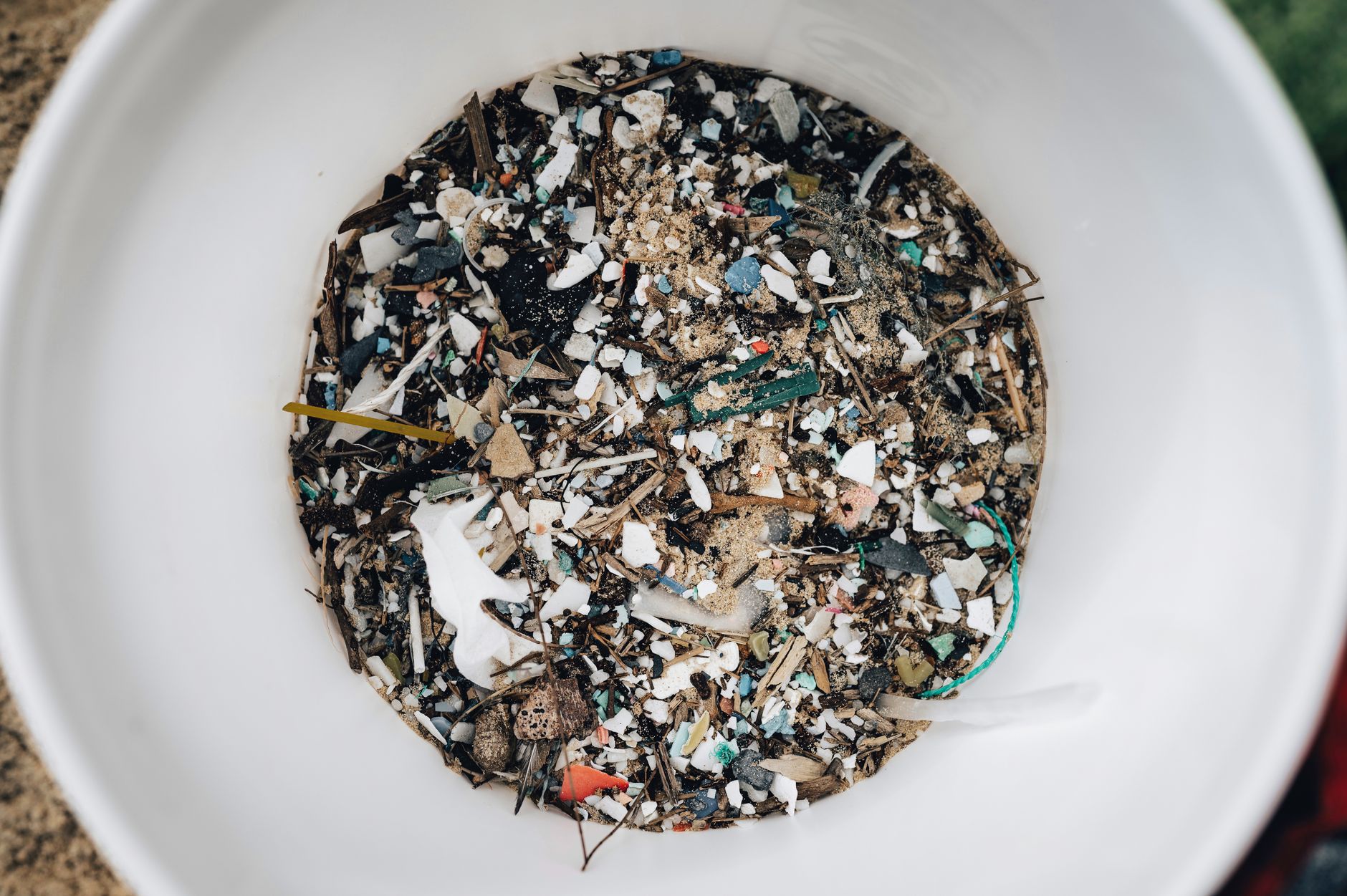
The danger of microplastic ingestion lies in the body’s inability to easily expel these non-biodegradable materials. Once particles are small enough, they can cross biological barriers.
Systemic Migration
According to existing research cited in the report, the presence of microplastics in the blood and lungs poses a risk of chronic inflammation. The ability of these particles to reach the placenta is a particularly sensitive area of study, as it may impact fetal development. Furthermore, the potential for particles to cross the blood-brain barrier raises questions about long-term neurological health.
Physiological Disruptions
The accumulation of these plastics has been linked to several significant health concerns, including:
Methodology and Scientific Skepticism
While the findings are striking, the study’s methodology has drawn scrutiny from both within and outside the scientific community. To ensure a rigorous analysis, it is necessary to examine the specific conditions under which the particles were released.
Methodological Deviations
The researchers’ process for mimicking noodle preparation differed significantly from the instructions provided on most product labels. While standard packaging typically advises letting hot water sit for three to five minutes, the study allowed the water to sit for a total of 35 minutes (15 minutes with a tin foil cover and 20 minutes without).
Additionally, the researchers applied vigorous shaking and stirring with a glass rod. It remains unclear whether this level of physical force accurately reflects how a consumer mixes their noodles, or if the prolonged heat exposure was the primary driver of the high particle count. There is a possibility that the study’s methods exaggerated the amount of plastic released compared to real-world usage.
The Counter-Argument
Not all experts agree that the current level of alarm is warranted. Roger Kuhlman, a chemist formerly associated with the Dow Chemical Company, expressed skepticism regarding the current state of microplastic research. Speaking to the Guardian, Kuhlman noted that the field is forcing a re-evaluation of what is actually known about microplastics in the human body, suggesting that current knowledge is quite limited.
“Many researchers are making extraordinary claims, but not providing even ordinary evidence,” Kuhlman stated. He also noted that despite careful laboratory protocols, the risk of lab contamination—where particles from the environment enter the sample—cannot be entirely ruled out.
What It Means for You
If you are a frequent consumer of instant noodles or other convenience foods, these findings suggest that small changes in preparation could reduce your microplastic intake.
Practical Steps for Consumers
What Happens Next
The scientific community and regulatory bodies are expected to look closer at the relationship between food packaging and microplastic leaching. Key areas for future development include:
Frequently Asked Questions
How many microplastics are in a single serving of instant noodles?
In the study of 20 different bucket samples from China, Japan, South Korea, and Thailand, researchers found an average of 318 microplastic particles per bucket. However, this number can vary based on the brand, the type of plastic used in the lining, and how long the noodles are soaked in hot water.
What kind of plastic is causing the problem?
The primary materials identified were polyethylene (PE) and composites of polyethylene and polypropylene (PP+PE). Polyethylene is a common plastic used in single-use items, while polypropylene is often used in combination with other plastics to create durable linings for food containers.
Does the temperature of the water affect microplastic leaching?
Yes. The research suggests that heat causes plastic to break down. The study used water at 203 degrees Fahrenheit (95 degrees Celsius), which is significantly hotter than room temperature. This high temperature is believed to be a key factor in causing the plastic film laminated onto the paper buckets to leach particles into the food.
Is it possible to avoid microplastics entirely?
While it is difficult to completely avoid microplastics—as they can be inhaled or absorbed through the skin—you can significantly reduce your ingestion by avoiding disposable plastic-lined containers for hot foods. Using glass, ceramic, or metal containers for cooking and eating is a science-backed way to minimize exposure.
Closing
The discovery that instant noodle buckets may leach hundreds of microplastic particles per serving highlights a growing intersection between convenience and long-term health risks
References
Featured image: Image via The San Francisco Standard