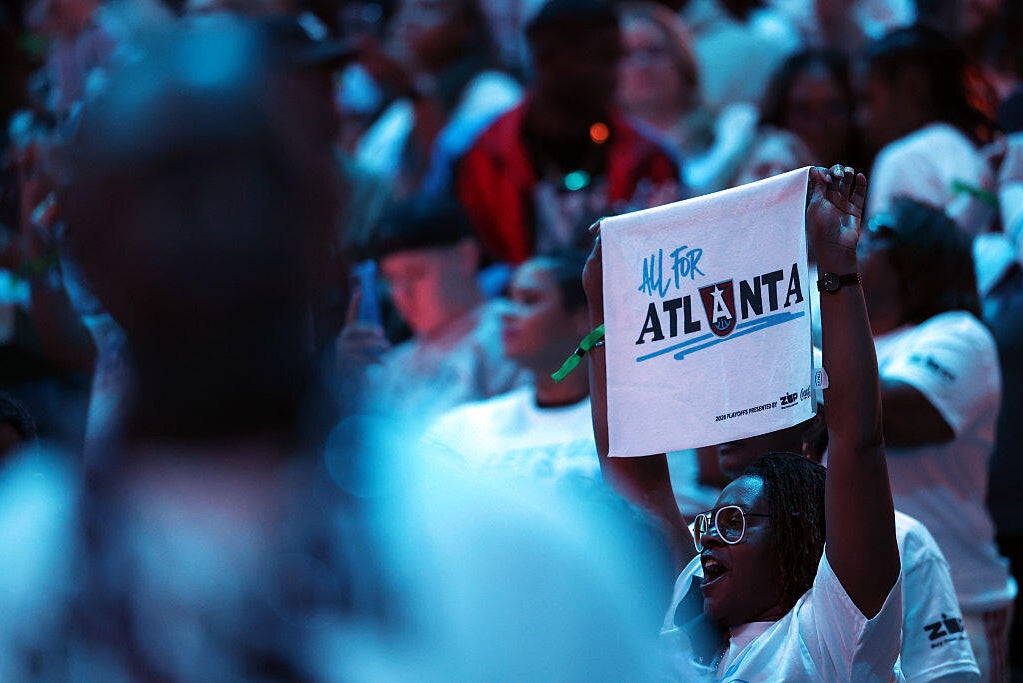
The atlanta Dream WNBA Finals preparations have reached a fever pitch as the team officially announced a complete sellout of their ticket inventory for Game 6, despite a controversial midday tip-off time that has sparked significant tension between the franchise and the league.
Key Takeaways
- Sold Out Venue: State Farm arena is expected to host approximately 17,000 fans for the Game 6 matchup on Thursday, October 29, 2026.
- Controversial Timing: Due to scheduling conflicts with the Atlanta Hawks, the tip-off has been moved to 12:30 p.m. ET, a weekday afternoon slot.
- Series Stakes: The Atlanta Dream trail the Golden State Valkyries 3-2 in the best-of-seven series and face a must-win scenario to stay alive.
- Ownership Grievance: Dream ownership has issued an open letter criticizing the WNBA for failing to address arena availability concerns raised months in advance.
- On-Court Battle: Atlanta must find offensive rhythm from stars Angel Reese and Allisha Gray to overcome the defensive presence of Valkyries center Kiah Stokes.
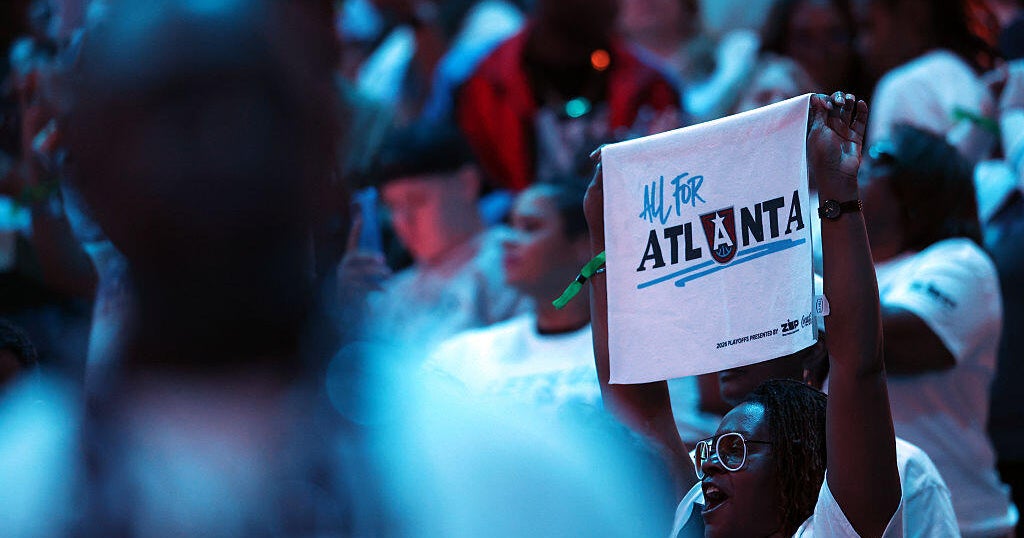
- For Fans: If you are planning to attend Game 6, expect a significant departure from typical game-day routines. Because of the 12:30 p.m. start, many supporters are treating the game as a “paid holiday,” a sentiment echoed by high-profile fan Flava Flav, who encouraged followers on X to take the time off to support the team. Fans should also prepare for a “blue out,” as the team is encouraging everyone to wear blue to create a unified atmosphere.
- For WNBA Stakeholders and Investors: This situation serves as a case study in the “growing pains” of a professional league. As the WNBA moves into larger markets and more prestigious venues, the league must refine its coordination with NBA partners to ensure that scheduling does not become a barrier to fan accessibility or broadcast quality.
- For the Atlanta Dream Organization: The team is working to mitigate the midday start by providing free shirts to fans to ensure the atmosphere remains electric despite the unconventional time.
- Game 6: Thursday, October 29, 2026, at 12:30 p.m. ET (State Farm Arena, Atlanta).
- Potential Game 7: Saturday, October 31, 2026, at 8:00 p.m. ET (Chase Center, San Francisco).
- www.cbsnews.com
- sports.yahoo.com
- bleacherreport.com
What Happened: A Sellout Amidst Scheduling Chaos
On Thursday, October 29, 2026, the Atlanta Dream WNBA Finals will proceed with a capacity crowd at State Farm Arena, even though the game is scheduled for a non-traditional 12:30 p.m. ET start. The Atlanta Dream organization confirmed via social media that the primary ticket inventory for Game 6 is officially sold out, signaling massive local demand for the championship matchup against the Golden State Valkyries.
This sellout comes despite the fact that fans were given relatively short notice regarding the venue and timing. The decision to use State Farm Arena—a massive 17,000-seat venue—was only finalized on Monday, leaving supporters to navigate a sudden shift in logistics. Furthermore, the midday start on a Thursday presents a significant hurdle for the “Dreamers” (the team’s fanbase), many of whom are students or working professionals.
According to reports from CBS Atlanta, the decision to move the tip-off to the afternoon was necessitated by the Atlanta Hawks’ schedule. The NBA franchise is slated to play at State Farm Arena on the same evening, forcing the WNBA to move the Dream’s high-stakes game to an earlier window to accommodate both professional basketball organizations.
Why It Matters: The Growing Pains of WNBA Expansion
The scheduling conflict surrounding this Game 6 matchup highlights a critical inflection point for the WNBA as it experiences unprecedented growth and success. As teams like the Atlanta Dream move from smaller, specialized venues to major NBA-standard arenas to accommodate larger crowds, the league faces complex logistical challenges that its current centralized scheduling model may not be fully equipped to handle.
For the Atlanta Dream, the move to State Farm Arena was a strategic choice to provide a “world-class stage” for their championship run. The team’s regular-season home, Gateway Center Arena, holds only 3,500 spectators. While the move to State Farm Arena allows for a massive increase in revenue and fan engagement, it also places the Dream in direct competition for venue time with the Atlanta Hawks.
This tension is not merely logistical; it is organizational. The ability to host a Finals game in a major metropolitan arena is a sign of the league’s rising prestige, but the difficulty in securing those dates without disrupting the game-day experience for fans suggests that the league’s infrastructure is struggling to keep pace with its popularity.
Deep-Dive: The Ownership Dispute and the WNBA
The most significant fallout from the scheduling decision has been the public criticism from the Atlanta Dream’s ownership group. In an open letter released on X (formerly Twitter) on Wednesday, October 28, owners Larry and Robyn Gottesdiener, Suzanne Abair, and Renee Montgomery expressed deep frustration with the WNBA’s handling of the postseason schedule.
The owners alleged that they had been proactive in attempting to prevent this exact scenario. According to the letter, the Dream raised concerns regarding potential conflicts between WNBA playoff dates and NBA games at State Farm Arena as early as August 2026, shortly after the WNBA finalized playoff dates. They also claimed to have reiterated these concerns as the playoffs progressed through the summer.
“Our concerns did not receive the attention, nor the urgency that they deserved,” the ownership group stated in their letter. They further suggested that the league may have operated under the assumption that the Dream would not qualify for the Finals, noting, “Perhaps it was assumed that the Dream would not make it this far. Perhaps, our place in the Finals was not accounted for.”
The letter also acknowledged the resilience of the Atlanta fan base, thanking them for their flexibility in navigating a “workday, a school day, in the early afternoon” to support the team. This public rebuke marks a rare moment of direct, high-level friction between a franchise owner and the league office during a championship series.
Venue Comparison: Scaling for the Finals
To understand the scale of the transition the Dream have undergone during this postseason, it is helpful to compare their regular-season home with the venue hosting the Finals.
| Feature | Gateway Center Arena | State Farm Arena |
|---|---|---|
| Capacity | Approximately 3,500 | Approximately 17,000 |
| Primary Use | Atlanta Dream Home | Shared (Dream/Hawks) |
| Finals Context | Regular Season Venue | Playoffs/Finals Venue |
| Logistical Challenge | Limited seating/revenue | Scheduling conflicts with NBA |
On-Court Analysis: A Must-Win Scenario
While the administrative battles rage in the front office, the immediate pressure is on the players. The Atlanta Dream enter Game 6 trailing the Golden State Valkyries 3-2 in the series. Following a 64-55 loss in Game 5 on Monday, October 26, the Dream find themselves on the brink of elimination.
To extend the series, Atlanta’s offensive stars must find consistency. In their last outing, Angel Reese and Allisha Gray combined for only 17 points, struggling significantly from the field with a combined 6-of-20 shooting performance. If the Dream are to overcome the Valkyries, these two players must reclaim their elite scoring form.
Defensively, the challenge is centered on Valkyries center Kiah Stokes. Stokes has been a dominant force throughout the Finals, averaging 10.6 rebounds and 3.4 blocks per game. Her ability to control the paint and neutralize Angel Reese around the basket has been a deciding factor in the series thus far. If Stokes continues her defensive masterclass, the Dream will struggle to find any rhythm in the interior.
What It Means for You
How this situation affects different stakeholders depends on their relationship to the game:
Counterpoints and Open Questions
While the ownership group has been vocal about their dissatisfaction, there are several unanswered questions regarding the league’s decision-making process. One might ask: Was there truly no alternative venue available that could have accommodated a prime-time slot? Or was the move to State Farm Arena a decision made by the team itself to maximize revenue, which then necessitated the time change?
Furthermore, there is the question of viewership. While the arena is sold out, a 12:30 p.m. ET tip-off on a Thursday is notoriously difficult for national television broadcasters to market to a broad audience. It remains to be seen whether the WNBA’s broadcast partners will see a dip in viewership due to the midday slot, or if the high stakes of a Finals game will drive significant midday engagement.

What Happens Next
The immediate focus remains on the tip-off in Atlanta. If the Atlanta Dream can secure a victory in Game 6, the series will move to San Francisco for a winner-take-all Game 7.
Watch for the offensive efficiency of Angel Reese and the defensive impact of Kiah Stokes as the primary indicators of which team will advance.
Frequently Asked Questions
Why is the Game 6 tip-off at 12:30 p.m. ET?
The early start time is due to a scheduling conflict at State Farm Arena. The Atlanta Hawks, the NBA team that shares the venue with the Atlanta Dream, are scheduled to play at the arena on the same evening. To allow both teams to use the facility, the WNBA moved the Dream’s game to the afternoon.
Who is leading the WNBA Finals series?
The Golden State Valkyries currently lead the best-of-seven series 3-2 against the Atlanta Dream. The Valkyries won Game 5 with a score of 64-55.
Where will Game 7 be held if necessary?
If the Atlanta Dream win Game 6 to force a deciding seventh game, it will be played at the Chase Center in San Francisco, the home arena of the Golden State Valkyries. It is scheduled for Saturday, October 31, 2026, at 8:00 p.m. ET.
How many fans are expected at State Farm Arena for Game 6?
The Atlanta Dream have officially sold out the primary ticket inventory for Game 6. With the arena’s capacity, approximately 17,000 fans are expected to be in attendance.
Despite the logistical hurdles and the friction between ownership and the league, the atmosphere in Atlanta is expected to be intense
References
Featured image: Kevin C. Cox / Getty Images — via CBS News