
instagram‘s introduction of long-form video capabilities through its new “Features” product marks a significant strategic pivot for Meta, as the platform attempts to transform from a short-form social tool into a major entertainment destination. On Monday, October 26, 2026, Instagram announced it is testing horizontal videos that can last up to 90 minutes, alongside an expansion of its television presence to include Apple TV in the United States.
Key Takeaways
- New Format: Instagram is testing “Features,” a horizontal video format allowing content lengths of up to 90 minutes.
- Discovery Funnel: The platform will use short-form Reels (up to eight clips per video) to drive viewers toward long-form content.
- TV Expansion: Following launches on Samsung, Fire TV, and Google TV, Instagram is now available on Apple TV in the U.S.
- Monetization Gap: Unlike YouTube’s established 55% ad-revenue sharing model, Instagram is currently relying on direct funding for select creators and exploring future performance-based incentives.
- Strategic Goal: The move is designed to capture more consumer viewing hours and compete directly with YouTube, Netflix, and Disney.
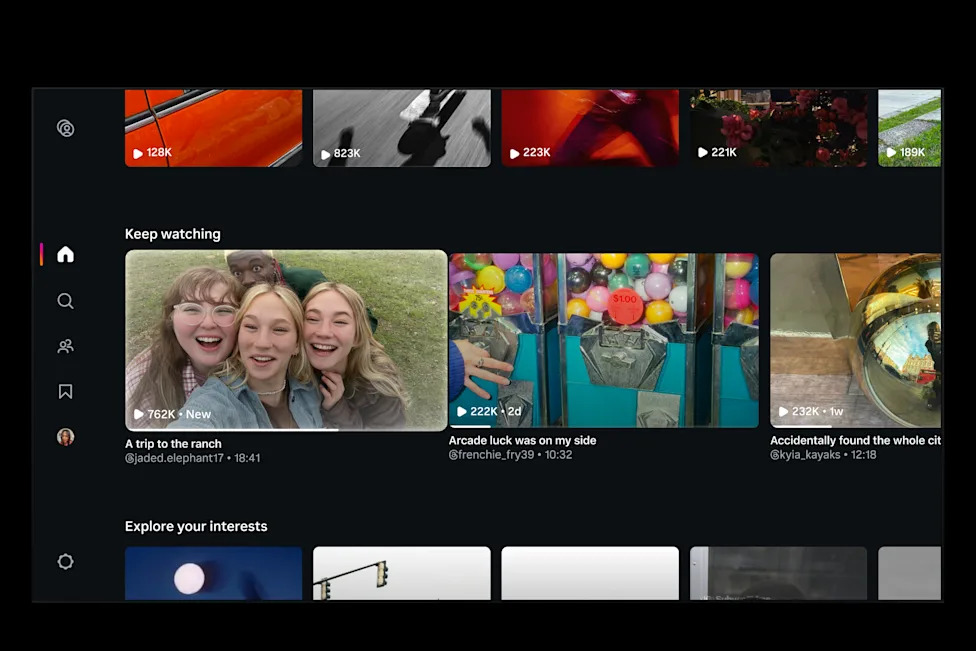
- Content Variety: Users can watch Reels, Features, Series, and Channels on their HDTVs.
- Social Integration: A “Friends” tab allows users to see what their friends are watching and catch up on Stories.
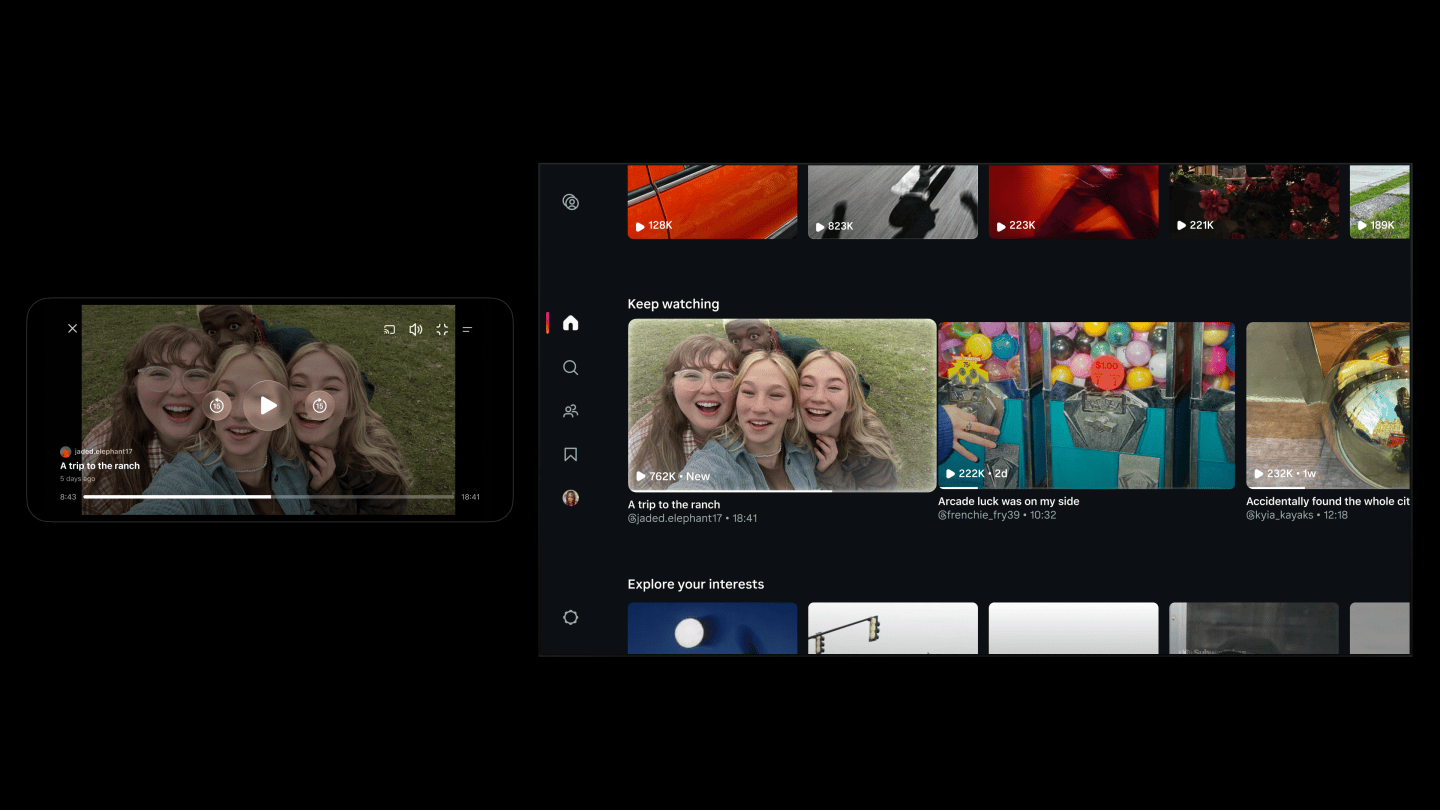
- Mobile Remote Control: A forthcoming feature will allow users to use their smartphones as a remote control for TV playback, including the ability to save content on mobile to watch later on the TV.
- Emma Grede: Podcast host and Skims co-founder.
- Monet McMichael: Beauty and fashion creator.
- Preston Rakovsky: Interviewer focusing on relationship content.
- Donald De La Haye: Football content creator.
- Behavioral Shifts: Can Instagram successfully transition users from a high-frequency “scrolling” habit to a lower-frequency “watching” habit?
- Content Quality: Will the platform be able to attract high-tier, professional-grade content that can compete with established streaming services?
- Platform Friction: Will the introduction of horizontal video and long-form content dilute the user experience for those who primarily use Instagram for social connection?
- Late 2026 / Early 2027: The expected full rollout of the “Features” format to the broader United States market.
- End of 2026: Continued expansion of the “Series” feature to more international markets.
- 2027: The planned expansion of Live video integration into the Reels tab for the U.S. market, following successful tests in Indonesia and Brazil.
- www.hollywoodreporter.com
- 9to5google.com
- malaysia.news.yahoo.com
- variety.com
What Happened: The Launch of “Features”
On October 26, 2026, Instagram officially began testing a new product called “Features” with a select group of creators in the United States. According to reports from The Hollywood Reporter and 9to5Google, this initiative allows for the upload of horizontal, long-form content such as podcasts, vlogs, interviews, and episodic series. This represents a departure from the platform’s traditional vertical-first orientation.
To facilitate discovery, Instagram is implementing a “funnel” system. Creators can post up to eight short-form Reels—typically lasting three minutes or less—that act as promotional entry points. These Reels will include direct links that allow viewers to transition seamlessly into the full-length “Feature.” This strategy aims to leverage Instagram’s existing short-form engagement to build audiences for longer, more immersive storytelling.
Why It Matters: The Battle for Attention
The move toward long-form content is a direct challenge to YouTube’s dominance in the long-form video space. For years, Instagram has been optimized for quick, vertical consumption. However, as consumer behavior shifts toward “lean-back” viewing—watching content on large screens rather than scrolling on mobile—Instagram is attempting to capture a larger share of the entertainment landscape.
By introducing horizontal video and expanding to Apple TV, Instagram is positioning itself alongside streaming giants like Netflix and Disney. The goal is to increase the total time users spend on the platform by moving them from high-frequency, low-duration interactions (scrolling Reels) to lower-frequency, high-duration viewing (watching a 90-minute podcast).
Deep-Dive: The Technical and Strategic Ecosystem
The “Features” and “Series” Framework
Instagram is not just testing one new format, but a suite of tools designed for different types of storytelling. While “Features” handles long-form horizontal content, the platform is also expanding “Series.”
Series provides a dedicated home for episodic Reels on a creator’s profile. This feature has been undergoing testing since the spring of 2026 with select creators in the U.S., India, and Mexico. According to The Hollywood Reporter, Instagram has specifically reached out to microdrama studios in Southeast Asia to test how “Series” can support the rising trend of short-form episodic dramas.
Expanding the Living Room: Instagram for TV
Instagram’s presence on television hardware is a cornerstone of this strategy. The platform is already available on Samsung, Fire TV, and Google TV in the U.S. The new launch on Apple TV in the U.S. expands this reach significantly.
Key functionalities for the TV experience include:
Stakeholders and Early Adopters
Instagram’s leadership is framing this as an expansion of creativity. Tessa Lyons, Instagram’s VP of Product, stated in a video announcement alongside Head of Instagram Adam Mosseri that “creativity is so much more than just short-form video or posting carousels.”
Early testers of the “Features” format include a diverse range of content creators, such as:
Instagram vs. YouTube: The Monetization Conflict
The most significant hurdle for Instagram’s new initiative is the economic incentive for professional creators. A primary point of comparison is YouTube’s established creator economy. As noted by The Hollywood Reporter, YouTube offers qualified creators 55 percent of ad revenue, providing a predictable and scalable income stream.
In contrast, Instagram’s current model for long-form content is less formalized. An Instagram spokesperson confirmed that the platform is currently providing direct funding to some creators to support long-form production, but noted that “it’s too early to share a long-term monetization model.”
| Feature | Instagram (“Features”) | YouTube |
|---|---|---|
| Primary Format | Horizontal long-form (testing) | Horizontal long-form (established) |
| Discovery Model | Reels $rightarrow$ Features funnel | Search/Recommendation $rightarrow$ Long-form |
| Monetization | Direct funding (select) / Performance incentives (planned) | Established 55% ad-revenue sharing |
| Primary Strength | Social connection & short-form discovery | Search-based entertainment & long-form |
| TV Presence | Expanding (Apple TV, Samsung, etc.) | Highly established |
The “Connection” Dilemma
Perhaps the most interesting aspect of this shift is the internal tension within Instagram’s leadership. Adam Mosseri admitted that he has historically been against long-form video on the platform. His primary concern was the potential erosion of Instagram’s core social utility.
“I have been against doing long-form video on the platform for a long time,” Mosseri said. He expressed concern that if users spend 10, 20, or 30 minutes watching a single video, they are less likely to engage in the peer-to-peer interactions—such as sending Reels, photos, or carousels to friends—that define the app’s social fabric. Mosseri noted that such long-form consumption could lead to fewer “likes and shares,” potentially weakening the platform’s social connectivity.
However, Mosseri stated he has been “sold” on the need to lean into long-form video and TV integration to ensure the platform remains competitive in the broader entertainment landscape.
What It Means for You
For Creators
If you are a digital creator, the introduction of “Features” offers a new way to build a “fuller body of work” without leaving the Instagram ecosystem. You can use your existing Reels audience to funnel viewers into deeper, long-form content like podcasts or vlogs. However, until Instagram implements a standardized ad-revenue sharing model, you should view this primarily as a tool for audience building and brand deal integration rather than a direct replacement for YouTube’s monetization.
For Users
If you are a regular Instagram user, expect a more varied content experience. You will soon be able to find more episodic content and long-form interviews within your feed, and you will have the ability to transition your viewing from your phone to your living room television more seamlessly.
For Investors
For those tracking Meta, this move signals a transition from a purely social networking company to a diversified media and entertainment company. Success in this area could significantly increase “time spent” on the platform and open new high-value advertising segments.
Counterpoints and Open Questions
Despite the ambitious rollout, several risks remain. The most immediate is the monetization gap. As noted by 9to5Google, there has already been significant pushback from the creator community in the announcement’s comment sections, with users questioning the incentive to migrate content to a platform that does not offer a transparent revenue share.
Other open questions include:
What Happens Next
The rollout of Instagram’s new features will continue throughout late 2026 and into 2027. Key milestones to watch include:
Frequently Asked Questions
How long can Instagram “Features” videos be?
Instagram is currently testing video lengths of up to 90 minutes for its new “Features” format. These are intended to be horizontal videos suitable for content like podcasts, interviews, and vlogs.
How does Instagram plan to pay creators for long-form video?
Currently, Instagram does not have a formal ad-revenue sharing model comparable to YouTube’s 55% share. Instead, the platform is providing direct funding to certain creators and is “exploring ways for creators to earn from brands, fans and Instagram, including performance-based incentives.”
Can I watch Instagram on my TV?
Yes. Instagram is available on Samsung, Fire TV, and Google TV in the U.S. It has also recently launched on Apple TV in the U.S. The TV interface allows you to watch Reels, Features, Series, and Channels, and includes a “Friends” tab to see what your connections are watching.
How do I find long-form videos on Instagram?
Instagram is using its Reels infrastructure to help users discover long-form content. Creators can post short clips (up to eight per video) as Reels, which will include a link that allows you to click through and watch the full-length “Feature.”
Instagram’s pivot toward long-form video and television integration represents a massive undertaking to redefine the platform’s identity
References
Featured image: Image via Yahoo News Malaysia


One thought on “Instagram Long-Form Video: Why the Pivot Matters for Creators”