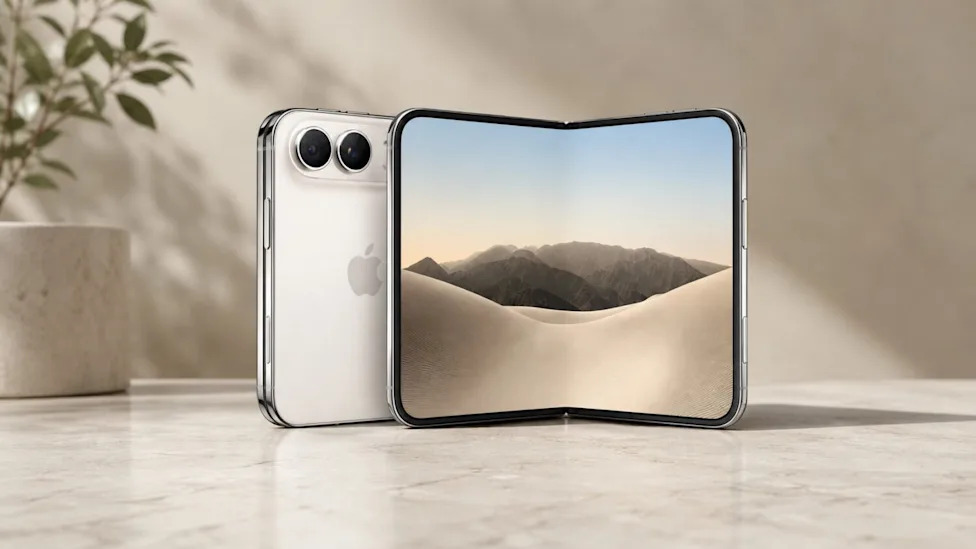
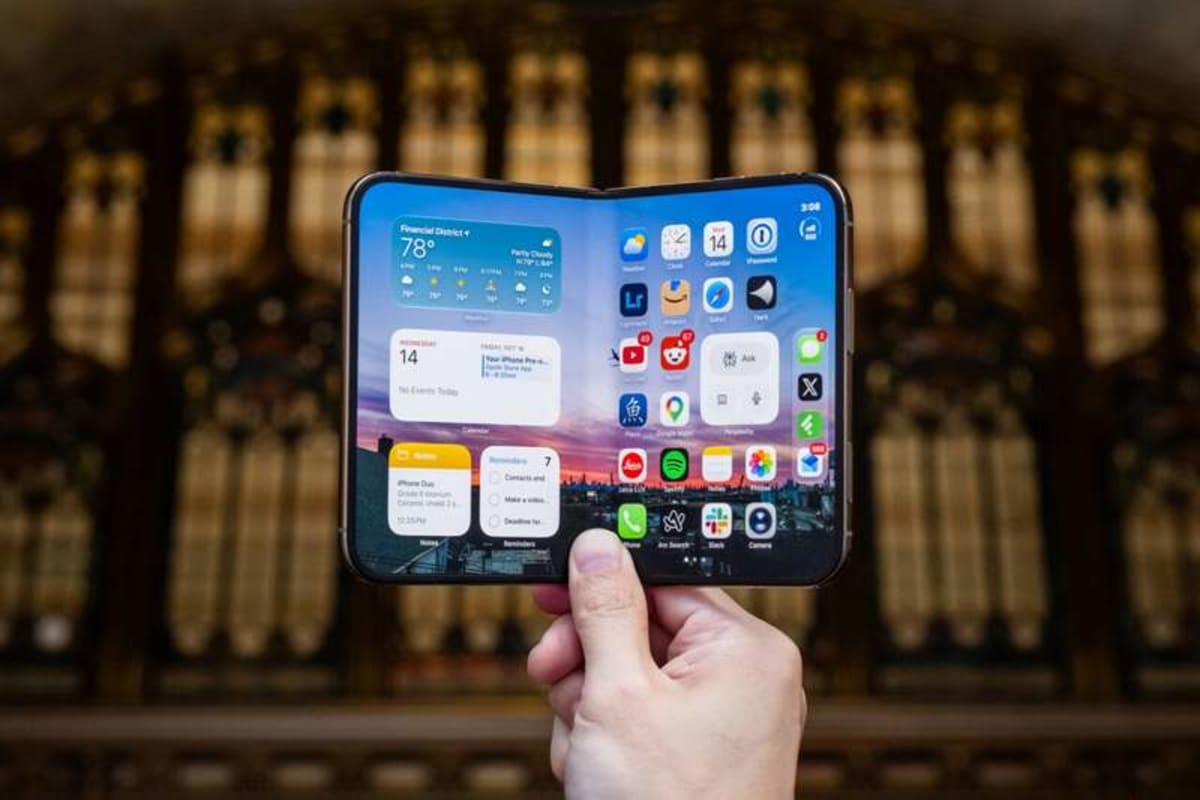
The iphone Duo apple's Entry Matters”>nano-texture layer is a critical engineering component of Apple’s first foldable smartphone, designed to provide a matte, paper-like viewing experience while masking the inevitable crease of a flexible display. While this specialized coating offers significant benefits for glare reduction and visual consistency, a recent viral demonstration has highlighted the severe aesthetic and structural risks associated with attempting to remove it.
Key Takeaways
- Integrated Component: The nano-texture is a functional part of the display system, not a removable screen protector.
- Visual Risks: Peeling the layer reveals a glossy, wrinkled, and uneven surface that compromises the device’s premium look.
- Repair Solutions: Apple provides a professional nano-texture replacement path for $19 for customers enrolled in AppleCare+ in the United States.
- High Demand: Pre-orders for the $1,999 device sold out within minutes, leading to shipping delays extending into late January 2027.
- Design Trade-off: The matte finish prioritizes glare control and crease masking over the high color vibrancy found on glossy displays.
- Reflection Management: By diffusing incoming light, the matte surface significantly reduces glare, making the screen more readable in various lighting conditions.
- Crease Masking: The textured surface helps to visually soften the appearance of the fold crease, making it less prominent to the user.
- Aesthetic Consistency: The layer provides a consistent, “paper-like” texture that remains stable across the flexible area of the panel.
- Initial User Reviews: The first wave of professional reviews will provide more nuanced data on the actual color accuracy and black levels of the nano-texture display compared to Samsung’s glossy offerings.
- Supply Chain Stabilization: Analysts will be watching to see if Apple can accelerate delivery timelines or if the January 2027 estimates become the new norm for the foreseeable future.
- Third-Party Accessory Market: The launch will likely trigger a wave of specialized protective accessories, though users must be wary of any products that claim to alter the existing nano-texture.
- Market Share Shifts: The success or failure of the iPhone Duo will serve as a bellwether for whether Apple can successfully capture a significant portion of the premium foldable market currently dominated by Samsung.
- tech.yahoo.com
- www.aol.co.uk
- gizmodo.com
The Viral Discovery: A Warning to Consumers
On October 22, 2026, the tech community was alerted to the delicate nature of the iPhone Duo display when social media personality Ice Universe shared a video on X (formerly Twitter). The footage demonstrated the results of peeling the matte nano-texture layer off an iPhone Duo inner display, revealing what the creator described as a “shocking secret.”
According to the video, once the specialized matte film was removed, the underlying foldable display appeared “hideous,” characterized by a glossy, wrinkly, and uneven surface. The visual result was the complete opposite of the smooth, premium experience Apple intended for its flagship foldable. The video has since served as a cautionary tale for early adopters, illustrating that the nano-texture is not an optional accessory but a fundamental part of the display’s architecture.
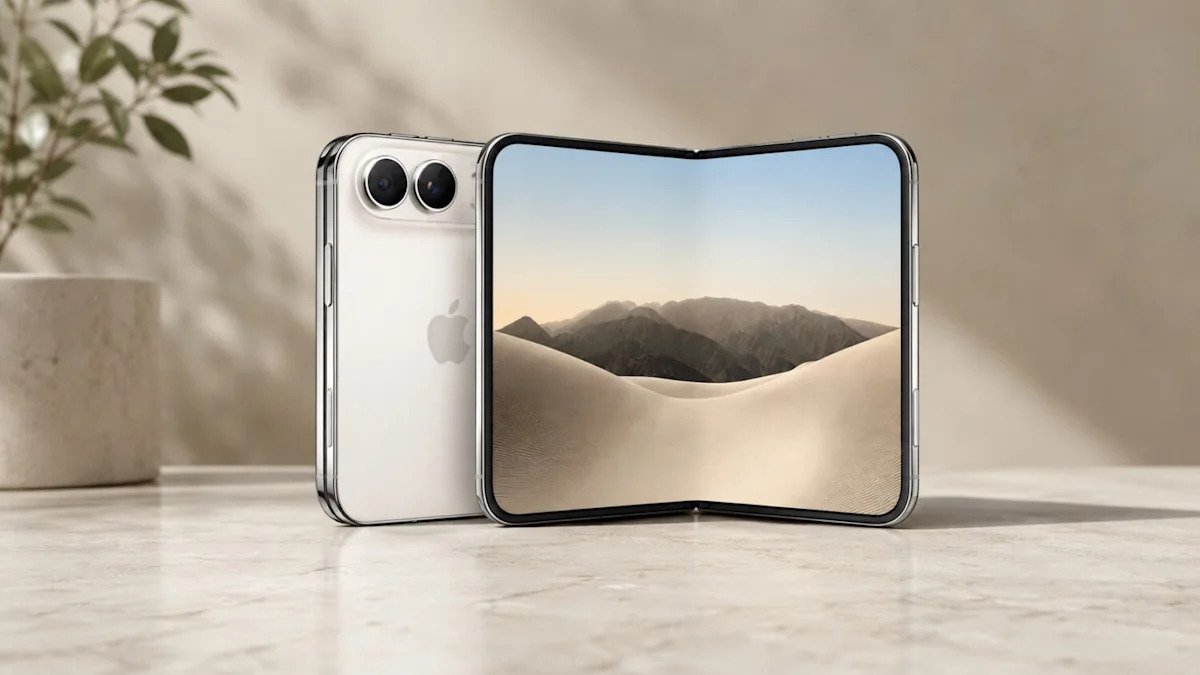
While the video has sparked intense discussion regarding the construction of the display, it is important to note that it is unconfirmed whether the unevenness seen in the video was caused by the peeling process itself or if the underlying panel was inherently irregular. However, the visual evidence clearly demonstrates that the nano-texture layer is essential for maintaining a uniform appearance on the device’s flexible screen.
Why the iPhone Duo Nano-Texture Matters
For a device starting at a premium price point of $1,999, the visual integrity of the screen is paramount. Apple’s decision to implement a nano-texture layer on the iPhone Duo is a strategic response to the unique challenges of foldable technology. Unlike traditional rigid smartphones, foldable displays must contend with a physical crease where the screen bends, as well as the inherent difficulty of managing light reflections on a moving, flexible surface.
According to technical analysis of the device, the nano-texture serves three primary functions:
However, this functionality comes with a qualitative trade-off. Users opting for the iPhone Duo must balance the benefits of glare reduction against the superior color vibrancy and deep black levels offered by the glossy displays found on competing devices.
Technical Comparison: Matte vs. Glossy Displays
To understand the choice Apple has made, it is helpful to compare the iPhone Duo‘s approach with the glossy technology utilized by competitors like Samsung in their Galaxy Z Fold 8 series.
| Feature | Matte Nano-Texture (iPhone Duo) | Glossy Display (e.g., samsung galaxy Z Fold 8) |
|---|---|---|
| Primary Benefit | Reduced reflections and superior glare control | Highly vivid colors and deep black levels |
| Crease Management | Effectively masks the visual prominence of the fold | Surface irregularities/creases may be more visible |
| Visual Trade-off | Colors may appear less vibrant; blacks are less deep | Higher susceptibility to ambient light reflection |
| Surface Quality | Engineered for a matte, paper-like aesthetic | Produces a “punchy” and highly reflective finish |
The Economics of Demand and Supply
As the iPhone Duo prepares for its official launch on Friday, October 23, 2026, the market response has been unprecedented. Following the opening of pre-orders on October 16, 2026, all available colors and storage configurations sold out within minutes.
In a statement sent to Gizmodo, Apple characterized the pre-order demand as “nothing short of extraordinary.” This massive surge in interest has created significant logistical challenges. While Apple expressed that it is “working hard to get this revolutionary new product into customers’ hands as quickly as possible,” the reality for many consumers is a lengthy wait.
Currently, customers in the United States attempting to order the device are seeing delivery estimates that have slipped from the initial October window into late January 2027. Specifically, some orders are currently projecting a delivery date of January 25, 2027. This delay underscores the difficulty of scaling production for such a complex, new hardware category.
Because of these supply constraints, Apple has clarified that while demo units will be available for customers to experience at Apple Stores worldwide, there is no guarantee that retail locations will have sufficient stock for immediate purchase on launch day.
What It Means for You
If you are planning to purchase or have already pre-ordered an iPhone Duo, there are several practical implications to consider regarding the maintenance and use of your device:
Avoid DIY Modifications
Under no circumstances should you attempt to peel, modify, or apply aftermarket films to the inner display. The nano-texture is an integrated component. Attempting to remove it will not result in a “cleaner” glossy screen; instead, it will likely reveal a bumpy, uneven, and visually unappealing surface, as demonstrated by Ice Universe. Such actions will almost certainly void any warranties and could lead to permanent damage to the underlying flexible OLED assembly.
Prioritize AppleCare+
Given the specialized nature of the iPhone Duo display, enrolling in AppleCare+ is highly recommended. For customers in the United States, Apple has established a professional repair path that allows for the replacement of the nano-texture layer for a relatively low fee of $19. This is a critical safety net for a device that represents a significant financial investment.
Manage Your Expectations
If you are looking for the most vibrant, high-contrast display possible, you may find the matte finish of the iPhone Duo to be a compromise. If your primary use case involves high-intensity color work or watching content in dark environments where deep blacks are essential, you may want to compare the device in person at an Apple Store before committing. Conversely, if you frequently use your device in bright or outdoor environments, the glare-reduction benefits of the nano-texture may be the deciding factor.

Counterpoints and Open Questions
While the viral video has provided a stark warning, some technical observers have raised questions regarding the validity of the demonstration. A primary point of contention is whether the “hideous” appearance of the screen was a direct result of the peeling process or if the underlying panel was already flawed. The video cannot independently verify the initial condition of the display or the specific lighting conditions used to highlight the unevenness.
Furthermore, there remains an open question regarding the long-term durability of the nano-texture. While Apple offers a $19 replacement through AppleCare+, it is not yet clear how the layer holds up to daily wear, such as fingernail scratches or the repetitive motion of folding and unfolding the device over several years.
Additionally, the debate between matte and glossy displays remains subjective. While critics point to the loss of color depth in matte screens, proponents argue that the reduction in eye strain and glare provides a more comfortable long-term user experience. As more long-term reviews emerge, the industry will likely see a clearer consensus on which approach is superior for the foldable form factor.
What Happens Next
As the iPhone Duo officially hits the market on October 23, 2026, several key developments will be worth watching:
Frequently Asked Questions
Can I remove the matte film from the iPhone Duo screen?
No. You should not attempt to peel the nano-texture layer off the iPhone Duo. Unlike a standard screen protector, the nano-texture is an integrated part of the display’s functional design. Removing it will reveal an uneven, wrinkled, and glossy surface underneath, which can permanently damage the aesthetic and structural integrity of your device.
How much does it cost to replace the nano-texture layer?
For customers in the United States who are enrolled in AppleCare+, Apple offers a professional replacement of the nano-texture layer for $19. It is highly recommended to use this official service rather than attempting any DIY repairs, which could lead to much more expensive damage to the display assembly.
Why is my iPhone Duo delivery date so far away?
The iPhone Duo has seen “extraordinary” demand, with pre-orders selling out within minutes of their launch on October 16, 2026. This high volume has led to supply chain delays, with many customers currently facing estimated delivery dates in late January 2027. Apple is working to increase production to meet this demand.
Is the iPhone Duo screen better than a Samsung foldable?
This depends on your preference. The iPhone Duo uses a matte nano-texture that is excellent at reducing glare and masking the screen crease, making it look more like paper. However, it may have less vibrant colors and less deep blacks than the glossy displays used on devices like the Samsung Galaxy Z Fold 8. You should visit an Apple Store to compare them in person.
—
The launch of the iPhone Duo marks a significant milestone for Apple in the foldable market, but it also introduces new complexities for device maintenance and consumer expectations
References
Featured image: Image: Apple – Gadget Review — via Yahoo Tech