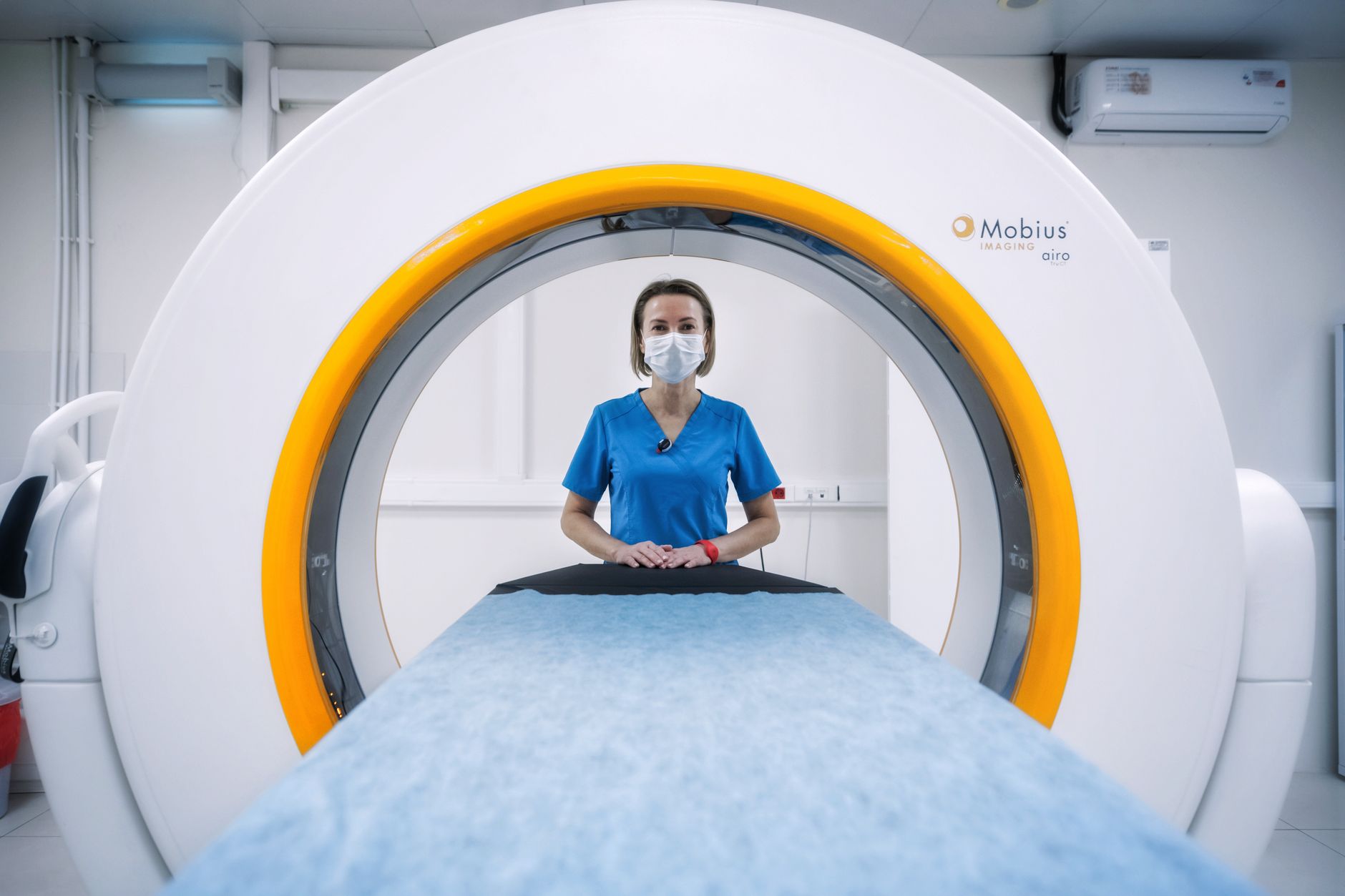
The FDA clearance of the TumorSight Risk AI tool marks a significant milestone in oncology, offering a non-invasive way to predict the likelihood of breast cancer returning. Developed by the Chicago-based medical technology company SimBioSys, this artificial intelligence software provides clinicians with a quantitative method to estimate recurrence risk using data that is already part of a patient’s standard medical record.
Key Takeaways
- FDA Clearance Granted: The U.S. Food and Drug Administration has officially cleared the TumorSight Risk AI software for clinical use.
- Non-Invasive Methodology: Unlike many traditional genomic assays, the tool requires no new biopsies or specialized hardware, utilizing existing MRI, pathology, and clinical data.
- Targeted Application: The software is specifically indicated for patients with hormone receptor-positive (HR+), human epidermal growth factor receptor 2-negative (HER2-) breast cancer.
- Personalized Risk Scoring: The AI generates a score from 0 to 100, categorizing patients into low, intermediate, or high-risk groups for both 5-year and 10-year recurrence windows.
- Clinical Validation: A study of 2,129 women showed that high-risk patients faced a 2.71 times higher recurrence hazard than those in the low-risk group.
- Imaging Data: The AI analyzes the tumor and the surrounding tissue structures as captured in a patient’s existing breast MRI. This provides “spatial information” about the tumor’s environment.
- Pathological Factors: The tool incorporates cancer stage, nodal status, and cancer grade.
- Clinical and Demographic Data: The software includes the patient’s age and race to refine the statistical model.
- Insurance Coverage: SimBioSys is currently working with Medicare, Medicaid, and private insurers to secure coverage for the test. Widespread adoption will likely depend on whether these payers recognize the tool’s cost-effectiveness in preventing over-treatment.
- Clinical Integration: The speed at which radiologists and oncologists incorporate AI-derived scores into standard clinical decision-making protocols will be a key indicator of its utility.
- Comparative Studies: The medical community will be looking for head-to-head studies comparing the accuracy and clinical outcomes of TumorSight Risk against established genomic testing standards.
- www.livenowfox.com
- oncodaily.com
- www.fox6now.com
- abcnews.com
What Happened: A Regulatory Milestone for SimBioSys
On October 18, 2026, reports indicated that the U.S. Food and Drug Administration (FDA) granted 510(k) clearance to TumorSight Risk, an AI-driven software developed by SimBioSys. This clearance allows medical professionals to use the tool to assist in predicting whether invasive breast cancer will recur in a patient following their initial treatment.
Based in Chicago, SimBioSys has positioned TumorSight Risk as a pioneering technology in the field. According to company representatives, it is the world’s first AI-powered tool that derives its predictive capabilities directly from MRI data. By integrating the spatial and biological information captured during a standard breast MRI with routine clinical and pathological findings, the software offers a level of prognostic insight that was previously unavailable through imaging alone.
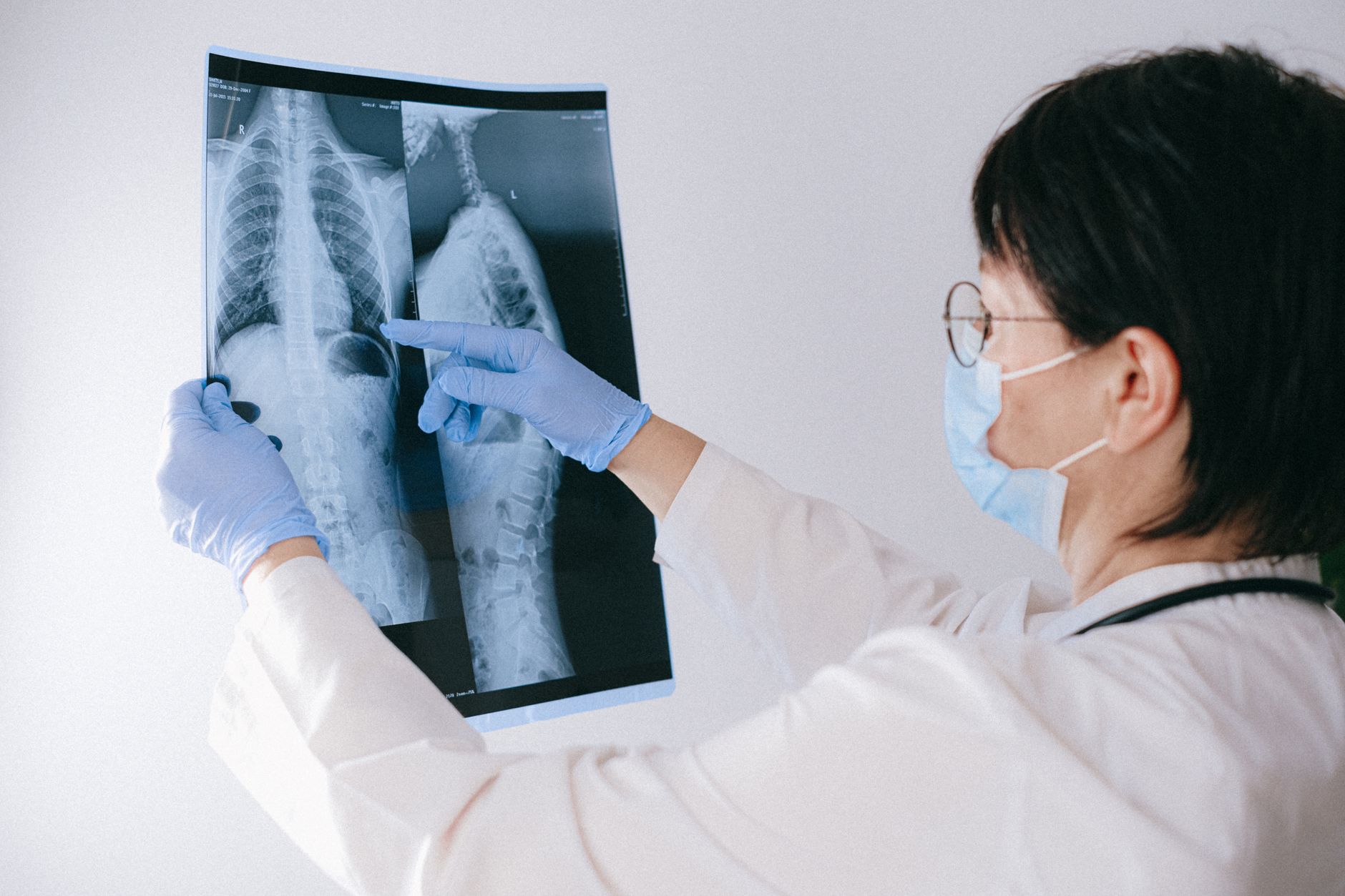
To power these complex calculations, SimBioSys utilizes NVIDIA technology. Kimberly Powell, vice president of healthcare at NVIDIA, told ABC News that the software leverages NVIDIA’s Graphics Processing Units (GPUs) to synthesize complicated MRI data and vast amounts of medical history—information that may be too dense for human clinicians to synthesize manually.
Why It Matters: The Scale of the Breast Cancer Challenge
The timing of this technological advancement is critical given the rising epidemiological trends in breast cancer. According to the American Cancer Society (ACS), breast cancer remains a massive public health concern, accounting for approximately 1 in 3 new cancer diagnoses in women annually.
Looking toward the near future, the ACS has provided sobering forecasts for 2026. The organization estimates that nearly 322,000 new cases of invasive breast cancer will be diagnosed in women that year, with approximately 42,000 women expected to die from the disease.
For many patients, the period following a diagnosis is defined by a single, recurring question: “What is the likelihood that my cancer will come back?” Currently, doctors rely on a combination of tumor stage, grade, and genomic testing to answer this. However, genomic tests often require the shipment of physical tissue samples to specialized labs, which can delay the decision-making process. TumorSight Risk aims to bridge this gap by providing data earlier in the treatment journey.
The Science of TumorSight Risk AI: How It Works
The technical core of TumorSight Risk lies in its multimodal approach to data. Rather than looking at a single variable, the AI examines a holistic dataset to build a personalized risk profile. The software processes several key inputs:
By combining these elements, the AI generates a numerical score between 0 and 100. This score is then used to classify the patient into one of three categories: low, intermediate, or high risk. Crucially, the tool provides two distinct windows of prediction: a 5-year recurrence risk and a 10-year recurrence risk.

Clinical Validation and Statistical Significance
The clinical foundation for this tool was presented at the 2026 American Society of Clinical Oncology (ASCO) meeting. Researchers conducted a multicenter validation study involving 2,129 women. The results demonstrated the tool’s ability to effectively differentiate between patients at varying levels of risk.
According to the data presented, each 10-point increase in the AI-generated score was associated with a 22% increase in relative recurrence risk. The study also found that the prognostic significance of the tool remained statistically significant ($p=0.002$) even after adjusting for critical variables such as tumor/node (T/N) stage, grade, age, race, and treatment type.
| Risk Metric | Low-Risk Group | High-Risk Group |
|---|---|---|
| 5-Year Recurrence-Free Survival | 95.5% | 89.6% |
| Recurrence Hazard Ratio | Baseline | 2.71x higher |
| Risk Score Threshold | < 47 | $ge$ 47 |
Stakeholder Perspectives: A Shift in Oncology
The emergence of this technology has drawn reactions from leaders across the medical and technological sectors.
Stacey Stevens, President and CEO of SimBioSys, emphasized the patient-centric goal of the software. “After a breast cancer diagnosis, one of the biggest questions women ask is, ‘What is the likelihood that my cancer will come back?’ TumorSight Risk helps doctors answer that question,” Stevens told ABC News. She added that the insight can be available before surgery, allowing patients to face treatment decisions with “greater clarity and confidence.”
From a clinical standpoint, Poornima Saha, MD, a breast medical oncologist at Endeavor Health, noted that the tool could help build a more complete picture alongside established tests. “The goal is to weigh the options with each patient, taking her risk, potential side effects and personal priorities into account,” Saha said. She specifically highlighted the importance of these conversations for hormone receptor-positive patients, who must often decide whether to continue hormone-blocking therapies long after their initial treatment.
However, medical experts are also calling for a measured approach. Matthew Kurian, a physician at St. Elizabeth Healthcare, pointed out a vital distinction in how this tool should be used. “FDA clearance permits marketing for its intended use, not proof of improved outcomes,” Kurian noted. He further clarified that the tool is “prognostic” (predicting a likely outcome) rather than “predictive” (predicting how a patient will respond to a specific treatment like chemotherapy).
Jasmin Hundal, formerly of the Cleveland Clinic, viewed the clearance as a sign of a broader industry shift. “What stands out to me is the shift from AI for detection to AI for prognostication,” Hundal said. She suggested that the future of the field likely lies in “multimodal risk prediction,” where imaging, pathology, genomics, and clinical data are all integrated into a single, individualized assessment.
What It Means for You
The practical implications of TumorSight Risk AI vary depending on your role in the healthcare ecosystem.
For Patients
If you have been diagnosed with HR+/HER2- breast cancer, this tool may offer a new way to understand your long-term outlook. Because the tool uses an MRI you have likely already undergone, it does not require additional invasive procedures or new biopsies. This could mean receiving a personalized risk score sooner, which may help you and your doctor decide on the intensity of treatments like chemotherapy or radiation.
Note: A woman is generally considered at “average risk” if she does not have a personal history of breast cancer, a strong family history, a known gene mutation (such as BRCA), or a history of chest radiation before age 30. If you fall outside these parameters, ask your care team if TumorSight Risk is an appropriate option for your specific case.
For Clinicians and Hospitals
For oncologists and radiologists, the tool offers an opportunity for earlier risk stratification. Being able to estimate risk before surgical pathology is even available allows for more nuanced preoperative discussions. Furthermore, because the software does not require specialized new hardware, it can be integrated into existing hospital workflows more easily than some other advanced diagnostic technologies.

Counterpoints and Open Questions
Despite the excitement surrounding the FDA clearance, several critical questions and limitations remain.
1. Prognostic vs. Predictive Utility
As highlighted by Matthew Kurian, there is a significant difference between predicting if cancer will return and predicting if a treatment will work. TumorSight Risk is a prognostic tool; it estimates the likelihood of recurrence. It does not currently serve as a predictive tool to determine if a specific patient will benefit from chemotherapy versus hormone therapy. Its ability to reduce unnecessary treatments or improve survival rates compared to existing genomic assays like Oncotype DX or Mammaprint remains an open question.
2. Limited Scope of ApplicationThe current FDA clearance is strictly limited to HR+/HER2- breast cancer. It is not indicated for patients with triple-negative breast cancer or HER2-positive disease. This means that for a significant subset of the breast cancer population, this specific AI tool cannot yet be used.
3. Dependency on Data QualityThe efficacy of the AI is entirely dependent on the quality of the existing MRI and pathology data. If the initial imaging is suboptimal or the clinical records are incomplete, the resulting risk score may be less accurate.
What Happens Next
As TumorSight Risk begins to be deployed in hospitals and cancer centers nationwide, several catalysts will determine its long-term success in the oncology market:
Frequently Asked Questions
How does TumorSight Risk AI differ from a traditional biopsy?
Unlike a biopsy, which involves physically removing a tissue sample from the body to examine it under a microscope, TumorSight Risk is a non-invasive software tool. It uses the data already collected from your breast MRI and your pathology reports to run complex algorithms. It does not require any new surgical procedures or additional scans.
Which types of breast cancer can this tool assess?
Currently, the FDA has cleared TumorSight Risk specifically for patients with hormone receptor-positive (HR+) and human epidermal growth factor receptor 2-negative (HER2-) breast cancer. It is not currently cleared for use in patients with triple-negative or HER2-positive breast cancer.
What does the 0-100 score actually mean?
The score is a quantitative estimate of your risk of cancer returning over the next 5 to 10 years. A higher score indicates a higher statistical probability of recurrence. Doctors use this score to categorize you into low, intermediate, or high-risk groups, which helps them tailor your follow-up care and treatment options.
Will this tool replace my current cancer tests?
It is unlikely that this tool will replace established tests like genomic assays or standard pathology in the immediate future. Instead, medical experts suggest it will act as a complementary tool, providing “rich biological and spatial information” that can be used alongside existing clinical findings to create a more complete picture of a patient’s risk.
—
The FDA clearance of TumorSight Risk represents a significant step toward the era of personalized, AI-enabled oncology
References
Featured image: Photo by Max Mishin on Pexels