
The 2026 world series is set to make history as the tampa Bay Rays and the Milwaukee Brewers prepare for a matchup that fundamentally alters the traditional dynamics of the “Fall Classic.” In a significant shift for Major League Baseball, this series will mark only the second time in the history of the sport that two teams with roofed home ballparks meet to decide the championship.
Key Takeaways
- Historic Matchup: This is only the second World Series in MLB history to feature two teams playing in domed or roofed stadiums, following the 2023 series between the Texas Rangers and Arizona Diamondbacks.
- Weather-Proof Play: The use of roofed stadiums at both home venues is expected to eliminate the volatile autumn weather that has historically disrupted or defined World Series gameplay.
- Home Field Dominance: Both the Tampa Bay Rays and the Milwaukee Brewers enter the series with massive home-field advantages, having tied for the most home wins in the Major Leagues with 55 apiece.
- Rays’ Resilience: For Tampa Bay, this championship run serves as a landmark moment in their first season back at a revitalized Tropicana Field following the devastation caused by Hurricane Milton in 2024.
- Game 1 Details: The series kicks off this Friday at American Family Field in Milwaukee, with the first pitch scheduled for 8:00 p.m. ET.
- Consistent Ball Flight: Without wind to push or pull a fly ball, hitters can rely on more predictable contact.
- Surface Stability: Infield dirt and turf remain consistent, reducing the risk of slips or unpredictable bounces.
- Fan Atmosphere: The acoustic properties of a domed stadium can amplify crowd noise, creating a high-pressure environment for visiting players.
- www.aol.co.uk
- taungdailynews.com
- xgalx.com
- www.foxweather.com
A New Era for the Fall Classic
As the 2026 World Series approaches, the baseball world is bracing for a series that prioritizes consistency over the chaos of the elements. The matchup between the Tampa Bay Rays and the Milwaukee Brewers represents a growing trend in professional sports: the move toward controlled environments to ensure schedule stability and player performance predictability.
According to reports from FOX Weather, the upcoming series will be the second instance of a “dome series” in the Fall Classic. The first occurred in 2023, when the Texas Rangers faced the Arizona Diamondbacks. While the traditional image of the World Series involves unpredictable winds, sudden rain showers, or even snow, this year’s championship will be played under the steady, artificial lights of enclosed stadiums.
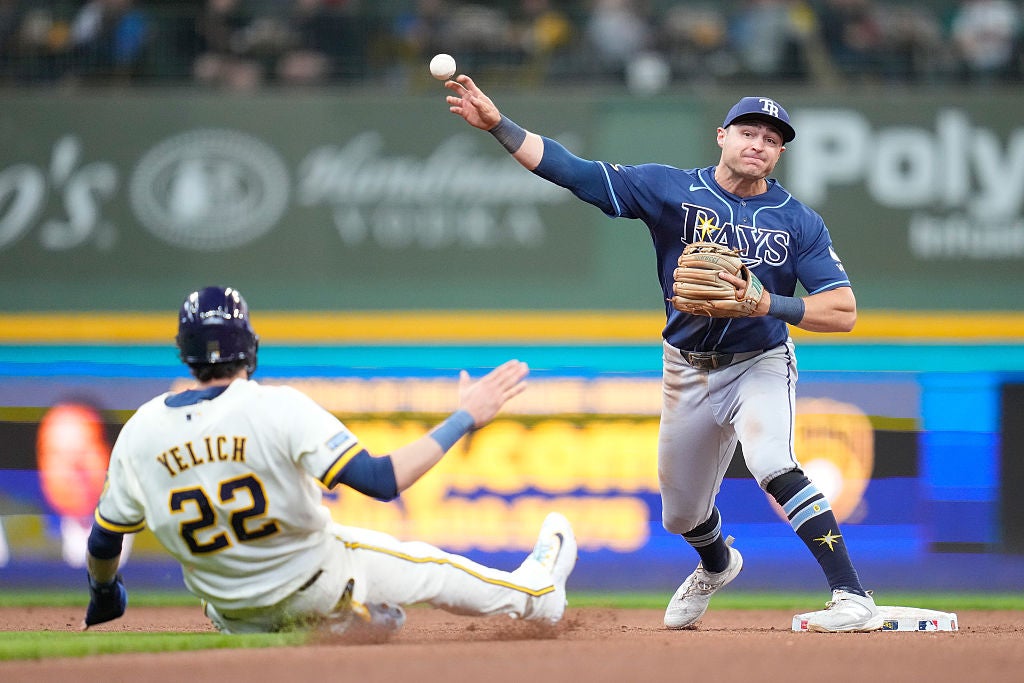
For the Milwaukee Brewers, the series begins on home turf. American Family Field has proven to be a formidable fortress throughout the 2026 season. The Brewers, alongside the Rays, led all of Major League Baseball with 55 home wins, a statistic that underscores the immense advantage of playing in a controlled environment where fans and players alike can adapt to specific, unchanging conditions.
The Impact of Weather on Baseball History
To understand why a dome-to-dome series is so significant, one must look at the long, often chaotic history of weather’s influence on the World Series. For decades, the “Fall Classic” has been as much a battle against the atmosphere as it has been a battle between athletes.
Historically, volatile autumn weather has provided the backdrop for some of the most iconic and controversial moments in baseball lore. The elements have the power to pause momentum, alter the flight of a ball, and even postpone entire games, creating a sense of drama that many fans cherish—but which also introduces massive logistical challenges.
A Timeline of Atmospheric Drama
| Year | Event | Impact on the Series |
|---|---|---|
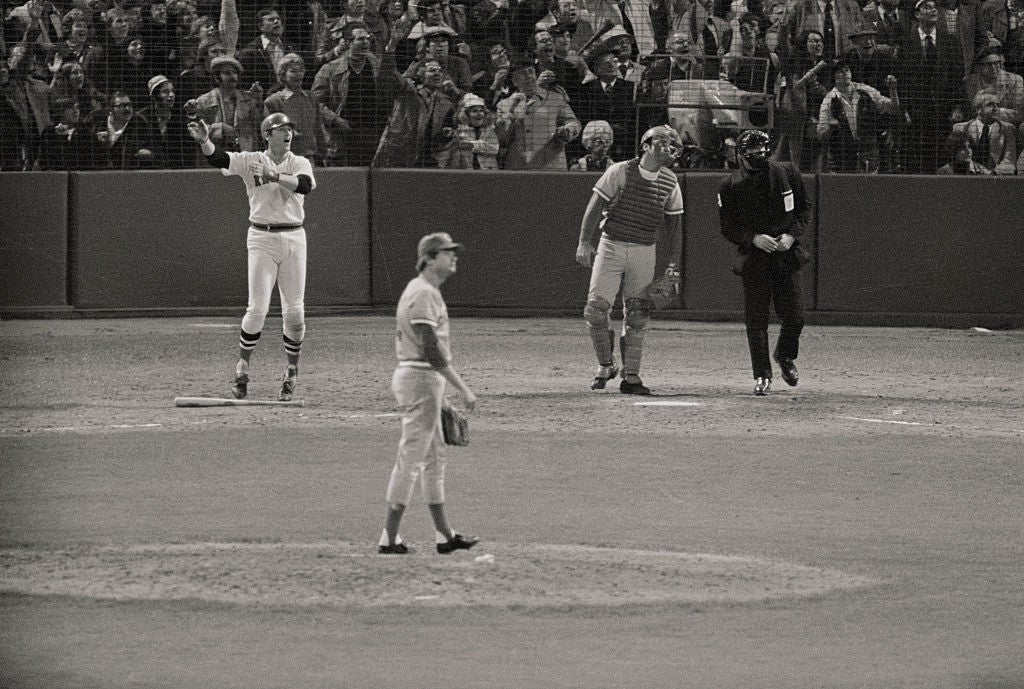
| 1975 | Game 6 at Fenway Park | Heavy rain caused a three-day postponement; Carlton Fisk famously hit a walk-off home run in the 12th inning. |
| 1997 | Game 4 in Cleveland | Extreme cold and snow impacted players from both the Florida Marlins and the Cleveland Indians. |
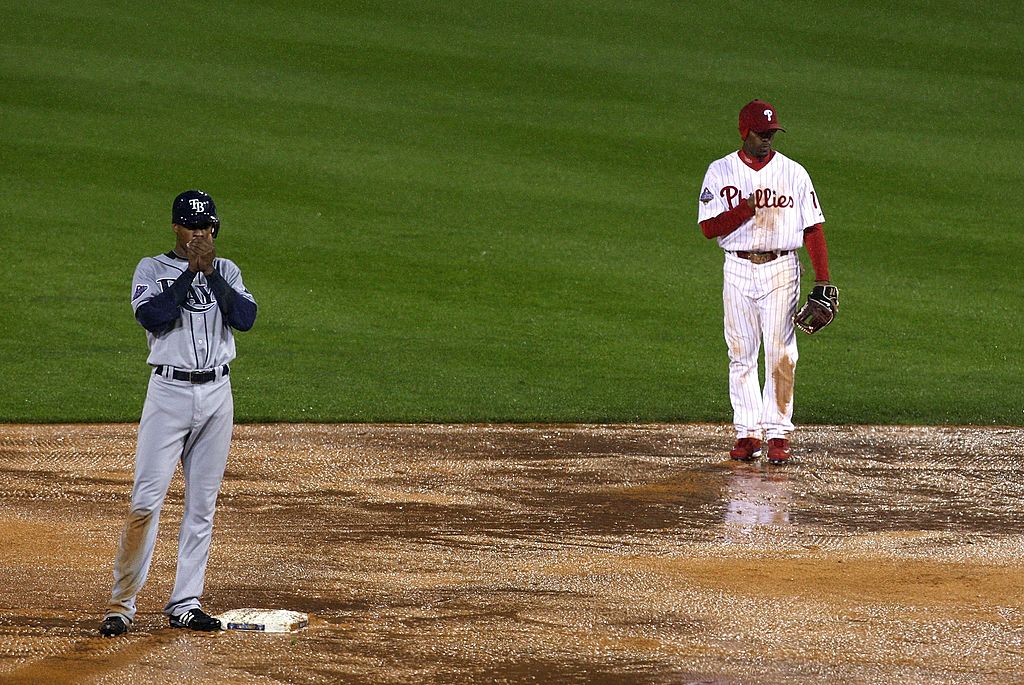
| 2008 | Game 5 (Rays vs. Phillies) | Heavy rain led to the first suspended game in Fall Classic history, with play resuming two days later. |
| 2016 | Game 7 in Cleveland | A 17-minute rain delay occurred following a home run by Rajai Davis, adding tension to a historic Game 7. |
These instances highlight how the environment has acted as a “third player” on the field. In 1975, the wind at Fenway Park played a crucial role in the trajectory of Carlton Fisk’s legendary home run. In 1997, the biting cold in Cleveland became a primary narrative of the game. Even in 2008, the Tampa Bay Rays were themselves participants in a weather-plagued series, enduring a rain-soaked Game 5 that was suspended and eventually won by the Philadelphia Phillies when play resumed.
By removing these variables, the 2026 World Series offers a different kind of narrative—one focused purely on tactical execution and athletic prowess, free from the interruption of a sudden downpour or a freezing cold snap.
The Resilience of the Tampa Bay Rays
While the weather may be controlled, the journey to this World Series has been anything but predictable for the Tampa Bay Rays. The team’s presence in the Fall Classic is a testament to organizational resilience, particularly following the natural disasters that struck their home region.
In 2024, Hurricane Milton caused devastating damage to Tropicana Field, the Rays’ long-time home. The stadium, which had already seen its share of history, faced significant structural and functional challenges due to the storm. The 2026 season marks the team’s first full year back at the facility after extensive repairs and renovations.
For the Rays, reaching the 2026 World Series is more than just a sporting achievement; it is a symbol of recovery for both the franchise and the Tampa Bay community. The ability to host championship-level baseball in a stadium that was recently battered by a major hurricane adds a layer of emotional weight to their pursuit of a title.
Analyzing the Home-Field Advantage
In a series where the environment is constant, the importance of home-field advantage becomes even more pronounced. The Milwaukee Brewers and the Tampa Bay Rays have both mastered the art of winning at home.
With 55 home wins each, both teams have demonstrated an ability to leverage their specific stadium environments to secure victories. In a dome, the advantages are often more subtle than in an outdoor park. They include:
For the Brewers, American Family Field will be the stage for Game 1. The familiarity of the lighting, the bounce of the ball, and the specific atmosphere of the Milwaukee crowd will be critical as they attempt to set the tone for the series.
What It Means for You
Whether you are a die-hard baseball fan, a broadcaster, or a traveler, the shift toward a “weather-proof” World Series has practical implications.
For Fans and Spectators
If you are planning to attend the games in person, expect a much higher degree of schedule reliability. The days of arriving at a stadium only to see a game postponed due to lightning or heavy rain are significantly diminished in a dome series. This predictability makes travel planning and ticket logistics much simpler. However, some purists may feel that the “romance” of the Fall Classic—the unpredictable drama of a rain delay or a sudden snowstorm—is being lost in favor of clinical precision.
For Players and Coaches
Athletes can expect a more consistent playing surface and more predictable environmental conditions. This allows for more precise strategic planning. Coaches can prepare for specific ball flight patterns and surface behaviors without having to account for a shifting wind or a damp outfield. This may lead to a higher level of technical play, as the margin for error regarding environmental factors is reduced.
For Broadcasters and Media
For networks covering the 2026 World Series, the elimination of weather-related delays is a massive boon. Scheduling becomes much more manageable, and the risk of losing advertising revenue due to unexpected postponements is virtually eliminated. The “weather-proof” nature of the series provides a stable product for global audiences.
Counterpoints and Open Questions
Despite the advantages of a controlled environment, the move toward dome-heavy matchups raises several questions about the future of the sport.
The Loss of Atmospheric Drama: Critics of the “dome era” argue that the unpredictability of the weather is an essential part of the World Series’ identity. The tension of a rain delay or the grit required to play in freezing temperatures are elements that have defined baseball legends for over a century. Does a series played entirely under artificial lights lose some of its historical soul?
The Disparity of Stadium Access: As more teams invest in retractable roofs and domed structures to ensure revenue stability, a gap may widen between teams with high-tech, weather-proof facilities and those playing in traditional outdoor parks. Will future World Series matchups increasingly favor teams with the financial capital to build controlled environments?
Unanswered Questions: As the series progresses, one remains to be seen: will the lack of weather influence the actual style of play? Will we see an increase in high-scoring games due to more consistent ball flight, or will the controlled environment favor defensive specialists who can master the predictable bounces?

Frequently Asked Questions
Who is playing in the 2026 World Series?
The 2026 World Series features the Tampa Bay Rays and the Milwaukee Brewers. Both teams have had exceptional regular seasons, with the Brewers playing at home in Milwaukee and the Rays playing at Tropicana Field in Tampa.
Why is this series being called a “dome series”?
It is being called a “dome series” because it is only the second time in Major League Baseball history that both participating teams play in stadiums with roofs. This distinguishes it from most World Series, which are played in outdoor stadiums where weather can impact the game.
When and where does Game 1 take place?
Game 1 is scheduled to take place on Friday at American Family Field in Milwaukee, Wisconsin. The game is set to begin at 8:00 p.m. ET.
How many home wins did the Rays and Brewers have?
Both the Tampa Bay Rays and the Milwaukee Brewers tied for the most home wins in the Major Leagues during the 2026 season, recording 55 wins each at their respective home ballparks.
What Happens Next
As the focus shifts to Milwaukee, all eyes will be on the opening pitch of Game 1. The outcome of this first game will be crucial in determining which team can best adapt to the high-stakes, controlled environment of the Fall Classic.
Following the opening games in Milwaukee, the series will move to Tampa, where the Rays will look to utilize their home-field advantage at the newly restored Tropicana Field
References
Featured image: Image via AOL.com

