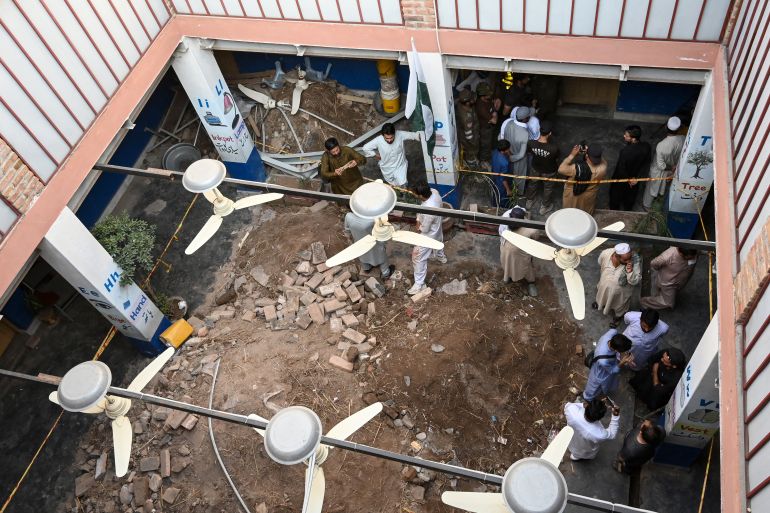
The catastrophic peshawar school roof collapse at the Al-Khair Education Centre has left at least 35 people dead, marking one of the most devastating structural failures in the region’s recent history. On the morning of Thursday, October 15, 2026, a sudden collapse of an upper-floor classroom triggered a violent chain reaction, bringing down multiple levels of the private three-storey school in the Dir Colony area of Peshawar. The disaster, which occurred just as lessons were beginning, has claimed the lives of 34 students and one female teacher, while leaving dozens more injured.
Key Takeaways
- Massive Casualties: At least 35 people were killed, including 34 students (primarily aged 6–12) and one teacher; over 45 others were injured.
- Structural Failure: The collapse originated on an upper floor, causing a domino effect that crushed classrooms on two subsequent levels.
- Immediate Accountability: Peshawar police have arrested the school’s owner, Mohammad Khan, as investigations into building code violations begin.
- Systemic Concerns: The incident follows a pattern of recent fatal structural and fire accidents in Lahore and Islamabad, highlighting a crisis in regulatory oversight.
- Provincial Response: The Governor of Khyber Pakhtunkhwa has ordered an immediate safety audit of all schools across the province.
- Substandard Materials: Police Chief Mian Saeed stated that the building featured “substandard” roof slabs. Furthermore, Al Jazeera reporter Kamal Hyder observed that the three-storey structure appeared to be held together by a precarious mix of steel girders, mud bricks, and wooden beams.
- Overloading: Officials allege the building was “overloaded,” carrying weight that exceeded its structural capacity.
- Temporary Construction: The fact that the school was built on a “temporary basis” suggests it may not have met the rigorous engineering standards required for permanent educational facilities.
- The Provincial Safety Audit: Governor Faisal Karim Kundi has ordered a comprehensive audit of all schools in Khyber Pakhtunkhwa. The findings of this audit will likely dictate whether a wider crackdown on private schools is implemented.
- Criminal Proceedings: The investigation into Mohammad Khan will determine if charges of criminal negligence or manslaughter are filed. The outcome will set a legal precedent for how school owners are held accountable for structural integrity.
- Legislative Action: There is potential for new provincial legislation aimed at tightening the oversight of private educational institutions and mandating stricter building material standards.
- www.aljazeera.com
- www.bbc.com
What Happened in Peshawar
On Thursday, October 15, 2026, at approximately 08:48 local time, the Al-Khair Education Centre was in the midst of morning lessons when the structure began to fail. According to Bilal Faizi, an emergency services spokesperson, the roof of a classroom on the top floor gave way, causing the ceilings of the classrooms directly beneath it to cave in. This secondary collapse trapped numerous children under a heavy layer of concrete, steel, and debris.
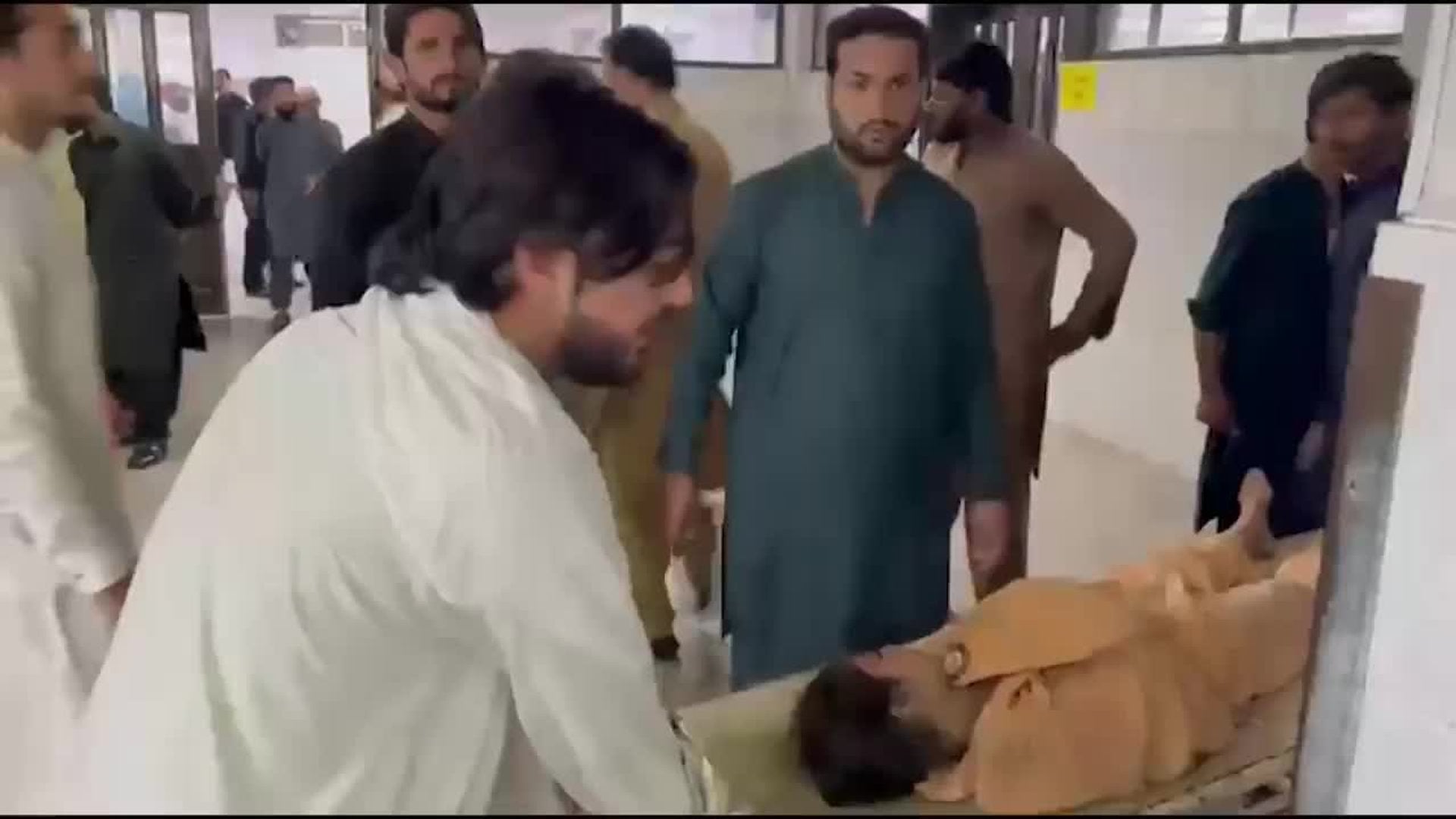
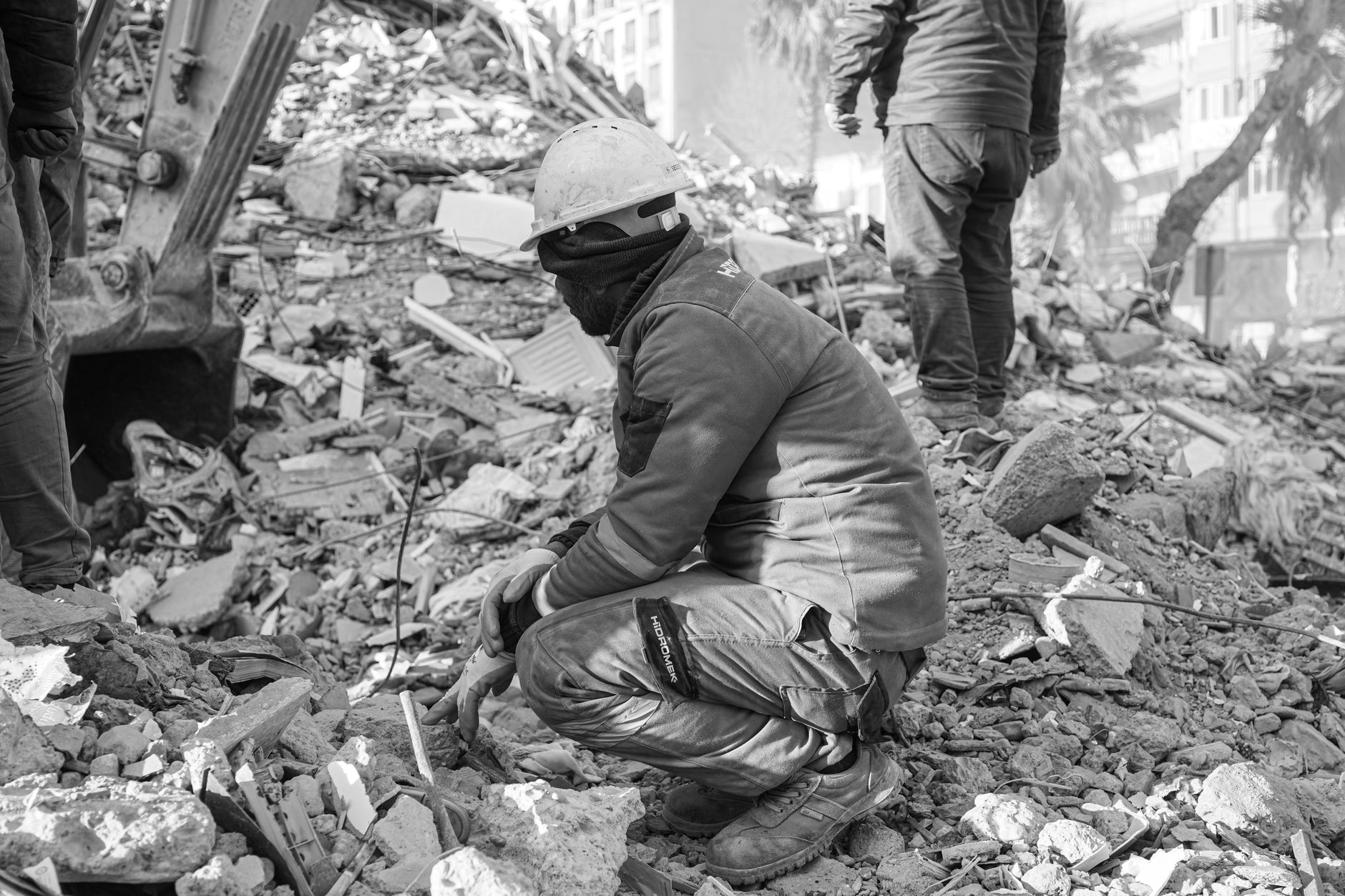
The rescue operation was a frantic mix of professional intervention and civilian bravery. Approximately 100 professional rescuers from Rescue 1122 participated in the extraction, but they were heavily supplemented by local residents and grieving parents. An English teacher from a nearby school described rushing to the scene immediately upon hearing the sirens, joining others to pull children from the wreckage.
“I personally pulled out six children with my own hands,” the teacher told reporters, noting that while many were initially conscious and talking, they ultimately succumbed to their injuries. Other residents, including a man named Sohail, used shovels to manually dig through the rubble in a desperate attempt to reach trapped students. Officials have credited these rapid, localized evacuation and rescue efforts with saving at least 40 lives that might otherwise have been lost.
Investigation into the Peshawar School Roof Collapse
The investigation into the Peshawar school roof collapse is moving swiftly, focusing on whether the Al-Khair Education Centre was operating in violation of provincial safety laws. The Peshawar police have already taken the school’s owner, Mohammad Khan, into custody.
Allegations of Negligence
Authorities are examining several key factors that may have contributed to the structural failure:
The Owner’s Defense
In a counter-claim to the allegations of structural negligence, the school owner, Mohammad Khan, has suggested that environmental factors played a role. He alleged that recent heavy rainfall during the week leading up to the collapse may have weakened one of the roofs, contributing to the sudden failure. This claim remains unverified as investigators conduct a more thorough forensic analysis of the debris.
Casualty and Structural Data Summary
| Category | Reported Data | Source Attribution |
|---|---|---|
| Total Fatalities | At least 35 (34 students, 1 teacher) | Al Jazeera / NewsCord |
| Total Injuries | 45+ children | Rescue Department |
| Victim Age Range | 6 to 14 years old | Al Jazeera |
| Gender of Deceased | Includes 12 girls | Bilal Faizi (Lady Reading Hospital) |
| Primary Cause (Alleged) | Substandard slabs / Overloading | Mian Saeed (Police Chief) |
Why This Matters: A Pattern of Regulatory Failure
The tragedy at Al-Khair Education Centre is not an isolated incident, but rather part of a troubling trend of infrastructure-related deaths in Pakistan. The collapse has reignited a national debate over the government’s ability—or willingness—to enforce building codes in rapidly growing urban centers.
In June 2026, a similar disaster occurred in Lahore, Punjab, where the collapse of a private tuition center killed 14 children. Only two months later, in August, a fire in a neonatal unit at a hospital in Islamabad claimed the lives of 14 newborn babies. An inquiry into that hospital fire revealed a critical lack of basic safety equipment, such as fire alarms and sprinklers.
This pattern suggests a systemic breakdown in the oversight of private institutions. Whether it is schools, tuition centers, or hospitals, the recurring theme is a lack of adherence to safety protocols and the use of substandard construction to minimize costs. The Peshawar school roof collapse serves as a grim reminder that without strict enforcement, the cost of unregulated development is measured in human lives.
What It Means for You
The implications of this disaster extend beyond the immediate victims in Peshawar. Depending on your role in society, the aftermath of this event may change your daily reality:
For Parents and Guardians: Expect increased scrutiny and potentially more frequent inspections of private educational facilities. It may be prudent to ask school administrators for recent structural safety certificates and fire safety compliance documents.
For Property Developers and School Owners: The era of “temporary” or low-cost, substandard construction in educational settings is likely facing a crackdown. Stricter enforcement of the Khyber Pakhtunkhwa building codes is expected, meaning higher compliance costs but significantly lower legal and safety risks.
For Policymakers and Regulators: There is immense political pressure to move beyond reactive measures. The mandate for a province-wide audit suggests that the government is being forced to transition from disaster response to proactive prevention.

Counterpoints and Open Questions
While the initial focus is on criminal negligence by the school owner, several open questions remain that could shift the narrative of the investigation:
The Role of Weather: If Mohammad Khan’s claim regarding recent heavy rainfall is proven true, to what extent does the government share responsibility for failing to provide adequate weather-resilient building guidelines for temporary structures?
The Inspection Gap: Why was a three-storey building constructed with mud bricks and wooden beams allowed to operate as a school in a densely populated colony? Was there a failure in the local municipal licensing process, or were inspections simply not conducted?
The Definition of “Temporary”: What legal distinctions exist between “temporary” and “permanent” structures in Peshawar, and are these distinctions being exploited to bypass safety regulations?
What Happens Next
As the dust settles in Dir Colony, several key developments will determine the long-term impact of this tragedy:
Frequently Asked Questions
How many people died in the Peshawar school collapse?
According to reports from Al Jazeera and local hospital officials, at least 35 people have died. This includes 34 students and one female teacher. The death toll was confirmed by various sources, including Lady Reading Hospital and Naseerullah Khan Babar Memorial Hospital.
Who is being investigated for the Al-Khair Education Centre collapse?
The Peshawar police have arrested the owner of the school, Mohammad Khan. The investigation is focused on whether the building violated provincial building codes, used substandard materials, or was overloaded beyond its weight capacity.
What caused the school roof to collapse?
While the investigation is ongoing, Peshawar Police Chief Mian Saeed has stated that the building was structurally weak, used “substandard” roof slabs, and was “overloaded.” The owner has claimed that recent heavy rainfall may have also contributed to the structural failure.
Are other schools being inspected in Pakistan?
Yes. Following the disaster, the Governor of Khyber Pakhtunkhwa, Faisal Karim Kundi, ordered a safety audit of all schools across the province to identify potential risks and ensure corrective measures are taken.
Closing
The tragedy at the Al-Khair Education Centre is a profound loss for the community of Peshawar and a stark indictment of the safety standards currently governing private educational facilities. As the investigation unfolds and the provincial government begins its safety audits, the focus must remain on ensuring that such a preventable catastrophe never occurs again
References
Featured image: Image via Al Jazeera