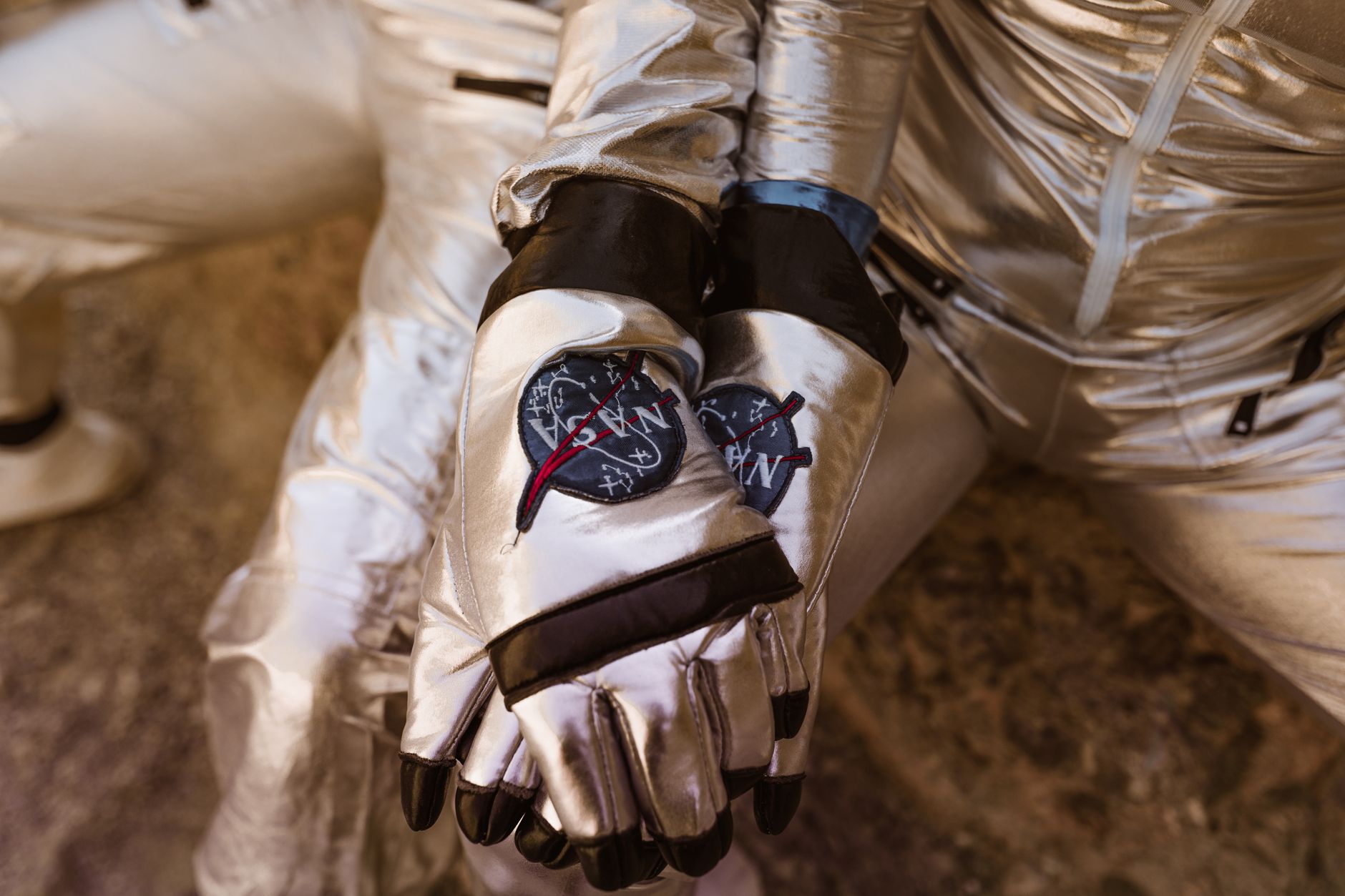
Mini-organs in space are currently being tested aboard the International Space Station (ISS) to determine how microgravity and radiation accelerate the biological processes of aging. This specialized mission, a collaboration between Mount Sinai researchers, NASA, and the aerospace firm Space Tango, aims to use these biological models to better understand neurodegenerative and cardiovascular diseases.
Key Takeaways
- Accelerated Aging Model: Researchers estimate that six months in orbit can simulate 10 to 20 years of biological aging on Earth.
- Biological Specimens: The mission includes up to 16 mini-hearts and peppercorn-sized “miBrains” capable of mimicking both healthy and diseased tissue.
- Advanced Hardware: The organs are housed in a shoebox-sized automated laboratory known as CubeLab.
- Disease Insights: The study focuses on how environmental stressors impact conditions like Parkinson’s and Alzheimer’s.
- Future Mission Support: Findings will help NASA prepare astronauts for long-duration travel to the Moon and Mars.
- Mid-mission data downloads: Scientists will receive telemetry from the CubeLab to ensure the organoids are responding as expected and that the automated systems are functioning correctly.
- The return of biological samples: Once the mission concludes, the physical organoids will be returned to Earth for exhaustive post-flight analysis. This “wet lab” analysis will involve high-resolution imaging and genetic sequencing to compare the space-flown tissue with terrestrial controls.
- Publication of findings: The ultimate catalyst for change will be the peer-reviewed publication of the results, which will dictate the direction of future space biology missions and potentially new directions in geriatric medicine.
- www.newser.com
What Happened
In a recent resupply mission launched via a SpaceX Falcon 9 rocket, scientists successfully delivered a payload of biological models to the International Space Station. According to reports from ABC News and Interesting Engineering, the payload contains specialized “mini-organs” designed to respond to the unique environmental stressors found in low Earth orbit.
These specimens, which include 16 mini-hearts and small, peppercorn-sized brain models referred to as “miBrains,” are being monitored within an automated, shoebox-like laboratory called CubeLab. Developed by Space Tango, this device allows researchers to observe how the organs respond to electrical signals and the physical stress of near-zero gravity.
Unlike traditional two-dimensional cell cultures, these organoids are three-dimensional models that can be engineered to replicate the complexities of human tissue. This allows scientists to study both healthy biological functions and the progression of specific diseases in a controlled, albeit extreme, environment. The mission represents a significant leap in space biology research, moving from studying general physiological changes in astronauts to observing specific cellular responses in isolated organ models.
Why It Matters
The significance of this mission lies in the unique “time-compression” effect provided by the space environment. A Mount Sinai researcher noted that the biological toll of roughly six months in orbit can mirror the aging process of 10 to 20 years on Earth. This provides a high-speed window into the long-term degradation of human cells that would otherwise take decades to observe in a terrestrial laboratory.
By observing how these mini-organs age under the influence of heightened radiation and microgravity, scientists hope to unlock new pathways for treating age-related illnesses. The mission is not merely about understanding the risks to astronauts; it is about leveraging the extreme conditions of space to solve medical mysteries on Earth.
The Impact on Disease Research
The ability to simulate decades of aging in a matter of months is particularly valuable for studying neurodegenerative diseases. The “miBrains” included in the mission are designed to help researchers observe the cellular mechanics of Alzheimer’s and Parkinson’s. Because these diseases are heavily linked to aging and cellular stress, the ISS serves as a unique crucible for testing how these conditions progress when the body’s natural repair mechanisms are challenged by cosmic radiation and the lack of gravitational loading.
Furthermore, the mini-hearts allow for the study of cardiovascular health. Microgravity is known to affect fluid distribution and muscle tone in the human body, often leading to heart atrophy or changes in electrical signaling. By monitoring these miniature hearts, researchers can pinpoint exactly how gravity—or the lack thereof—alters the rhythm and structural integrity of cardiac tissue.
The Science of Mini-Organs and Microgravity
To understand the depth of this mission, it is necessary to look at the technology behind the organoids and the physics of the environment they inhabit.
Understanding Organoids
Organoids are highly organized, three-dimensional structures grown from stem cells that mimic the architecture and function of real human organs. While they are not full-sized organs, they are far more sophisticated than standard cell cultures. They can develop specialized cell types, such as neurons in a brain organoid or cardiomyocytes in a heart organoid, and they can even exhibit spontaneous electrical activity.
In this mission, the researchers have specifically prepared these organoids to represent both healthy and diseased states. This dual approach allows for a comparative analysis: scientists can observe how a healthy mini-heart responds to radiation versus how a heart with pre-existing disease responds. This distinction is critical for developing targeted medical interventions.
The Microgravity Environment
Microgravity is not the total absence of gravity, but rather the state of continuous freefall experienced by the ISS. For biological tissues, this environment removes the mechanical loads that cells on Earth rely on for structural signaling. On Earth, gravity provides a constant stimulus that helps maintain bone density, muscle mass, and even the shape of cellular structures.
When these mechanical signals are removed, cells can undergo rapid changes. This “unloading” of the biological system, combined with the increased exposure to high-energy cosmic radiation, creates a high-stress environment that accelerates cellular senescence—the process by which cells stop dividing and begin to malfunction, a hallmark of aging.
| Feature | Earth Environment | ISS Environment |
|---|---|---|
| Gravity | 1g (Standard) | Microgravity (Near-zero) |
| Radiation Exposure | Shielded by atmosphere | Heightened/Cosmic radiation |
| Aging Rate | Standard biological clock | Accelerated (6 months $approx$ 10-20 years) |
| Mechanical Loading | Constant | Minimal to none |
Stakeholders and Reactions
The mission involves a complex web of scientific, governmental, and private sector stakeholders, each with distinct objectives.
Mount Sinai is focused on the translational medical benefits. Sarah Millar, a researcher at Mount Sinai, emphasized the dual purpose of the research in a recent release. She stated that the results will help refine preparations for spaceflight while simultaneously improving care and developing interventions for aging populations within the Mount Sinai Health System and the broader community.
NASA views the mission through the lens of long-term exploration. As the agency prepares for the Artemis missions and eventual human footprints on Mars, understanding the physiological limits of the human body is a prerequisite for mission success. Protecting the brain and heart health of crews during multi-year journeys is a primary concern for mission planners.
Space Tango and the aerospace industry are focused on the logistical and technological feasibility of “space-as-a-service.” By providing the CubeLab and the transport mechanisms, they are proving that the ISS can function as a sophisticated, automated laboratory for diverse scientific disciplines beyond traditional astronaut-led experiments.
What It Means for You
While the mission takes place hundreds of miles above the Earth, the implications for the general public are significant.
If you are a patient or a caregiver dealing with age-related diseases like Alzheimer’s or Parkinson’s, these findings could eventually lead to more effective drugs or therapeutic interventions. The accelerated aging model in space may allow pharmaceutical companies to test the efficacy of new treatments in a fraction of the time required on Earth.
If you are a medical researcher, this mission provides a new set of data points regarding cellular resilience. The insights gained from how organoids handle radiation stress can inform the development of protective treatments for cancer patients undergoing radiation therapy or individuals with other forms of cellular damage.
If you are an investor in the biotech or aerospace sectors, this mission highlights the growing intersection of biology and space technology. The ability to conduct high-fidelity biological testing in orbit is creating a new market for specialized hardware and automated laboratory services.
Counterpoints and Open Questions
Despite the promise of the mission, several challenges and questions remain.
One primary concern is the limitation of the organoid model itself. While organoids are advanced, they lack the systemic complexity of a living human body. They do not have a circulatory system, an immune system, or hormonal feedback loops that interact with the brain and heart in a real person. Therefore, while the results are highly informative, they cannot be viewed as a direct one-to-one replacement for human clinical trials.
There is also the question of cost-effectiveness. Critics of space-based research often argue that the immense expense of launching biological samples into orbit could be better spent on advanced terrestrial models, such as “organ-on-a-chip” technology. However, proponents argue that no terrestrial model can truly replicate the unique combination of microgravity and cosmic radiation that characterizes deep space.
Finally, the long-term stability of these mini-organs in an automated lab remains an open question. Maintaining the precise temperature, nutrient supply, and electrical stimulation required to keep organoids alive and functional for months in a high-radiation environment is a significant engineering hurdle.
What Happens Next
The immediate focus for the Mount Sinai and NASA teams will be the continuous monitoring of the CubeLab data. As the mission progresses, researchers will track the electrical activity of the mini-hearts and the structural changes in the “miBrains.”
Key milestones to watch include:
Frequently Asked Questions
What are “mini-organs” in the context of this mission?
In this mission, “mini-organs” refers to organoids—three-dimensional clusters of cells grown in a laboratory that mimic the structure and function of human organs like the heart or brain. They are used as simplified models to study how specific tissues react to environmental changes without the ethical and logistical complexities of testing on living humans.
Why is space better for studying aging than Earth?
Space provides two unique stressors: microgravity and increased radiation. Microgravity removes the mechanical loads that keep our cells and tissues strong, while radiation can damage DNA and cellular structures. Because these factors act so aggressively on biological systems, they can simulate many years of natural aging in just a few months, allowing for much faster scientific discovery.
How does this mission help people with Alzheimer’s or Parkinson’s?
Alzheimer’s and Parkinson’s are diseases of the brain that are closely linked to the aging process. By using “miBrains” in space, scientists can observe how the brain’s cells degrade under extreme stress. This helps them identify the specific biological mechanisms that lead to disease, which can then be targeted with new medicines developed on Earth.
What is the CubeLab?
The CubeLab is an automated, shoebox-sized laboratory developed by Space Tango. It is designed to be sent to the International Space Station to house biological experiments. It allows scientists to monitor and manipulate their samples—such as providing electrical signals to mini-hearts—remotely from Earth, making it possible to conduct complex experiments without needing an astronaut to perform manual tasks.
Closing
The deployment of mini-organs to the International Space Station marks a pivotal moment in the convergence of aerospace engineering and regenerative medicine. By utilizing the extreme conditions of orbit to accelerate the study of aging, the Mount Sinai, NASA, and Space Tango partnership is looking beyond the horizon of space exploration to find solutions for the most pressing health challenges facing humanity on Earth.
References
Featured image: Photo by RDNE Stock project on Pexels