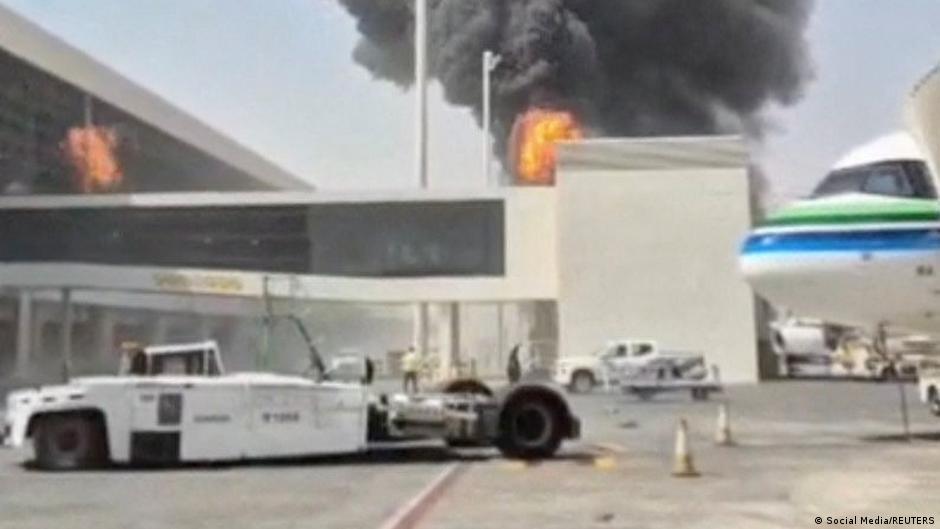
The recent Riyadh airport attack has significantly escalated the long-standing conflict between saudi Arabia and the Iran-backed houthi rebels, leaving dozens dead and threatening the stability of international aviation in the Middle East.
Key Takeaways
- Deadly Strikes: A major Houthi-led attack on the King Khalid International Airport passenger terminal resulted in 12 fatalities and 309 injuries.
- Casualty Profile: The deceased include four Saudi citizens and eight foreign residents from nations including the United States, Bangladesh, and Egypt.
- Military Retaliation: The Saudi-led coalition has launched counter-strikes, destroying three Houthi rocket launch platforms and intercepting ballistic missiles.
- Aviation Disruption: Major carriers such as Air India and the Lufthansa Group have suspended operations to Riyadh following the security breach.
- Geopolitical Risk: U.S. President Donald Trump has signaled potential American military involvement, while the UN has condemned the strikes as violations of international law.
- Ceasefire Collapse: The recent violence marks a significant breakdown of the 2022 UN-brokered ceasefire that had previously stabilized the region.
- Air India: Suspended all operations through Saturday, October 12, 2026, as confirmed by the Indian Embassy.
- Lufthansa Group: Suspended flights to Riyadh through October 16, 2026.
- Aviation Resumption: Watch for updates from Lufthansa Group regarding their return to Riyadh operations, currently projected for October 16, 2026.
- U.S. Policy Decisions: The White House’s next move regarding Houthi-targeted strikes will be a decisive signal of the level of American commitment to the Saudi-led coalition.
- Coalition Counter-Operations: The scale and frequency of the Saudi-led coalition’s strikes against Houthi rocket platforms will indicate whether they believe a purely defensive posture is sufficient.
- UN Diplomatic Efforts: Whether the UN can move from condemnation to active mediation to restore a ceasefire similar to the 2022 agreement.
- www.dw.com
- www.chinadaily.com.cn
- www.washingtonpost.com
What Happened: A Week of Escalating Violence
The security situation in Saudi Arabia reached a breaking point during the second week of October 2026, following a series of coordinated missile and drone strikes targeting critical infrastructure. The violence began to intensify on Thursday, October 10, 2026, when King Khalid International Airport in Riyadh was struck twice. According to reports from DW (Deutsche Welle), these initial strikes targeted airport facilities and a Saudia airline aircraft, resulting in the deaths of three Saudi citizens and several injuries to various foreign nationals.
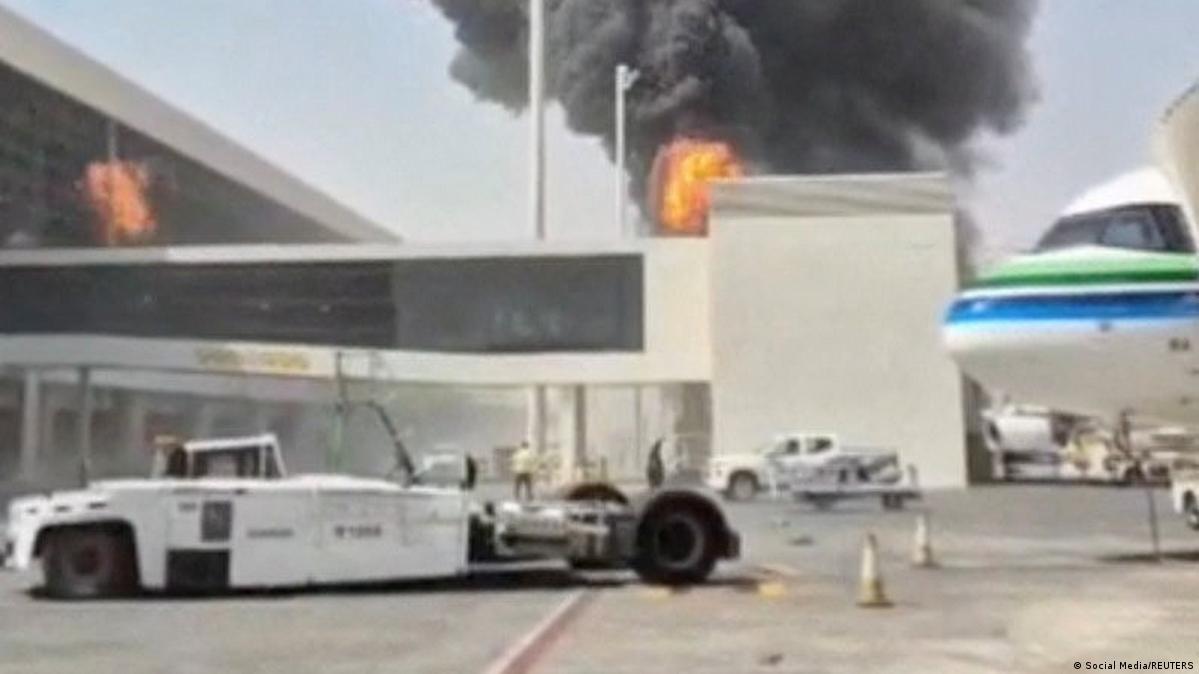
As the week progressed, the scale of the Houthi offensive increased. On Saturday, a massive strike targeted the passenger terminal at the airport, causing significantly higher casualties. According to China Daily, reporting via Xinhua, this specific attack resulted in 12 total fatalities and 309 injuries, with many victims receiving treatment in critical condition at various hospitals.
In direct response to these strikes, the Saudi-led coalition’s Joint Forces Command reported that they successfully intercepted and destroyed one ballistic missile and one drone launched by the Houthi group during the period of escalation. On Friday, October 11, the coalition also conducted retaliatory strikes within Houthi-controlled territories in Yemen, successfully destroying three rocket launch platforms used to facilitate these attacks.
Why the Riyadh Airport Attack Matters
The implications of this attack extend far beyond the immediate loss of life. The ability of the Houthi rebels to strike the heart of the Saudi capital represents a fundamental shift in the geography of the Yemeni conflict. For years, the conflict was largely contained to the borders of Yemen or focused on peripheral Saudi regions like Abha. By successfully targeting the passenger terminal of a major international hub, the Houthis have demonstrated a heightened capability to strike deep within Saudi territory.
Economic and Aviation Impact
The economic consequences are immediate and measurable. The Riyadh airport attack has triggered a wave of cancellations and suspensions across the global aviation sector. FlightAware reported hundreds of flight cancellations following the Thursday strikes. Major international airlines have taken the following actions:
Furthermore, the European Union Aviation Safety Agency (EASA) issued an updated bulletin on Friday, recommending that airlines avoid operating in specific portions of Saudi airspace due to the increased threat level.
Beyond aviation, the Houthis have issued explicit warnings to employees at Saudi oil facilities, stating that oil installations remain active targets. This threat poses a direct risk to Saudi Arabia’s multibillion-dollar economic ambitions and its long-term goal of regional stability and diversification.
Detailed Casualty and Stakeholder Analysis
The human cost of the Saturday attack highlights the international nature of the residents living in Riyadh. The following table provides a breakdown of the fatalities reported by China Daily:
| Nationality | Number of Fatalities |
|---|---|
| Saudi Citizens | 4 |
| Bangladesh | 2 |
| United States | 1 |
| Egypt | 1 |
| Jordan | 1 |
| Syria | 1 |
| Palestine | 1 |
| Sudan | 1 |
| Total | 12 |

Stakeholder Reactions
The international community has reacted with a mixture of condemnation and calls for military readiness.
The Saudi-led Coalition:
Major General Turki al-Maliki, a coalition spokesperson, utilized social media on Sunday to characterize the incident as a “terrorist attack.” He emphasized that the Joint Forces Command would respond with a “firm response” in accordance with international humanitarian law.
The United States:
In a significant development, U.S. President Donald Trump addressed the situation from the South Lawn of the White House on Saturday. Trump indicated that the United States is monitoring the situation closely and may intervene. “We just found out about the recent attack. So we’ll make a decision. We move very quickly,” Trump told reporters.
The United Nations:
UN Secretary-General Antonio Guterres issued a formal condemnation via X on Sunday. Guterres stated, “Attacks on civilians and civilian infrastructure are a violation of international law. These attacks must cease immediately.”
Deep-Dive: Historical Context and the Breakdown of Peace
To understand why the Riyadh airport attack is such a significant escalation, one must look at the timeline of the Yemeni Civil War. The conflict is rooted in the 2014 takeover of the capital, Sanaa, by the Houthi rebels. This prompted the Saudi-led coalition to enter the war in 2015 to reinstate the internationally recognized government based in Aden.
For several years, the conflict was characterized by intense fighting, but a UN-brokered ceasefire in 2022 provided a period of relative calm. During this period, major hostilities were largely halted, and diplomatic channels were opened. However, recent weeks have seen a steady erosion of this stability. The Houthis have been gaining territory along the Yemeni coast, most notably gaining control over the Bab al-Mandab Strait, a critical maritime chokepoint for global trade.
This tactical shift has given the Houthi rebels significantly more leverage. Their ability to control both maritime corridors and launch long-range strikes against Saudi airspace has fundamentally altered the tactical landscape, moving the conflict from a localized civil war to a regional security crisis.
What It Means for You
The escalation of the conflict in the Middle East has practical implications for several different groups of people:
For International Travelers
If you have upcoming travel plans involving Saudi Arabia, particularly through Riyadh, expect significant delays or the need to reroute. The EASA warnings and the suspensions by Lufthansa and Air India suggest that airspace security remains volatile. Travelers should monitor official aviation bulletins and prepare for potential last-minute cancellations.
For Global Investors and Energy Consumers
If you are invested in energy markets or global logistics, the threat to Saudi oil infrastructure is a key metric to watch. The Houthi warning regarding oil facilities could lead to increased volatility in crude oil prices. Furthermore, the instability near the Bab al-Mandab Strait may impact shipping costs and global supply chains.
For Residents in the Region
For those living in Saudi Arabia and neighboring countries, the shift in combat reach means that civilian infrastructure—including airports and commercial hubs—is no longer guaranteed to be outside the zone of conflict. Increased military activity and air defense interceptions may become more frequent.
Counterpoints and Open Questions
While the Saudi-led coalition has vowed a “firm response,” several questions remain regarding the effectiveness of their military strategy.
One major point of contention is the effectiveness of the coalition’s counteroffensives. While Yemeni government forces claim massive successes—including the neutralization of over 1,150 Houthi fighters and the destruction of 180 vehicles in a single 24-hour period—these figures have not been independently verified. Critics of the coalition’s approach argue that despite years of involvement and significant military spending, the coalition has struggled to prevent strikes on civilian infrastructure or achieve a definitive end to the Houthi insurgency.
Additionally, the potential for direct U.S. military involvement remains a major unknown. While President Trump has suggested the U.S. will “move very quickly,” it is unclear whether this will manifest as targeted airstrikes, increased intelligence support, or a broader maritime security operation. The risk of a wider regional war involving Iran and its proxies is a primary concern for diplomats.
What Happens Next
As the region moves into the second half of October 2026, several key catalysts will determine if the conflict stabilizes or expands:
Frequently Asked Questions
Who is responsible for the Riyadh airport attack?
The Houthi rebels, an Iran-backed group in Yemen, have claimed responsibility for the missile and drone strikes against King Khalid International Airport. The group has used the attacks to demonstrate their ability to strike deep within Saudi territory.
How many people were killed in the airport attacks?
Reports vary depending on the specific strike. Initial reports from DW indicated 3 Saudi citizens were killed during strikes on Thursday, October 10. However, a later, more significant strike on the passenger terminal on Saturday resulted in 12 fatalities, including 4 Saudi citizens and 8 foreign nationals, according to China Daily.
Are flights to Saudi Arabia still operating?
Flight operations are heavily disrupted. While some domestic and regional flights may continue, major international carriers like Air India and Lufthansa have suspended services to Riyadh. The European Union Aviation Safety Agency (EASA) has also issued warnings for airlines to exercise caution in Saudi airspace.
What is the significance of the Bab al-Mandab Strait?
The Bab al-Mandab Strait is a narrow waterway that connects the Red Sea to the Gulf of Aden. It is a critical chokepoint for global maritime trade. The Houthi group’s recent control over territory along this strait gives them significant leverage over international shipping and global energy supplies.
Summary
The Riyadh airport attack has fundamentally altered the landscape of the Yemeni conflict, moving the front lines into the heart of Saudi Arabian civilian infrastructure. With the collapse of the 2022 ceasefire, the threat of expanded regional warfare—potentially involving the United States—is higher than it has been in years
References
Featured image: Image via dw.com