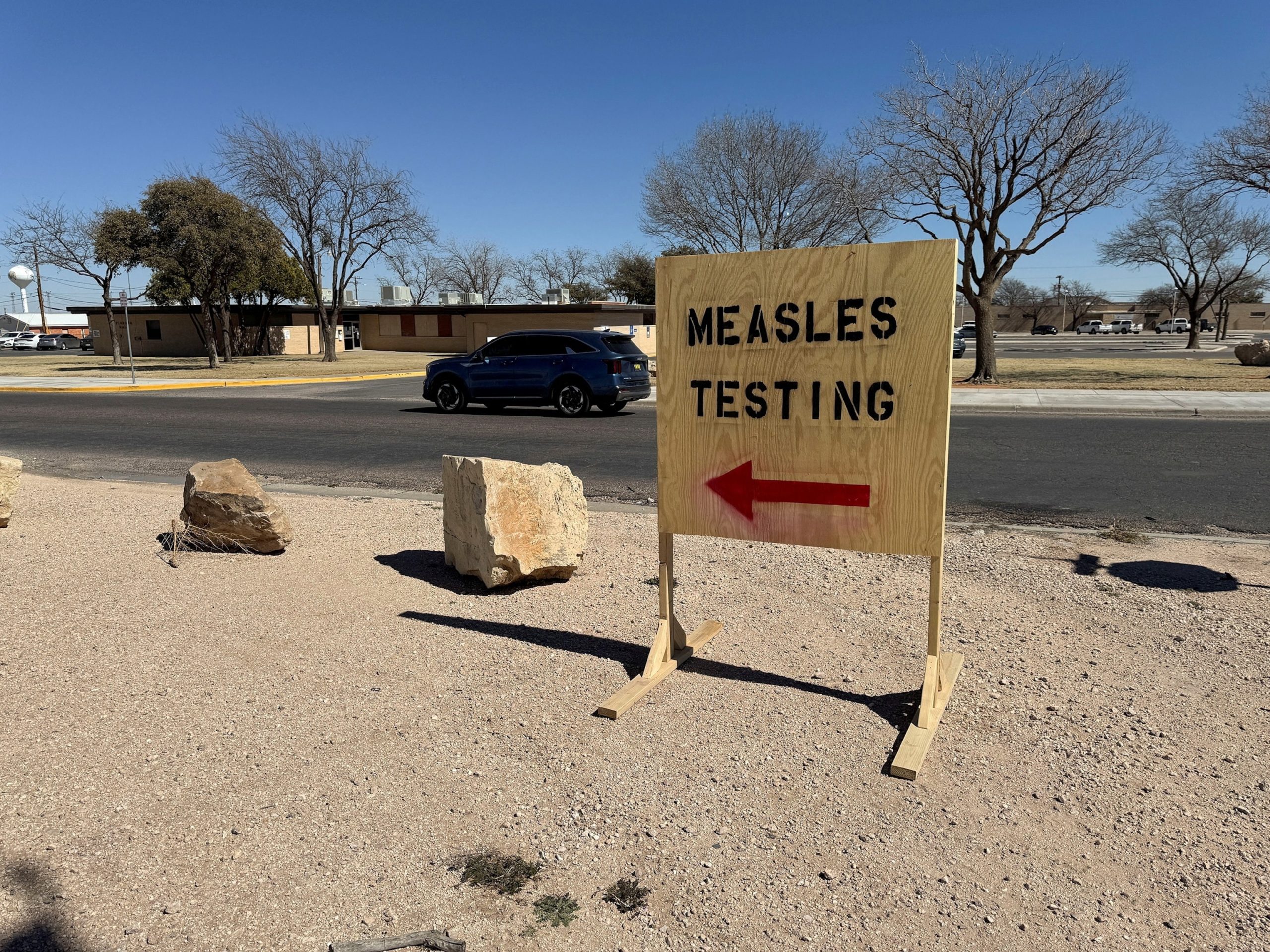
The pennsylvania measles outbreak has escalated into a significant public health and political crisis, with state officials reporting 890 confirmed cases and four deaths as of late September 2026. This surge, which includes 55 new cases reported in a single two-day window starting Wednesday, has spread across dozens of counties, leaving healthcare providers and government leaders locked in a high-stakes dispute over mortality data and federal assistance.
Key Takeaways
- Rapid Case Surge: Pennsylvania has recorded 890 confirmed measles cases in 2026, with Lancaster County identified as the primary epicenter.
- Mortality Concerns: State health officials have confirmed four measles-associated deaths, including two infants in Lancaster County.
- Political Impasse: A confrontation has emerged between Pennsylvania leadership and the Trump administration, specifically involving HHS Secretary Robert F. Kennedy Jr. and the CDC.
- Vaccination Gap: Less than 1% of those infected have been vaccinated, highlighting a critical drop in herd immunity levels below the required 95% threshold.
- Medical Response: Healthcare facilities, including the Children’s Hospital of Philadelphia (CHOP), have implemented aggressive screening and isolation protocols to contain the spread.
- The Underestimation Risk: Dr. John Goldman has raised concerns that the official case counts may be significantly lower than the actual number of infections. He noted that clinicians often do not test every patient who presents with suspected measles, especially when family members are reporting similar symptoms at home.
- The Data Methodology Dispute: The CDC has shifted its methodology to use data from the National Center for Health Statistics (NCHS) to track mortality trends. This shift has led to discrepancies between state-reported deaths and federal tallies, leaving the public to wonder which numbers are most accurate.
- The Social Dynamics of Vaccination: There is evidence of “semi-clandestine vaccination” occurring in certain communities. Dr. Goldman observed that some individuals receive the MMR vaccine but do not disclose it to neighbors or family members due to fear of social judgment or community pressure. This makes it difficult for health officials to accurately track community immunity levels.
- The Causality Debate: The central tension remains whether the reported deaths are directly caused by the measles virus or by secondary complications and underlying conditions. This question is at the heart of the disagreement between the Pennsylvania Department of Health and the federal HHS.
- The Bloomsburg Fair Clinic: A scheduled free MMR vaccination clinic at the Bloomsburg Fair in Columbia County (running from September 26 to October 3) will serve as a major test of the state’s community outreach strategy.
- Epi-Aid Deployment: The deployment of the CDC’s emergency technical assistance remains contingent on the federal government’s willingness to acknowledge the state’s mortality data.
- Vaccination Trends: Public health officials will be closely monitoring whether the surge in MMR administrations seen in August and early September continues or if the rate of uptake begins to plateau.
- Legislative Oversight: The Senate Health Committee, led by Senator Bill Cassidy, is expected to continue investigating the intersection of federal vaccine policy and state-level mortality rates.
- www.inquirer.com
- www.theguardian.com
- abcnews.com
- www.theguardian.com
What Happened: A State Under Siege
On Friday, September 26, 2026, the Pennsylvania Department of Health (DoH) announced that the state’s measles outbreak has reached a critical volume. Since Wednesday of that week, 55 new cases were identified, contributing to a year-to-date total of 890 confirmed infections across 39 counties. The outbreak, which officially began in late April 2026, has resulted in 173 hospitalizations and four deaths, according to state data.
While the outbreak has moved through various regions, the concentration of the virus is heavily skewed toward specific geographic clusters. Lancaster County has emerged as the most severely impacted area, recording as many as 359 positive cases this year. Other significant hotspots include Mifflin County, with 93 cases, and Chester County, which has reported 76 cases. The rapid spread has been facilitated by the highly contagious nature of the virus, which can survive in an airspace for up to two hours after an infected person has left the area.
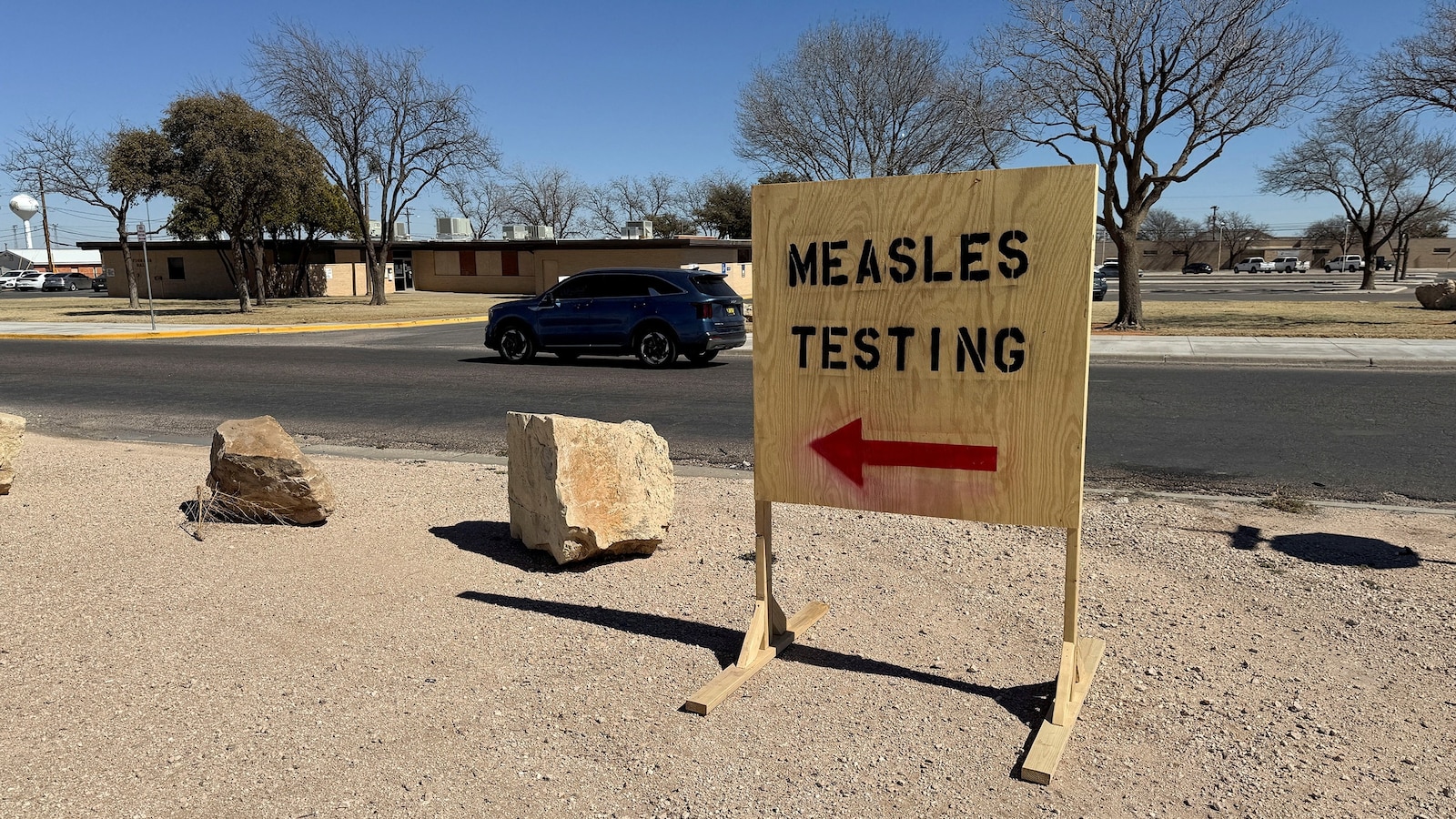
Why the <a href="https://news.quantosei.com/2026/09/23/pennsylvania-measles-outbreak-why-cdc-death-counts-differ/" title="pennsylvania measles Outbreak: Why CDC Death Counts Differ”>Pennsylvania measles outbreak Matters
The scale of this outbreak is not merely a matter of rising case counts; it represents a fundamental breakdown in community immunity. Public health experts emphasize that to maintain herd immunity against measles, approximately 95% of a population must be vaccinated. Current data suggests that Pennsylvania is falling significantly below this threshold, particularly in high-density areas and specific communities where vaccine hesitancy is prevalent.
This vulnerability is evidenced by the demographics of the infected. State officials noted that 31% of the reported cases involve individuals younger than 18. Furthermore, the clinical severity of the outbreak is underscored by the hospitalization rate; out of the 890 cases, 173 people have required hospital care, a significant burden on the state’s medical infrastructure. The outbreak also highlights a growing divide between state-level health management and federal oversight, creating a vacuum of information that could potentially exacerbate the spread.
Deep-Dive: The Data and the Disconnect
Epidemiological Breakdown by County
To understand the movement of the virus, it is necessary to look at the specific counties driving the numbers. While the outbreak is statewide, the following table illustrates the primary concentrations of the virus as reported by the Pennsylvania Department of Health and external research:
| County | Reported Cases (2026) |
|---|---|
| Lancaster | 359 |
| Mifflin | 93 |
| Chester | 76 |
| Montgomery | 3 (noted as a separate winter outbreak) |
The Political Conflict Over Mortality
The crisis has moved beyond the laboratory and the clinic and into the halls of political power. A sharp dispute has emerged regarding the accuracy of the death toll reported by the state. Robert F. Kennedy Jr., the U.S. Health Secretary under the Trump administration, has publicly cast doubt on the validity of the mortality figures. Writing on social media, Kennedy suggested that some deaths related to the disease in Pennsylvania “may even have been altogether fabricated” for political purposes.
This skepticism has directly impacted the state’s ability to secure federal aid. In August, the new director of the U.S. Centers for Disease Control and Prevention (CDC), Erica Schwartz, ordered agency staff to exclude two measles-associated deaths reported by Pennsylvania from the national tally. The CDC stated it was reviewing “additional information” regarding these deaths, a move that Pennsylvania health officials view as a dismissal of the state’s reality.
In response, Pennsylvania Health Secretary Debra Bogen has taken a firm stance. In a formal letter to the CDC, Bogen stated that the agency’s refusal to recognize the deaths undermines the state’s response. She even threatened to rescind the state’s request for an “Epi-Aid” (emergency epidemiological assistance) program unless the CDC transparently and accurately communicates the information regarding the four reported deaths.
Governor Josh Shapiro has joined the defense of the state’s data, responding to criticisms on X by stating, “Incompetence is denying the tragedy of four measles-associated deaths in Pennsylvania.”

Medical Realities and Clinical Findings
On the front lines, doctors are seeing the physical toll of the virus. Dr. John Goldman, an infectious disease specialist at the University of Pittsburgh Medical Center (UPMC), told ABC News that the disease has transitioned from an “extremely rare” occurrence to something that is now “common,” with patients appearing in outpatient offices and hospitals daily.
One of the most complex aspects of the mortality reporting involves the deaths in Lancaster County. While the state has reported two infant deaths linked to measles, the Lancaster County coroner noted that one infant died from a lacerated spleen despite testing positive for the measles virus. Medical professionals have noted that while the death was not caused directly by the virus, measles can weaken the spleen, significantly increasing the risk of rupture and subsequent fatal complications.
Other reported deaths include a 40-year-old woman in Jefferson County and an 18-year-old in Mifflin County. The symptoms reported by clinicians include high fever, cough, runny nose, and red, watery eyes, followed by a characteristic rash. In some cases, patients have also exhibited gastrointestinal symptoms, including hepatitis, and respiratory distress.
What It Means for You
As the outbreak continues to fluctuate, residents of Pennsylvania—particularly those in the affected 39 counties—should take specific precautions based on their personal circumstances:
For Parents and Guardians
If you have children in school or daycare, ensure their immunization records are up to date. The CDC recommends a two-dose schedule of the MMR (measles, mumps, and rubella) vaccine for optimal protection. For infants in outbreak-prone areas, the CDC suggests that an early third dose may be administered between 6 and 11 months of age. If your child develops a high fever, rash, or cough, do not walk directly into a clinic or emergency room. Call your healthcare provider first to arrange for triage and prevent spreading the virus in waiting areas.
For Residents in High-Traffic Areas
If you have recently traveled through major hubs like the Philadelphia International Airport or visited large medical facilities such as the Children’s Hospital of Philadelphia (CHOP), be aware of recent exposure reports. A person with measles was reported to have visited the NICU at CHOP on September 11, and another individual traveled through Philadelphia International Airport terminals on September 13. If you feel unwell, contact a physician immediately.
For Uninsured or Underinsured Individuals
Access to vaccines is being expanded through various programs. For instance, the ChildProtect program at Penn Medicine Lancaster General Health provides free vaccinations for uninsured children, specifically targeting those in remote or rural areas. Additionally, the state is deploying mobile and pop-up clinics to meet residents where they are.
Counterpoints and Open Questions
While the state and medical professionals emphasize the severity of the outbreak, there are significant counterpoints and unresolved questions that complicate the public health response:

What Happens Next
Several key developments will determine if the Pennsylvania measles outbreak can be contained in the coming months:
Frequently Asked Questions
How contagious is measles?
Measles is one of the most contagious viruses known to medicine. It spreads through respiratory droplets released when an infected person coughs or sneezes. The virus is so resilient that it can remain suspended in the air or on surfaces for up to two hours after the infected individual has left the room. If an unvaccinated person enters that space, they are highly likely to become infected.
How effective is the MMR vaccine?
According to the CDC, the MMR vaccine is highly effective. A single dose provides approximately 93% protection, while two doses provide roughly 97% lifetime protection. This is why health officials emphasize the importance of the full two-dose schedule to ensure maximum community immunity.
What are the most common symptoms of measles?
Symptoms typically appear 7 to 14 days after exposure. Initial signs often include a high fever, cough, runny nose, and conjunctivitis (red, watery eyes). These are usually followed by a characteristic red rash that begins on the face and spreads downward across the body. Some patients may also experience gastrointestinal issues, such as hepatitis.
Why is there a conflict between the state and the federal government?
The conflict centers on the accuracy and reporting of deaths associated with the measles virus. Pennsylvania officials have reported four deaths, while the federal government, through the HHS and the CDC, has questioned the causality of these deaths and excluded them from national counts. This disagreement has created a political standoff that is currently hindering the deployment of federal epidemiological assistance to the state.
As Pennsylvania continues to manage the surge, the intersection of medical necessity, community behavior, and political ideology remains the central challenge in stopping the spread of this preventable disease.
References
Featured image: Image via ABC News