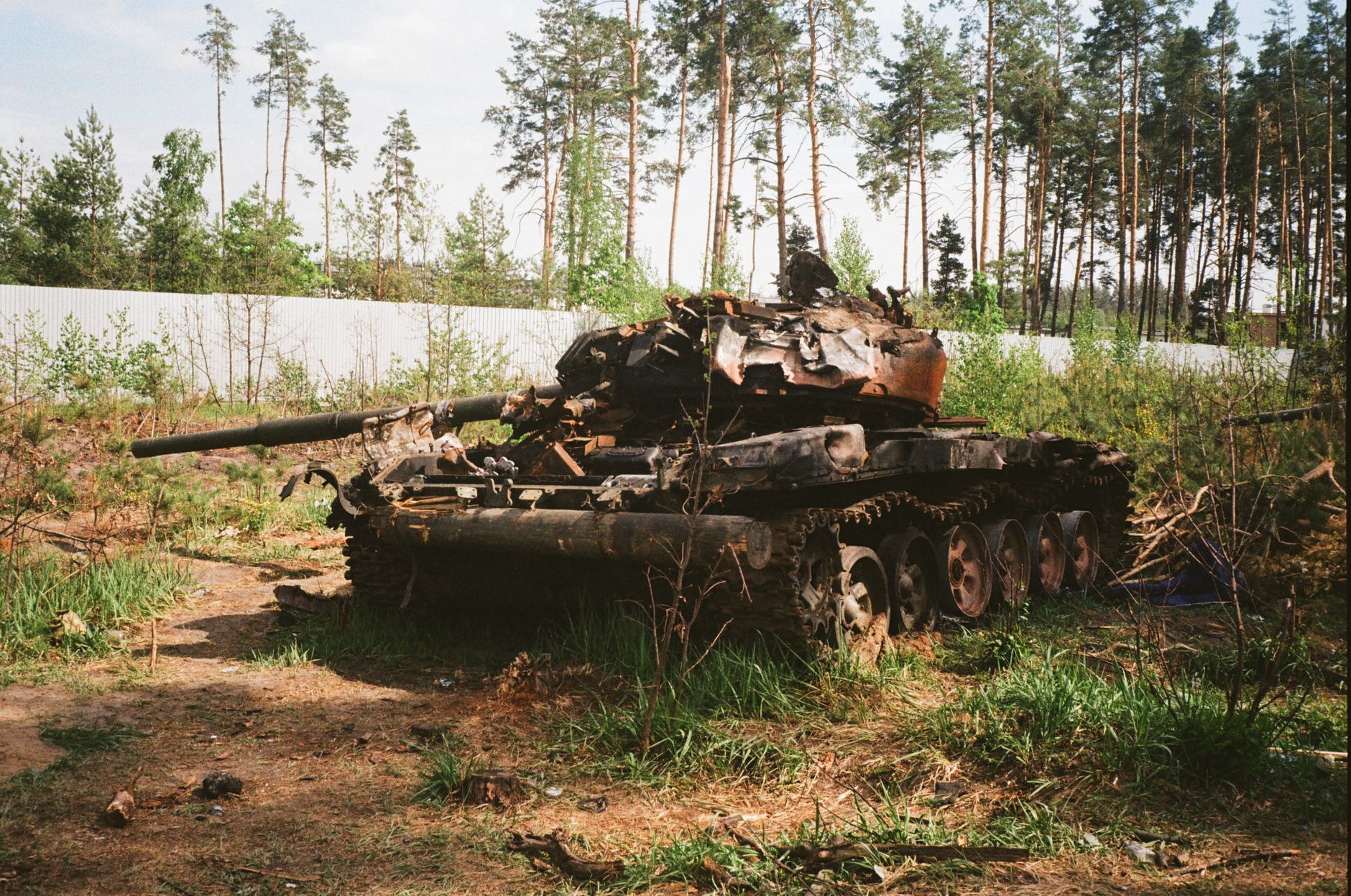
The Yemen anti-Houthi <a href="https://news.quantosei.com/2026/09/18/yemen-military-collapse-why-anti-houthi-forces-failed-2/" title="Yemen military collapse: Why Anti-Houthi Forces Failed”>military collapse on the country’s western coast has triggered an urgent internal inquest as officials struggle to explain how a major offensive against the Houthi-controlled capital, Sana’a, dissolved into a massive military rout.
Key Takeaways
- Massive Force Loss: More than 15 brigades were defeated, leading to the loss of the entire Yemeni west coast to Houthi forces.
- Large-Scale Retreat: It is estimated that as many as 30,000 well-equipped fighters abandoned their positions during the collapse.
- Bribery Allegations: Some Yemeni politicians, including the governor of Hadramaut, claim billions of dollars were offered to persuade forces to desert.
- Strategic Threat: The Houthi advance threatens control over the Bab al-Mandab strait, a critical maritime chokepoint for global trade.
- Command Fractures: The defeat has exposed deep divisions between various anti-Houthi factions, including the National Resistance Forces and UAE-linked groups.
- The Source of the Alleged Bribery: If billions of dollars were indeed used to induce desertion, who possessed the liquidity and the motive to destabilize the west coast? The link to the UAE remains a subject of intense political speculation but has not been independently verified.
- Intelligence vs. Incompetence: Was the Houthi advance successful because of superior intelligence and tactical execution, or was it simply a result of poor command and control communications within the anti-Houthi ranks?
- The Role of Saudi Arabia: To what extent did the influence of Saudi commanders contribute to the internal divisions that led to the breakdown in coordination?
- The Inquest Results: The findings of the investigation into the allegations of bribery and betrayal will either stabilize the government’s military or lead to further political fracturing.
- www.theguardian.com
What Happened: The Fall of the West Coast
On September 10, 2026, what was intended to be a decisive strategic maneuver by the UN-recognized Yemeni government turned into a catastrophic withdrawal. In the early hours of the morning, Houthi forces moved into the strategic port city of Mocha, effectively seizing control of the western coastline.
According to reports from local residents, including Mocha resident Abdu Mukabib, the scale of the abandonment was staggering. By the time Houthi fighters entered the city at approximately 6:00 a.m., the defending forces had dwindled to a negligible presence. Mukabib reported seeing fewer than 20 individuals remaining, consisting of only two military vehicles and four motorcycles.
Prior to the city’s fall, the Houthis had successfully captured the headquarters of the National Resistance Forces on the high ground of Jabal al-Nar (Fire Mountain). This position was a vital defensive hub, reportedly containing six military brigades and advanced weaponry provided by Saudi Arabia. The loss of this high ground removed the primary obstacle to the Houthi advance toward the coast.
Why the Yemen anti-Houthi military collapse matters
The implications of this military failure extend far beyond the immediate loss of territory. The collapse represents a significant shift in the regional balance of power and poses several critical risks:
1. Maritime Security and Global Trade
The Houthi seizure of the west coast places them in a position to more effectively restrict movement near the Bab al-Mandab strait. This narrow waterway is one of the world’s most vital maritime corridors. Increased Houthi control over the coastline allows them to project power over shipping lanes, potentially disrupting global energy supplies and international commerce through the use of low-cost maritime harassment tactics.
2. Legitimacy of the UN-Recognized Government
The inability of the UN-backed forces to hold the west coast—a region essential for the government’s economic and political standing—undermines its authority. The retreat of 30,000 well-equipped fighters raises fundamental questions about the government’s ability to command, coordinate, and maintain the loyalty of its constituent military units.
3. Geopolitical Fragmentation
The collapse has highlighted the fractured nature of the anti-Houthi coalition. Tensions between Saudi Arabia and the United Arab Emirates (UAE) continue to influence military outcomes. While the UAE officially left Yemen in January, the political fallout from their departure and the outlawing of the Southern Transitional Council continues to create friction within the pro-government ranks.
The Anatomy of a Collapse: Conflicting Narratives
As the inquest into the military failure continues, two sharply conflicting narratives have emerged regarding why the forces abandoned their posts.
The Allegation of Bribery and Betrayal
One of the most damaging claims involves the possibility of financial corruption. The governor of Hadramaut, one of Yemen’s largest and most influential governorates, has alleged that billions of dollars were offered to forces defending the west coast to persuade them to abandon their positions. While the governor did not explicitly name the source of these funds, political observers have pointed toward the complex web of regional interests, including past links between the UAE and the National Resistance Forces led by Tareq Saleh.
Local activists have been even more blunt. Abdu Mukabib described the withdrawal as a “cowardly and shameful” act of betrayal. He argued that the retreat was not necessitated by a lack of equipment or supplies, but was instead a calculated conspiracy that left local populations vulnerable to Houthi control.
The “Tactical Retreat” Defense
In contrast, the National Resistance Forces have rejected the claims of cowardice and bribery. In a formal response, the group stated that their withdrawal was a “necessary tactical retreat” designed to prevent the total encirclement of their troops. They reported that the decision followed the death of 500 soldiers and was intended to preserve the remaining force for future engagements.
Tareq Saleh has since announced plans to form a new entity, the “Tihami Resistance,” which he claims will operate entirely independently of the existing national forces. This move suggests a significant restructuring of the anti-Houthi military landscape in response to the failure.

The Evolution of Houthi Military Capabilities
The success of the Houthi offensive is not solely a result of anti-Houthi failures; it is also a reflection of the increasing sophistication of the Houthi military machine.
Over the last decade, the Houthis have transformed from a localized insurgent group into a highly organized army. While they continue to receive Iranian intelligence and support, they have significantly reduced their reliance on external actors by developing an indigenous weapon-making infrastructure.
| Feature | Houthi Military Capability | Anti-Houthi Force Status |
|---|---|---|
| Weaponry | Ballistic missiles & indigenous drones | Saudi-provided advanced weaponry |
| Intelligence | High-level Iranian intelligence support | Fragmented command and control |
| Tactics | Low-cost modern warfare (drones/missiles) | Conventional brigade-based defense |
| Funding | Swelled coffers from regional control/payoffs | Dependent on external state actors |
This evolution allows the Houthis to utilize “cut-price” modern warfare, such as cheap drones to harass maritime traffic, which provides them with a high return on investment compared to the expensive, conventional hardware used by their opponents.
Stakeholder Perspectives: A Divided Front
The fallout from the military rout has elicited intense reactions from key political and academic figures in Yemen.
Tawakkol Karman: The Yemeni Nobel Peace Prize winner has formally called for a full-scale investigation into the events, emphasizing the need for accountability regarding the sudden loss of territory.
Prof. Dr. Abdulwahab al-Awaj: Writing from Taiz University, Professor al-Awaj argued that the collapse was not just a military defeat but a symptom of a deeper crisis. He noted that the Houthis exploited a “breakdown in coordination and trust” among the anti-Houthi forces. According to al-Awaj, regaining the initiative will require more than just reinforcements; it will require a “unified operational vision” and the rebuilding of trust on the ground.
The Giants Brigades: Interestingly, a limited force from the Giants Brigades—a group previously linked to UAE-backed southern separatists—managed to briefly repel the Houthi advance and recapture certain positions in the days leading up to the fall of Mocha. However, this momentum was lost when neighboring National Resistance units withdrew, turning a potential counter-offensive into a series of retreats.
What It Means for Regional and Global Security
For observers of Middle Eastern politics and global economics, the Yemen anti-Houthi military collapse serves as a warning of several emerging trends:
For Investors and Global Markets:
If Houthi control over the west coast becomes permanent, expect increased volatility in maritime insurance rates and potential disruptions to the supply chains passing through the Bab al-Mandab strait. Any escalation in drone or missile attacks on commercial shipping will have direct implications for global energy prices.
For Regional Diplomats:
The event underscores the difficulty of maintaining a unified coalition in Yemen. The tension between Saudi-led efforts and UAE-aligned interests remains a primary obstacle to any lasting stability. The emergence of the “Tihami Resistance” suggests that the anti-Houthi movement may become even more fragmented in the coming months.
For Humanitarian Organizations:
As war reignites in new sectors, the displacement of civilians is expected to rise. Previous escalations in the region have resulted in massive movements of people, with some reports indicating as many as 125,000 people displaced during recent surges in conflict.
Counterpoints and Open Questions
While the immediate cause of the collapse appears to be the retreat of the National Resistance Forces, several open questions remain that the ongoing inquest must address:
What Happens Next
As the Yemeni government and Saudi forces review the lessons of this defeat, several key developments will serve as signals for the future of the conflict:
The Battle for the Kahbob Mountains: Efforts are currently underway to reorganize forces to capture this strategic high ground. Success or failure here will determine if the Houthi advance can be halted.
The Formation of the Tihami Resistance: The ability of Tareq Saleh to mobilize this new, independent group will test the cohesion of the remaining anti-Houthi coalitions.
Houthi Consolidation: Watch for whether the Houthis use their new coastal access to expand their drone and missile capabilities against maritime targets.
Frequently Asked Questions
Why did the anti-Houthi forces retreat from the west coast?
The reasons for the retreat are heavily contested. The National Resistance Forces claim it was a “tactical retreat” necessitated by the death of 500 soldiers and the threat of encirclement. However, other politicians and local residents, such as Abdu Mukabib, allege it was a “cowardly” abandonment, with some claiming that billions of dollars were offered to fighters to persuade them to leave their positions.
What is the significance of the Bab al-Mandab strait?
The Bab al-Mandab strait is a critical maritime chokepoint located between Yemen and the Horn of Africa. It is a primary route for oil tankers and commercial shipping traveling between the Indian Ocean and the Red Sea. Houthi control of the Yemeni coast adjacent to this strait allows them to threaten international shipping lanes.
Who are the Houthis?
The Houthis are a Yemeni group that has controlled much of northern Yemen for over a decade. While often described as a proxy for Iran, Iranian officials insist they are an independent force with their own command structure. They have become increasingly sophisticated, developing their own ballistic missiles and drone technology.
What is the National Resistance Forces?
The National Resistance Forces are a military faction in Yemen led by Tareq Saleh. They have operated along the western coast and have received support from Saudi Arabia. Following the recent military collapse, Saleh has announced the formation of a new group called the “Tihami Resistance.”
—
The Yemen anti-Houthi military collapse has fundamentally altered the landscape of the conflict
References
Featured image: Photo by Mykhailo Volkov on Pexels