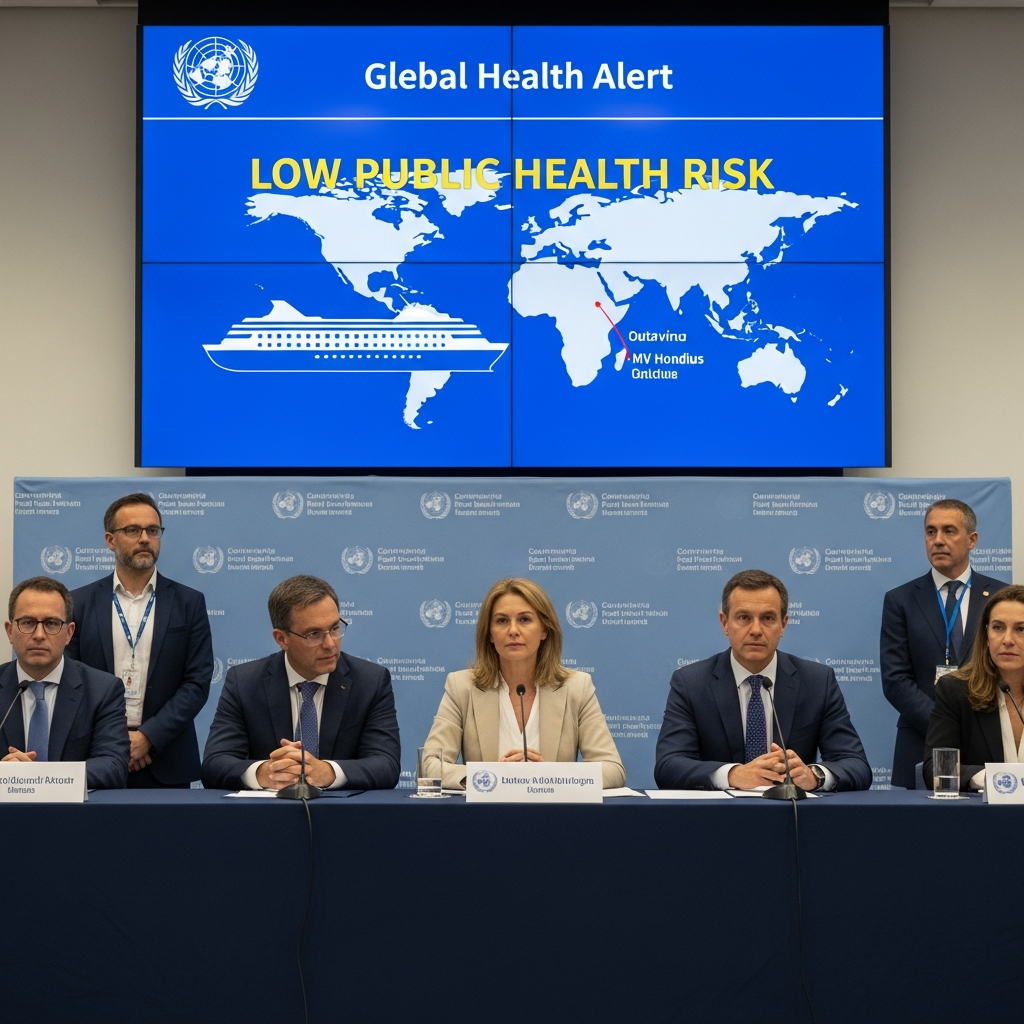
A recent hantavirus outbreak on the MV Hondius cruise ship has triggered global health alerts, raising public concern and comparisons to previous pandemics. Despite this, health officials worldwide are unanimously stressing a critical message: this situation poses an extremely low public health risk and is not the next global pandemic. This article delves into the specifics of the outbreak, clarifies the unique nature of the Andes hantavirus strain involved, and explains why experts are confident in its containment, providing essential facts to ease public anxiety.
The MV Hondius Outbreak: What Happened?
Earlier this spring, an unusual and serious hantavirus outbreak began unfolding aboard the MV Hondius. This incident has led to tragic consequences for those directly affected, prompting a swift, coordinated international health response. Understanding the sequence of events and the specific virus involved is key to grasping the low broader public risk.
A Rare Outbreak Unfolds at Sea
The MV Hondius, a Dutch-operated luxury cruise ship, departed Ushuaia, Argentina, on April 1. Its itinerary included stops in remote South Atlantic islands and Antarctica. By early May, the World Health Organization (WHO) confirmed a cluster of hantavirus cases onboard. The outbreak has resulted in at least five confirmed infections and three fatalities, initially detected after patients were medically evacuated from the vessel. One critically ill patient received care in South Africa, where initial lab tests identified the virus. Another case was confirmed in Switzerland.
As the situation evolved, global authorities initiated urgent contact tracing and containment efforts. The ship, with nearly 150 people onboard, was rerouted to Tenerife in the Canary Islands, expected to dock by May 10. The U.S. government designated this a “Level 3” emergency. American passengers aboard the MV Hondius are being repatriated via a dedicated U.S. government medical flight to a National Quarantine Unit in Omaha, Nebraska, for monitoring. Health officials in several U.S. states, including New Jersey, Georgia, Texas, Virginia, Arizona, and California, are also actively monitoring individuals who disembarked earlier or had potential exposure during air travel.
The Andes Virus: A Unique Threat
Hantaviruses are zoonotic, meaning they transmit from animals to humans. Typically, this occurs through contact with infected rodents or their excretions, such as urine, feces, or saliva. Inhalation of aerosolized particles from these sources is the most common route. While hantavirus infections are generally rare, the strain implicated in this cruise ship outbreak is particularly uncommon and distinct: the Andes virus.
Originating in South America, primarily Argentina and Chile, the Andes virus stands out as the only known hantavirus strain capable of human-to-human transmission. This transmission, however, is rare and requires close, prolonged contact with an infected individual or their bodily fluids. The virus has been detected in blood, saliva, urine, and semen. Initial infections for the MV Hondius outbreak are believed to have occurred off-ship, potentially in Southern Argentina, with subsequent human-to-human spread among close contacts onboard. The WHO continues to investigate the precise spread dynamics on the vessel.
Why Experts Confirm: Not the Next Global Pandemic
Despite the seriousness for those infected, leading health experts and organizations like the WHO and CDC are confident that this hantavirus outbreak will remain contained. They emphatically state it will not escalate into a global pandemic comparable to COVID-19. This assessment is based on crucial scientific and epidemiological distinctions.
Key Differences from COVID-19
The primary reason this hantavirus outbreak is not expected to cause a pandemic lies in its transmission dynamics. Unlike SARS-CoV-2, the virus behind COVID-19, which spreads highly efficiently through respiratory droplets and aerosols, the Andes hantavirus behaves very differently. Human-to-human transmission of the Andes virus is limited to close, prolonged contact. It does not spread easily or widely between people. Historical data consistently shows that such transmission has been restricted to isolated or small family clusters. Furthermore, there is currently no evidence that the virus has mutated to become more transmissible. This fundamental difference in how the virus moves through a population is a critical factor in preventing widespread community transmission.
Swift Public Health Response and Containment
The global health community’s rapid and comprehensive response also underpins expert confidence. Authorities immediately initiated extensive contact tracing around the globe, identifying and monitoring individuals who may have been exposed. The U.S. government, through the CDC and Department of State, is leading a “whole-of-government response,” including direct engagement with passengers and diplomatic coordination. The swift evacuation and monitoring of potentially exposed individuals, coupled with a full epidemiological investigation and disinfection of the ship, are robust measures designed to halt further spread. The WHO has officially assessed the global public health risk as “low,” citing these proactive containment strategies.
Understanding Hantavirus Pulmonary Syndrome (HPS)
The specific illness caused by the Andes hantavirus is Hantavirus Pulmonary Syndrome (HPS). It is a severe respiratory disease with a high fatality rate, making early detection and medical care critical for those infected.
Symptoms and Progression
Symptoms of HPS typically appear one to eight weeks after exposure, though the incubation period can range from four to 42 days. Initial signs are often flu-like, including:
Fever
Chills
Fatigue
Muscle aches
Headache
Sometimes gastrointestinal issues (nausea, vomiting, diarrhea)
Within four to ten days, these symptoms can rapidly progress to severe respiratory distress. Patients may develop coughing fits, significant breathing difficulties, and fluid accumulation in the lungs, leading to respiratory failure. HPS has a high fatality rate, estimated between 30-40%. Passengers on the MV Hondius predominantly reported flu-like and GI symptoms, with some quickly progressing to pneumonia or acute respiratory distress. Notably, individuals who are not exhibiting symptoms are not considered infectious.
General Prevention Strategies
While experts reassure the public that there’s no need for special precautions against the Andes strain, general advice for reducing the risk of all hantaviruses remains prudent. Most people will never be exposed, but these measures minimize risk:
Minimize Rodent Exposure: Avoid contact with wild rodents and areas where they might live.
Seal Entry Points: Securely seal holes and gaps in homes and buildings to prevent rodents from entering.
Proper Cleaning: When dealing with rodent droppings or nesting materials, avoid sweeping or vacuuming. Instead, wet the area thoroughly with a bleach solution or household disinfectant before wiping it up. This prevents aerosolizing viral particles.
Ventilation: Ventilate enclosed areas that may have rodent infestations before cleaning.
Navigating Public Concern and Misinformation
The natural human tendency to draw parallels to past health crises, like the COVID-19 pandemic, often fuels public concern during new outbreaks. It’s vital to address this skepticism with clear, factual information and authoritative reassurances.
Addressing Skepticism and Distrust
The comments and reactions observed online reflect a certain level of distrust in health organizations and government responses, with many immediately comparing the hantavirus situation to COVID-19. This skepticism, born from past experiences, highlights the need for transparent and consistent communication from public health bodies. Experts are working to clearly differentiate the current outbreak from a pandemic scenario, focusing on the scientific evidence of limited human-to-human transmissibility and the effectiveness of established containment protocols. They assure the public that the risk of widespread community transmission is not anticipated.
The Role of Public Health Infrastructure
The effective management of this outbreak also brings into focus the critical role of robust public health infrastructure. While some reports have highlighted past challenges, such as staffing reductions in U.S. health agencies or the elimination of programs like the CDC’s Vessel Sanitation Program, the current coordinated response demonstrates significant capability. The involvement of premier health experts, technical assistance to international partners, and leveraging national quarantine units all underscore a dedicated effort to protect public health. This global effort is crucial for swift containment and preventing broader spread, even for a virus with limited human-to-human potential.
Frequently Asked Questions
What is the Andes Hantavirus and how does it spread?
The Andes hantavirus is a rare, severe rodent-borne virus found primarily in South America. Unlike most other hantaviruses, it is the only known strain capable of human-to-human transmission. This spread, however, is uncommon, requiring close and prolonged contact with an infected person or their bodily fluids (blood, saliva, urine, semen). It does not transmit easily through casual contact or efficiently via respiratory droplets like influenza or SARS-CoV-2. Initial infections typically come from contact with infected rodent excretions.
What is the U.S. government doing to monitor and repatriate MV Hondius passengers?
The U.S. government has initiated a “Level 3” emergency response, its lowest tier but a significant coordinated effort. It is repatriating American passengers from the MV Hondius cruise ship via a dedicated charter flight to a National Quarantine Unit in Omaha, Nebraska, for monitoring. Additionally, the CDC is sending staff to the Canary Islands to escort these passengers. Beyond those on the ship, several U.S. states are actively monitoring residents who disembarked earlier or were potentially exposed during air travel with an infected individual.
Should I be concerned about hantavirus when planning a cruise or travel?
Experts unanimously state that the risk to the general public from this hantavirus outbreak is “extremely low,” and there is no need to cancel cruises or alter travel plans. The Andes virus does not spread easily between people, and the outbreak is being effectively contained through global contact tracing and monitoring. While it’s always wise to practice general hygiene, specific precautions beyond avoiding wild rodents are not necessary for the average traveler. Asymptomatic individuals are not infectious, further limiting transmission risk.
Conclusion: A Contained Outbreak, Not a Crisis
The hantavirus outbreak on the MV Hondius cruise ship, while tragic for those affected, represents a contained public health incident, not a nascent global crisis. Health officials from the WHO, CDC, and various national agencies have acted swiftly and decisively, implementing robust contact tracing and monitoring protocols. The critical distinction lies in the Andes virus’s limited capacity for human-to-human transmission, requiring close and prolonged contact, a stark contrast to highly contagious respiratory viruses like SARS-CoV-2.
As the situation continues to be managed, the message remains clear: the overall public health risk is low. Trust in the expertise of global health authorities, remain informed by factual reporting, and continue to practice general public health guidelines to minimize any common health risks. This outbreak is a testament to the ongoing vigilance required in public health, but it is not the next pandemic.