Kyiv, Ukraine’s steadfast capital, was rocked by an unprecedented act of violence on Saturday, April 18, 2026. A lone gunman unleashed a deadly rampage, resulting in six fatalities and leaving at least 14 others wounded. The incident, which unfolded in a busy central district, culminated in a tense hostage standoff before special police units neutralized the assailant. This mass shooting, particularly shocking in a city accustomed to the realities of war, has prompted a deeper investigation into its motives and implications.
A City in Shock: Unprecedented Violence in Wartime Kyiv
The morning of April 18, 2026, began like any other in Kyiv. Yet, it quickly descended into chaos as a 58-year-old man, whose identity remains withheld by authorities, initiated a devastating attack. This type of internal civilian violence is virtually unheard of in wartime Kyiv, a city that has largely focused on defending against Russia’s full-scale invasion since 2022. The sudden burst of gunfire on its streets brought a different kind of terror, highlighting vulnerabilities beyond the front lines. Ukraine’s security service (SBU) swiftly classified the brutal killings as an act of terrorism. This designation underscores the severe nature and premeditated intent behind the tragic events.
The Attack Unfolds: From Arson to Hostage Crisis
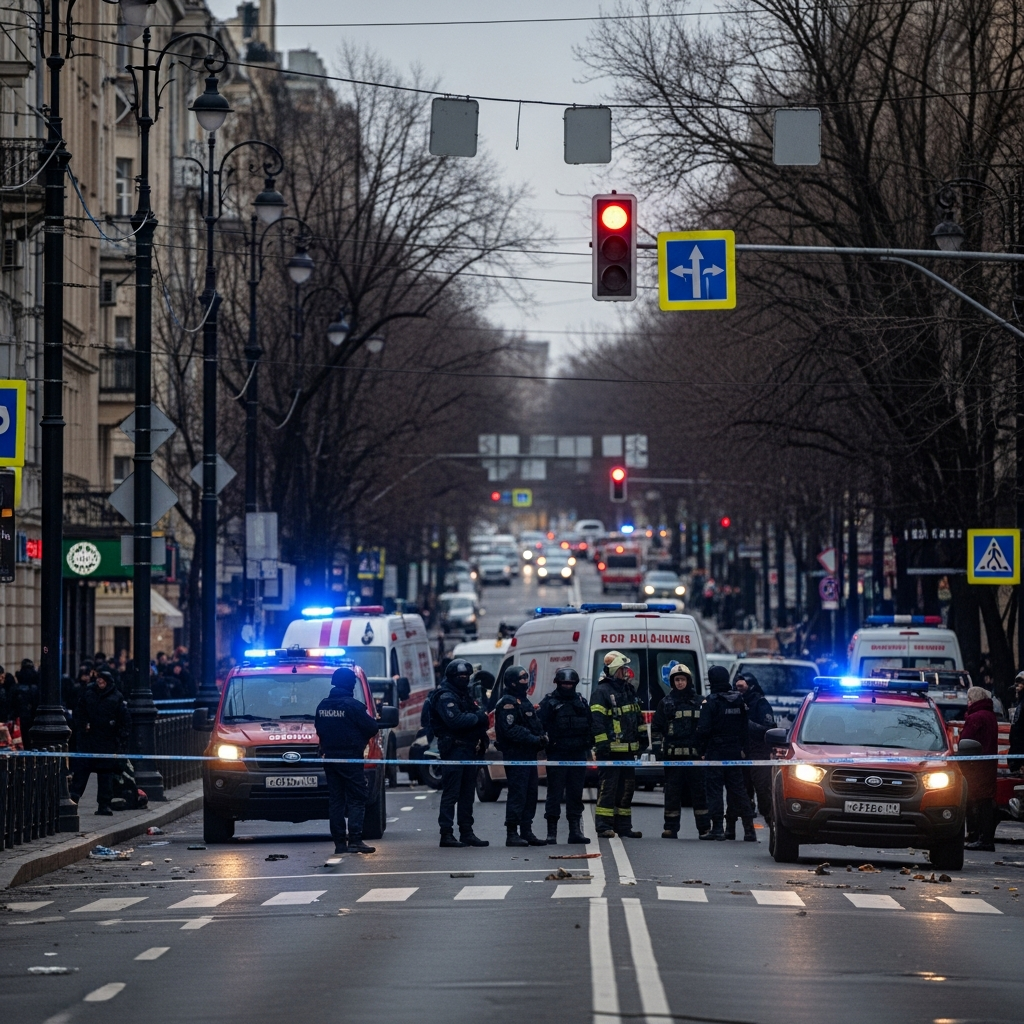
The sequence of events painted a harrowing picture. The assailant reportedly began his rampage by setting fire to an apartment. He then took to the streets of the Holosiivskyi district, a bustling central area, armed with an automatic weapon. Eyewitnesses described a scene of panic as the gunman opened fire indiscriminately, leaving bodies on a crowded street near an apartment block and a nearby shopping center. Four individuals tragically lost their lives in these initial shootings. Bystanders scrambled for safety, fleeing the sudden and unexpected violence that shattered the relative calm of a wartime Saturday.
Following the initial street attacks, the gunman escalated the crisis. He barricaded himself inside a local supermarket, taking customers and staff hostage. This move transformed the incident from an open-air shooting into a tense standoff, further intensifying the danger for those trapped inside and the responding authorities. The city watched anxiously as police converged on the scene, preparing for a complex and dangerous intervention.
The Police Response: Negotiations, Standoff, and Neutralization
Ukrainian authorities responded with remarkable speed and coordination to the Kyiv mass shooting. Special tactical police units quickly surrounded the supermarket. Interior Minister Ihor Klymenko confirmed that a 40-minute standoff ensued, during which every effort was made to de-escalate the situation. Negotiators attempted to establish contact with the gunman, even offering to provide tourniquets for a potentially wounded person inside. However, their pleas went unanswered. A female negotiator, using a loudspeaker from behind an armored vehicle, urgently appealed to the assailant: “The people are not to blame for this. Please let them go, and we will talk with you.”
Despite these efforts, the gunman remained unresponsive and defiant. Tragically, he killed one of the hostages during this tense period. With negotiations exhausted and the lives of remaining hostages at grave risk, the order was given to “neutralize” the attacker. Special units then stormed the convenience store. In the ensuing confrontation, police fatally shot and killed the gunman, bringing an end to the terrifying ordeal. Unfortunately, one more victim, a woman who had sustained severe injuries, later died in the hospital, bringing the final death toll to six. At least 14 others required hospitalization for their wounds.
Delving into the Assailant’s Background
Ukrainian President Volodymyr Zelenskyy provided crucial details about the perpetrator. Though his name was not publicly released, Zelenskyy revealed that the 58-year-old assailant was born in Russia. He also stated that the gunman had a prior criminal record and had lived for a significant period in the Donetsk region of eastern Ukraine. Authorities are actively working to piece together a definitive motive for this shocking act of violence. The fact that he possessed a valid weapon’s permit, as confirmed by Interior Minister Klymenko, adds another layer of complexity to the investigation.
Residents in the Holosiivskyi district expressed profound shock and disbelief. Hanna Kulyk, a 75-year-old neighbor who lived in the same apartment block as the attacker, described him as seemingly “educated, refined.” She added, “You’d never guess he was some kind of criminal.” Kulyk noted that he “didn’t socialize much with people — just a greeting and he’d be on his way” and that he lived alone. These accounts highlight the struggle for the community to reconcile the perpetrator’s everyday persona with his horrific actions.
Community Impact and Broader Implications
The Kyiv shooting incident has left an indelible mark on the capital, forcing residents to confront a new dimension of threat. While the city has demonstrated remarkable resilience throughout the ongoing war, this act of internal terrorism against civilians presents unique challenges. It underscores the importance of domestic security measures even as external threats loom large. The sight of victims’ bodies covered with emergency blankets on crowded streets served as a stark reminder of the immediate and severe impact of such violence.
This event sparks critical questions about preventing such internal attacks, even amidst a larger conflict. It also highlights the psychological toll on a population already under immense stress from war. The SBU’s classification of the incident as terrorism may open avenues for different investigative approaches and a more focused effort to understand and counter such domestic threats. As Kyiv continues to navigate the complexities of wartime, ensuring civilian safety from all forms of aggression remains a paramount concern. The investigation into the gunman’s motives and the broader context of his actions will undoubtedly shape future security strategies in the capital.
Frequently Asked Questions
What were the immediate consequences of the mass shooting in Kyiv?
The mass shooting in Kyiv on April 18, 2026, resulted in six fatalities and at least 14 injuries. The incident began with four people being shot on a crowded street in the Holosiivskyi district. Subsequently, the gunman took hostages in a supermarket, killing one there, and another severely injured woman later died in the hospital, bringing the total death toll to six. Fourteen wounded individuals were hospitalized, and the city experienced widespread shock and a major police response.
Why was the Kyiv mass shooting considered unprecedented during wartime?
This Kyiv mass shooting was deemed unprecedented because such acts of internal civilian violence were “unheard of in wartime Kyiv” following Russia’s full-scale invasion in 2022. While the city has endured missile strikes and military threats, a lone gunman launching a rampage and hostage situation against civilians in a central district was a novel and deeply shocking form of terror. Ukraine’s security service (SBU) officially classified the killings as an act of terrorism, distinguishing it from conventional wartime aggression.
What is known about the perpetrator of the Kyiv mass shooting?
The perpetrator was a 58-year-old man, whose name was not publicly released by police. Ukrainian President Volodymyr Zelenskyy confirmed he was born in Russia, had a prior criminal record, and had lived for an extended period in Ukraine’s eastern Donetsk region. He possessed a valid weapon’s permit. While authorities are investigating his motive, neighbors described him as seemingly “educated, refined” and living alone, expressing surprise at his violent actions.
Conclusion
The tragic Kyiv mass shooting on April 18, 2026, serves as a stark reminder that even a city enduring external conflict can face unforeseen internal threats. This unprecedented act of terrorism, which claimed six lives and wounded many, underscored the enduring need for vigilance and robust security measures. As investigations continue to unravel the gunman’s motives and background, Kyiv remains resilient, but also acutely aware of the multifaceted challenges it faces in protecting its citizens from all forms of violence. The memory of this day will undoubtedly contribute to evolving strategies for civilian safety in a nation determined to prevail against adversity.