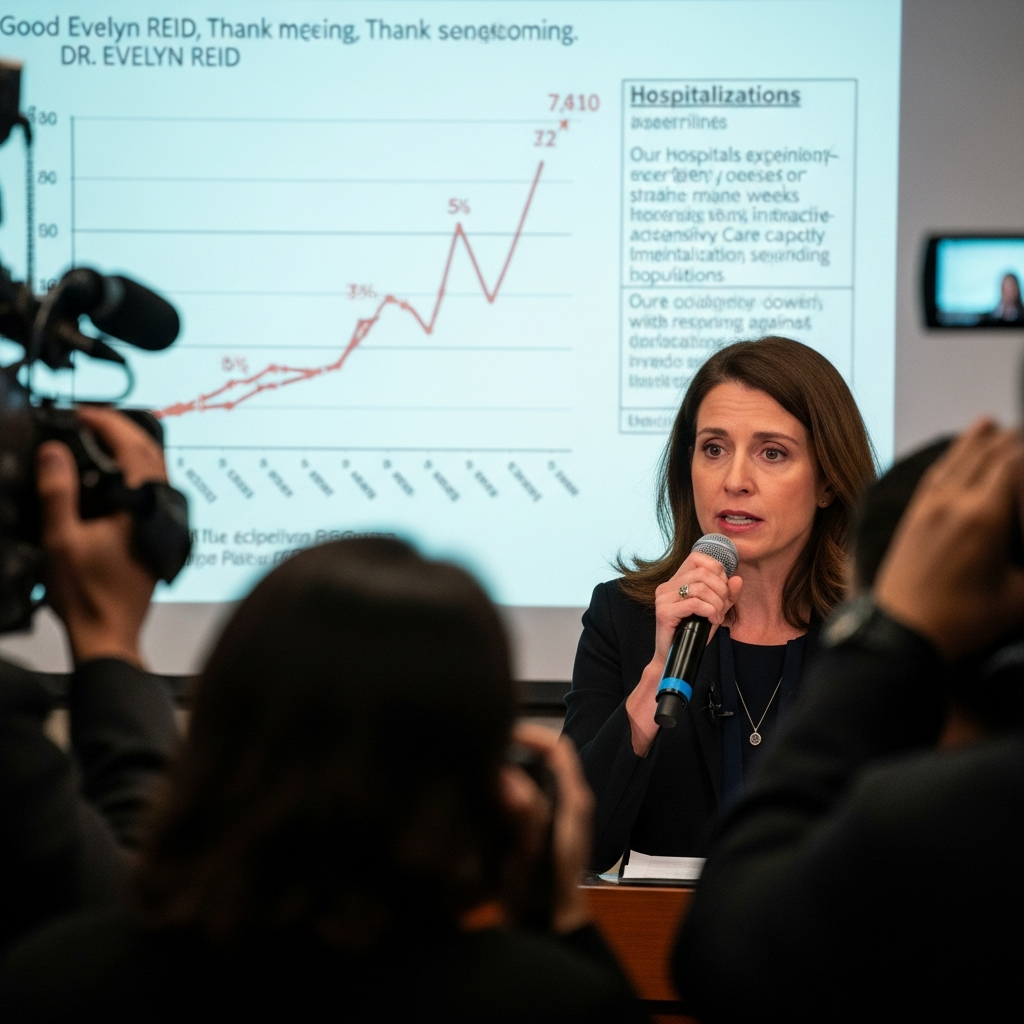
The California flu season is underway, prompting health officials to issue important advisories for residents across the state. A notable influenza strain, often colloquially referred to as the “super flu,” is circulating, bringing with it a wave of respiratory illnesses. Understanding its symptoms, the critical role of vaccination, and how to protect yourself is more important than ever. This comprehensive guide provides essential information to navigate the current flu landscape and keep your family healthy.
Demystifying the “Super Flu”: What’s Really Spreading in California?
Reports of a “super flu” might sound alarming, but medical experts clarify this term. While widely used in media, professionals like those at Stanford Medicine and UC Berkeley, along with Axios, emphasize that “super flu” is not a recognized medical term. Instead, California public health officials and the Centers for Disease Control and Prevention (CDC) have identified the dominant strain as Influenza A H3N2 subclade K. This specific variant has distinctive characteristics causing concern this season.
Initially observed on the East Coast and internationally, the H3N2 subclade K strain has now established its presence across California. This particular variant is generating significant discomfort and appears to be more transmissible. Dr. Monica Gandhi from UCSF notes that symptoms associated with this strain often “last a long time,” causing considerable distress among those affected.
Understanding the H3N2 Subclade K Strain
The H3N2 subclade K variant of influenza A is characterized by seven new mutations. These genetic changes are believed to enhance the virus’s ability to evade immunity. It emerged globally earlier in the year, leading to severe outbreaks in places like Japan and Europe, as highlighted by the World Health Organization (WHO) and reports in the BMJ. Data from GISAID indicates that subclade K now accounts for an estimated 90% of flu cases across the United States. Dr. Robert Hopkins Jr., Medical Director of the National Foundation for Infectious Diseases (NFID), points out that H3N2 strains generally lead to more severe illness across all age groups, making its rapid spread particularly concerning.
Recognizing Flu Symptoms: When to Seek Medical Attention
The symptoms of the H3N2 subclade K flu are largely consistent with typical seasonal influenza A. These can manifest suddenly and include:
Fever and chills: Often a high fever that comes on quickly.
Body aches and headaches: Generalized muscle pain and a throbbing head.
Extreme fatigue: A feeling of overwhelming tiredness.
Cough and congestion: Persistent coughing, often accompanied by a runny or stuffy nose.
Sore throat: A scratchy or painful throat.
UCSF’s Dr. Monica Gandhi and Dr. Rob Assibey at STAT MED Urgent Care in Concord have both observed patients experiencing these severe upper respiratory symptoms, often testing positive for Influenza A. The challenge lies in distinguishing flu from other circulating respiratory viruses like COVID-19 and RSV, as their symptoms can be very similar. Health officials recommend testing for an accurate diagnosis, with rapid 3-in-1 home tests proving useful.
Contagiousness and Recovery Timeline
The flu virus is highly contagious. Healthy adults can typically spread the flu starting about one day before symptoms appear and for up to five to seven days after becoming sick. The CDC emphasizes that individuals are most contagious during the first three days of their illness. Young children and those with compromised immune systems, however, may remain contagious for extended periods. Most cases resolve within 5-7 days, but severe symptoms, persistent high fever, signs of dehydration, or difficulty breathing warrant immediate medical attention.
The Flu Vaccine: Still Your Essential Defense Strategy
A crucial aspect of managing this flu season is understanding the role of the vaccine. While the H3N2 subclade K variant emerged after the selection of strains for the 2025-2026 flu vaccine, leading to a “slight mismatch,” experts unequivocally recommend vaccination. Andrew Pekosz, a virologist at Johns Hopkins, explains that the mutations caused the virus to “drift,” potentially reducing the vaccine’s direct recognition of subclade K. However, the overall effectiveness of the flu shot remains vital.
Dr. Erica Pan, Director of the California Department of Public Health (CDPH), and Dr. Monica Gandhi both stress that the current seasonal flu vaccines are effective at reducing severe illness, hospitalizations, and deaths. The vaccine might not prevent every infection from subclade K, but it significantly lessens symptom severity. Importantly, it also provides robust protection against other circulating flu strains, such as H1N1 and influenza B. Dr. Gandhi specifically noted that unvaccinated individuals are often those experiencing the most severe illness, some even requiring hospitalization. Dr. Assibey’s observations at STAT MED Urgent Care align with this, noting that vaccinated patients generally experience milder symptoms.
Addressing Declining Vaccination Rates
There’s a concerning trend of lower flu vaccination rates this season. The U.S. Centers for Disease Control and Prevention (CDC) reported a decrease in vaccine doses distributed nationally by mid-December compared to the previous year. Some experts, like Dr. John Swartzberg from UC Berkeley, attribute this national decline to broader anti-vaccination campaigns and changing public health guidance. Despite these challenges, health experts consistently urge Californians to get vaccinated. It’s truly “not too late” to receive the flu shot, as immunity typically develops within two weeks.
Flu Activity Across California: Regional Snapshots
The flu’s impact varies across California. Statewide, the test positivity rate for the flu is currently described as moderate. However, specific regions are experiencing higher activity:
Bay Area: Flu activity is notably high. Dr. Rob Assibey in Concord has seen a significant uptick in cases.
Southern California (including Los Angeles): Flu test positivity increased in December, reaching a “moderate” level by early January. While moderate, this figure is lower than what was recorded at the same time last year.
Statewide: California, overall, has lower flu rates compared to many other parts of the country. This positions the state with large healthcare systems capable of managing potential surges, according to Dr. Swartzberg.
The CDPH has confirmed a tragic second pediatric flu-associated death in California this season, underscoring the severity for vulnerable populations. The CDC reports a national total of 17 pediatric flu deaths, highlighting the serious risks for children.
Beyond Influenza: Other Respiratory Viruses in Circulation
While flu dominates headlines, other respiratory viruses are also active in California:
COVID-19: As of early January, COVID-19 activity remains “very low statewide” and in Southern California.
RSV (Respiratory Syncytial Virus): Test positivity for RSV in Southern California and Los Angeles was rated “moderate” in early January, showing an increase from the previous week.
Whooping Cough (Pertussis): San Bernardino County health officials have reported a surge in whooping cough cases compared to the previous year, reminding residents of the importance of full immunization.
Practical Steps to Protect Yourself and Your Community
Taking proactive measures is crucial during this respiratory virus season. Here’s what you can do:
Get Vaccinated: Everyone over six months of age who hasn’t received their flu shot for the 2025-2026 season should do so immediately. Vaccines, tests, and treatments are widely available and often covered by insurance at no cost through pharmacies and healthcare providers.
Practice Good Hygiene: Frequent and thorough handwashing with soap and water is paramount. Use alcohol-based hand sanitizer if soap and water aren’t available.
Cover Coughs and Sneezes: Use a tissue or your elbow to prevent spreading germs.
Avoid Sick Individuals: Maintain distance from people who are ill.
Consider Masking: Wear a mask in crowded indoor spaces, especially if you are in a high-risk group or live with vulnerable individuals.
Test and Isolate: If you develop symptoms, get tested. Isolate yourself if positive for the flu (or other contagious viruses) until you are fever-free for 24 hours without medication and your symptoms are improving. For flu, the CDC recommends isolating for at least five days from symptom onset if no fever.
Antiviral Treatments: If flu is confirmed, antiviral medications can reduce symptom severity and duration, especially if taken early in the illness. Consult your healthcare provider.
Frequently Asked Questions
What is the “super flu” everyone is talking about in California this season?
The “super flu” is a common term used by the media to describe the dominant influenza strain currently circulating in California, which is medically identified as H3N2 subclade K. This variant has specific mutations that can make it more transmissible and potentially cause more severe or longer-lasting symptoms, including fever, chills, body aches, and cough. Medical experts caution against the “super flu” label, emphasizing it’s a specific seasonal flu strain with characteristics that warrant attention.
Where can Californians access flu vaccines and treatments?
Flu vaccines, tests, and treatments are widely available across California. You can typically get a flu shot at local pharmacies, through your healthcare provider, or at other authorized vaccine clinics. The California Department of Public Health (CDPH) confirms that all CDPH-recommended vaccines, including the flu shot, are covered by health care insurers regulated by the State of California and can often be obtained at no cost. It is advisable to contact your preferred provider or pharmacy for current availability.
Should I still get the flu vaccine if there’s a “mismatch” with the dominant strain?
Yes, absolutely. Despite a “slight mismatch” between the H3N2 component of the current flu vaccine and the circulating H3N2 subclade K strain, medical experts strongly recommend vaccination. The vaccine is crucial for reducing the severity of illness, lowering the risk of hospitalization, and preventing death, even if it doesn’t prevent every infection. It also provides important protection against other flu strains (like H1N1 and influenza B) that are also circulating. Doctors consistently observe that unvaccinated individuals tend to experience much more severe symptoms and are more likely to be hospitalized.
Stay Vigilant and Protected
The current California flu season, primarily driven by the H3N2 subclade K strain, demands our attention and proactive measures. While the term “super flu” may be alarming, understanding the specific virus and its implications allows for effective prevention and management. Despite a potential vaccine mismatch, medical experts are united in their recommendation: vaccination remains your most potent tool against severe illness, hospitalization, and death. By staying informed, getting vaccinated, and practicing good public health habits, Californians can significantly reduce their risk and protect their communities during this respiratory virus season.