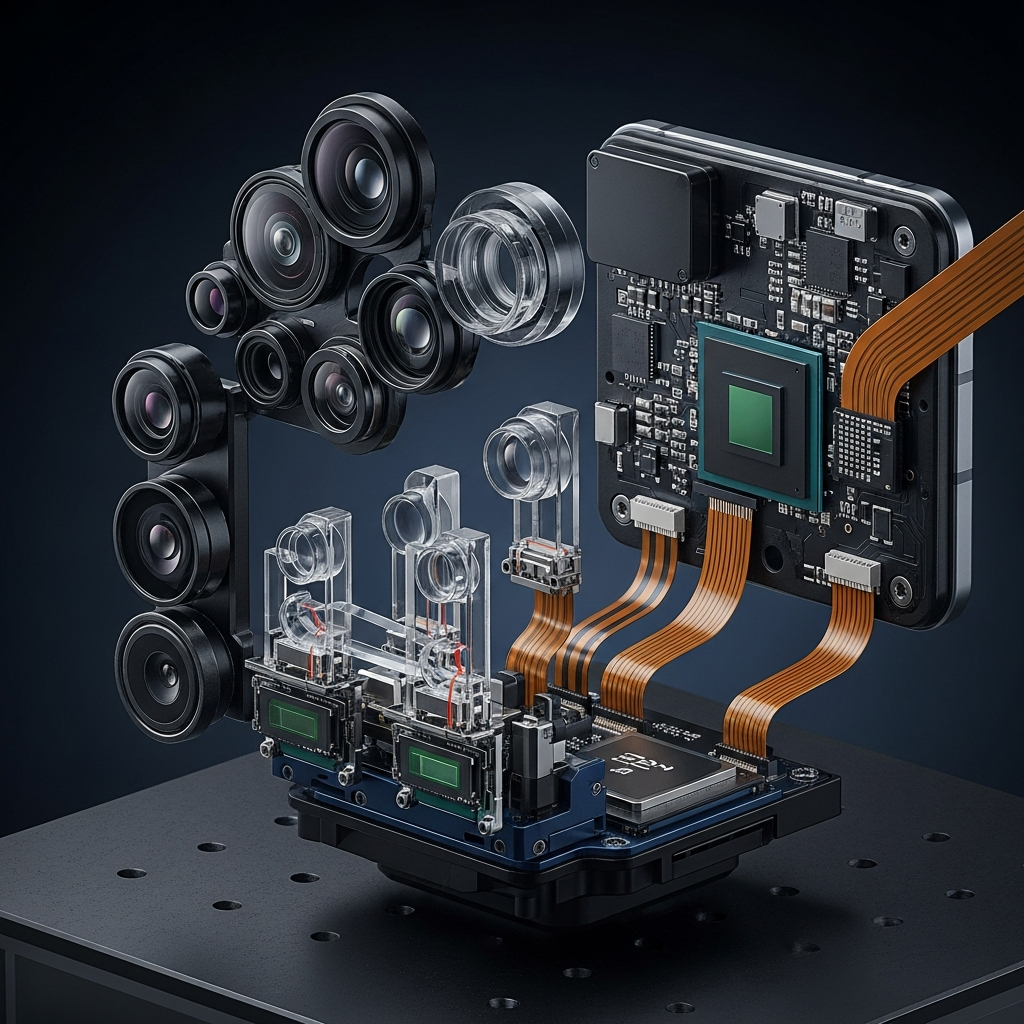
For years, dedicated Galaxy enthusiasts have eagerly awaited monumental advancements in smartphone photography. The wait is finally nearing its end. Samsung has officially confirmed a significant investment in research and development for Samsung camera hardware, promising substantial upgrades that go far beyond mere software tweaks. This isn’t just about improved algorithms; it’s about fundamental changes to the camera system, hinting at a new era for mobile photography on future Galaxy devices like the upcoming S26 and S27 series.
The Long Wait for True Camera Hardware Innovation
Samsung’s flagship phones have consistently pushed boundaries in design, display technology, and processing power. However, when it comes to camera hardware, many users felt advancements were often incremental. While aperture and resolution saw upgrades, the foundational sensor size often remained unchanged. This led to a growing desire for more profound improvements from the South Korean tech giant. Photography enthusiasts understand that while computational photography is powerful, the ultimate image quality is rooted in superior light-gathering capabilities, which primarily come from larger sensors.
Beyond Incremental Updates: Why Sensor Size Matters
For several years, Samsung primarily focused on enhancing existing camera setups through software optimization and minor adjustments. Think of it as refining the way a camera processes an image, rather than fundamentally improving the raw data it captures. Users longed for a breakthrough, something that would tangibly elevate smartphone photography. Bigger sensors allow more light to hit the pixel area, resulting in cleaner images with less noise, especially in challenging low-light conditions. They also contribute to a more natural depth of field, giving photos that coveted “bokeh” effect without heavy reliance on artificial blurring. The confirmation of deep R&D signals a shift towards addressing these core hardware limitations.
Samsung’s Deep Dive into Next-Gen Camera Tech
The company has been candid about its commitment. A Samsung executive confirmed to Android Authority that extensive development is underway behind the scenes. This isn’t a casual endeavor; it’s a massive future Galaxy camera hardware boost in the making. Samsung Executive Vice President Joshua Cho articulated the company’s strategic approach, stating that considerable R&D is invested in hardware improvement. He emphasized finding the “right combination at the right time,” highlighting a meticulous process of aligning hardware capabilities with software prowess.
Executive Confirmation & Strategic Patience
Joshua Cho acknowledged that camera hardware has been a “frequently asked question.” He assured users that Samsung camera hardware R&D is happening on a large scale. The core challenge, he explained, is not just creating new components but finding the “best combination” of new hardware and sophisticated software. This strategic patience ensures that when these upgrades finally arrive, they offer a genuinely revolutionary experience, not just piecemeal enhancements. It demonstrates a commitment to delivering a polished, integrated system that maximizes performance.
The Future Vision: More Than Just Pixels
The upcoming advancements promise to redefine what a phone camera can achieve. We’re talking about more than just boosting megapixel counts; the focus is on enabling truly versatile and high-fidelity image capture. Anticipated features include variable aperture technology, which mimics traditional camera lenses by allowing the user or phone to adjust the physical opening of the lens. This offers greater control over depth of field and exposure. Better optical zoom lenses and larger, more sensitive sensors are also high on the agenda. These upgrades aim to transcend the current limitations of computational photography, offering superior raw data for the phone’s powerful processors to work with, leading to unprecedented image quality.
Glimpses of the Future: Galaxy S26 and S27 Camera Upgrades
While specific timelines remain under wraps, expectations are high for these substantial camera hardware upgrades to begin rolling out as early as next year. Recent reports and investor calls shed light on what’s coming, particularly for the highly anticipated Galaxy S26 and S27 series.
Galaxy S26 Series: Confirmed Enhancements
The Galaxy S26 series, expected to launch in early 2026, is already poised to deliver significant camera enhancements. Samsung’s Vice President of Mobile Experience, Daniel Araujo, confirmed the inclusion of new camera sensors across the lineup during an investor call. The series is also confirmed to feature next-gen AI capabilities, powered by Samsung’s own 2nd generation 2nm Exynos 2600 chipset in some regions, and potentially Qualcomm’s next top-tier Snapdragon 8 Elite 2 processor in others. This powerful processing backbone will be crucial for handling the advanced image data from new sensors.
For the premium Galaxy S26 Ultra, leaks and confirmations point to a brighter main lens and enhanced zoom capabilities, including dedicated 3x and 5x periscope zoom lenses. While the 3x telephoto might see a less significant sensor replacement, the overall system aims for superior clarity and reach. Importantly, the standard Galaxy S26 and Galaxy S26+ models are also slated to “indeed feature a new camera sensor,” signifying a more comprehensive upgrade strategy across the core flagship range. Alongside these, the S26 Ultra is rumored to include 60W fast charging and a thinner, lighter design without sacrificing its 5,000mAh battery.
Galaxy S27 Ultra: Rumored Breakthroughs
Looking further ahead, the Galaxy S27 Ultra is rumored to introduce even more groundbreaking Samsung camera hardware. A key speculation is the integration of variable aperture technology. This would allow the camera lens to physically adjust its opening, much like a DSLR, enabling greater control over light intake and depth of field, leading to more versatile and professional-looking photos. Further rumors include a new 200MP primary camera sensor, likely leveraging advanced pixel binning techniques for exceptional detail and low-light performance. An upgraded ultrawide camera, potentially retaining a 50MP resolution but using a newer, more capable sensor, is also on the cards. Additionally, the front-facing camera could see improvements with new 3D facial recognition capabilities, enhancing security and potentially enabling new photographic effects.
Spreading Innovation: Beyond the Ultra Models
While the Ultra variants typically receive the most attention and the latest innovations, there’s a strong argument for democratizing these advanced camera features. Experts suggest Samsung should seriously consider bringing these substantial Galaxy camera upgrades to its base, Plus, and FE models within the S series. Historically, these models have received fewer significant camera hardware improvements compared to their premium siblings. Extending these advancements would significantly enhance the overall user experience across a broader segment of the market, allowing more users to benefit from Samsung’s cutting-edge photography tech. This approach would solidify Samsung’s position as a leader in smartphone photography for all tiers of its flagship lineup.
Frequently Asked Questions
What specific camera hardware upgrades can we expect from Samsung’s future Galaxy phones?
Samsung has confirmed a significant focus on fundamental Samsung camera hardware improvements, moving beyond just software tweaks. For the Galaxy S26 series, new camera sensors are confirmed across the lineup, with the S26 Ultra expected to get a brighter main lens and enhanced 3x and 5x periscope zoom lenses. For the rumored Galaxy S27 Ultra, anticipated breakthroughs include variable aperture technology, a new 200MP primary camera sensor, an upgraded 50MP ultrawide camera with a newer sensor, and an improved front-facing camera with 3D facial recognition. These advancements aim to improve sensor size, light gathering, and optical versatility.
When are these substantial Galaxy camera hardware improvements likely to arrive?
While Samsung’s Executive Vice President Joshua Cho emphasized “finding the right combination at the right time,” expectations are for these upgrades to begin materializing as early as next year. The Galaxy S26 series, with its confirmed new camera sensors and enhanced features, is projected for an early 2026 launch. More advanced rumored features, such as variable aperture technology and a new 200MP sensor, are anticipated to arrive with the Galaxy S27 Ultra, likely in 2027. Samsung’s strategic patience suggests a rollout tied to optimal hardware-software synergy rather than a rushed release.
How will Samsung’s new camera hardware improve smartphone photography beyond current software enhancements?
New Samsung camera hardware will significantly elevate smartphone photography by improving the foundational data captured before any software processing. Larger and newer sensors can gather more light, leading to superior image quality with less noise, especially in low-light conditions. Features like variable aperture will offer greater control over depth of field and exposure, mimicking traditional camera capabilities. Enhanced optical zoom lenses will provide clearer, higher-fidelity zoomed-in shots without relying solely on digital cropping. These hardware advancements provide a richer, more detailed canvas for Samsung’s powerful computational photography, ultimately yielding more professional, versatile, and natural-looking images compared to software-only improvements.
Conclusion
The future of smartphone photography with Samsung Galaxy phones looks incredibly bright. With a confirmed heavy investment in fundamental Samsung camera hardware R&D, the company is poised to deliver a new generation of devices that truly redefine mobile imaging. From the comprehensive sensor upgrades confirmed for the Galaxy S26 series to the rumored breakthroughs like variable aperture and enhanced 200MP primary cameras on the Galaxy S27 Ultra, users can anticipate a period of revolutionary change. Samsung’s strategic focus on the “right combination” of hardware and software promises a holistic improvement that will excite enthusiasts and everyday users alike. Stay tuned for official announcements as Samsung prepares to unveil these game-changing innovations.