While the highly anticipated Galaxy S26 series just hit pre-order shelves, eager tech enthusiasts are already looking ahead. Early whispers about the Galaxy S27 Ultra camera are making waves, suggesting Samsung might finally deliver a groundbreaking hardware upgrade to its flagship imaging system. For those contemplating an upgrade from an older device, like a Galaxy Note 20 Ultra, these initial rumors hint that waiting might be a smart move after all. This potential leap, focused on enhanced photography and videography, could redefine mobile imaging performance.
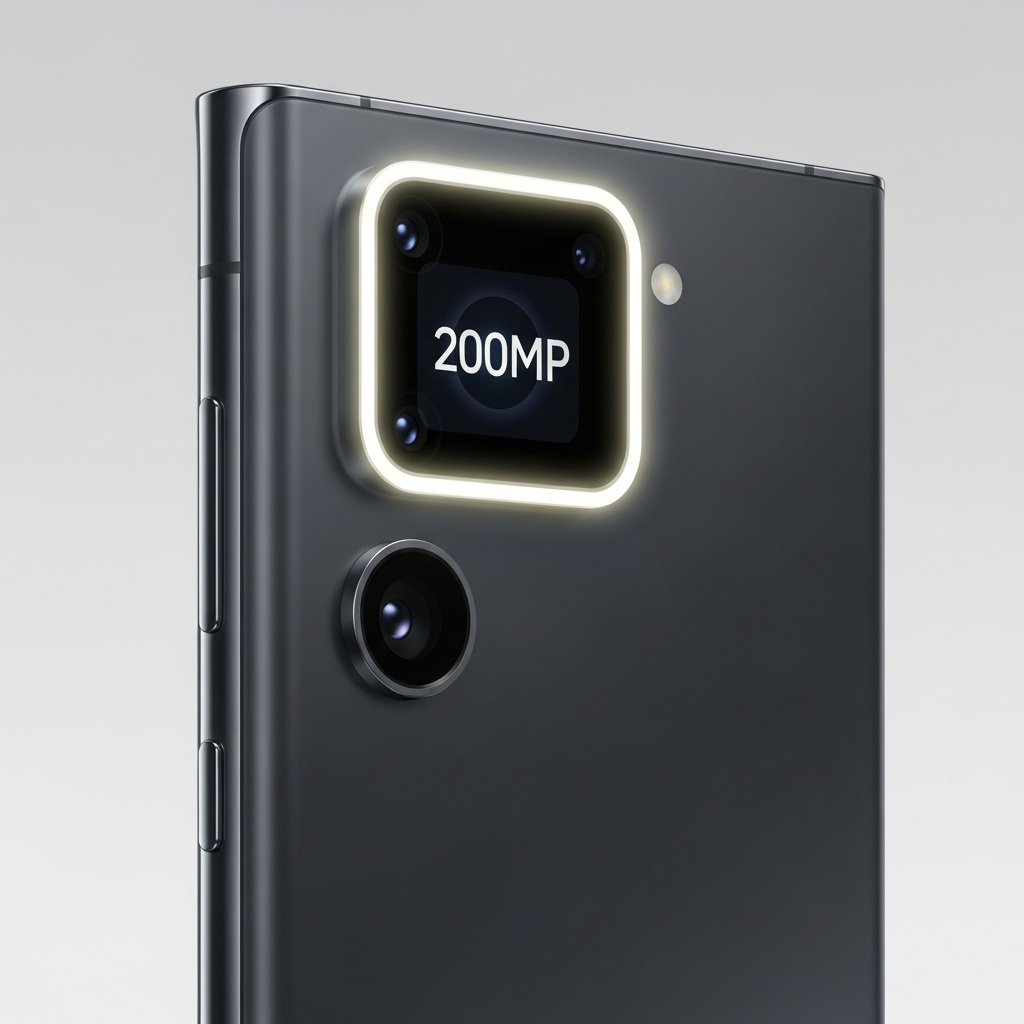
Samsung’s current 200-megapixel sensors, while capable, have seen incremental software improvements rather than significant physical overhauls in recent years. However, prominent leakers are now pointing to a radical shift for the Galaxy S27 Ultra camera. This change primarily revolves around a new imaging sensor, allegedly named ISOCELL HPA, promising a substantial performance boost while retaining the impressive 200MP resolution. This upcoming sensor upgrade focuses on size and innovative technology to deliver superior image quality.
A Deeper Dive into the ISOCELL HPA and LOFIC Technology
The core of this exciting rumor, initially shared by leaker Digital Chat Station on Weibo, details the new ISOCELL HPA sensor. This sensor is rumored to feature a larger physical size of 1/1.12 inches, a notable increase from previous iterations. Crucially, it’s also expected to integrate support for LOFIC (Lateral Overflow Integration Capacitor) technology.
So, what exactly is LOFIC? It’s a cutting-edge imaging innovation designed to dramatically improve a camera’s High Dynamic Range (HDR) capabilities. Unlike traditional sensors, LOFIC embeds a separate capacitor within each pixel. This allows the sensor to capture a much wider dynamic range, simultaneously enhancing both highlight and lowlight performance in a single shot. The result? Images with richer detail in shadows and brighter areas, presenting a more true-to-life representation of the scene. This technology marks a significant step forward for smartphone photography, particularly in challenging lighting conditions.
The Nuances of Samsung’s Sensor Strategy: HPA vs. HP6
The rumor mill, however, offers a slight variation. Fellow leaker Ice Universe echoed Digital Chat Station’s reports but added a key distinction. According to Ice Universe, Samsung might opt for a modified variant of the HPA sensor, codenamed HP6. This HP6 version is reportedly slightly smaller, measuring 1/1.3 inches, but is expected to deliver similar high-performance characteristics. This particular size is noteworthy because it matches Samsung’s current ISOCELL HP2 sensor, used in models like the Galaxy S25 Ultra.
This detail suggests Samsung might not immediately jump to a 1-inch sensor, a trend embraced by some competitors like Xiaomi and Oppo in their flagship devices. Instead, Samsung appears focused on maximizing performance within a slightly smaller footprint through advanced technologies like LOFIC. The fact that the Xiaomi 17 Ultra, recently announced, already incorporates this HP6 sensor with LOFIC technology lends significant credibility to its potential adoption by Samsung. It highlights a broader industry movement towards enhancing dynamic range in mobile cameras.
Beyond the Main Sensor: A Comprehensive Camera Overhaul?
While the 200MP main sensor with LOFIC is the primary focus, additional whispers suggest a broader camera system refresh for the Samsung Galaxy S27 Ultra. Leakers like Ice Universe indicate that Samsung is planning major upgrades across multiple lenses. This could include new primary, ultra-wide, and selfie cameras. Conversely, the telephoto lens might remain unchanged. This makes sense given that the Galaxy S26 Ultra is already rumored to receive a refreshed telephoto module.
For years, Samsung fans have yearned for meaningful physical upgrades to the flagship camera hardware. The current ISOCELL HP2 sensor, if carried from the S25 Ultra to the S26 Ultra, would have served four consecutive generations. While still competitive, it’s “no longer the benchmark” it once was against rapidly evolving rival technologies. A new sensor by 2027 is “certainly due” to maintain Samsung’s competitive edge. Samsung’s historical preference for its proprietary ISOCELL sensors makes a switch to a rival manufacturer like Sony unlikely, despite Sony’s own physically larger 200MP offerings. The integration of “new technologies” within the HP6, beyond just LOFIC, could also hint at capabilities similar to a global shutter, potentially reducing “wobble and distortion” with moving subjects.
Navigating the Early Rumor Landscape: A Grain of Salt
It’s vital to approach these early Galaxy S27 Ultra camera rumors with a healthy dose of skepticism. The device is still more than a year away, expected in early 2027. Samsung’s development cycles are long, and plans can shift dramatically. Consider the Galaxy S26: a large portion of its early rumors ultimately proved false when the company reportedly rebooted much of its lineup last fall. Moreover, many of the Galaxy S26 Ultra’s imaging improvements are anticipated to come via software and processing rather than significant physical hardware changes, with a wider aperture being one of the few confirmed physical upgrades.
Despite the caveats, there’s a glimmer of hope. Leaker Ice Universe, a key source for these S27 Ultra rumors, accurately predicted the S26 Ultra’s wider aperture upgrade well over a year in advance. This track record suggests that his current insights might carry weight. These early leaks, while not definitive, offer the first tantalizing glimpse into Samsung’s potential future camera innovations and commitment to pushing mobile photography boundaries.
Frequently Asked Questions
What is LOFIC technology, and why is it important for the Galaxy S27 Ultra camera?
LOFIC (Lateral Overflow Integration Capacitor) is an advanced imaging technology rumored for the Samsung Galaxy S27 Ultra’s main camera sensor. It significantly enhances a camera’s High Dynamic Range (HDR) by embedding a separate capacitor within each pixel. This unique design allows the sensor to capture a much wider range of light and shadow in a single image. For users, this means superior performance in both bright highlights and deep lowlight areas, resulting in photos with richer detail and more accurate color representation, especially in challenging lighting conditions.
Which specific camera sensors are rumored for the Samsung Galaxy S27 Ultra?
Early rumors point to two potential main camera sensors for the Galaxy S27 Ultra, both maintaining a 200MP resolution. Digital Chat Station initially suggested the ISOCELL HPA sensor, featuring a larger 1/1.12-inch physical size. Separately, Ice Universe corroborated the upgrade but proposed a modified variant, the ISOCELL HP6, which might be slightly smaller at 1/1.3 inches but offer similar high-performance capabilities, including LOFIC technology. The HP6 has already appeared in the Xiaomi 17 Ultra, lending credibility to its existence and potential adoption by Samsung.
Should I wait for the Galaxy S27 Ultra or consider the S26 Ultra now?
Deciding whether to wait for the Galaxy S27 Ultra or purchase the S26 Ultra depends on your immediate needs and priorities. The Galaxy S26 series offers refined design and various pre-order deals right now. However, if these early Galaxy S27 Ultra camera rumors prove true, the S27 Ultra could represent a more significant leap in camera hardware, particularly with advanced features like LOFIC. If cutting-edge mobile photography is your absolute top priority and you can comfortably wait until early 2027, holding off might be worthwhile. Otherwise, the S26 Ultra will undoubtedly offer a premium flagship experience for the foreseeable future.
The Future of Samsung Flagship Photography
The Galaxy S27 Ultra camera rumors are exciting for any smartphone photography enthusiast. After several generations of refined but incremental camera updates, the prospect of a genuinely new sensor, particularly one integrating revolutionary LOFIC technology, indicates a renewed focus from Samsung on pushing hardware boundaries. While the S26 Ultra will offer notable software-driven improvements and a wider aperture, the S27 Ultra could deliver the physical overhaul many users have been waiting for. These early glimpses into Samsung’s imaging strategy paint a picture of a company ready to reclaim its position at the forefront of mobile camera innovation. As development progresses, tech enthusiasts will undoubtedly keep a close eye on further leaks and official announcements regarding this highly anticipated device.