A flurry of urgent diplomatic efforts recently swept Washington as key Middle Eastern allies implored the Trump administration to reconsider military action against Iran. These powerful regional players voiced profound concerns that U.S. strikes could severely destabilize an already fragile Middle East and trigger significant global economic repercussions. The high-stakes interventions underscore the intricate balance of power and the deep anxieties gripping the region, particularly amid Iran’s brutal crackdown on nationwide protests.
A Diplomatic Blitz: Middle East Allies Urge De-escalation
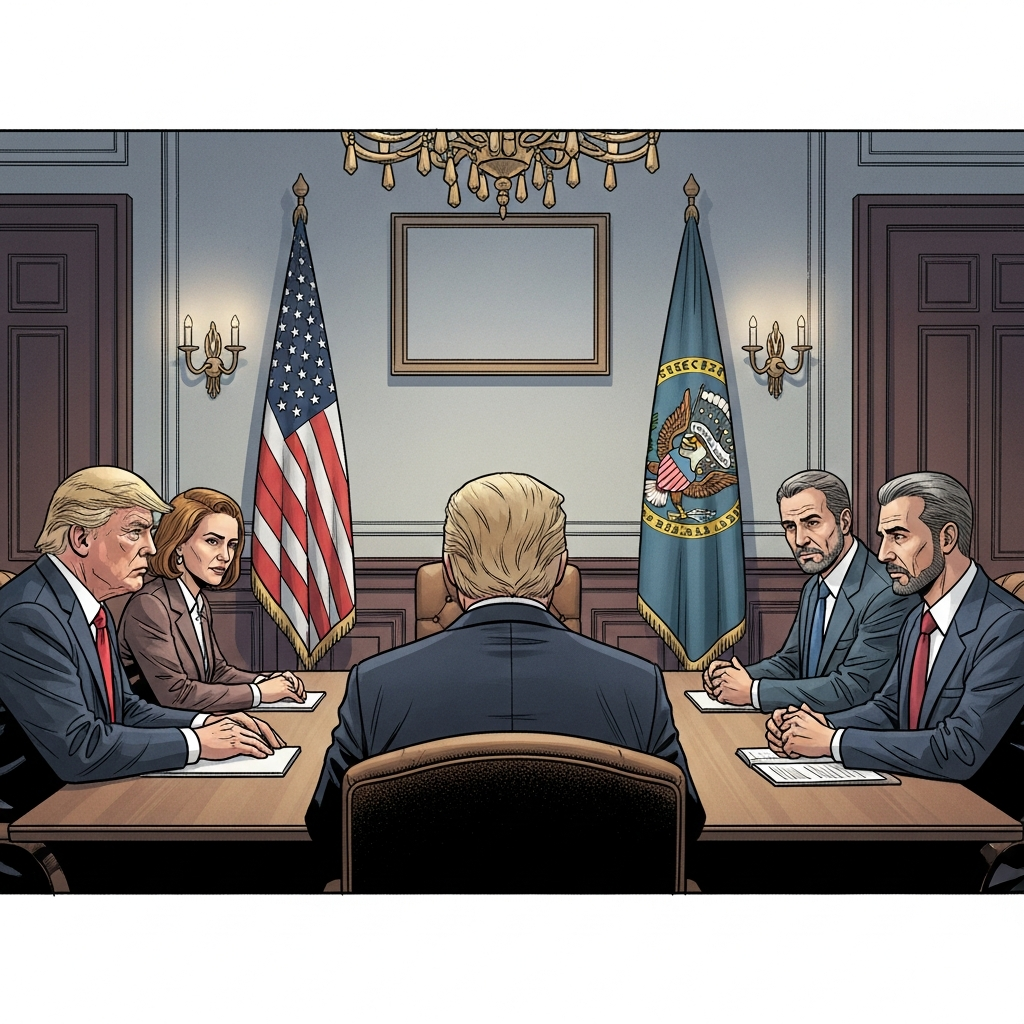
In an intense 48-hour period, top officials from nations including Egypt, Oman, Saudi Arabia, and Qatar engaged in a concerted diplomatic push. They reportedly conveyed to the Trump administration a clear message: avoid military intervention in Iran. An Arab diplomat, speaking anonymously due to the sensitivity of these discussions, revealed the allies’ deep-seated fears. Their primary worry centered on the potential for a U.S. military response to escalate tensions dramatically across the Middle East.
Unprecedented Concerns Over Regional Stability
The explicit pleas from these allied nations highlight a critical moment in U.S. foreign policy towards Iran. For years, the region has grappled with proxy conflicts and geopolitical maneuvering. Now, with Iran facing widespread internal unrest, the prospect of external military action carries an even higher risk of uncontrolled escalation. The allies emphasized that any U.S. strike could easily ignite a broader conflict, drawing in multiple regional actors and further fragmenting an already complex security landscape. Their unified message signals a desire to maintain what little stability remains.
The Economic Ripple Effect: Why Oil Prices Matter
Beyond immediate security concerns, the allied nations also cautioned against the significant global economic fallout of a potential conflict. The Middle East is a vital artery for global energy supplies, and any disruption could send shockwaves through markets worldwide. Indeed, as President Trump’s tone appeared to soften following days of fiery threats, global oil prices reportedly experienced a noticeable dip. This market reaction underscored the palpable anxiety surrounding the situation and the immediate impact of perceived de-escalation on global energy markets. The allies’ economic warnings likely resonated with the administration, particularly given the potential for soaring energy costs to impact global stability and U.S. interests.
Iran’s Volatile Landscape: Protests and Crackdown
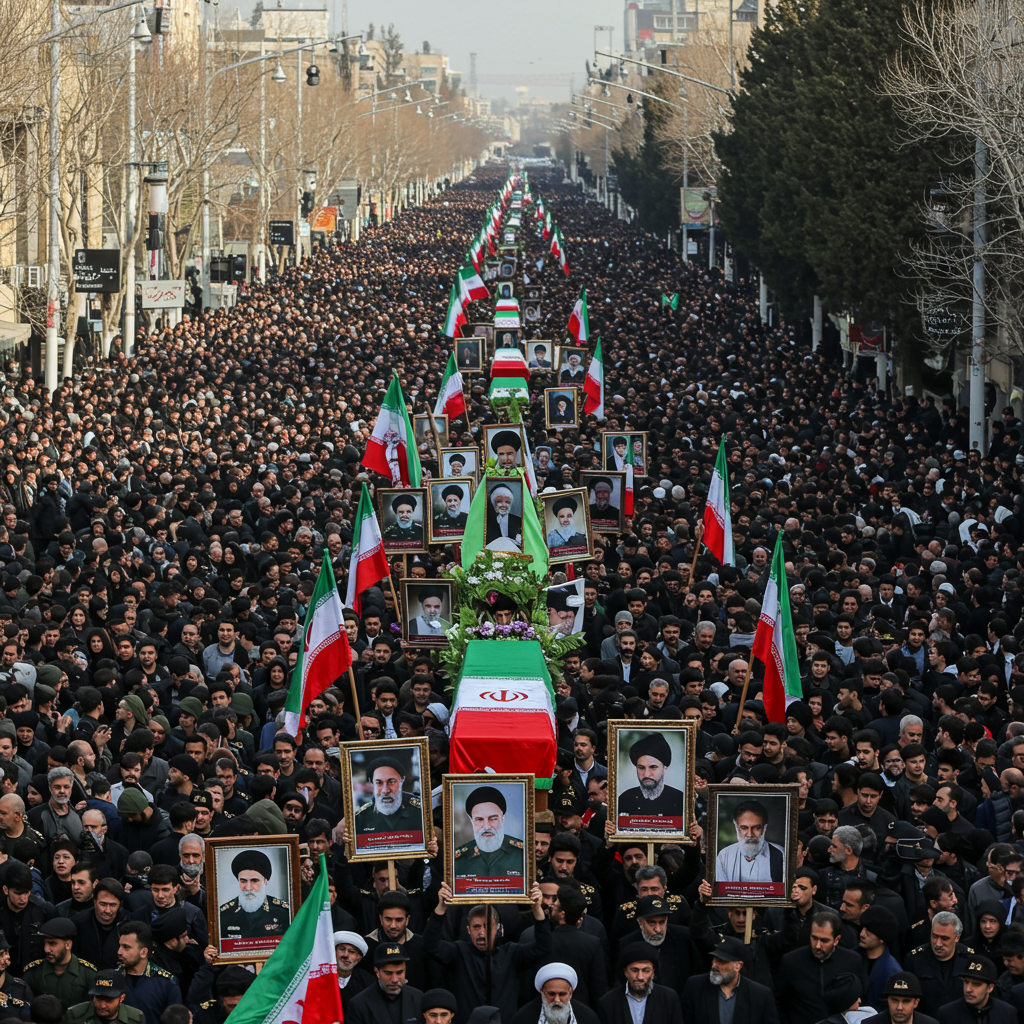
The backdrop to this diplomatic urgency is Iran’s escalating internal crisis. Widespread protests challenging the ruling theocracy have been met with an increasingly violent government response. Activists claim the crackdown has led to thousands of deaths, painting a grim picture of human rights abuses and state-sponsored repression.
A Nation in Turmoil: Allegations of Brutal Repression
For a week leading up to the allied diplomatic push, Iranian authorities had imposed an internet blackout, effectively severing the country from the outside world. This measure allowed for an intensified suppression of dissent, with activists reporting a staggering death toll, potentially exceeding 2,600 lives lost. The government’s brutal tactics, including mass arrests and reported executions, fueled international condemnation and galvanized the resolve of the Middle Eastern allies to prevent further bloodshed, whether internal or external. These domestic events served as a stark warning of Iran’s volatile internal state, making any external intervention even more perilous.
Trump’s Shifting Tone: Threats, Ambiguity, and Hope
President Trump’s public stance on the Iranian situation was characterized by significant rhetorical shifts. Initially, he offered vocal support to Iranian citizens, urging them to challenge their country’s institutions. However, this encouragement was soon followed by an abrupt declaration that, based on “very important sources,” Iran had ceased killing protesters and halted executions. This rapid shift, described by observers as “rhetorical whiplash,” left many speculating about the true intent behind the administration’s pronouncements. Despite these mixed signals, White House press secretary Karoline Leavitt affirmed that “all options remain on the table,” maintaining an element of strategic ambiguity often favored by the president.
Gulf States’ Evolving Security Doctrine: Beyond Neutrality
The urgency of the Middle Eastern allies’ diplomacy is deeply rooted in their own evolving security doctrines. Recent years have seen a significant redefinition of regional security for Gulf states, moving away from cautious neutrality towards a more assertive and unified stance. This strategic clarity became particularly evident following critical regional events in 2023 and 2024.
Manama Communique: Redefining “Indivisible Security”
The 46th Gulf Cooperation Council (GCC) Summit in Manama in December 2025, just weeks before these diplomatic pleas, produced a landmark communique. This document signaled a fundamental shift: the long-held assumption of Gulf neutrality had shattered. The communique starkly reiterated that “the security of the GCC states is indivisible and that any aggression against one is aggression against all.” This declaration, once conventional, now carries immense weight after direct intrusions into sovereign Gulf territory during the Israeli-Iranian conflict of 2024, including Iranian missile strikes on Qatar. This shift means Gulf states now view security as an existential concern, making them hyper-sensitive to any actions that could compromise regional stability, such as U.S. strikes on Iran.
A Unified Stance on Regional Threats
The Manama communique also demonstrated a unified and pragmatic approach to regional challenges. While firmly condemning Israel’s actions in Gaza as a “crime of genocide” and rejecting self-defense claims, the GCC simultaneously embraced UN Security Council Resolution 2803 for postwar Gaza reconstruction. Regarding Iran, the communique balanced openness to dialogue with unwavering demands. It explicitly condemned Iran’s occupation of the three UAE islands and asserted Kuwaiti and Saudi exclusive ownership of the Al-Durra gas field. These precise demands signal a move beyond vague concerns to directly naming specific disputes. The Gulf states’ message is clear: they seek de-escalation, but not at the expense of their core security interests or sovereignty.
Washington’s Strategy: Sanctions, Signals, and Strategic Gaps
While grappling with diplomatic appeals, the Trump administration simultaneously implemented new measures against Iran. These actions showcased a multi-pronged approach that combined economic pressure with military posturing, despite acknowledged operational limitations.
Targeted Sanctions Amidst Military Posture Concerns
On the same day as the diplomatic blitz, the Trump administration announced new sanctions targeting key Iranian officials and financial networks. The Treasury Department blacklisted the secretary of Iran’s Supreme Council for National Security, accusing him of inciting violence against protesters. Additionally, 18 individuals and entities involved in a “shadow banking network” facilitating money laundering from Iranian oil sales were designated. These sanctions represent a continued strategy of economic pressure designed to hobble the Iranian regime. However, observers like Jeremy Shapiro, research director of the European Council on Foreign Relations, pointed to a critical operational constraint: the absence of U.S. aircraft carriers in the Middle East.
The Absence of Critical Assets: U.S. Force Projection
Shapiro suggested that the delay in potential U.S. strikes might be strategically linked to the current U.S. force posture. Aircraft carriers are considered indispensable assets for any significant military operation. The USS Gerald R. Ford and its strike group, typically a robust presence, were recently deployed to the U.S. Southern Command for a large-scale counter-narcotics operation in Venezuela. This temporary absence of a critical naval asset could be a pragmatic reason for delaying military action, allowing time for a more “correct” posture. It reveals a potential gap in immediate U.S. military projection capabilities in the region, which could influence the timing and nature of any kinetic response.
The Broader Geopolitical Chessboard: Russia’s Influence
Adding another layer of complexity to the Middle East equation is Russia’s deepening engagement in the region, particularly its growing alliance with Iran. This dynamic complicates any U.S. strategy and explains further why Middle Eastern allies are so keen on de-escalation.
Moscow’s Deepening Ties with Tehran
Since the 2022 Ukraine invasion, Russia’s pivot to the Middle East has intensified, driven by its rivalry with the West and a desire to project global influence. Its partnership with Iran has become especially crucial, with Tehran serving as a vital weapons supplier for the Ukraine war. In return, Russia provides significant diplomatic and military support. Reports suggest Russia has committed to supplying advanced air defense systems to Iran, a move that deeply concerns regional powers like Israel and the Gulf states. Any U.S. strike against Iran must now consider the potential for Russian reaction or the risk of engaging with advanced Russian-supplied weaponry.
A Complex Web of Alliances and Rivalries
Russia’s Middle East policy is characterized by its ability to engage with seemingly contradictory partners. While deepening ties with Iran, it also maintains relations with Saudi Arabia (on oil strategies), Türkiye (economic partnership), and historically, Israel. This “balancing act” allows Moscow to maintain a seat at the table and thwart U.S. dominance, rather than seeking outright hegemony. The presence of Russia as an influential, opportunistic player means that any unilateral U.S. action could have unforeseen and broader geopolitical consequences, potentially strengthening Moscow’s hand in the region. This complex web of alliances further fuels the Middle Eastern allies’ caution regarding U.S. military action.
The Path Forward: Diplomacy or Escalation?
The current landscape presents the Trump administration with a critical choice: persist with a path that risks escalation or double down on diplomatic avenues. The input from Middle Eastern allies clearly favors the latter, advocating for restraint to preserve regional stability and economic well-being.
Lessons from Past Engagements
President Trump has a track record of unconventional yet effective diplomacy in the Middle East. For example, following the October 7, 2023, Hamas attack on Israel, Trump successfully brokered a ceasefire and hostage release deal between Israel and Hamas. This “first phase deal,” facilitated by significant assistance from Arab and Muslim allies, demonstrated his capacity for navigating complex regional distrust and achieving breakthroughs. This precedent suggests that a diplomatic solution, however difficult, might still be achievable, perhaps leveraging the renewed assertiveness and unified front of the GCC states. The current situation demands a careful calibration of pressure and negotiation, understanding the multifaceted risks and the interconnectedness of regional stability.
Frequently Asked Questions
Why did Middle East allies urge Trump to avoid Iran strikes?
Middle Eastern allies like Egypt, Oman, Saudi Arabia, and Qatar urged the Trump administration to hold off on Iran strikes primarily due to concerns about severe regional instability and potential global economic repercussions. They feared that military action would escalate conflicts, draw in more actors, and disrupt critical oil markets, impacting the global economy. This diplomatic push occurred in January 2026, against the backdrop of Iran’s brutal crackdown on internal protests, further heightening concerns about an already volatile situation.
Which specific Middle Eastern countries were involved in the diplomatic push?
The diplomatic push involved top officials from several key U.S. allies in the Middle East. Specifically, Egypt, Oman, Saudi Arabia, and Qatar were identified as the nations that raised concerns with the Trump administration. These countries acted collectively through intense diplomatic channels to express their worries about the consequences of potential military intervention in Iran.
How might the broader geopolitical context influence future U.S. actions in the Middle East?
The broader geopolitical context significantly influences potential U.S. actions. The GCC states, as evidenced by their December 2025 Manama Communique, have adopted a more assertive security doctrine, viewing regional security as “indivisible.” This means they are more sensitive to threats like Iran strikes. Additionally, Russia’s deepening ties with Iran, including advanced weapons sales, complicate any U.S. military calculus, raising the stakes of a potential confrontation. The U.S. must weigh these complex regional dynamics, including the potential for wider escalation and the involvement of other global powers, when considering its strategy.
Conclusion
The recent diplomatic efforts by key Middle Eastern allies to dissuade the Trump administration from launching Iran strikes underscore a profound moment of geopolitical tension. Their warnings about regional destabilization and economic fallout are not mere suggestions but reflect a deeply evolved understanding of their own security needs, as articulated in the recent GCC summit. With Iran’s internal repression ongoing and Russia’s influence in the region expanding, the path forward for Washington remains fraught with complexity. Balancing decisive action against the imperative for stability will require an intricate blend of diplomacy, strategic pressure, and a keen awareness of the interconnected risks. The world watches as the U.S. navigates this delicate geopolitical chessboard, with the specter of escalation looming large over the Middle East.