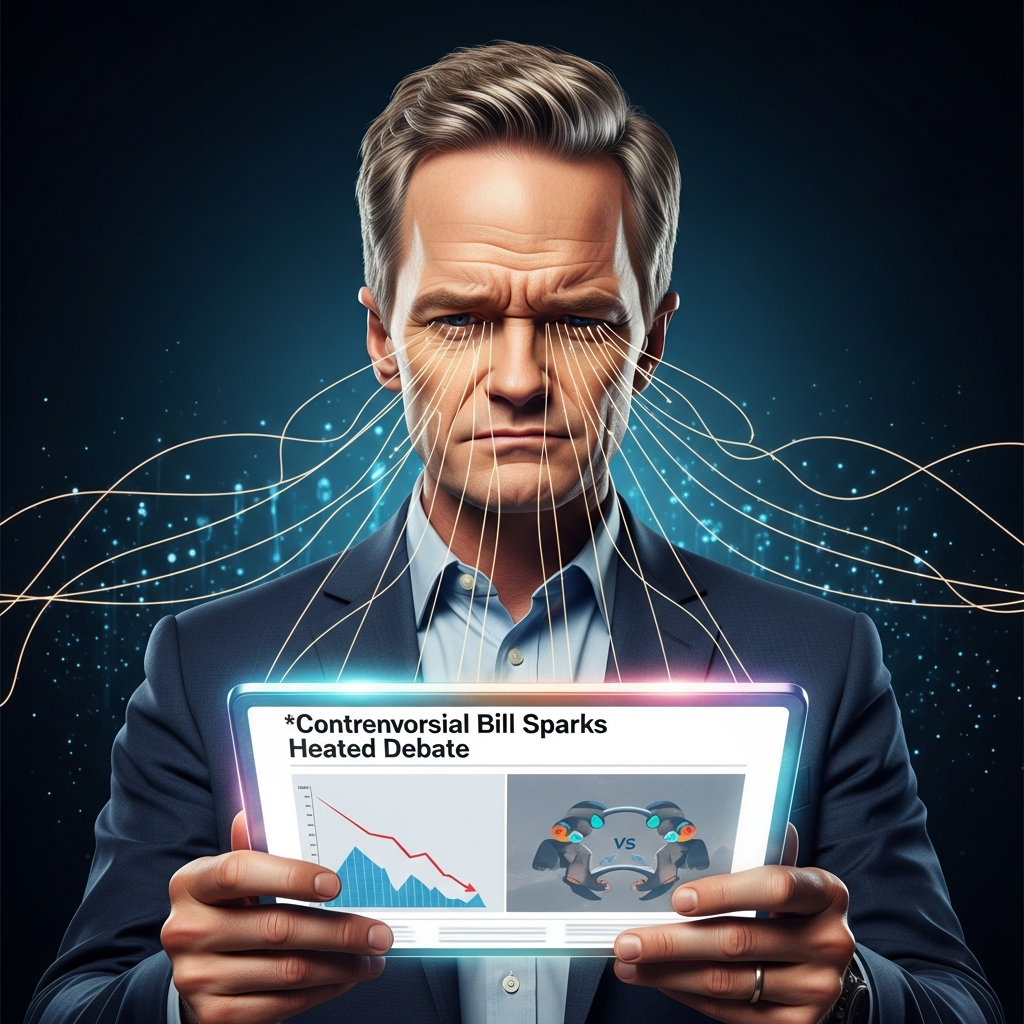
The digital landscape of celebrity interactions often sparks intense conversations. Recently, a specific social media post by choreographer Abby Lee Miller drew unexpected attention, primarily due to an alleged photo manipulation involving beloved actor Neil Patrick Harris. This incident quickly spiraled into a viral moment, prompting Harris to publicly address what many perceived as an unflattering digital alteration of his image. The situation ignited a broader discussion about authenticity in celebrity photos and the ethical implications of digital retouching.
Unpacking the Digital Alteration That Sparked Outrage
The incident began subtly. Abby Lee Miller, known for her candid personality and work on “Dance Moms,” shared a photograph on her Instagram feed. The image featured Miller alongside several other public figures, including Neil Patrick Harris, at what appeared to be a high-profile industry event. Her caption was initially innocuous, celebrating the gathering and the company. However, sharp-eyed fans, and eventually Harris himself, noticed something amiss with the actor’s appearance in the group shot. This quickly led to a collective realization: the photo had been significantly edited, particularly Harris’s face.
Social media platforms became a hotbed of speculation. Screenshots of the photo circulated, with users comparing it to other unedited images of Harris from the same event. The consensus was clear: Harris’s features appeared altered. His jawline seemed unnaturally refined, skin remarkably smoothed, and overall facial structure subtly reshaped. The digital work was not just noticeable; it felt out of place. This triggered a wave of comments questioning the necessity and appropriateness of such an edit.
A Social Media Snafu: How the Photo Surfaced
Abby Lee Miller’s initial post likely intended to capture a memorable evening with peers. The photograph itself depicted a cheerful scene, full of smiles and camaraderie. It quickly garnered thousands of likes and comments, typical for a celebrity post. However, the comments section soon shifted from praise to queries as followers began pointing out the peculiar inconsistencies in Harris’s face. Within hours, screenshots of the alleged edit were shared across Twitter, Reddit, and various entertainment news outlets.
The rapid dissemination of the image highlights the instantaneous nature of online scrutiny. In today’s interconnected world, any perceived misstep by a public figure can go viral within minutes. This swift amplification mechanism ensures that even minor anomalies, like a questionable photo edit, become topics of widespread public debate. The sheer visibility of such events underscores the constant pressure celebrities face to maintain a curated yet authentic online presence.
Neil Patrick Harris Addresses the “Unflattering” Edit
The situation escalated when Neil Patrick Harris himself chimed in. Rather than ignore the growing online chatter, Harris took to his own social media channels, specifically Instagram Stories, to address the issue. His response was a blend of humor and genuine perplexity. He reportedly shared the original unedited photo alongside Miller’s retouched version, highlighting the stark differences. His accompanying caption or commentary expressed surprise, asking followers, “What exactly happened here?” or “Did someone give me a new face?”
Harris’s direct engagement with the controversy was a pivotal moment. It validated the concerns of his fans and brought an undeniable authenticity to the discussion. His ability to address the situation with a lighthearted yet pointed tone resonated with many, preventing the incident from becoming overly dramatic while still drawing attention to the underlying issue. This direct communication from one of the involved parties added significant weight to the unfolding narrative. His response made it clear that the digital alteration was not only unauthorized but also quite noticeable and, to him, unflattering.
The Controversial Retouch: What Exactly Changed?
Analyzing the disputed image reveals several key alterations. The most prominent changes focused on Neil Patrick Harris’s facial structure. Expert photo editors and keen-eyed fans identified the smoothing of fine lines and wrinkles, a subtle but distinct narrowing of the jawline, and even some apparent reshaping around the eyes. The goal, it seemed, was to present a more “youthful” or “conventionally attractive” version of the actor.
However, the execution of the edit was perceived by many as clumsy or excessive. Instead of seamlessly enhancing Harris’s appearance, the changes created an unnatural, almost plastic-like quality that distorted his recognizable features. This is precisely why the edit was termed “unflattering” by Harris and others. It stripped away some of his natural character, replacing it with an artificial sheen. Such heavy-handed digital manipulation often backfires, drawing more attention to the alteration than to the original subject.
Fan Reactions and the Authenticity Debate
The response from the public was swift and varied. Many fans expressed outrage on Harris’s behalf, calling the edit disrespectful and unnecessary. They praised Harris for his natural look and questioned why anyone would feel the need to alter his image. Comments flooded social media platforms, decrying the pervasive culture of photo editing that often sets unrealistic beauty standards. There was a strong sentiment that celebrities, like everyone else, should be allowed to age gracefully and present their authentic selves.
Conversely, some users defended Abby Lee Miller, speculating that the edit might have been done by an assistant, or perhaps was an innocent attempt to “beautify” everyone in the photo without malicious intent. A smaller segment suggested that in Hollywood, photo editing is so common that it might be an unwritten rule. Nevertheless, the prevailing sentiment leaned towards discomfort with the extent of the alteration and the unauthorized nature of it. This incident perfectly encapsulated the ongoing debate about social media authenticity versus curated perfection.
Abby Lee Miller’s Stance: Silence or Justification?
Following Neil Patrick Harris’s public acknowledgement, many waited for a response from Abby Lee Miller. Would she apologize? Explain? Or perhaps delete the controversial post? As of the latest updates, Miller largely remained silent on the specifics of the editing incident. While she didn’t issue a public apology or detailed explanation directly addressing Harris’s comments, the original post reportedly stayed on her feed for some time before eventually being removed or archived. This non-response, or delayed action, only fueled further speculation and commentary among the public.
Her silence could be interpreted in multiple ways: perhaps she didn’t see the need to engage, or maybe she delegated her social media presence and was unaware of the specifics. Regardless of the reason, the lack of a direct statement allowed the narrative to be shaped primarily by Harris’s reaction and the public’s outrage. This incident serves as a crucial reminder for public figures about the importance of transparency and prompt communication when controversies arise, especially in the age of instant viral content.
Beyond the Frame: Celebrity Image and Digital Ethics
This specific incident between Neil Patrick Harris and Abby Lee Miller transcends mere celebrity gossip. It highlights a critical aspect of modern media: the increasing ubiquity of digital alteration. In an era where filters and editing apps are readily available, the line between enhancement and distortion becomes increasingly blurred. Celebrities, often under immense pressure to maintain a flawless public image, frequently engage in photo editing themselves or have their teams do so.
However, the ethical questions arise when individuals alter the images of others without their consent, particularly in a way that is perceived as unflattering or misleading. This incident prompts a broader discussion about respect, consent, and the responsibility that comes with sharing images online. It also underscores the harmful effects of promoting unrealistic beauty standards, which can impact public self-perception and mental health. This particular “Abby Lee Miller photo editing” controversy became a teachable moment for social media ethics.
Frequently Asked Questions
What photo did Abby Lee Miller edit that involved Neil Patrick Harris?
The photo in question was a group shot posted by Abby Lee Miller on her Instagram account. It featured Miller alongside Neil Patrick Harris and other public figures at an industry event. While the event and exact date aren’t widely specified, the image itself depicted a cheerful gathering. The controversy arose when Harris’s face in the photo appeared unnaturally altered, with noticeable digital smoothing and reshaping, leading him to publicly call out the edit.
Where can I see the original unedited photo of Neil Patrick Harris and Abby Lee Miller?
Finding the exact “original” unedited photo can be challenging, as Neil Patrick Harris reportedly shared comparisons on his Instagram Stories, which are ephemeral. While many fan accounts and entertainment news sites showcased screenshots comparing the edited and allegedly unedited versions, the definitive source for the absolute original image from the event would typically be the photographer who took it or the other celebrities present if they shared their unedited versions. Social media is constantly evolving, making these exact images difficult to pinpoint long-term.
Why do celebrities like Abby Lee Miller edit photos, and should public figures be more transparent?
Celebrities often edit photos to enhance their appearance, correct perceived flaws, or maintain a consistent public image, driven by industry pressures and societal beauty standards. While some edits are minor (lighting, color correction), extensive alterations, especially of others without consent, raise ethical concerns. Transparency from public figures about digital alterations could foster healthier body image perceptions and build greater trust with their audience. This incident highlights the tension between curated celebrity images and the public’s desire for authenticity.
Conclusion
The “Abby Lee Miller photo editing” incident involving Neil Patrick Harris served as a significant reminder of the complexities inherent in celebrity culture and digital media. From a seemingly innocuous group photo, a widespread debate emerged about digital ethics, consent, and the persistent pursuit of perceived perfection online. Neil Patrick Harris’s candid reaction resonated with many, amplifying calls for greater authenticity in how public figures present themselves and others. This event not only offered a glimpse into the pressures celebrities face but also encouraged audiences to critically evaluate the images they consume daily. As digital tools become more sophisticated, the conversation around responsible editing and genuine representation will only grow more crucial.