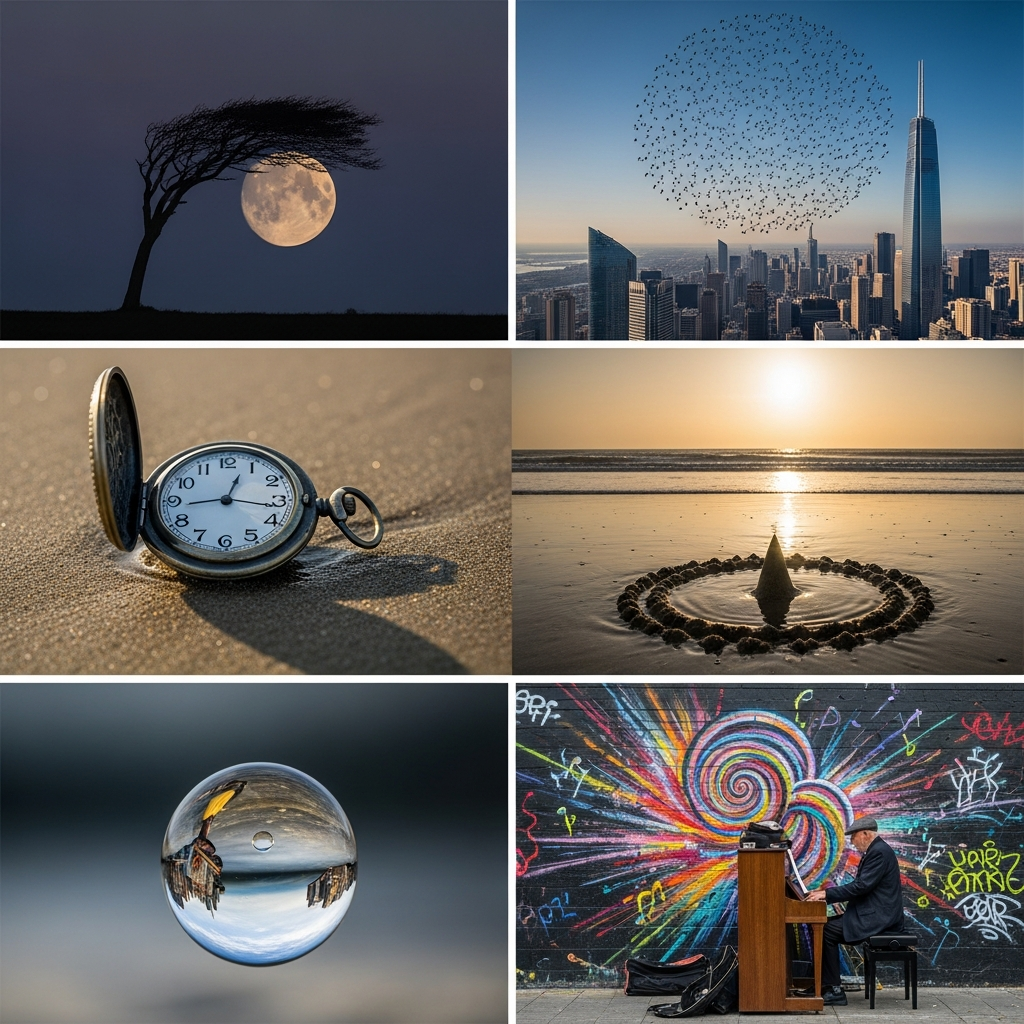
Prepare to have your perception stretched and your imagination ignited. In a world saturated with fleeting images, some photographs transcend the ordinary, delivering a jolt of wonder that lingers long after you’ve scrolled past. These are the mind-blowing photos that challenge what you thought was possible, revealing unseen beauty, impossible coincidences, or astounding truths. This article dives deep into a collection of such extraordinary visuals, exploring the techniques behind them and the profound impact they have on our understanding of the world. Get ready to experience true visual awe.
The Magic of Perspective: When Reality Plays Tricks
One of the most common ways images become truly mind-blowing is through the clever manipulation of perspective. Our brains are wired to interpret depth and scale, but a skilled photographer can trick these assumptions, creating scenes that appear impossible. These optical illusions often rely on specific camera angles, the juxtaposition of objects at different distances, or even the accidental alignment of elements within a frame.
For instance, forced perspective photography makes distant objects appear closer, or small objects seem colossal. Think of images where someone appears to hold the sun in their hand, or a tiny toy car looks like it’s driving on a real street. These seemingly impossible feats are achieved by carefully positioning the camera and subjects. The result? A momentary confusion in the viewer’s mind, quickly followed by a delightful “aha!” moment as they decipher the trick. Understanding this photographic technique reveals how much our perception relies on subtle cues, and how easily those cues can be playfully subverted.
Mastering the Angle: Crafting Visual Deception
Creating effective perspective shots isn’t about expensive equipment. It’s about keen observation and patience. Photographers often spend hours scouting locations, waiting for the perfect light or for subjects to align just so. They visualize the final image, understanding how slight adjustments to their own position can dramatically alter the perception of scale. A low angle might exaggerate the height of an object, while a high angle can flatten a scene. Experimenting with these angles is crucial for anyone hoping to capture their own mind-blowing photos. It’s a testament to creativity over complexity.
Nature’s Unseen Masterpieces: Earth’s Most Breathtaking Phenomena
Beyond human ingenuity, nature itself is a constant source of mind-blowing photos. Our planet is brimming with incredible spectacles, many of which are rarely witnessed by the average person. From elusive wildlife encounters to geological marvels and astronomical events, these images capture moments of raw, untamed beauty that remind us of Earth’s vastness and power. Such visuals often require dedication, resilience, and sometimes a dash of luck from the photographers who pursue them.
Consider photographs of bioluminescent bays, where microorganisms light up the water like a starry sky, or images of supercell thunderstorms, their menacing beauty captured in dramatic detail. These phenomena are often fleeting or occur in remote locations, making their photographic capture even more remarkable. They serve as a powerful reminder of the delicate and dynamic processes shaping our world. These photos not only inspire awe but also often highlight critical environmental issues, making them both beautiful and profoundly impactful.
Capturing the Ephemeral: Dedication to the Wild
Photographers specializing in natural phenomena face unique challenges. They might endure extreme weather, long waits, and difficult terrain. Their gear must be robust, and their knowledge of the environment extensive. Capturing a perfectly timed shot of a lightning strike or a rare animal behavior requires quick reflexes and a deep understanding of their subject. The resulting images are not just pretty pictures; they are scientific records, artistic expressions, and windows into worlds we might never otherwise see. They enrich our collective understanding and appreciation for the natural world.
The Art of Perfect Timing: Freezing the Fleeting Moment
Some of the most engaging and truly mind-blowing photos are those captured at the exact right instant. These aren’t just snapshots; they are meticulously timed observations where a fraction of a second makes all the difference. Such images often feature objects in motion, unexpected interactions, or humorous coincidences that unfold too quickly for the naked eye to fully appreciate. When frozen in time by a camera, these moments become extraordinary.
Think of an eagle snatching a fish from water, a basketball player mid-dunk seemingly defying gravity, or a splash of water forming an incredible sculpture. These photos require anticipation, a fast shutter speed, and an intuitive sense of when to click the camera. They often reveal details and patterns that are invisible to us in real-time motion. The sheer improbability of capturing such a precise moment is what makes these images so captivating, leaving viewers genuinely astonished by their perfection. They celebrate the ephemeral beauty of motion.
Anticipation and Precision: The Photographer’s Instinct
The skill involved in perfect timing goes beyond technical camera settings. It’s about a photographer’s ability to anticipate an event, to predict action, and to react instantly. Wildlife photographers, for example, study animal behavior for years to know when a particular leap or interaction might occur. Sports photographers learn the rhythm of a game. This combination of observation, knowledge, and quick reflexes allows them to transform fleeting seconds into iconic visual narratives. These powerful images resonate globally.
Beyond Reality: How Digital Artistry Elevates Visuals
While many mind-blowing photos are pure captures of reality, others ingeniously blend real elements with digital artistry. Modern photography tools allow for enhancements, composites, and creative manipulations that can turn a compelling image into something truly otherworldly. This isn’t about deceptive editing but rather about pushing creative boundaries to evoke stronger emotions or tell a more profound visual story. Understanding this distinction is key to appreciating contemporary photographic art.
For example, a landscape photo might combine several exposures to capture dynamic range beyond what a single shot could achieve, resulting in a scene of breathtaking clarity and color. Or an artist might composite multiple images to create a fantastical creature or an impossible environment, blurring the lines between photography and digital painting. When executed thoughtfully, digital manipulation can open new realms of visual expression, allowing photographers to realize visions that exist only in their imagination. These photos can provoke thought and discussion.
The Ethics and Artistry of Digital Enhancement
The role of digital manipulation in photography is a debated topic. However, when the intent is artistic expression rather than misrepresentation, it can create truly unique and memorable mind-blowing photos. Photographers often use post-processing to refine colors, sharpen details, or remove distractions, enhancing the original capture without altering its core truth. Advanced techniques, like compositing, are used to build entirely new realities, often openly acknowledging their artistic nature. This balance between technical skill and creative vision defines modern visual storytelling.
Historical Glimpses: Photos That Challenge Assumptions
Sometimes, the most mind-blowing photos are not about special effects or perfect timing, but simply about shedding light on an unexpected past. Historical photographs offer invaluable windows into different eras, cultures, and daily lives. Occasionally, an image emerges that completely redefines our understanding of history, reveals an overlooked figure, or captures a moment so peculiar it defies our modern sensibilities. These images connect us directly to the human experience across time.
Imagine seeing a rarely published photo of an early 20th-century invention that looks futuristic, or a casual snapshot of a world leader in an uncharacteristically informal setting. These photos break down preconceived notions, showing us that the past was often far more complex, whimsical, or relatable than history books might suggest. They provoke curiosity and encourage a deeper dive into the stories they tell. Such archival finds are digital treasures.
Unearthing the Past: The Power of Archival Photography
Archivists and historians continually uncover forgotten photographic treasures. These discoveries often prompt new research and offer fresh perspectives on well-known events or individuals. The ability of a single historical photograph to instantly transport us and challenge our existing knowledge makes these visual artifacts profoundly powerful. They remind us that history is not static, but a rich tapestry continuously being re-examined and re-understood through new evidence. Every rediscovered image holds a piece of our collective past.
Why Do These Images Resonate? The Psychology of Awe
What makes these mind-blowing photos so impactful? The answer lies in the psychological phenomenon of awe. Awe is an emotion we experience when confronted with something vast, profound, or powerful that transcends our current understanding. It can be triggered by nature, art, music, or extraordinary human achievements. Visually stunning photographs are particularly effective at eliciting this feeling, as they offer a direct, immediate, and often surprising glimpse into the extraordinary.
When we see an image that “shatters our brain,” it’s often because it contradicts our expectations or reveals something truly novel. This cognitive dissonance, followed by the resolution of understanding (or even joyful acceptance of the mystery), creates a profound emotional response. Awe has been linked to increased humility, generosity, and a greater sense of connection to the world around us. These photos don’t just entertain; they enrich our inner lives.
The Brain’s Reaction to Visual Wonder
Neuroscience suggests that experiencing awe can alter our perception of time, making moments feel longer and more significant. It activates specific brain regions associated with emotional processing and self-transcendence. For content creators and viewers alike, understanding the psychological underpinnings of awe can enhance how we create, share, and appreciate truly mind-blowing photos. The desire for this feeling is precisely why such content goes viral.
How to Discover and Share Your Own Visual Wonders
While you might not be a professional photographer, the pursuit of mind-blowing photos isn’t exclusive to experts. With smartphone cameras and countless online platforms, everyone has the opportunity to discover, create, and share visually stunning content. The key is developing an eye for the unusual, practicing patience, and experimenting with different perspectives. Look for unexpected reflections, interesting juxtapositions, or moments of pure chance.
Start by observing your everyday environment more closely. What unnoticed details or patterns exist around you? How does light change a scene throughout the day? Experiment with different angles and distances when taking photos. Don’t be afraid to try creative editing apps to enhance colors or contrast. Most importantly, share what you find! Your unique perspective could be the next mind-blowing photo for someone else. Sharing sparks conversations and connections.
Frequently Asked Questions
What makes a photo truly “mind-blowing”?
A “mind-blowing” photo typically defies expectations, presents a unique perspective, captures an incredibly rare moment, or showcases a natural phenomenon in an extraordinary way. These images often challenge our understanding of reality, evoke a strong sense of awe, and leave a lasting impression due to their visual impact or the story they tell. They combine elements of surprise, beauty, and often, perfect timing.
How can I find more visually stunning images like these?
To discover more mind-blowing photos, explore platforms dedicated to high-quality photography such as National Geographic, 500px, Unsplash, or specialized art photography galleries online. Following talented photographers on social media and joining photography communities can also expose you to incredible visual content. Many online forums and photography blogs regularly curate collections of visually captivating images.
Are “mind-blowing photos” often digitally manipulated?
While many mind-blowing photos are genuine captures of reality, some do involve digital manipulation, especially in artistic or conceptual photography. The key distinction lies in the intent: is it to deceive, or to enhance artistic expression and vision? Ethical photographers typically distinguish between pure documentary shots and digitally enhanced art. Understanding the context helps in appreciating the craft behind the image.
Conclusion
The world is a tapestry of visual wonders, and mind-blowing photos serve as incredible windows into its most extraordinary facets. From the clever illusions created by perspective to the breathtaking displays of nature and the magic of perfect timing, these images captivate our imaginations and challenge our perceptions. They remind us to look closer, to appreciate the improbable, and to embrace the sheer awe that our planet and human creativity can inspire. Keep exploring, keep sharing, and keep letting these unforgettable visuals expand your view of what’s possible.