More than three decades after Zachary Jackson was brutally murdered in his Hayward, California home, a long-dormant cold case has exploded back to life with two significant arrests. In a development that has stunned the community and brought a measure of hope to Jackson’s family, authorities have taken into custody the mother of his two children, Veronica Fonseca, and her then-boyfriend from 1993, Anthony Fox. This breakthrough underscores the relentless dedication of law enforcement and the enduring power of community tips in seeking justice, even after decades have passed.
The Tragic Unsolved Crime of 1993
June 17, 1993, marked a dark day in Hayward when 30-year-old Zachary Jackson was discovered shot to death inside his residence. Investigators believe the fatal incident occurred just days earlier, around June 14. Jackson’s untimely death left a profound void, particularly for his young family. He was the father of a 4-year-old daughter, who was living in his custody, and a 1-year-old son, who was with his mother, Veronica Fonseca. For these children, growing up meant living under the shadow of an unsolved crime, a void that persisted for 30 agonizing years.
Initial Investigation: A Case Hampered by Time and Technology
The initial investigation into Zachary Jackson’s murder in 1993 was thorough but ultimately stymied by the limitations of the era. Alameda County Sheriff’s Detective Pat Smyth, who addressed the media recently, highlighted the significant hurdles faced by early investigators. Fonseca, the mother of Jackson’s children, was interviewed multiple times. However, at the time, nothing pointed to her involvement. Curiously, Anthony Fox, her then-boyfriend, was not questioned during the initial phase.
Early leads focused on a dispute Jackson had with his landlord, diverting investigative resources. Detective Smyth emphasized the stark difference in investigative tools available then compared to today. “In 1993, they did not have a lot of the things that we have available to us today, investigatively, to find leads,” Smyth explained. The absence of an “electronic footprint” – the digital breadcrumbs left by phones, computers, and online activities common today – meant investigators relied heavily on traditional methods. These included witness interviews, fingerprint analysis, and a nascent understanding of DNA forensics. Without compelling viable leads or modern scientific backing, the Zachary Jackson cold case gradually faded into dormancy.
The Long Silence: A Decades-Old Mystery
For years, the 1993 murder of Zachary Jackson remained an open wound for his family and a perplexing puzzle for law enforcement. Cold cases, like Jackson’s, often become victims of time, as memories fade, witnesses move away or pass on, and physical evidence degrades. Without new information or technological advancements to re-examine existing evidence, cases can languish for decades, leaving families in perpetual limbo, yearning for answers and justice.
The First Whispers of Hope: Tips Reignite the Investigation
Despite the prolonged silence, the Hayward cold case never truly died. Its embers were rekindled years later through the courage of individuals willing to speak up. In 2014, a crucial tip emerged, providing investigators with names that would prove significant: Veronica Fonseca and Anthony Fox. This information, though promising, encountered what Detective Smyth described as a “roadblock,” causing the investigation to stall once more for an unspecified period. The complexities of old cases often involve such impediments, from difficulty locating corroborating evidence to challenges in re-engaging reluctant witnesses.
Years later, in 2021, the case received another vital boost. An anonymous tip submitted through the sheriff department’s website again identified Fonseca and Fox. Detective Smyth personally interviewed this tipster, yet another “impediment” prevented immediate forward movement. The precise nature of these setbacks remains undisclosed, but they underscore the painstaking and often frustrating process of reviving a decades-old murder inquiry.
The Unwavering Pursuit of Justice
The path to solving the Zachary Jackson cold case demonstrates the incredible persistence required by law enforcement. Despite repeated stalls and roadblocks, the determination to find the truth never waned. The renewed interest, fueled by these crucial tips, laid the groundwork for a concerted effort to finally bring resolution. This commitment is a hallmark of dedicated cold case units who understand that justice has no expiration date.
A Breakthrough After 30 Years: The Arrests
The significant breakthrough in the 1993 murder of Zachary Jackson finally materialized “this year.” Detective Smyth confirmed that a dedicated investigative plan was developed, leading to a massive allocation of resources. Over recent months, a substantial amount of investigative effort was poured into the case. This renewed focus brought forth more witnesses who cooperated, their accounts corroborating the earlier tips and forming a cohesive narrative for investigators. The accumulation of these new testimonies and re-examined evidence provided the critical momentum needed.
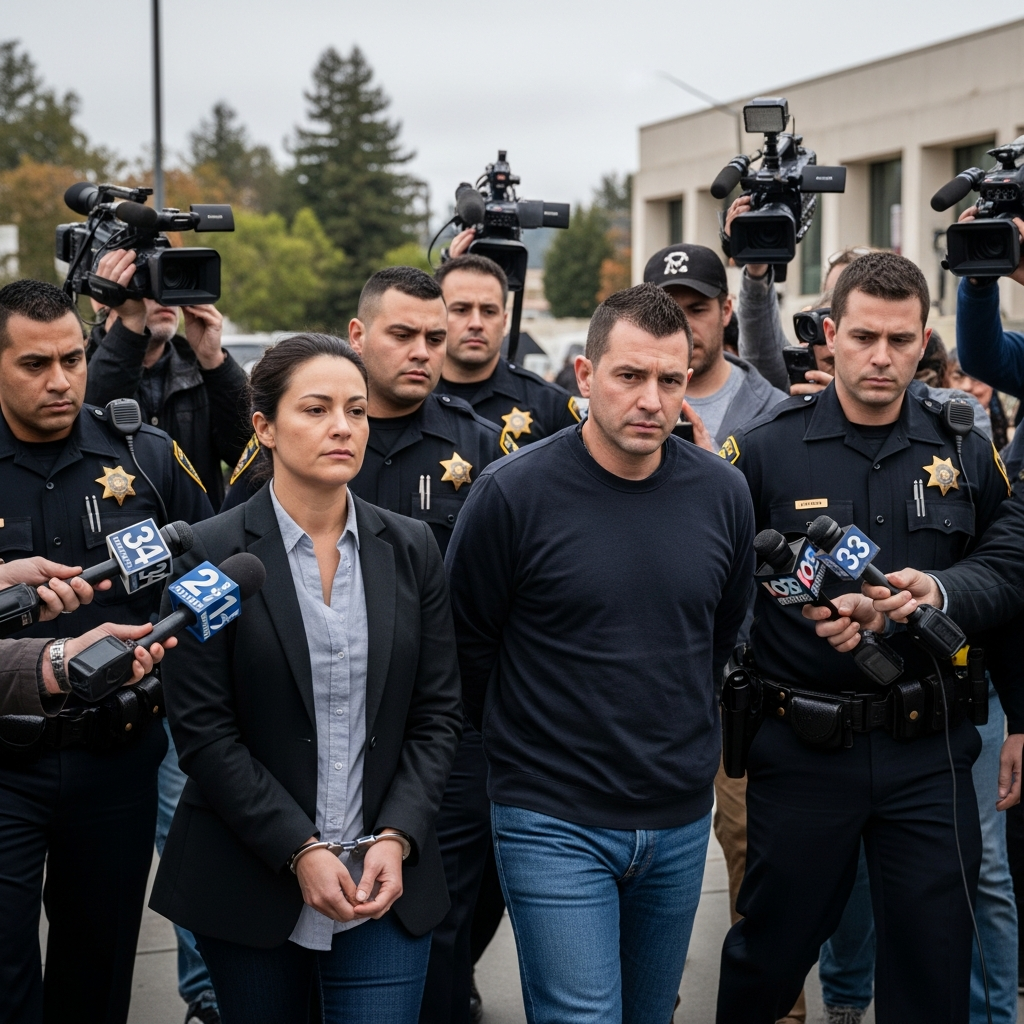
On a recent Thursday, the decades-long wait for arrests ended. Veronica Fonseca was apprehended in New York City, while Anthony Fox was taken into custody in Iowa. Both individuals now face serious charges, including murder and first-degree residential burglary. Authorities believe both were present during Jackson’s killing, with Fox allegedly being the one who “pulled the trigger.” Fonseca and Fox are currently awaiting transfer to Alameda County to face these charges, a significant step towards legal proceedings in this long-unsolved homicide.
The Enduring Impact on Families and the Role of Public Courage
The resolution of a cold case, even after 30 years, brings complex emotions for the victim’s family. For Zachary Jackson’s now-adult children, the arrests represent a pivotal moment – a chance for truth and accountability after a lifetime of unanswered questions. While the pain of loss remains, the potential for justice offers a unique form of closure.
Detective Smyth lauded the successful resolution as a powerful testament to collective efforts. He called the case a “good example of what happens when good people have the courage to come forward… coupled with law enforcement leveraging all investigative resources to bring a resolution.” This sentiment highlights the indispensable role of public engagement in solving long-standing crimes. Anonymous tips, even those received years apart, proved crucial in providing the initial threads that eventually unraveled this complex, decades-old mystery.
Frequently Asked Questions
What new details surfaced in the arrest of Zachary Jackson’s alleged killers?
After 30 years, new information and witness cooperation led to the arrests of Veronica Fonseca, the mother of Zachary Jackson’s children, and Anthony Fox, her then-boyfriend from 1993. Authorities believe both were present at Jackson’s Hayward home on June 14, 1993, when he was shot to death, with Fox identified as the suspected shooter. Both Fonseca, arrested in New York City, and Fox, arrested in Iowa, face charges of murder and first-degree residential burglary, finally bringing the decades-old Zachary Jackson cold case closer to justice.
How do anonymous tips and modern forensics help solve decades-old cold cases?
Anonymous tips are often the catalyst for reigniting cold cases, providing fresh leads or corroborating old ones. In the Zachary Jackson cold case, multiple tips over the years, including one via a sheriff’s website, identified suspects. Modern forensics, while not explicitly detailed for this case’s resolution beyond initial limitations, generally includes advanced DNA analysis, digital forensics, and improved ballistic techniques. These tools, combined with persistent investigative work and re-interviewing witnesses with new information, can help piece together evidence that was previously unavailable or difficult to interpret, leading to breakthroughs in long-unsolved crimes.
What are the challenges in investigating and prosecuting a 30-year-old murder case?
Investigating and prosecuting a 30-year-old murder case like the 1993 murder of Zachary Jackson presents numerous challenges. Memories of witnesses fade, some individuals may have passed away, and evidence can degrade or be lost over time. Forensic techniques were also limited in 1993, meaning critical clues might have been missed or couldn’t be fully analyzed. Establishing a clear chain of custody for old evidence can be difficult, and building a compelling case often relies heavily on newly acquired witness testimony and painstaking reconstruction of events, all while adhering to modern legal standards for a fair trial.
Conclusion
The arrests in the Zachary Jackson cold case serve as a poignant reminder that justice, though sometimes delayed, can ultimately prevail. For three decades, this unsolved homicide cast a long shadow, but the unwavering commitment of law enforcement, combined with the brave actions of tipsters, has finally cracked a truly formidable mystery. This development offers not just a potential resolution for Jackson’s family but also hope for countless others awaiting answers in cold cases across the country. It reinforces the message that no case is ever truly closed, and the pursuit of truth will persist until every avenue has been exhausted.