The F1 2027 calendar has been officially unveiled, revealing a 24-race season that significantly expands the sprint format to ten weekends while reintroducing historic venues to the championship.
Key Takeaways
- Sprint Expansion: The number of sprint race weekends will increase from six to ten, including new hosts like Monaco and Abu Dhabi.
- Returning Venues: Both the Portimão circuit in Portugal and the Istanbul circuit in Turkey are set to rejoin the official racing schedule.
- Monaco Controversy: The Circuit de Monaco will host its first-ever sprint race, a decision that has already sparked debate regarding the track’s limited overtaking opportunities.
- Logistical Adjustments: A one-week gap has been introduced following the Las Vegas grand Prix to alleviate the “gruelling” schedule previously criticized by teams.
- Geopolitical Contingencies: Due to ongoing regional instability in the Middle East, F1 has designated Imola as a potential backup venue for the season finale.
- Schedule Shifts: The Dutch Grand Prix at Zandvoort will be removed, and the Spanish Grand Prix will now rotate annually with the Belgian Grand Prix.
- April: Australia, Japan, and China.
- September/October: Azerbaijan, Turkey, and Singapore.
- October/November: United States, Mexico, and Brazil.
- The Monaco Dilemma: Will the sprint in Monaco actually deliver “wheel-to-wheel action,” or will it simply be a procession of cars following a single line? The lack of overtaking on the street circuit remains a primary concern for purists.
- The Loss of Tradition: The removal of the Dutch Grand Prix and the rotation of the Spanish Grand Prix may alienate long-term European fans and local sponsors who rely on the stability of the racing schedule.
- The Homologation of Turkey: The return of the Turkish Grand Prix is noted as being “subject to FIA circuit homologation,” meaning the race is not 100% guaranteed until the circuit meets all required sporting standards.
- Geopolitical Volatility: Can the sport maintain its momentum if the Middle Eastern leg of the season is disrupted? The reliance on Imola as a backup highlights how precarious the end-of-season schedule remains.
- February 24–27, 2027: Pre-season testing in Bahrain will be the first real test of the new schedule’s logistical flow.
- FIA Homologation: Watch for official confirmation regarding the Istanbul circuit’s readiness to host the Turkish Grand Prix.
- Regional Stability: The ability of F1 to proceed with the Middle Eastern rounds will depend heavily on the geopolitical situation in the region throughout 2026 and early 2027.
- www.theguardian.com
- sports.yahoo.com
- www.formula1.com
- www.gpfans.com
- www.skysports.com
- www.motorsport.com
What Happened: The 2027 Season Unveiled
On September 16, 2026, Formula One management and the Fédération Internationale de l’Automobile (FIA) released the provisional 2027 racing schedule. The 24-round championship is designed to balance the sport’s rapid global expansion with long-term sustainability and fan engagement. According to a statement from Formula One, the season is set to kick off on March 12 with the Bahrain Grand Prix, which will also host a four-day pre-season testing session from February 24 to 27.
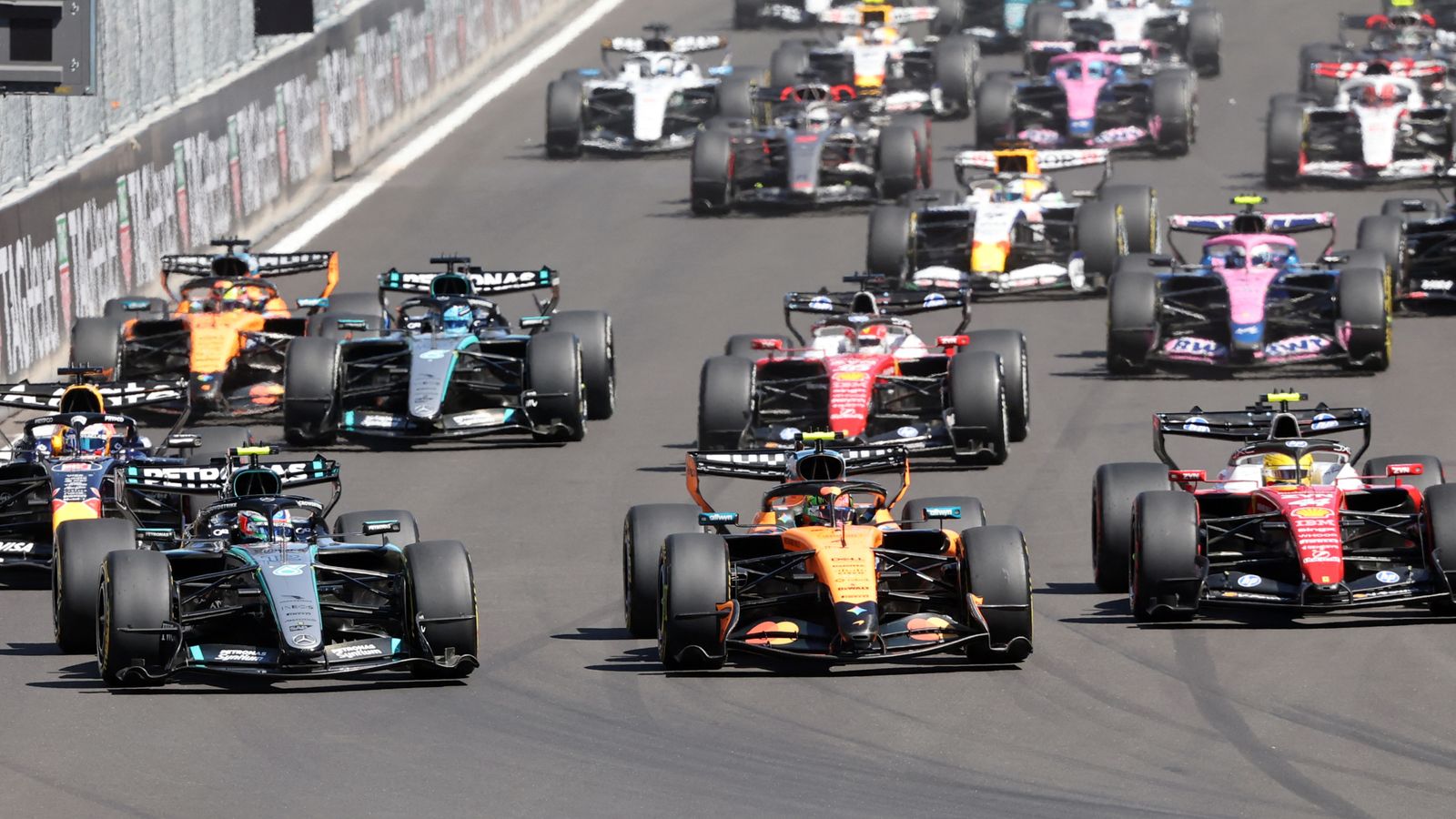
The season will conclude on December 12 at the Abu Dhabi Grand Prix. While the race count remains at 24, the structural composition of the weekends is undergoing a major transformation. The most notable change is the expansion of the “Sprint” format, which will be utilized ten times throughout the year. This is a significant increase from the six sprint events held in the 2026 season.
Why the F1 2027 Calendar Matters
The restructuring of the F1 2027 calendar is driven by a combination of commercial success, fan demand, and logistical necessity. Formula One management has pointed to specific performance metrics to justify the increased frequency of sprint races. According to data released by F1, total viewership for sprint weekends is 12% higher than for standard non-sprint weekends. Furthermore, Sprint Qualifying has proven to be up to three times more popular with fans than traditional Free Practice sessions.
Beyond viewership, the expansion aims to increase the perceived value of the sport for attendees and partners. F1 reported that 82% of attendees at sprint weekends say the format adds value to their ticket, while 75% of the broader fan base believes sprint events add greater value to the overall season. By increasing these high-intensity windows, F1 is attempting to capitalize on the “spectacle” that drives modern broadcast and sponsorship revenue.
Deep Dive: The Sprint Race Expansion
The decision to move from six to ten sprint events represents a strategic pivot toward high-intensity racing content. The 2027 schedule designates specific locations to host these shorter, high-stakes races, blending new venues with established favorites.
New and Returning Sprint Hosts
The 2027 season will see five venues hosting a sprint race for the first time: Bahrain, Australia, Japan, Monaco, and Abu Dhabi. These additions are intended to spread the high-octane format across more continents and time zones.
Meanwhile, the format will return to five existing locations: Montreal (Canada), Silverstone (Great Britain), Monza (Italy), São Paulo (Brazil), and Lusail (Qatar). This mix of new and returning hosts ensures that the sprint format becomes a regular, expected feature of the championship rather than a novelty.
The Monaco Sprint Controversy
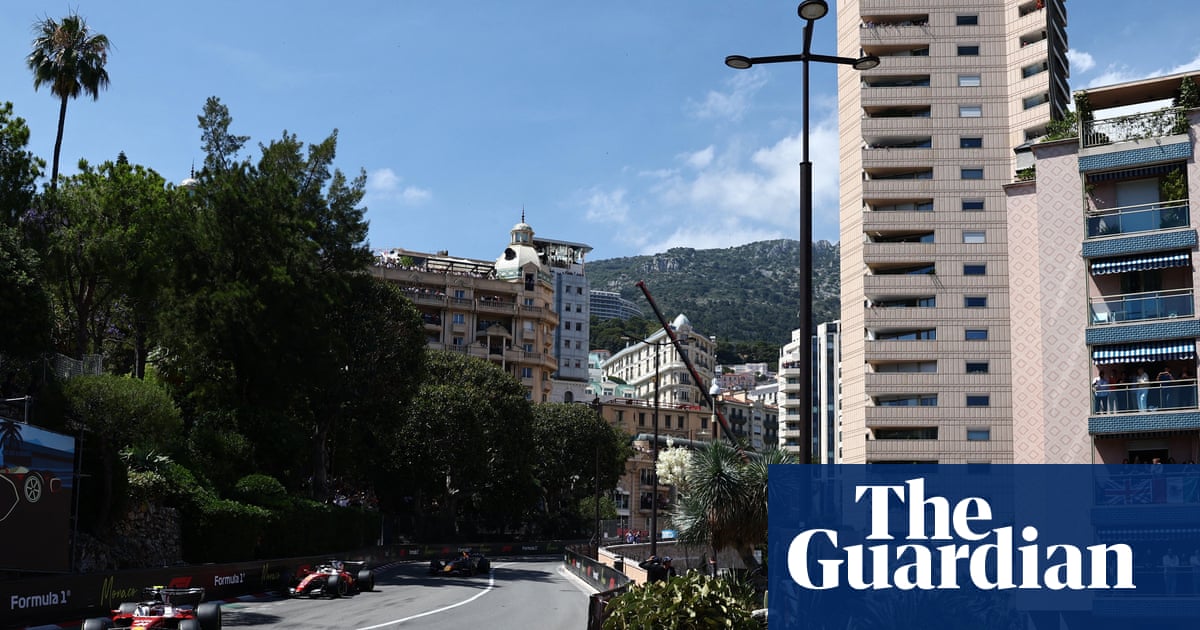
Perhaps the most debated inclusion in the new schedule is the Monaco Grand Prix sprint, scheduled for June 4–6, 2027. The Circuit de Monaco is world-renowned for its narrow, winding street layout, which historically makes overtaking extremely difficult. Critics and fans alike have questioned the logic of adding a sprint race to a circuit where “wheel-to-wheel action” is notoriously scarce.
Some analysts suggest that F1 is leaning into the qualifying spectacle of Monaco, offering two separate qualifying sessions on Friday and Saturday to maximize drama. However, concerns remain that drivers may race too cautiously during the sprint to avoid crashing and jeopardizing their primary Sunday race, potentially neutralizing the very intensity the format is meant to provide.
Detailed 2027 Race Schedule
To understand the flow of the season, the following table outlines the confirmed dates and formats for the 2027 championship.
| Round | Dates | Grand Prix | Format
| :— | :— | :— | :— |
| 1 | March 12–14 | Bahrain | Sprint Weekend |
| 2 | March 19–21 | Saudi Arabia | Standard |
| 3 | April 2–4 | Australia | Sprint Weekend |
| 4 | April 9–11 | Japan | Sprint Weekend |
| 5 | April 16–18 | China | Standard |
| 6 | April 30 – May 2 | Miami | Standard |
| 7 | May 21–23 | Canada | Sprint Weekend |
| 8 | June 4–6 | Monaco | Sprint Weekend |
| 9 | June 18–20 | Portugal | Standard |
| 10 | July 2–4 | Great Britain | Sprint Weekend |
| 11 | July 9–11 | Austria | Standard |
| 12 | July 23–25 | Belgium | Standard |
| 13 | July 30 – Aug 1 | Hungary | Standard |
| 14 | Sept 3–5 | Italy | Sprint Weekend |
| 15 | Sept 10–12 | Spain | Standard |
| 16 | Sept 24–26 | Azerbaijan | Standard |
| 17 | Oct 1–3 | Turkey | Standard |
| 18 | Oct 8–10 | Singapore | Standard |
| 19 | Oct 22–24 | United States | Standard |
| 20 | Oct 29–31 | Mexico | Standard |
| 21 | Nov 5–7 | Brazil | Sprint Weekend |
| 22 | Nov 18–20 | Las Vegas | Saturday Race |
| 23 | Dec 3–5 | Qatar | Sprint Weekend |
| 24 | Dec 10–12 | Abu Dhabi | Sprint Weekend |
Logistical Shifts and Geographic Flow
While the expansion of sprints adds excitement, the F1 2027 calendar also introduces significant changes to the logistical management of the sport. F1 has been under pressure to address the “gruelling” nature of back-to-back races that previously exhausted teams and staff.
Triple-Headers and Recovery
The 2027 season will feature three distinct triple-headers, which will test the operational limits of the racing teams. These intensive periods occur in:
To balance this density, F1 has implemented a longer summer break of five weeks, compared to the traditional four-week hiatus. Additionally, a one-week gap has been introduced following the Las Vegas Grand Prix (November 18–20) before the season moves to Qatar in early December. This adjustment aims to provide teams with much-needed breathing room during the final stretch of the season.
The Return of Portugal and Turkey
The reintegration of the Portimão circuit in Portugal and the Istanbul circuit in Turkey marks a significant expansion of the sport’s geographic footprint. Portugal’s return is its first since the 2021 pandemic-era season, while Turkey’s return follows a period of regular hosting between 2005 and 2011.
However, these returns come at the cost of other long-standing fixtures. The Dutch Grand Prix at Zandvoort will be removed from the schedule, and the Spanish Grand Prix will no longer be a fixed fixture. Instead, the meeting in Madrid will alternate hosting duties annually with the Belgian Grand Prix at Spa-Francorchamps.
Stakeholders and Reactions
The announcement has been met with a unified front from the sport’s leadership, though public and team sentiment remains mixed.
Official Leadership
Stefano Domenicali, President and CEO of Formula 1, expressed optimism regarding the new schedule, stating that the calendar “brings together some of the most iconic circuits and vibrant cities in the world, creating an incredible stage for another unforgettable season.” He emphasized that the expansion of sprint racing is intended to provide fans with “more intensity, drama, and the wheel-to-wheel action that make our sport so special.”
Mohammed Ben Sulayem, President of the FIA, echoed this sentiment, noting that the calendar is a “strong reflection of the global appeal and continued growth of our sport,” combining tradition with innovation.
Geopolitical Risks and Contingency Planning
A critical underlying factor in the 2027 schedule is the ongoing geopolitical instability in the Middle East. While Bahrain, Saudi Arabia, Qatar, and Abu Dhabi are all confirmed for the 2027 season, F1 is operating under a continuous contingency framework.
Reports from Motorsport.com indicate that preparations are already underway in Imola to host a potential season finale should the Middle Eastern races be cancelled due to regional conflict. This level of planning highlights the vulnerability of the current racing calendar to global political shifts.
What It Means for You
The changes in the F1 2027 calendar will impact different groups in distinct ways:
For Fans
Expect a much higher volume of “sprint-style” racing. If you enjoy the high-pressure atmosphere of qualifying-style races, you will find more opportunities throughout the year. However, if you are a fan of the traditional long-distance Sunday race, you may find the increased frequency of shorter formats a shift in the sport’s identity. Be prepared for more varied viewing times, especially with the Saturday race in Las Vegas.
For Racing Teams
Logistical managers should prepare for intensive triple-header windows, particularly in the autumn. While the one-week gap after Las Vegas and the five-week summer break provide some relief, the increased number of sprint weekends means more high-intensity technical preparation and fewer opportunities for traditional free practice sessions.
For Investors and Broadcasters
The expansion of the sprint format is a clear signal of F1’s intent to maximize commercial value. With viewership data showing a 12% uplift for sprint weekends, broadcasters can expect more premium, high-engagement content to sell to global audiences.
Counterpoints and Open Questions
Despite the official optimism, several risks and criticisms remain unaddressed:
What Happens Next
As the sport moves toward the 2027 season, several key milestones and decisions will serve as indicators of the season’s stability:
Frequently Asked Questions
How many sprint races are there in the 2027 F1 season?
There will be ten sprint races in the 2027 season. This is an increase from the six sprint races held in 2026. The designated sprint locations include Bahrain, Australia, Japan, Canada, Monaco, Great Britain, Italy, Brazil, Qatar, and Abu Dhabi.
Why is there a sprint race in Monaco?
Formula One is expanding the sprint format to ten events to meet fan demand and increase viewership. While Monaco is a tight street circuit with limited overtaking, F1 management intends to leverage the high-stakes qualifying spectacle of the Monte Carlo circuit to provide two separate qualifying sessions on Friday and Saturday.
Which races are returning to the calendar in 2027?
The 2027 season sees the return of the Portuguese Grand Prix at the Portimão circuit and the Turkish Grand Prix at the Istanbul circuit. Both venues have been absent from the regular calendar for several years.
What happens if the Middle Eastern races are cancelled?
Due to potential regional instability, F1 has identified Imola as a designated backup venue. If the races in Qatar or Abu Dhabi cannot take place as scheduled, the season finale could be relocated to Imola.
Closing
The F1 2027 calendar represents a bold attempt by Formula One to marry tradition with a new, high-intensity racing model. By expanding the sprint format and returning to historic venues like Portugal and Turkey, the sport is clearly prioritizing commercial growth and fan engagement
References
Featured image: Image via Sky Sports