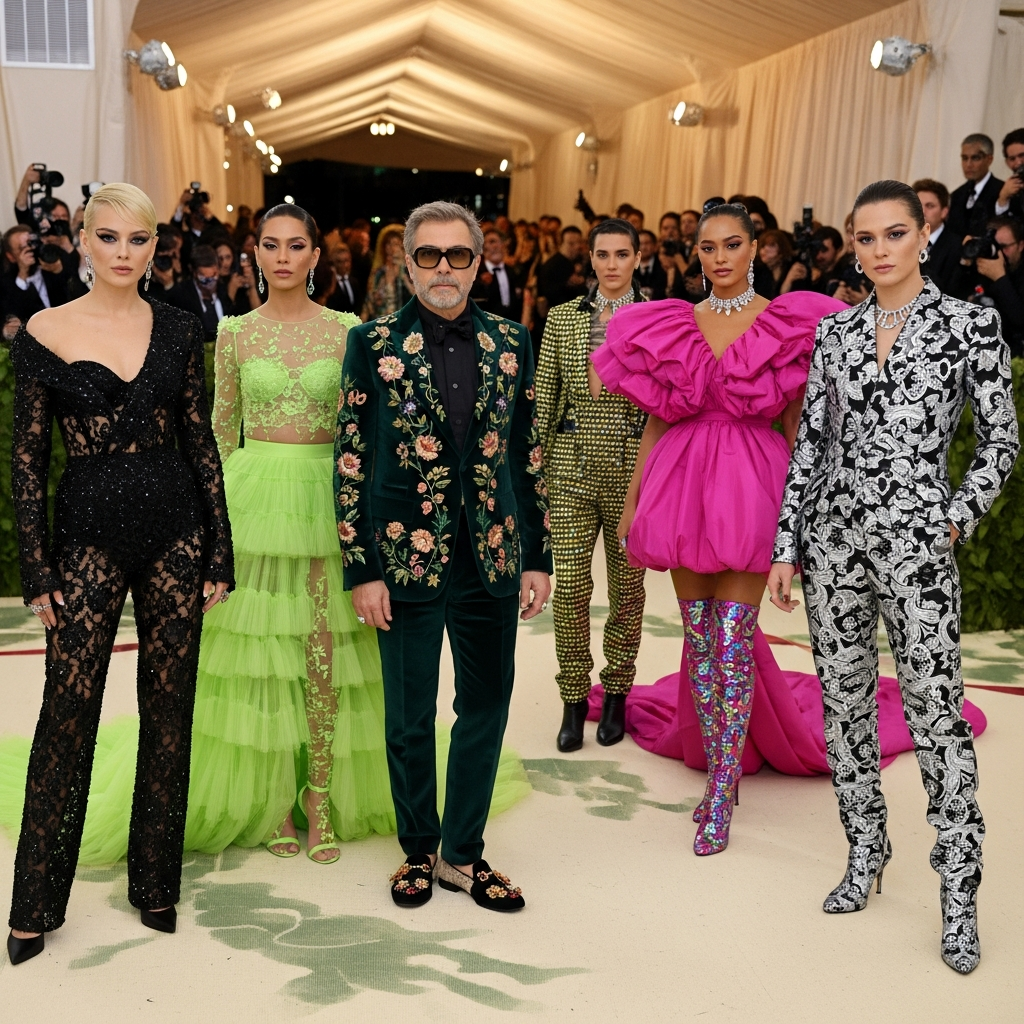
The Met Gala red carpet captivates global audiences with its grand, often theme-constrained sartorial displays. Yet, the real fashion narrative often continues long after the flashbulbs fade. Met Gala afterparties are “Act Two” of this iconic night. They offer celebrities a unique opportunity for self-expression. Many transform their looks, embracing everything from continued glamour to unexpected comfort. This exclusive post-gala world reveals bold choices and often more personal styles. It’s where the true spirit of fashion experimentation comes alive, showcasing celebrity afterparty looks that define the night.
The Met Gala’s “Act Two”: Afterparty Fashion Unveiled
The afterparties are not just celebratory gatherings. They are crucial extensions of the Met Gala’s fashion spectacle. While the main event demands adherence to strict themes, after-hours events allow for more freedom. Stars often debut entirely new, equally “Vogue-worthy” ensembles. Some prioritize comfort, while others double down on dramatic statements. This blend makes Met Gala afterparty fashion a fascinating study in celebrity style evolution.
From Red Carpet Grandeur to After-Hours Glam
Many celebrities leverage the afterparties to showcase a second elaborate look. This allows them to further interpret the evening’s artistic theme. These outfits can be less restrictive, yet equally impactful. They often provide a more playful or daring counterpoint to their initial red carpet appearance. The shift from structured gowns to more fluid or revealing pieces is common. It highlights a desire for both comfort and continued high fashion.
Continuing the “Fashion Is Art” Narrative
The 2026 Met Gala theme, “Fashion Is Art,” challenged attendees. It aimed to explore the deep relationship between clothing and the human form. This directive fueled anticipation among style savants. The Metropolitan Museum of Art’s “Costume Art” exhibition framed this exploration. It categorized the dressed body into the Classical, Overlooked, and Universal forms. Celebrities often carried these artistic interpretations into their afterparty outfits. They maintained a consistent artistic vision, even with a change of clothes. This deep engagement turned the red carpet into a living “sartorial tableau.”
Top Celebrity Transformations: Afterparty Style Stars
The afterparties are a runway of their own. Celebrities use this stage to either amplify their gala theme or pivot entirely. These transformations are key to understanding the full scope of Met Gala style. They reveal the versatility and creativity of high fashion.
Redefining Glamour: Second Looks That Dazzled
Many stars opted for a complete wardrobe change. These second looks were often as memorable as their first.
Kendall Jenner maintained “goddess energy” in a second Zac Posen design. Her blush bodice featured a sculpted torso.
Hailey Bieber switched from a vibrant gala gown. She chose a structured minidress by Dilara Findikoglu. Made of white and cream fabric patches, it highlighted her legs.
Tessa Thompson kept her structured aesthetic. She traded Valentino for teeny black leather shorts and an elaborate pleated gold top.
Katy Perry made a dramatic shift. Her masked, “extraterrestrial” gown gave way to a “girlie pop pink” minidress with a fluffy skirt.
Doja Cat evolved from a “Ritz-cracker sleeve” look. She donned a “less plastic” nude slip dress, beautifully skimming her body.
Naomi Osaka continued her “performance art” theme. She made a dramatic afterparty entrance concealed in white feathers and lace.
Lena Dunham swapped red sequins for an “ethereal” all-white floaty dress. She paired it with lace-up boots and loose hair.
Chase Infiniti embraced bright colors. Her Venus de Milo-inspired gown was traded for a flowing, acid-green counterpart.
Zoë Kravitz consistently chose black lace. She followed her Saint Laurent gala gown with “more black lace.”
Daring Statements: Bold & Unconventional Afterparty Choices
Some afterparty looks pushed fashion boundaries. They featured unique combinations and revealing elements. These choices embodied the “gutsy” aspect of the night.
Hudson Williams delivered a “chic-meets-sporty” ensemble. A tuxedo jacket and cummerbund paired with satin shorts and knee socks. It was an unconventional look that surprisingly worked.
Connor Storrie, famous for a daring halter top at the main event, continued his bold streak. He sported a suit “mostly,” featuring a dramatic brown chiffon cape. His exposed pecs added flair and “no shortage of skin,” making a distinct statement.
The Comfort Revolution: Effortlessly Chic After-Hours Attire
After hours of rigid formalwear, many celebrities embraced comfort. This shift highlighted a relatable side of high fashion. Yet, they maintained undeniable style.
Margot Robbie famously traded her custom Chanel gown. She opted for “effortlessly chic” light-wash denim jeans and a white tee. A glittery jacket completed the look, alongside a new bob hairstyle.
A$AP Rocky appeared solo, moving from a pink Chanel tux. He chose a casual look of jeans, layered shirts, and a shimmering lamé overcoat.
Tyriq Withers transitioned from a sheer carpet shirt. He embraced a “snuggly jacket” for the afterparties, prioritizing coziness.
Exclusive Entrants & Memorable Moments
Beyond the fashion, afterparties offer unique narratives. They feature surprise appearances and heartfelt interactions. These moments add to the Met Gala’s lore.
Afterparty Debuts: Who Skipped the Carpet?
Not every star walks the main red carpet. Some prefer to make an entrance at the afterparties instead.
Olivia Rodrigo was a notable example. She skipped the main gala carpet. However, she made a “cute cameo” at the afterparties. Rodrigo arrived in a crocheted minidress with floral details and fringed sleeves. This debut proved that the afterparty itself is a significant fashion event.
Beyond Fashion: Poignant Interactions & Rule-Breaking
The Met Gala is also a platform for meaningful human connections. It can even challenge established rules.
Rihanna shared a deeply affirming moment with Today co-host Sheinelle Jones. Rihanna held Jones’s hands, telling her, “You deserve to be poured into. And you’re beautiful, you’re a Black journalist. And I respect you. I love you for this.” This powerful interaction came after Jones’s challenging year, marked by personal loss. Both women wore stunning outfits: Jones in a sparkling Lafayette 148 gown, and Rihanna in a dramatic Maison Margiela piece resembling liquid metal with actual jewels.
Nicole Kidman and Beyoncé reportedly broke a long-standing Met Gala rule. They brought their teenage daughters, Sunday Rose (17) and Blue Ivy (14), respectively. Vogue had previously confirmed a strict “under 18” prohibition. Kidman, in a cherry red Chanel gown, shared that Sunday Rose, in a Dior baby-pink ensemble, was “so calm.” Beyoncé, returning after a decade in a custom diamante skeleton-style bustier by Olivier Rousteing, expressed joy sharing the debut with Blue Ivy, who wore a white Balenciaga gown. These exceptions highlighted the unique status of the co-chairs.
Behind the Seams: Crafting Met Gala Looks
The creation of Met Gala ensembles, both for the main event and afterparties, involves immense artistic effort. It’s a testament to the dedication of designers and celebrities.
The Art of Thematic Dressing
Understanding and interpreting the Met Gala’s theme is paramount. Celebrities and their stylists meticulously plan each outfit.
Margot Robbie’s stunning strapless gold Chanel gown for the main gala took 761 hours to create. It featured 1,100 pieces of embroidery. She collaborated with Chanel’s Matthieu Blazy to align with the “Costume Art” theme. Robbie is renowned for her meticulous approach. Her “Barbie” press tour showcased distinct Barbie references from various decades. She paired these with designers like Versace and Valentino. This strategic planning ensures every look is “very specific for each destination.”
- The “Costume Art” exhibition itself provided a framework. It categorized the dressed body into the “Classical Body” (nude form, Grecian statues), the “Overlooked Body” (aging, pregnant, disabled bodies; Bad Bunny’s elderly self-portrayal), and the “Universal Body” (anatomical structure; Beyoncé’s jeweled adornments). Many attendees referenced famous paintings, sculptures, and art movements directly.
- www.yahoo.com
- malaysia.news.yahoo.com
- malaysia.news.yahoo.com
- uk.style.yahoo.com
- uk.style.yahoo.com
Why Afterparties Matter: A Deeper Look at Celebrity Style
The Met Gala afterparties are far more than mere social events. They are critical cultural moments that shape fashion discourse. They provide valuable insights into celebrity choices.
Freedom of Expression Beyond the Main Event
The main red carpet is a highly controlled environment. Afterparties offer a liberating contrast. Celebrities can shed the constraints of grand gowns. They choose outfits that reflect more personal style or daring experimentation. This freedom results in truly unique and often unexpected ensembles. It’s a chance for stars to truly shine in their own way.
Setting New Trends
The bolder, often more comfortable Met Gala afterparty fashion choices frequently signal emerging trends. From casual denim to avant-garde statements, these looks inspire. They demonstrate how high fashion can be both aspirational and accessible. This second wave of fashion provides rich content for style analysis and trend forecasting. It’s a crucial part of the Met Gala’s overall impact on the fashion world.
Frequently Asked Questions
What makes Met Gala afterparty fashion different from the main red carpet?
Met Gala afterparty fashion distinguishes itself through greater freedom and personal expression. While the main red carpet often features grand, theme-constrained outfits, afterparties allow celebrities to choose comfort, make bolder statements, or showcase entirely new, more playful looks. This “Act Two” often reveals a more authentic side of celebrity style, contrasting with the often rigid formalwear required for the gala itself. It’s a space for unique sartorial choices beyond the initial spectacle.
Which celebrities made notable afterparty debuts or transformations at the 2026 Met Gala?
Several celebrities presented memorable afterparty looks. Olivia Rodrigo, for instance, skipped the main event but made a “cute cameo” at the afterparties in a crocheted minidress. Margot Robbie traded her elaborate Chanel gala gown for effortlessly chic denim jeans and a glittery jacket. Connor Storrie continued his daring approach with a suit featuring a dramatic cape and exposed pecs. Other notable transformations included Kendall Jenner, Hailey Bieber, and Katy Perry, all debuting second, equally impactful ensembles.
How do designers and celebrities approach thematic dressing for Met Gala events and afterparties?
Designers and celebrities meticulously approach thematic dressing for the Met Gala, often extending their interpretation into the afterparties. For the 2026 “Fashion Is Art” theme, this meant drawing inspiration from artistic concepts and the “Costume Art” exhibition’s categories: the Classical, Overlooked, and Universal Body. Margot Robbie exemplifies this dedication, with her main gala gown taking 761 hours to create. Her team strategically plans outfits to match specific themes, ensuring each look, even afterparty attire, reflects a deep understanding of the event’s artistic directive.
Conclusion
The Met Gala afterparties are an indispensable component of the annual fashion extravaganza. They serve as a vibrant canvas for celebrity expression, offering a captivating glimpse into post-gala style. From continued haute couture glamour to unexpected shifts towards comfort, these events highlight the dynamic nature of high fashion. The “glitziest and gutsiest” looks, like Olivia Rodrigo’s charming afterparty debut or Connor Storrie’s daring display, cement the afterparties’ status as a vital fashion stage. Exploring these unique post-gala ensembles provides a fuller, richer understanding of contemporary celebrity style and artistic interpretation. Don’t miss the next Met Gala to witness how fashion’s “Act Two” continues to unfold.