
Key takeaways
- The national average for a gallon of regular gasoline has dropped below the $4 threshold, currently sitting at $3.94.
- Seasonal shifts and refinery maintenance cycles are the primary drivers of the recent price decline.
- Falling Brent crude oil prices, now near $90 a barrel, are significantly contributing to lower costs at the pump.
- Geopolitical volatility regarding the war in Iran remains a major risk that could quickly reverse these downward trends.
Gasoline prices have fallen below the $4 per gallon threshold for the first time in months, providing a reprieve for American motorists as the national average settles at $3.94 for regular fuel. This decline, which saw prices drop approximately 40 cents over the last month, reached a significant milestone this past Tuesday, according to data from AAA. While the sudden drop has sparked speculation regarding political influence, industry experts suggest that more fundamental economic and seasonal factors are at play.
What happened
On Tuesday, the average price for a gallon of regular gasoline in the United States officially crossed below the $4 mark, marking a notable shift in The energy market. According to AAA, the national average has reached $3.94, following a steady decline that has gained significant momentum over the last two weeks. This movement represents a 40-cent decrease compared to the prices seen just one month ago.
The timing of this drop has led to various theories regarding its cause. However, Patrick De Haan, the head of petroleum analysis at GasBuddy, addressed these theories in his industry newsletter, noting that the assumption that the recent election influenced these prices is a “myth.” Instead, De Haan attributed the relief to a “banal reason”: the seasonal shift in consumer behavior and market supply.
Why it matters
For the average consumer, the dip below $4 provides immediate, albeit potentially temporary, relief to household budgets. As inflation remains a persistent concern for the broader economy, lower fuel costs can act as a slight buffer for transportation expenses. However, the significance of this drop is tempered by historical context; AAA noted in a recent update that while $3.94 may feel like a bargain, gasoline prices remain the highest they have ever been for this specific time of year.
Beyond the individual driver, the price of gasoline serves as a critical indicator of global stability and economic health. Because fuel is a foundational cost for shipping, agriculture, and manufacturing, the volatility in these prices has a cascading effect throughout the entire global supply chain. The current decline is not just a win for the consumer but a reflection of shifting dynamics in the global oil market and international diplomacy.
The mechanics of seasonal gasoline price relief
One of the primary reasons for the current downward trend is the natural transition from summer to fall. During the summer months, gasoline demand typically peaks as more people engage in long-distance travel and outdoor activities. As the weather cools, AAA points out that driving activity tends to decrease, leading to a reduction in overall demand for fuel.
This decrease in demand is accompanied by an increase in supply due to two main factors: refinery maintenance and the switch to winter-grade fuel blends.
The refinery and blend transition
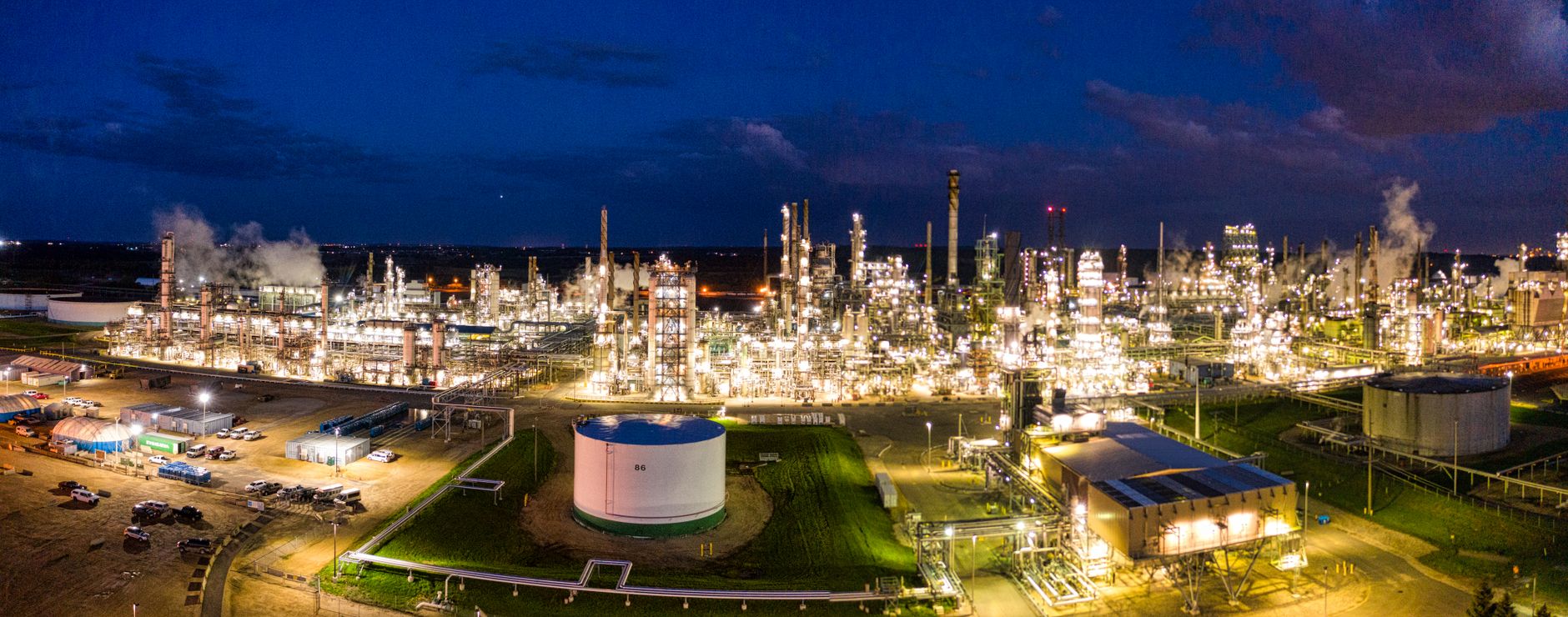
By late fall, most major refineries have completed their annual maintenance cycles. This scheduled downtime is necessary for repairs and upgrades but often restricts supply during the summer. Once maintenance is finished, refineries can operate at higher capacities, adding more product to the market.
Furthermore, the type of gasoline being produced changes with the seasons. Refineries produce different blends to meet specific environmental and mechanical needs. This year, the transition happened earlier than usual. While the switch typically occurs around September 15, the Environmental Protection Agency (EPA) and the Department of Energy (DOE) moved the date to September 1, citing the impact of the war in Iran on fuel pricing.
| Feature | Summer Blend | Winter Blend |
|---|---|---|
| Primary Function | Minimizes smog by reducing evaporation in heat | Ensures reliable engine starts in freezing weather |
| Chemical Composition | Lower volatility to prevent evaporation | Higher butane content to aid ignition |
| Market Cost | Generally more expensive to produce | Generally less expensive due to butane usage |
| 2026 Transition Date | N/A | September 1 |
Global drivers: Brent crude and geopolitics
While seasonal factors provide the foundation for the price drop, the most significant driver is the falling price of Brent crude oil. Jorge León, head of geopolitics at the research group Rystad Energy, identified the price of Brent crude—which has fallen to approximately $90 a barrel—as the main catalyst for the lower costs seen at the pump. Because Brent crude is the benchmark used to price the oil that refineries need to create gasoline, diesel, and jet fuel, its decline directly impacts consumer prices.
The recent drop in crude prices is linked to two main developments: an increase in oil production via Middle Eastern pipelines and intensifying diplomatic efforts between the United States and Iran. Market traders have responded positively to the possibility of stabilized relations, which has helped drive the price of oil down.
However, this stability is fragile. León warned in an email to NPR that the current progress could be easily reversed if the conflict in the region escalates. He noted that President Trump may view increased military action as a strategic way to gain negotiating leverage before the Democratic Party takes control of Congress in January. Should military tensions rise, the recent gains in oil price declines could vanish almost immediately.
What it means for you
How you should react to these changing prices depends largely on your role in the economy:
- For Drivers: You may see continued relief if Brent crude remains stable, but do not expect a return to the significantly lower prices seen before the conflict in Iran began. Treat this dip as a reprieve rather than a permanent trend.
- For Investors: The energy sector remains highly sensitive to geopolitical news. The interplay between the current administration’s military posture and the incoming Congressional leadership creates a high-volatility environment for oil and gas stocks.
- For Small Businesses: Companies reliant on logistics and shipping should monitor the $90-per-barrel Brent crude benchmark. While lower fuel costs reduce overhead, the threat of sudden price spikes due to regional escalation remains a significant operational risk.
Counterpoints and open questions
Despite the current relief, several experts urge caution. A major misconception is that the current price drop is a direct result of domestic political shifts; however, as GasBuddy’s Patrick De Haan emphasized, the drivers are largely seasonal and global.
There is also the question of “normalization.” Jaime Brito, executive director of refining and oil markets for Dow Jones Energy, argued that we are far from seeing a return to pre-conflict price levels. According to Brito, a true return to normal pricing would require the entire global supply chain to recover. This includes:
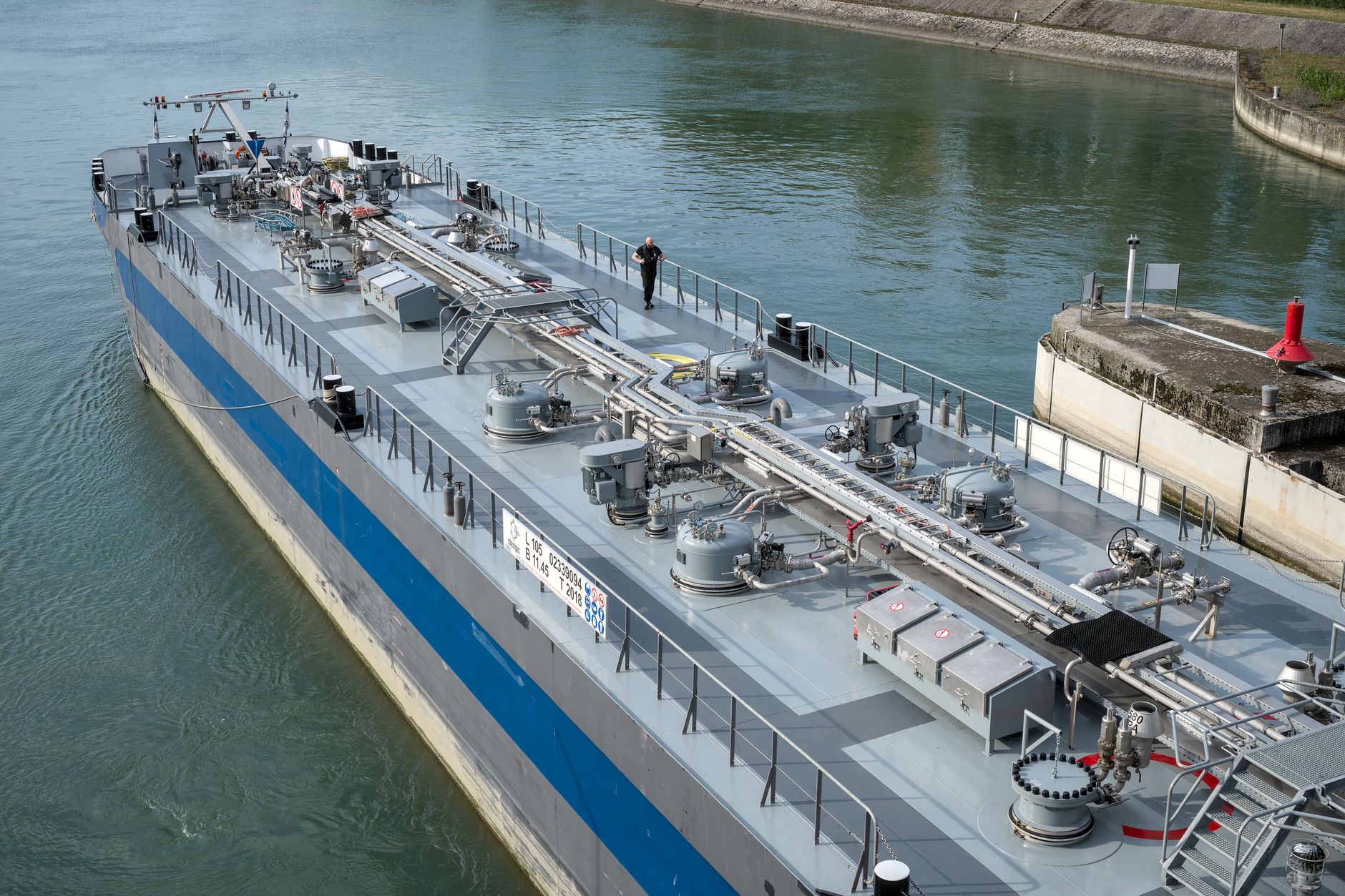
- Shipping Logistics: Vessels that have been forced to take long, alternative routes to avoid the Strait of Hormuz would need to return to their original points of origin and resume standard routes.
- Refinery Output: Refineries would need to produce enough fuel to not only meet global demand but also to replenish depleted stockpiles.
- Production Stability: A return to normal crude production levels across the globe is required to sustain long-term lower prices.
Brito noted that this entire process could take months even after a lasting peace deal is reached. Therefore, the current price dip may be a temporary fluctuation rather than a structural change in the market.
What happens next
As the country moves toward the end of 2026, several key catalysts will determine whether gasoline prices continue to fall or begin to climb again:
- Geopolitical Escalation: Any sudden military movement or escalation in the war in Iran will likely cause Brent crude to spike, immediately impacting the price of gasoline.
- Congressional Transition: In January, when Congressional Democrats take control, their influence over the “power of the purse” will become a factor. Their ability to withhold war funding or stall key official confirmations could influence the administration’s approach to the conflict.
- Inventory Levels: Market analysts will be watching to see if refineries can successfully rebuild the depleted stockpiles mentioned by Brito.
As the national average for gasoline remains at $3.94, the market remains caught between seasonal relief and geopolitical uncertainty. While drivers are enjoying a momentary break from high costs, the stability of the entire energy supply chain remains tied to the resolution of international conflicts and the complex logistics of global oil distribution.
Frequently asked questions
Why are gas prices falling right now?
Gasoline prices are falling primarily due to a seasonal shift in demand and the transition to cheaper winter-blend gasoline. Additionally, the price of Brent crude oil has dropped to around $90 a barrel due to increased oil flow from Middle Eastern pipelines and diplomatic progress between the U.S. and Iran.
Will gas prices keep dropping below $4?
While current trends show prices dipping, it is uncertain if they will continue to fall. Experts like Jaime Brito suggest that a full return to lower, pre-conflict price levels requires a complete recovery of the global supply chain, which could take months even if peace is achieved.
Does the election affect gas prices?
According to Patrick De Haan of GasBuddy, the idea that the recent election is driving the current drop in gasoline prices is a myth. The current relief is instead driven by seasonal changes, refinery maintenance, and global oil market dynamics.
What is the risk to current low gas prices?
The biggest risk is geopolitical escalation in the Middle East. If military actions involving Iran increase, the price of Brent crude oil could rise quickly, which would cause gasoline prices at the pump to reverse their current downward trend.
References
Featured image: Photo by Engin Akyurt on Pexels