
political realignment is currently reshaping the foundational structures of global governance, as evidenced by simultaneous institutional shifts within China’s Communist party and a deepening ideological fracture among prominent conservative figures in the United States.
Key Takeaways
- China’s Institutional Shift: The Communist Party of China is deviating from long-standing “unwritten rules” regarding central Committee promotions, favoring selective elevation over predetermined seniority.
- Massive Purges in Beijing: A significant anti-corruption drive has resulted in the expulsion of 24 full members and 11 alternate members of the Central Committee, the highest number in recent years.
- US Third-Party Ambitions: Leading conservative voices, including Tucker Carlson and Marjorie Taylor Greene, are exploring the creation of new political entities to challenge the Democratic-Republican duopoly.
- The MAGA Rift: High-profile allies of Donald Trump, including Elon Musk and Carlson, are reportedly distancing themselves from the former president over perceived policy betrayals, specifically regarding foreign intervention.
- Global Implications: Both movements signal a move away from traditional political stability—one through centralized disciplinary control in China and the other through populist fragmentation in the US.
- 2024: Elon Musk serves as Donald Trump’s most prominent donor through America PAC.
- September 21, 2025: A memorial service for conservative commentator Charlie Kirk is held in Arizona, marking a period of intense conservative reflection.
- April 2026: Tucker Carlson issues a public apology to his audience for “misleading” them regarding Donald Trump, stating, “I want to say I’m sorry for misleading people, it was not intentional.”
- June 2026: Marjorie Taylor Greene publicly announces she can no longer support the Republican Party (GOP).
- July 2026: The current week, where discussions of the “America Party” and third-party movements reach a fever pitch.
- The Republican Convention (September 2026): The upcoming GOP convention in Dallas will be a critical test of whether Donald Trump can consolidate his base or if the rift with figures like Musk and Carlson will continue to widen.
- Further CCP Plenary Sessions: Any subsequent announcements regarding Central Committee vacancies or further expulsions will provide clarity on the scale of the anti-corruption drive.
- Third-Party Formalization: Watch for formal filings or organizational announcements from the “America Party” or other entities mentioned by Carlson and Greene.
- time.com
- www.scmp.com
The Global Context of Political Realignment
As the world enters a period of intense volatility, the mechanisms that have historically stabilized major political powers are showing signs of strain. In the East, the Chinese Communist Party (CCP) is tightening its grip through a rigorous and increasingly unpredictable disciplinary process. In the West, the American political landscape is facing a potential upheaval as the established two-party system is challenged by the emergence of new, personality-driven political movements.
While the drivers of these shifts differ—one being a state-led effort to enforce loyalty and the other a grassroots and celebrity-led movement toward ideological independence—the result is a shared sense of unpredictability in the global order.
The Chinese Shift: Breaking the Rules of the Central Committee
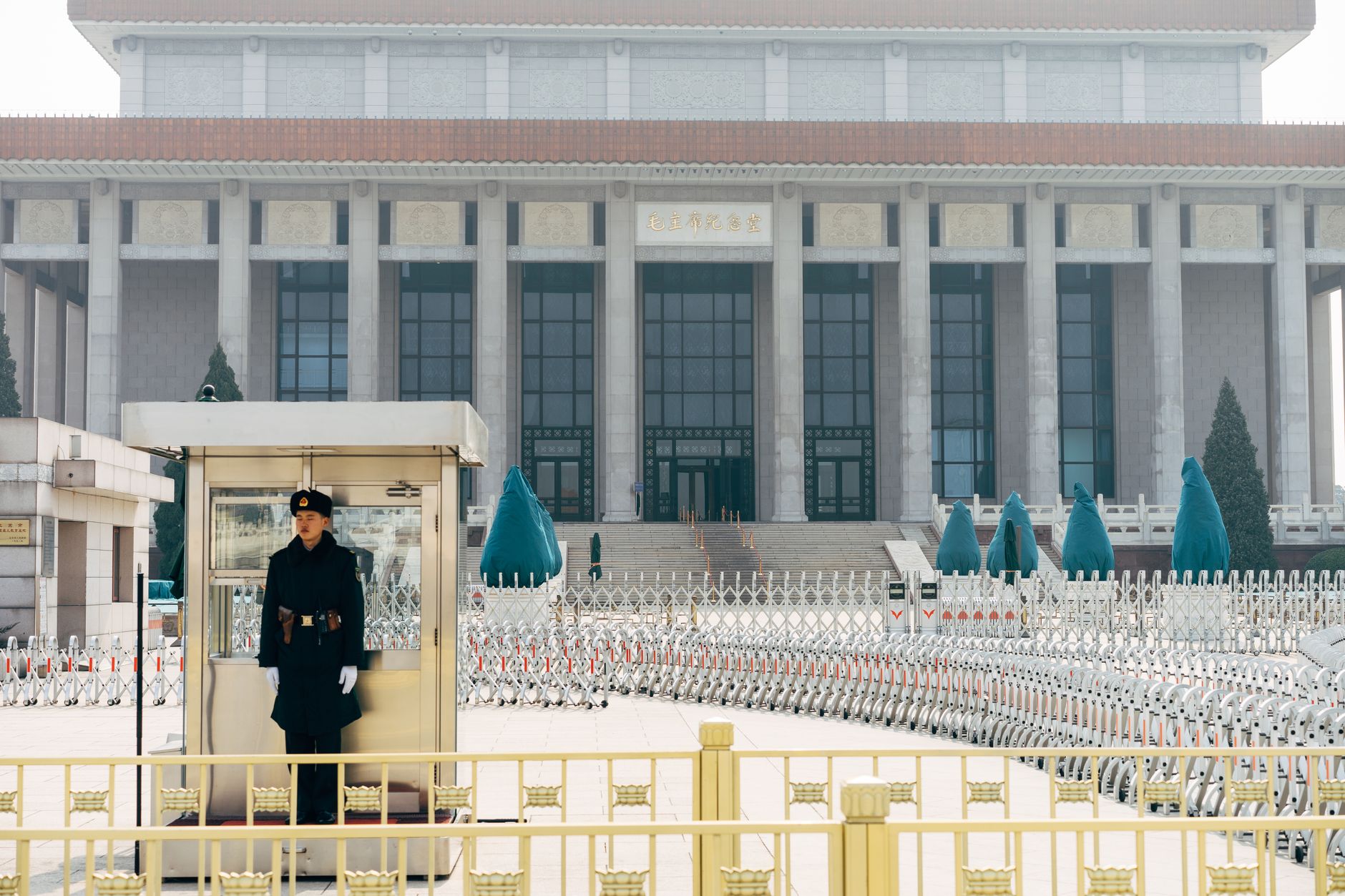
At a major political gathering this week in Beijing, the normally routine process of filling vacancies within the Communist Party’s Central Committee took on a new, more significant character. The fifth plenum of the party’s 20th Central Committee, which concluded on Thursday, revealed a departure from the established protocols that have governed Chinese leadership for decades.
According to a communique released by the party, 10 officials were promoted to full membership of the Central Committee. However, the composition of these promotions suggests that the party is increasingly willing to bypass traditional seniority and the “predetermined order” that has historically dictated leadership succession.
The End of Predetermined Order
Under the party’s constitution, vacancies in the Central Committee are typically filled by alternate members in a specific order, determined by the votes received during party congresses. In the event of a tie, the number of strokes in an official’s family name serves as a tiebreaker. This system provided a level of predictability to the political hierarchy.
However, this week’s plenum saw five alternate members passed over for promotion. The 10 officials who were elevated included prominent regional administrators such as Shanxi governor Lu Dongliang, 52, and Zhejiang governor Liu Jie, 56.
In contrast, several high-ranking officials were conspicuously omitted from the promotion list. Among those passed over were Cong Liang, 54, the director of the State Council’s Development Research Centre, and two lieutenant generals from the People’s Armed Police: Fu Wenhua, 61, and Zhu Wenxiang, 62.
While the party has provided no official explanation for these omissions, the South China Morning Post reports that Cong Liang has been in poor health for the past two years and has had limited public visibility. Nevertheless, the trend of “leapfrogging” officials—where a younger or less senior candidate is promoted ahead of a more senior one—is becoming more frequent.
This phenomenon was first notably observed during the 2022 plenary session, when Wang Weizhong, then governor of Guangdong, was promoted ahead of Wang Yongkang, a former vice-governor of Heilongjiang. While Wang Yongkang was moved to a ceremonial role, the precedent for bypassing the established order was set.
Discipline and the War on Corruption
The recent plenum was heavily focused on party discipline and the ongoing fight against corruption. The scale of the recent purges is unprecedented in recent history. The party confirmed that 24 full members and 11 alternate members had been expelled, marking the highest number of expulsions in recent years.
This massive turnover has also impacted the attendance at these high-level meetings. Only 162 of the Central Committee’s 205 full members attended this week, a turnout of just 79 per cent. Attendance by alternate members also saw a sharp decline, falling to 117 from 147 last year.

The American Fracture: The Rise of Third-Party Ambitions
While China is consolidating power through institutional discipline, the United States is experiencing a different kind of political realignment: a fragmentation of its dominant conservative coalition. A deepening rift is forming between Donald Trump and several of his most influential allies, signaling a potential shift toward a multi-party system.
The Carlson-Musk-Greene Nexus
The catalyst for this shift appears to be a perceived abandonment of “America First” principles by the Trump administration, particularly regarding military involvement in conflicts, such as the decision to engage in war with Iran.
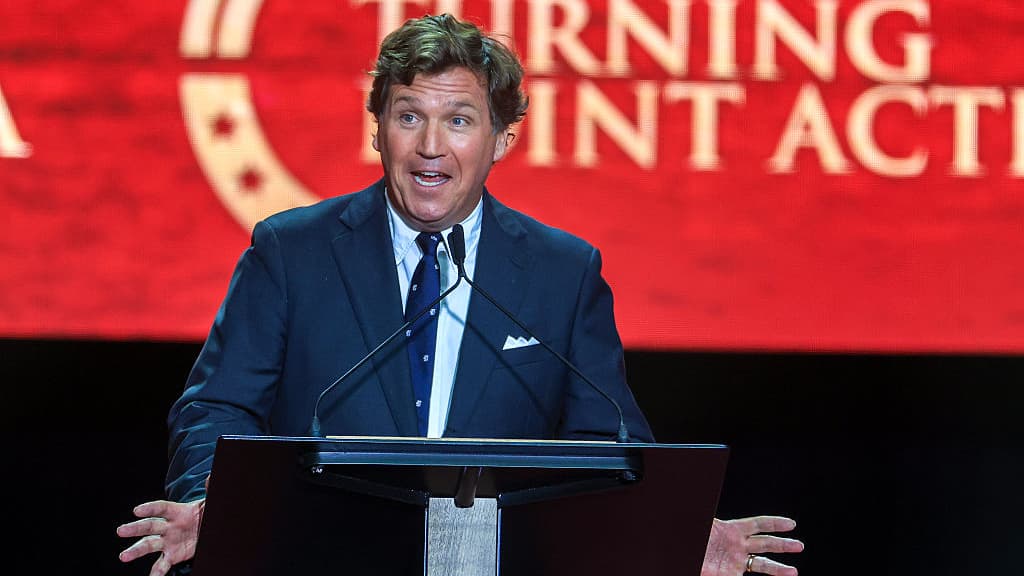
Tucker Carlson, a leading conservative commentator and former Trump ally, has become a primary architect of this movement. During a recent interview, Carlson expressed his intention to help build a third party, stating, “That’s a one-party state posing as a democracy, and it needs to be broken. There’s going to be a third party, and I’m going to do everything I can to bring that about.”
Carlson’s ambitions are mirrored by other powerful figures. Elon Musk, the CEO of Tesla, has reportedly formed a new political entity known as the “America Party.” This follows Musk’s massive financial commitment to the 2024 election cycle via his America PAC, which reportedly spent approximately $200 million to support Donald Trump’s campaign.
Similarly, former Congresswoman Marjorie Taylor Greene has indicated that she is engaged in “serious conversations” with others to launch a “true America-focused party.” Greene suggested that such a party could potentially bridge the gap between the right and the left, though she acknowledged the immense practical hurdles such a movement would face in the American electoral system.
A Timeline of Disillusionment
The fracture within the MAGA coalition did not happen overnight but has been building through 2024 and 2025.
Comparative Analysis: Two Paths to Realignment
The following table compares the nature of the political shifts occurring in China and the United States.
| Feature | China (CCP) | United States (GOP/MAGA) |
|---|---|---|
| Primary Driver | Internal party discipline and anti-corruption mandates | Ideological divergence and policy disagreements (e.g., Iran war) |
| Key Mechanism | Expulsions, investigations, and “leapfrogging” promotions | Formation of new political parties (e.g., America Party) |
| Power Dynamic | Centralization of authority under Xi Jinping | Decentralization and fragmentation of the conservative base |
| Impact on Hierarchy | Predictability is replaced by loyalty-based selection | The two-party duopoly is challenged by third-party movements |
| Primary Actors | Central Committee, State Broadcaster CCTV | Tucker Carlson, Elon Musk, Marjorie Taylor Greene |
What It Means for You
The ongoing political realignment in both China and the United States carries significant implications for different groups of stakeholders.
For Global Investors and Businesses
In China, the move away from predictable promotion rules and the intense anti-corruption drive create a landscape of increased regulatory and political risk. When leadership transitions are no longer governed by transparent seniority, businesses may find it harder to navigate the long-term political landscape. In the U.S., the potential for a third-party movement could lead to greater electoral volatility, making long-term policy forecasting more difficult.
For Voters and Citizens
In the United States, the rise of the “America Party” and other third-party efforts could offer voters more choices and a platform for those feeling alienated by both major parties. However, as Marjorie Taylor Greene noted, these movements face significant systemic hurdles. For voters in China, the shifting rules suggest that political advancement is increasingly tied to absolute loyalty and the ability to navigate the party’s evolving disciplinary standards.

Counterpoints and Open Questions
While the signs of realignment are visible, several questions remain unanswered.
In China, the party has not explained why only 10 full seats on the Central Committee were filled when the latest round of expulsions created 24 vacancies. This decision to leave seats empty is a departure from recent history; the last time a seat remained vacant for an extended period was following the death of Wang Yupu in 2020.
In the United States, the viability of a third-party movement remains highly contested. Critics argue that the U.S. electoral system is structurally designed to prevent third parties from achieving systemic impact. Furthermore, there is the risk that a fragmented conservative movement could inadvertently benefit the Democratic Party by splitting the right-wing vote.
What Happens Next
Several key milestones will serve as indicators of the direction these political shifts are taking:
Frequently Asked Questions
Why is the CCP changing its promotion rules for the Central Committee?
The Communist Party is increasingly prioritizing discipline and loyalty over the traditional “unwritten rules” of seniority. This shift is part of a broader anti-corruption drive aimed at ensuring the Central Committee remains aligned with the central leadership. By “leapfrogging” certain officials, the party can reward loyalty and bypass those who may be under investigation or deemed insufficiently aligned.
Who are the key figures behind the new US third-party movement?n
Prominent figures include conservative commentator Tucker Carlson, who has advocated for a new party to break the two-party system, and Elon Musk, who has reportedly formed the “America Party.” Former Congresswoman Marjorie Taylor Greene has also indicated she is in discussions to launch an “America-focused party.”
What is the “America Party” mentioned in recent reports?
The “America Party” is a political entity that Elon Musk has reportedly formed. It follows his massive financial involvement in the 2024 election through his America PAC and represents a potential break from the traditional Republican Party structure.
How many officials were expelled from China’s Central Committee?n
According to the party’s recent communique, 24 full members and 11 alternate members of the Central Committee have been expelled, which is the highest number of expulsions in recent years.
Closing
Whether through the disciplined restructuring of the Chinese Communist Party or the populist fragmentation of the American political landscape, the era of predictable political hierarchies is being challenged
References
Featured image: Joe Raedle––Getty Images — via TIME


One thought on “Political Realignment: Inside the Shifts in China and the US”