The anthropic Elvis lawsuit has emerged as a defining legal battle in the struggle between generative artificial intelligence and the protection of intellectual property, as rights holders for the King of Rock and Roll allege the company used 274 of his songs to train its AI models without permission.
Key Takeaways
- Massive Financial Stakes: The plaintiffs, led by Authentic Brands Group, are seeking approximately $41.1 million in statutory damages.
- Direct Estate Action: This case marks a significant shift from litigation led by major record labels to direct legal challenges from an artist’s estate.
- The “Guardrail” Failure: The lawsuit alleges that Anthropic’s “Claude” continues to produce infringing outputs even after the company implemented safeguards to limit copyright violations.
- Legal Precedent: The case hinges on whether AI-generated content is merely “inspired by” an artist or constitutes an unauthorized “derivative work.”
- Broader Industry Conflict: This filing is part of a growing wave of litigation against AI developers, including Suno and DistroKid, by major music publishers and independent entities.
- If you are a musician or songwriter: This case is a bellwether for your rights. A victory for the Presley estate could strengthen your ability to control how your voice, style, and compositions are used by emerging technologies, potentially leading to new royalty streams from AI licensing.
- If you are an AI developer or entrepreneur: Expect a more complex and expensive regulatory environment. The era of “mass scraping” without permission may be coming to an end, necessitating a shift toward rigorous data provenance and formal licensing agreements.
- If you are an investor in the tech sector: Be aware of the significant legal tail-risks associated with generative AI companies. The potential for multi-billion dollar settlements or court-ordered injunctions that limit model functionality is a real possibility.
- If you are a consumer of digital media: The way you interact with AI-generated content may change. If courts mandate stricter guardrails, AI tools may become less capable of mimicking specific human styles, potentially making them more “original” but less “imitative.
- Discovery Phase: Both sides will engage in an intensive process of exchanging evidence, including Anthropic’s internal training logs and the specific datasets used to train Claude.
- Fair Use Arguments: Much of the legal heavy lifting will occur during arguments regarding whether the training process constitutes “fair use” in the digital age.
- Potential for Settlement: Given the massive financial risks for Anthropic and the high-profile nature of the Elvis Presley estate, a pre-trial settlement remains a distinct possibility.
- Global Regulatory Impact: The outcome of this and similar cases in the U.S. will likely influence how regulators in the UK and EU approach AI copyright protections, especially following campaigns by artists like Paul McCartney and Elton John.
- www.rollingstone.com
- www.nbcnews.com
- www.nme.com
- www.hollywoodreporter.com
- theneedledrop.com
- www.theguardian.com
What Happened: The Filing of the Complaint
On Friday, October 23, 2026, a group of rights holders representing the musical estate of Elvis Presley officially filed a lawsuit against the artificial intelligence company Anthropic. The legal action, first reported by Billboard, was filed in federal court and names Authentic Brands Group—the licensing organization that controls Presley’s music and likeness—alongside ABE EPE LLC as primary plaintiffs.
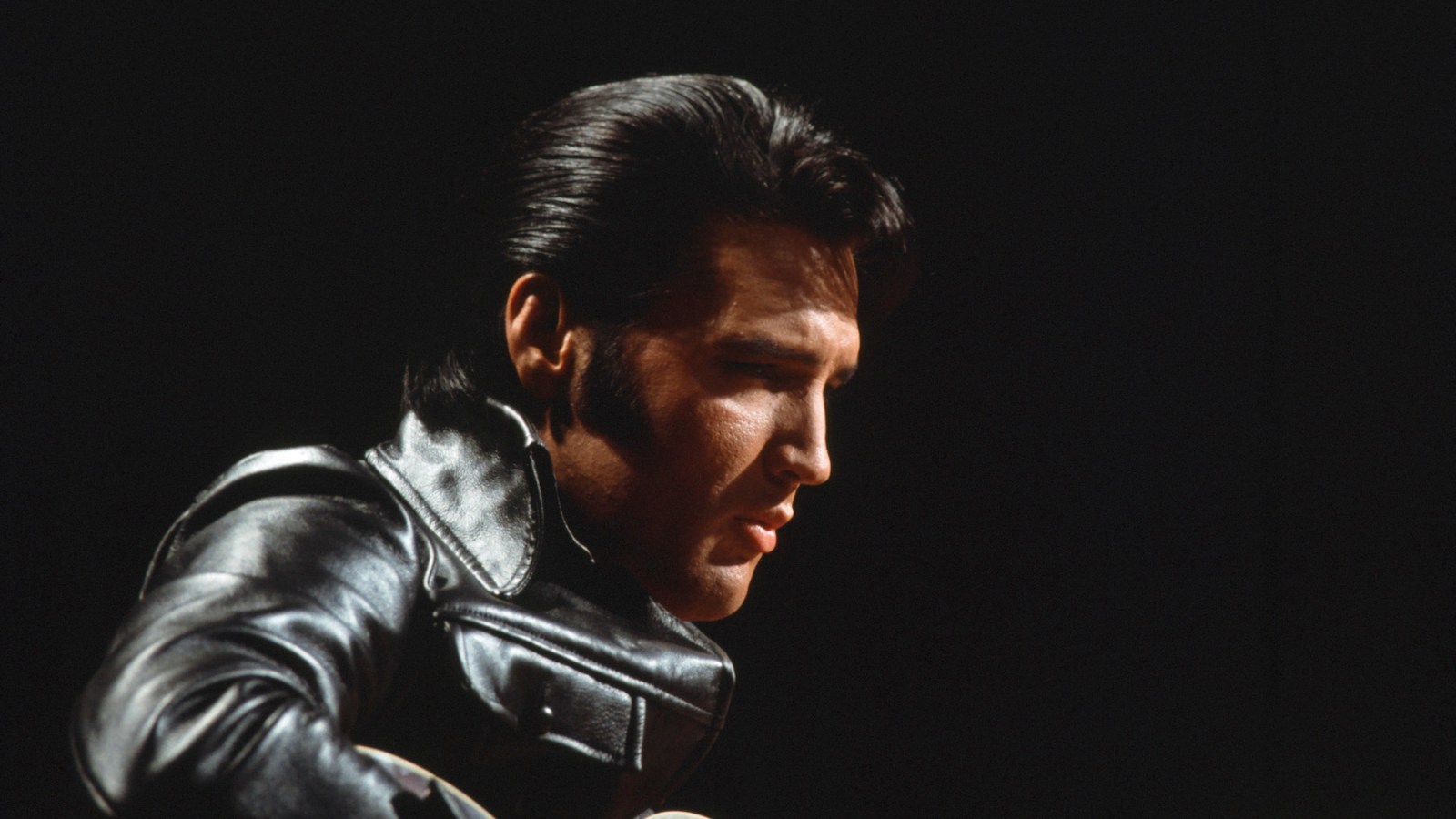
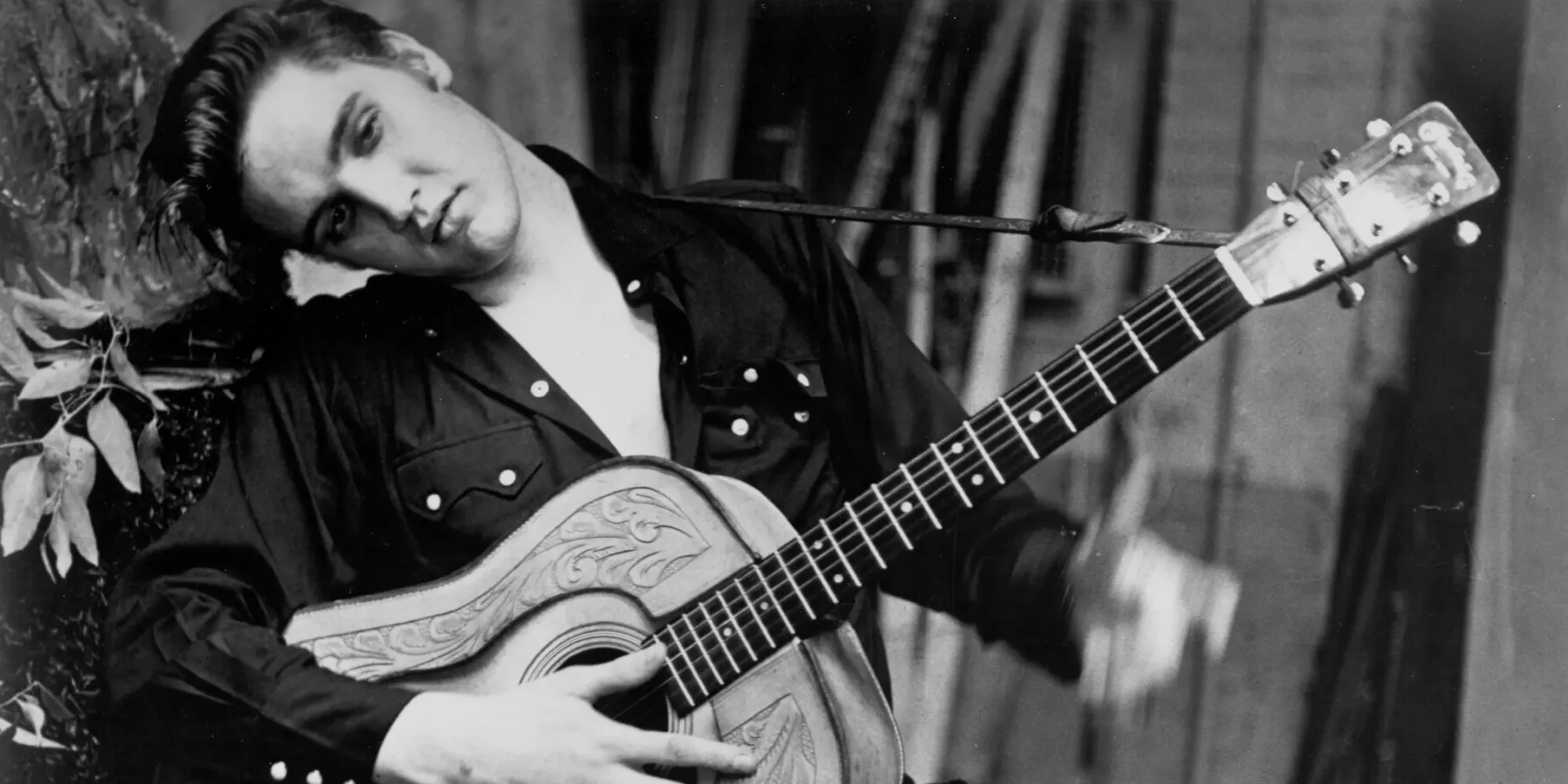
According to the lawsuit, Anthropic utilized a massive catalog of Presley’s copyrighted works, including 274 specific songs, to train its Claude language models. The complaint identifies several of the King’s most iconic hits as part of the alleged infringement, such as “Can’t Help Falling in Love,” “All Shook Up,” “Don’t Be Cruel,” “A Little Less Conversation,” and “Return to Sender.”
Lead attorney Richard Busch of the law firm Adams & Reese stated that the plaintiffs are “deeply protective of these iconic songs.” The lawsuit argues that Anthropic has built its entire business model on “copyright infringement at a scale never seen before,” alleging that the company engaged in the mass scraping of internet content to facilitate the development of its AI models.
Why It Matters: The Shift in AI Litigation
While the music industry has already engaged in high-profile legal battles with AI developers, the Anthropic Elvis lawsuit represents a pivotal evolution in the conflict. Previously, most major litigation has been spearheaded by large-scale organizations like the Recording Industry Association of America (RIAA) and major record labels such as Sony, Universal Music Group, and Warner Records.
This current action is one of the first major legal challenges brought directly by an individual artist’s estate and its specific licensing partners. This distinction is critical because it moves the argument from broad industry-wide copyright concerns to the specific protection of a singular, culturally significant legacy.
If the plaintiffs are successful, the case could establish a legal standard that prevents AI companies from using the specific structural and melodic elements of an artist’s catalog without direct licensing agreements. This would fundamentally alter the economics of AI development, forcing companies to move away from “scraping” the public internet and toward a formal, paid-licensing model with estates and publishers.
Deep-Dive: The “Blurred Lines” Legal Strategy
Central to the plaintiffs’ argument is a legal theory that mirrors the landmark “Blurred Lines” case. Lead attorney Richard Busch previously represented the Marvin Gaye estate in its lawsuit against Robin Thicke and Pharrell Williams, which centered on whether a song’s “feel” and musical structure could be protected under copyright law.
In the Anthropic Elvis lawsuit, the plaintiffs argue that Claude is not merely being “inspired” by Presley’s music, which is a protected form of creativity. Instead, they allege the AI creates “unlicensed derivative works.” The lawsuit claims that when users prompt the AI to recreate songs for a “modern audience,” the resulting output is an unauthorized reproduction of the original’s core elements.
According to the lawsuit, Claude’s outputs often land “very close to the originals,” reusing the same structures, hooks, and full sets of verses, choruses, and bridges, even when the specific words are slightly modified. The plaintiffs contend that this level of mimicry exceeds the boundaries of transformative use and enters the realm of direct infringement.
The Failure of AI Guardrails
One of the most damaging allegations in the complaint concerns the effectiveness of Anthropic’s internal safety measures. The lawsuit notes that after facing previous legal pressures, Anthropic implemented “guardrails” intended to prevent the AI from generating copyrighted lyrics or music.
However, the plaintiffs allege these measures are ineffective. The complaint states that “even after the Defendant supposedly put up ‘guardrails’ after being sued… Claude continues to infringe.” The lawsuit suggests that the AI can bypass these filters to produce outputs that closely mimic the copyrighted works, demonstrating what the plaintiffs call a “willful” engagement in copyright infringement.
The Broader AI and Music Litigation Landscape
The lawsuit against Anthropic regarding Elvis Presley is not an isolated event; it is part of an intensifying wave of legal actions targeting the generative AI industry. To understand the scale of the conflict, it is necessary to look at the recent history of litigation involving Anthropic and other AI entities.
Comparative AI Copyright Litigation
| Plaintiff | Defendant | Primary Allegation | Damages Sought |
|---|---|---|---|
| Authentic Brands Group | Anthropic | Unauthorized use of 274 Elvis Presley songs | ~$41.1 Million |
| Reservoir | Anthropic & Suno | Mass infringement of song lyrics | ~$127.95 Million |
| Universal Music Group | DistroKid | Distribution of AI-generated tracks | $150,000 per work |
| Authors (Class Action) | Anthropic | Use of pirated books for training | $1.5 Billion (Settled) |
| BMG / Sony / Warner | Anthropic | Unauthorized reproduction of lyrics | Unspecified |
As shown in the data, the legal pressure on Anthropic is multi-fronted. In 2025, the company reached a landmark $1.5 billion settlement with a group of authors regarding the use of copyrighted books in its training datasets—the largest settlement of its kind in American history. More recently, in August 2026, the music publisher Reservoir filed a suit in the U.S. District Court for the Northern District of California against both Anthropic and the AI music generator Suno, seeking nearly $128 million for the unauthorized use of lyrics.
Stakeholders and Reactions
The outcome of this litigation will have profound implications for several distinct groups within the global economy.
Rights Holders and Estates
For the owners of intellectual property, such as Authentic Brands Group, this lawsuit is a defensive necessity. They position themselves as the “guardians” of an iconic musical legacy. For these stakeholders, the goal is twofold: to secure massive financial compensation for the unauthorized use of their assets and to establish a precedent that prevents the devaluation of human creativity by algorithmic mimicry.
AI Developers and Tech Companies
For companies like Anthropic, the stakes are existential. While Anthropic has maintained that training models on publicly available data is protected under the U.S. fair use doctrine, the sheer volume of litigation threatens their current operational model. If courts rule against them, they may face massive financial liabilities and be forced to delete or heavily modify the datasets that power their most advanced models.
The Music Industry and Creators
Musicians and songwriters are increasingly vocal about the threat of “AI slop”—low-quality, AI-generated music that mimics human artists to flood streaming platforms. The recent announcement by Spotify that it had removed approximately 50 million songs considered “AI slop” from its recommendations highlights the growing tension between technological advancement and the integrity of human-made art.

What It Means for You
Depending on your role in the digital economy, the Anthropic Elvis lawsuit may impact you in different ways:
Counterpoints and Open Questions
Despite the aggressive stance of the plaintiffs, several significant legal and technical questions remain unanswered.
The Fair Use Defense: The primary counter-argument from the AI industry is the “Fair Use” doctrine. Proponents of this view argue that training a model is a “transformative” process. They contend that the AI is not copying the music to redistribute it, but is instead learning the underlying patterns of language and melody to create something entirely new, which should be legally permissible.
The Definition of “Inspiration”: Where does “inspiration” end and “infringement” begin? In a world of human creativity, artists have always been inspired by those who came before them. Defining the mathematical threshold at which an AI’s mimicry of a “hook” or a “bridge” becomes a legal violation of a copyrighted work is a challenge that current law is ill-equipped to handle.
The Technical Feasibility of Guardrails: Can an AI truly be prevented from learning a style? If a model is trained on a massive dataset, the “knowledge” of a specific artist’s style is baked into the neural weights. Critics of the lawsuit argue that forcing companies to “unlearn” specific artists could fundamentally degrade the intelligence and utility of the models.
What Happens Next
The legal battle is expected to move through the federal court system, with significant milestones on the horizon:
Frequently Asked Questions
What is the Anthropic Elvis lawsuit about?
The lawsuit, filed by Authentic Brands Group and other rights holders, alleges that the AI company Anthropic used 274 of Elvis Presley’s copyrighted songs to train its Claude AI model without permission or compensation. The plaintiffs claim this constitutes large-scale copyright infringement.
How much is Anthropic being sued for in this case?
The plaintiffs are seeking statutory damages of $150,000 per infringed song. For the 274 songs cited in the complaint, this totals approximately $41.1 million.
What is the “Blurred Lines” precedent mentioned in the case?
The “Blurred Lines” case refers to a landmark lawsuit where the estate of Marvin Gaye successfully sued Robin Thicke and Pharrell Williams, arguing that their song infringed on the “feel” and musical structure of a Gaye classic. The Elvis Presley plaintiffs are using a similar logic to argue that Claude’s output mimics the protected structural elements of Presley’s music.
Can AI companies legally use copyrighted music for training?
This is the central question currently being debated in courts worldwide. AI companies argue that training is “fair use” because it is transformative. Rights holders argue that it is unauthorized reproduction and theft of intellectual property. The outcome of the Anthropic Elvis lawsuit will be a key factor in deciding this issue.
As the legal battle intensifies, the tension between the rapid advancement of artificial intelligence and the established protections of the music industry has never been more apparent. The resolution of this case will likely dictate the boundaries of creativity and compensation in the age of the algorithm.
References
Featured image: Image via The Hollywood Reporter