The Pennsylvania <a href="https://news.quantosei.com/2026/09/27/pennsylvania-measles-outbreak-key-analysis-of-the-2026/" title="pennsylvania measles Outbreak: Key Analysis of the 2026 Crisis”>measles outbreak has reached a critical threshold, with state health officials reporting a total of 890 confirmed cases and four deaths as of late September 2026. The surge, which has spread across dozens of counties, has ignited a fierce political and administrative conflict between state leadership and the federal government over mortality data and public health transparency.
Key Takeaways
- Rapid Escalation: Pennsylvania has recorded 890 cases in 2026, with 55 new cases reported in a single 48-hour window ending September 26.
- Epicenter Identified: Lancaster County remains the state’s hardest-hit region, accounting for 359 positive cases.
- Mortality Crisis: Four deaths have been confirmed, including two infants in Lancaster County and an 18-year-old in Mifflin County.
- Political Standoff: Pennsylvania Governor Josh Shapiro and Health Secretary Debra Bogen are in a dispute with U.S. Health Secretary Robert F. Kennedy Jr. over the accuracy of death counts.
- Vaccination Surge: In response to the crisis, MMR vaccination administration spiked in August 2026, nearly doubling the typical monthly average.
- Federal Tension: The CDC has not included the reported Pennsylvania deaths in its national tally, leading the state to issue an ultimatum regarding federal assistance.
- Two infants in Lancaster County: These cases have drawn intense scrutiny. While both infants tested positive for measles, the Lancaster County coroner noted that one infant died from a lacerated spleen. However, medical professionals, including infectious disease specialists, have observed that measles infections can weaken the spleen, potentially increasing the risk of such a rupture.
- A 40-year-old woman in Jefferson County.
- An 18-year-old in Mifflin County.
- UPMC: Implementing rigorous screening for any patient presenting with fever, rash, cough, or conjunctivitis.
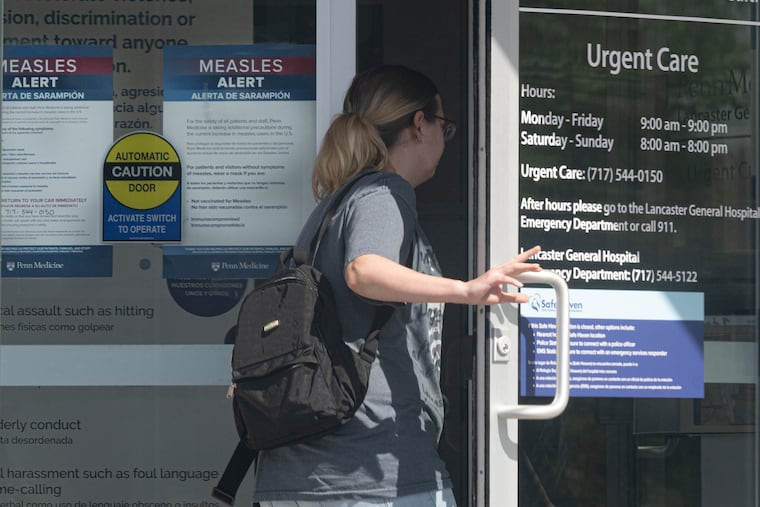
- Penn State Health Golisano Children’s Hospital: Utilizing prominent signage to instruct potentially exposed individuals to call for phone triage rather than entering waiting areas directly.
- Lancaster General Health: Utilizing the “ChildProtect” program to provide free vaccinations to uninsured children, particularly in remote and rural areas.
- For Parents and Guardians: Ensure your children are up to date on their MMR vaccine schedule. The CDC recommends the first dose at 12–15 months and the second dose at 4–6 years. In outbreak areas, the CDC does recommend an early dose for infants between 6 and 11 months.
- For Travelers: If you have recently traveled through Philadelphia International Airport or visited major medical centers like CHOP in September 2026, monitor yourself for symptoms such as high fever, cough, or a spreading rash.
- If You Feel Ill: If you or a family member develops a fever and a rash, do not walk directly into a doctor’s office or emergency room. Contact your healthcare provider by phone first to arrange for triage and prevent spreading the virus to others in the waiting area.
- For the Uninsured: Programs like ChildProtect in Lancaster and free clinics in Chester County are available to provide vaccinations to those without coverage.
- The Accuracy of Case Counts: Some medical experts, including Dr. John Goldman, suggest that the official case counts may be an underestimation because not all symptomatic individuals are being tested.
- The Cause of Death: The debate over whether the Lancaster County infants died of measles or from complications related to measles remains a point of contention between the state coroner and federal officials.
- The Role of Misinformation: There is an ongoing debate regarding how much the current outbreak is driven by declining vaccination rates due to political rhetoric versus other socioeconomic factors.
- Federal Cooperation: It remains unclear whether the CDC will change its mortality tracking methodology or acknowledge the Pennsylvania deaths to facilitate the request for Epi-Aid assistance.
- The Bloomsburg Fair Clinic: A scheduled free MMR vaccination clinic will take place at the Bloomsburg Fair in Columbia County from September 26 to October 3, 2026.
- Expansion of Pop-up Clinics: The Pennsylvania Department of Health has indicated that dozens of additional vaccine clinics will be scheduled based on community interest and need.
- CDC Response: Whether the CDC will yield to the state’s ultimatum regarding the Epi-Aid request will determine the level of technical expertise available to Pennsylvania in the coming months.
- Vaccination Rate Data: Monitoring whether the August spike in MMR administration translates into a long-term increase in community immunity.
- www.inquirer.com
- www.theguardian.com
- abcnews.com
- www.theguardian.com
What Happened: A State Under Siege
On Friday, September 26, 2026, the Pennsylvania Department of Health (DoH) announced that 55 new measles cases had been reported in the state since the previous Wednesday. This recent surge is part of a broader, accelerating trend that has seen the state’s total case count climb to 890 confirmed cases across 39 counties this year.
According to state data, the outbreak has led to 173 hospitalizations and four measles-associated deaths. The impact is particularly acute among younger populations; the DoH reported that 31% of all cases have occurred in individuals under the age of 18. Furthermore, the virus is finding fertile ground in under-vaccinated communities, with fewer than 1% of the infected individuals having been vaccinated against the disease.
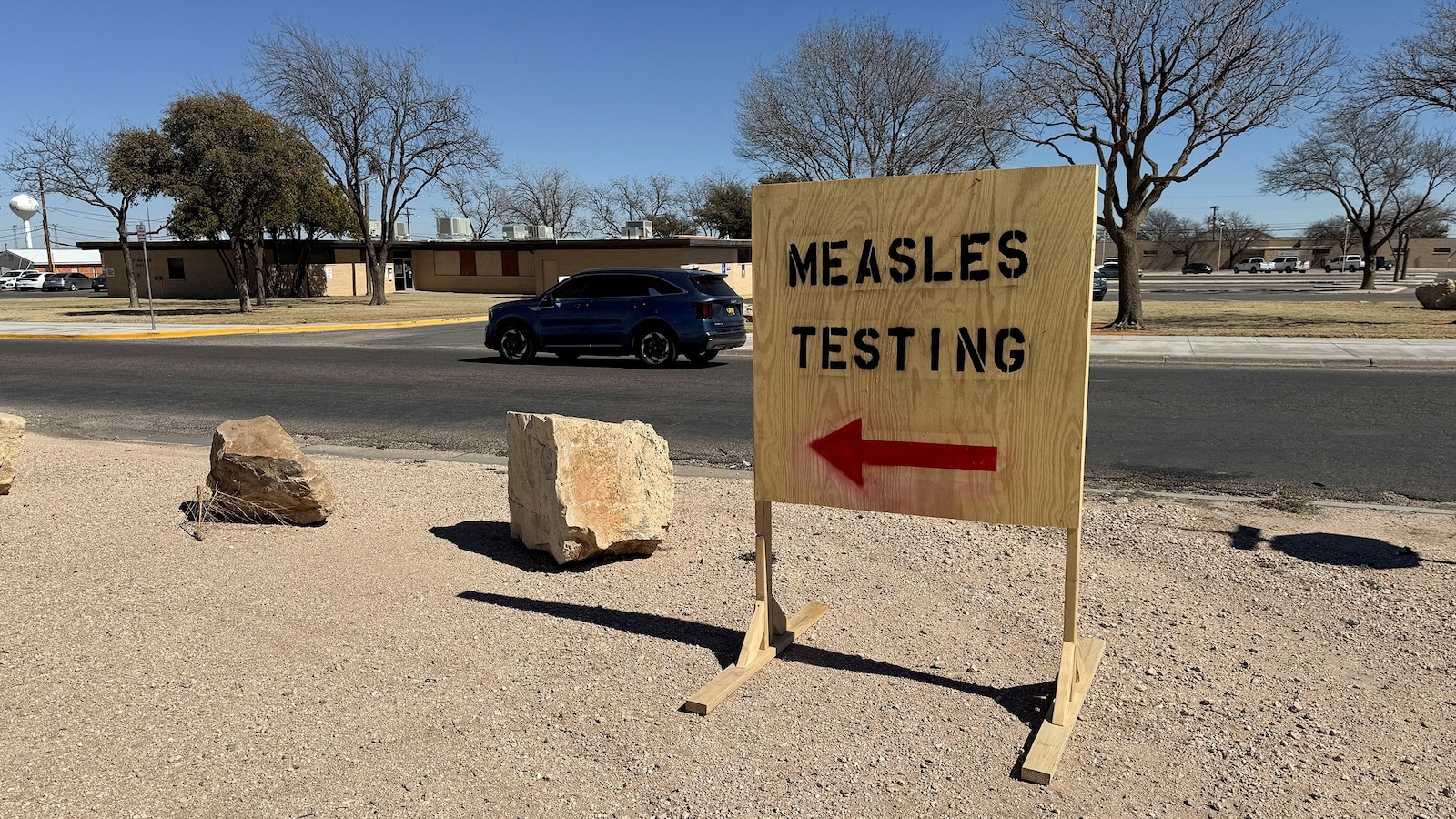
The current outbreak, which began in late April 2026, represents one of the most significant resurgences of the virus in the United States in over three decades. While measles was declared eliminated from the U.S. in 2000, the virus has re-emerged due to declining vaccination rates and increased community spread in specific regions.
Why It Matters: The High Stakes of Contagion
The severity of the Pennsylvania measles outbreak is driven by the inherent biology of the measles virus. According to the Centers for Disease Control and Prevention (CDC), measles is a highly contagious respiratory virus that can spread through coughing and sneezing. Crucially, the virus can remain active and infectious in an airspace for up to two hours after an infected person has left the area.
For those who are unvaccinated, the risk of infection is exceptionally high. The CDC notes that measles can infect up to 9 in 10 unvaccinated people who are exposed to the virus. This high rate of transmission makes achieving the 95% herd immunity threshold—the level required to protect the most vulnerable members of a community—a massive public health challenge.
Beyond the immediate risk of infection, the medical complications can be life-threatening. The DoH stated that while death from measles is rare, it occurs in approximately one to three patients per 1,000 cases. Common symptoms that often precede serious complications include high fever, cough, runny nose, and red, watery eyes, followed by a characteristic rash that spreads down the body. In some instances, patients have also presented with respiratory distress and gastrointestinal symptoms, including hepatitis.
Regional Impact and Case Distribution
The outbreak is not uniform across the state. Certain counties have emerged as significant clusters, requiring targeted interventions and mobile vaccination clinics.
| County | Reported Cases (2026) | Status/Notes |
|---|---|---|
| Lancaster County | 359 | State epicenter; highest case count |
| Mifflin County | 93 | Includes one reported death |
| Chester County | 76 | Significant cluster; hosting free clinics |
| Montgomery County | 3 | Noted as part of a separate winter outbreak |
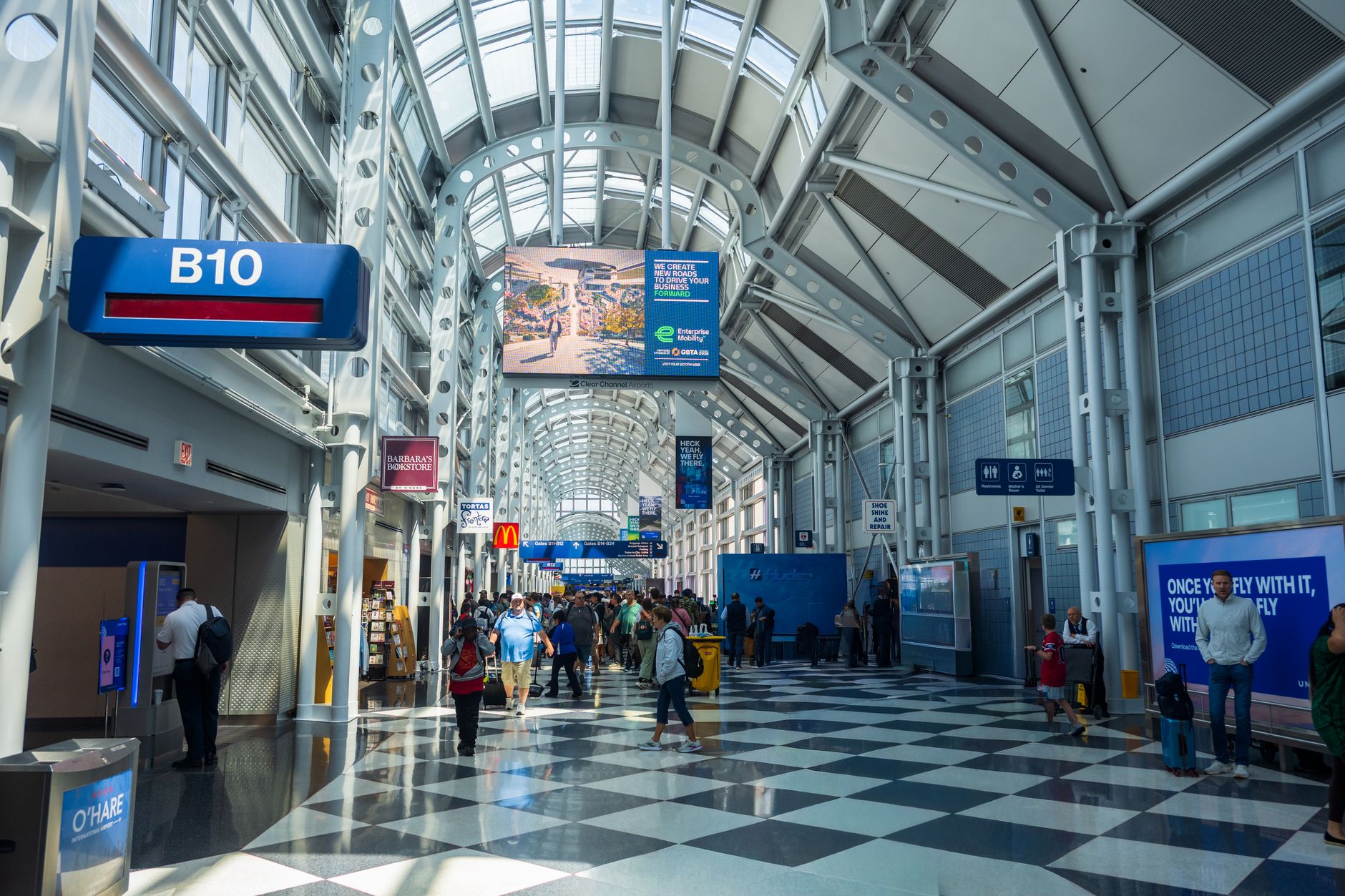
While Lancaster County is the primary epicenter, the reach of the virus has been felt in metropolitan areas as well. In September 2026, significant exposures were reported at the Children’s Hospital of Philadelphia (CHOP), involving a neonatal intensive care unit (NICU), and at Philadelphia International Airport, specifically within the connecting areas for Terminals B, C, D, and E.
Mortality and Medical Nuance
The reported deaths in Pennsylvania have become a flashpoint for both medical debate and political maneuvering. The four confirmed deaths include:

This medical nuance—the distinction between a direct viral death and a death caused by a complication exacerbated by the virus—has become central to the disagreement between state and federal health authorities.
A Political Standoff Over Data and Transparency
The Pennsylvania measles outbreak has moved beyond a public health crisis into a high-stakes political conflict. At the center of the dispute is Robert F. Kennedy Jr., the U.S. Secretary of Health and Human Services (HHS), and Pennsylvania Governor Josh Shapiro.
Secretary Kennedy, a longtime vaccine skeptic, has used social media to cast doubt on the mortality data provided by the state. He suggested that some of the deaths might have been “altogether fabricated” for political purposes. While he later partially retracted this, acknowledging at least one death was caused by measles, the damage to the relationship between state and federal agencies has been profound.
In response, Governor Shapiro has accused the federal administration of spreading misinformation that actively contributes to declining vaccination rates. “Incompetence is denying the tragedy of four measles-associated deaths in Pennsylvania,” Shapiro stated on X (formerly Twitter) in response to criticisms from the White House.
Adding to the tension, the CDC has not included these four deaths in its official national measles outbreak data dashboard. CDC officials have suggested that the state has not been fully cooperative, noting that Pennsylvania has not formally requested assistance from the Epi-Aid program, a technical expertise resource used by other states facing similar crises.
However, Pennsylvania Health Secretary Debra Bogen has issued a direct ultimatum to the CDC. In a formal letter to CDC Director Erica Schwartz, Bogen stated that the state would rescind its request for Epi-Aid assistance unless the agency transparently and accurately communicates the four measles-associated deaths in its public reporting. Bogen argued that the CDC’s refusal to recognize these deaths undermines the state’s ability to manage the outbreak effectively.
Clinical Realities: The Front Lines of the Outbreak
Healthcare providers across Pennsylvania are reporting a dramatic shift in the prevalence of the disease. Dr. John Goldman, an infectious disease specialist for the University of Pittsburgh Medical Center (UPMC), noted that the disease has transitioned from something he had rarely seen in 30 years to something that is now “common, where we’re seeing it literally every day.”
To prevent nosocomial (hospital-acquired) spread, hospitals have implemented aggressive screening protocols:
Physicians have also noted complex social dynamics. Dr. Goldman reported anecdotal evidence of “semi-clandestine vaccination,” where individuals receive the MMR vaccine but do not inform their social circles to avoid judgment in communities that discourage vaccination.
Vaccination Trends and the Path to Herd Immunity
Despite the rise in cases, there has been a notable recent uptick in demand for the measles, mumps, and rubella (MMR) vaccine. While vaccination rates had been declining for years, the current crisis has prompted a surge in proactive immunization.
In August 2026, healthcare providers administered over 46,000 MMR doses, nearly double the typical monthly average of approximately 25,000. Since the outbreak began in April, the state has deployed 148 pop-up vaccination clinics, which have administered more than 4,800 MMR doses to date.
Health officials emphasize that the MMR vaccine is the most effective defense. According to the DoH, one dose provides approximately 93% effectiveness, while two doses provide 97% lifetime protection. The goal for state health officials remains reaching the 95% herd immunity threshold to halt community transmission.
What It Means for You
If you are a resident of Pennsylvania, particularly in Lancaster, Mifflin, or Chester counties, the following practical implications apply:
Counterpoints and Open Questions
While the state’s data is robust, several questions and competing views remain:
What Happens Next
Several key developments to watch in the coming weeks include:
Frequently Asked Questions
What are the most common symptoms of measles?
Symptoms typically appear 7 to 14 days after infection. They include a high fever, cough, runny nose, and red, watery eyes (conjunctivitis). This is usually followed by a rash that begins on the face and spreads downward across the body. Some patients may also experience gastrointestinal issues.
How effective is the MMR vaccine?
According to the CDC and the Pennsylvania Department of Health, a single dose of the MMR vaccine is approximately 93% effective. Receiving the full recommended course of two doses provides approximately 97% lifetime protection against the virus.
How does measles spread?
Measles is highly contagious and spreads through respiratory droplets when an infected person coughs or sneezes. The virus is so resilient that it can remain suspended in the air or on surfaces for up to two hours after an infected person has left the area.
Why is Lancaster County the epicenter?
Lancaster County has reported the highest number of cases in the state, with 359 confirmed instances. This concentration is often linked to specific clusters within under-vaccinated communities where the virus can spread rapidly once introduced.
As the Pennsylvania measles outbreak continues to evolve, the intersection of public health necessity and political disagreement remains the primary hurdle in containing the virus and protecting the state’s most vulnerable populations.
References
Featured image: Image via Inquirer.com