
The sudden Yemen military collapse on the nation’s western coast has triggered a bitter political inquest, leaving the UN-recognized government scrambling to understand how a decisive assault on Houthi-controlled territory dissolved into a massive military rout.
Key Takeaways
- Massive Defeat: More than 15 brigades were defeated, resulting in the Houthi takeover of Yemen’s entire western coastline.
- Allegations of Corruption: Some Yemeni politicians claim billions of dollars were offered to forces to abandon their defensive positions.
- Strategic Loss: The retreat threatens control of the Kahbob mountains and the vital Bab al-Mandab strait, a critical global maritime artery.
- Command Crisis: The National Resistance Forces, led by Tareq Saleh, claim a “tactical retreat,” while local activists describe the event as a “cowardly betrayal.”
- Houthi Sophistication: The Houthis have demonstrated increased military independence, utilizing indigenous weapon-making and Iranian-backed intelligence.
- Poor Command and Control: There are concerns that inadequate communication networks led to slow decision-making during the height of the Houthi assault.
- Intelligence Superiority: The Houthis appear to have benefited from high-level intelligence, potentially allowing them to strike key command centers like Jabal al-Nar with precision.
- Internal Divisions: The anti-Houthi coalition is notoriously fragmented, with various factions—including those influenced by Saudi commanders and those with ties to southern separatists—often working at cross-purposes.
- Was the retreat truly tactical? While Saleh claims the retreat was necessary to avoid encirclement, the sheer scale of the loss—30,000 fighters and 15 brigades—suggests a failure of planning that goes beyond mere tactics.
- Is the bribery claim substantiated? Without a clear source for the alleged billions of dollars, the claim remains speculative, though it highlights the deep-seated distrust within the Yemeni government.
- Can the Houthi gains be reversed? Some reports suggest that a limited force from the Giants Brigades managed to repel Houthi advances in the days prior to the fall of Mocha. However, the withdrawal of neighboring units effectively neutralized this momentum.
- The Formation of the “Tihami Resistance”: Tareq Saleh has announced the creation of this new group, which is intended to be entirely independent of existing national forces. The success or failure of this group will be a litmus test for anti-Houthi unity.
- Reorganization of Government Forces: Efforts are currently underway to reorganize the UN-backed forces with the specific goal of recapturing the Kahbob mountains.
- Houthi Consolidation: Watch for whether the Houthis use their new coastal control to launch further incursions or to tighten their grip on maritime security in the Red Sea.
- www.theguardian.com
What Happened: The Rout on the West Coast
On September 10, 2026, what was intended to be a decisive offensive by anti-Houthi forces against the capital of Sana’a instead culminated in a rapid and chaotic retreat. The military operation, which aimed to secure the western coast and push back Houthi advances, collapsed within hours, leaving the Houthi movement in control of the country’s entire western coastline.
According to reports from the ground, the Houthi forces successfully captured the headquarters of the National Resistance Forces on the high ground of Jabal al-Nar, also known as Fire Mountain. This strategic position was expected to house six military brigades and a significant array of sophisticated weaponry provided by Saudi Arabia. Instead, the position fell quickly.
Abdu Mukabib, a resident of the port city of Mocha, provided a grim account of the withdrawal on his Facebook page. He stated that by the time Houthi fighters entered the city at 6:00 a.m., the defending forces had dwindled to fewer than 20 personnel, consisting of only two military vehicles and four motorcycles. Mukabib characterized the withdrawal not as a result of insufficient supplies or equipment, but as a “cowardly and shameful withdrawal” that has caused profound “humiliation” for those who trusted the defending units.
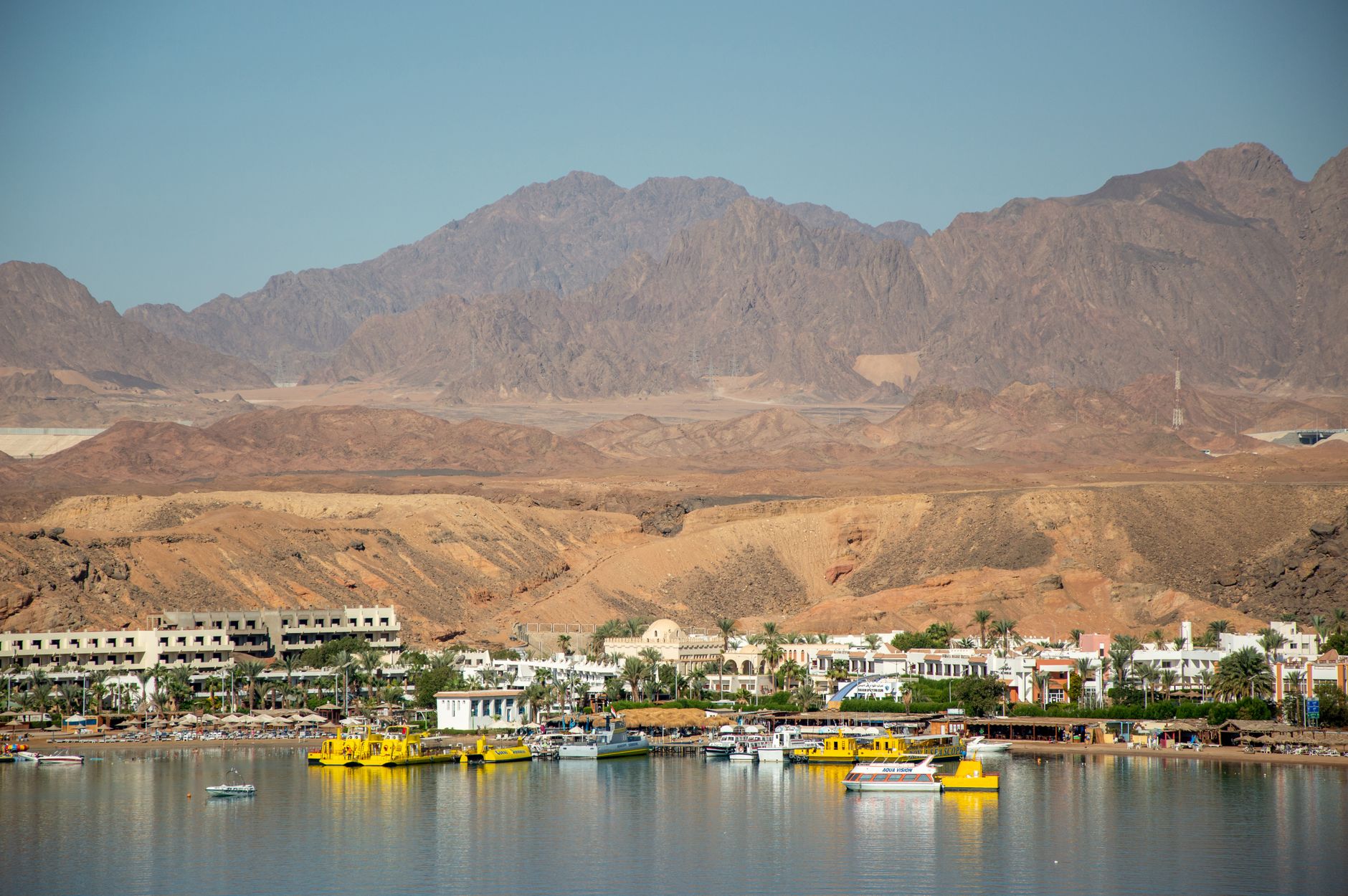
In response to the chaos, the National Resistance Forces, led by Tareq Saleh, have defended their actions, maintaining that the movement made a “necessary tactical retreat” to prevent total encirclement and following the reported deaths of 500 soldiers.
Why It Matters: The Battle for the Bab al-Mandab
The implications of this military failure extend far beyond the borders of Yemen. The loss of the western coast directly impacts the security of the Bab al-Mandab strait, a narrow waterway that serves as one of the world’s most critical maritime chokepoints.
Control of the coastal regions and the nearby Kahbob mountains allows the Houthis to exert significant influence over maritime traffic entering and exiting the Red Sea. This proximity to the strait places global shipping lanes—and by extension, the global economy—at the mercy of a group that has already demonstrated a capacity to harass maritime traffic using low-cost drone technology.
The collapse of these fronts has also fundamentally altered the balance of power within the anti-Houthi coalition. The loss of 30,000 well-equipped fighters during the retreat has raised urgent questions regarding the coordination, readiness, and fundamental morale of the forces representing the UN-recognized Yemeni government.
Deep-Dive: The Inquest into Alleged Betrayal
As the dust settles on the western coast, a fierce political battle is erupting over the cause of the defeat. The central question is whether the rout was a result of military incompetence or a deliberate act of corruption.
The Bribery Allegations
Some Yemeni politicians have made the explosive claim that billions of dollars were offered to the forces defending the west coast to persuade them to abandon their positions. The governor of Hadramaut, one of Yemen’s largest and most influential governorates, made these claims but did not specify the source of the funds.
While no direct evidence has been independently verified, political observers have pointed to the complex web of regional interests in Yemen. Some have attempted to link these claims to the past involvement of the United Arab Emirates (UAE) with the National Resistance Forces. Although the UAE officially left Yemen in January, tensions remain high between the UAE and Saudi Arabia over the role of the Southern Transitional Council (STC) and the broader direction of the conflict.
Command and Intelligence Failures
Beyond the allegations of bribery, military analysts are investigating several other potential causes for the collapse:

The Evolution of Houthi Military Power
One of the most significant factors in this recent victory is the transformation of the Houthi movement from a localized insurgent group into a sophisticated, modern army. While they have long been viewed as a proxy for Iran, the Houthis are increasingly demonstrating a level of operational autonomy.
Indigenous Infrastructure
According to recent observations, the Houthis have utilized their decade-long control of key regions and occasional financial infusions to develop their own indigenous weapon-making infrastructure. This has reduced their reliance on direct shipments from Iran, allowing them to produce and deploy ballistic missiles and drones locally.
Asymmetric Warfare
By embracing the “cut-price” nature of modern warfare, the Houthis have successfully used cheap, mass-produced drones to harass expensive maritime assets. This asymmetric approach allows them to project power far beyond their traditional territorial holdings, making them a much more formidable adversary than they were at the start of the civil war.
Iranian officials have consistently maintained that the Houthis are not a simple proxy force, asserting that they possess their own unified command structure and distinct set of political priorities.
Stakeholder Perspectives and Reactions
The collapse has drawn sharp criticism from various political and humanitarian leaders within Yemen.
| Stakeholder | Position/Reaction | Key Quote/Claim |
|---|---|---|
| Tawakkol Karman | Nobel Peace Prize winner; calling for a formal investigation. | Called for a full investigation into the military failure. |
| Abdu Mukabib | Mocha resident and political activist; views the retreat as betrayal. | Described it as a “cowardly and shameful withdrawal.” |
| Tareq Saleh | Leader of National Resistance Forces; defends the retreat. | Claims the retreat was a “necessary tactical” move. |
| Dr. Abdulwahab al-Awaj | Professor at Taiz University; emphasizes coordination breakdown. | “The Houthis exploited this breakdown more than any decisive military superiority.” |
What It Means for You
The implications of the Yemen military collapse are not limited to the Middle East; they have practical consequences for various global groups:
For Global Consumers and Investors
If you are involved in global trade or monitor energy markets, expect increased volatility in shipping costs and insurance premiums. The Houthi ability to threaten the Bab al-Mandab strait can lead to longer transit times for goods traveling through the Suez Canal, potentially driving up the cost of consumer goods and fuel.
For Geopolitical Analysts
Expect a significant shift in how regional powers like Saudi Arabia and the UAE manage their influence in Yemen. The failure of the current anti-Houthi formations may force a complete restructuring of the coalition and a re-evaluation of the security architecture in the Red Sea.
For Humanitarian Organizations
If you work in international aid, expect a surge in displacement. The recent reignition of war has already displaced an estimated 125,000 people, and the Houthi gains on the coast are likely to trigger further movement of civilians away from conflict zones.
Counterpoints and Open Questions
While the narrative of a “betrayal” is gaining traction, several critical questions remain unanswered:

What Happens Next
As the Yemeni government and Saudi forces review the lessons of this defeat, several key developments to watch include:
Frequently Asked Questions
What caused the Yemen military collapse?
The collapse is attributed to a combination of factors, including alleged corruption (claims of billions in bribes), poor command and control communications, high-level Houthi intelligence, and deep divisions within the anti-Houthi coalition. While some leaders claim it was a tactical retreat to avoid encirclement, others describe it as a total breakdown in coordination and morale.
Who are the Houthis?
The Houthis (officially known as Ansar Allah) are a militant group that currently controls much of northern Yemen, including the capital, Sana’a. They have evolved from a local movement into a sophisticated military force with indigenous weapon-making capabilities and strong intelligence links to Iran, though they maintain their own independent command structure.
Why is the Bab al-Mandab strait important?
The Bab al-Mandab strait is a vital maritime chokepoint connecting the Red Sea to the Gulf of Aden and the Indian Ocean. It is a primary route for global oil and commercial shipping passing through the Suez Canal. Control over the adjacent coastline allows forces to threaten or protect international maritime trade.
What is the Tihami Resistance?
The Tihami Resistance is a new military group being formed by Tareq Saleh. It is intended to operate independently of the existing Yemeni national forces, potentially as a response to the perceived failures and lack of trust within the current anti-Houthi coalitions.
—
References
Featured image: Photo by Eslam Mohammed Abdelmaksoud on Pexels