A groundbreaking warning from a leading heart doctor suggests that the everyday foods many of us consume could be significantly more detrimental to our health than smoking, potentially shortening our lives. This urgent message highlights the escalating dangers of ultra-processed foods (UPFs), linking their widespread consumption to an increased risk of severe cardiovascular issues, premature death, and a silent health crisis now impacting even young, seemingly healthy adults. Understanding the science behind this startling claim and adopting actionable strategies can be the first step toward safeguarding your long-term well-being.
The Alarming Rise of Ultra-Processed Foods (UPFs)
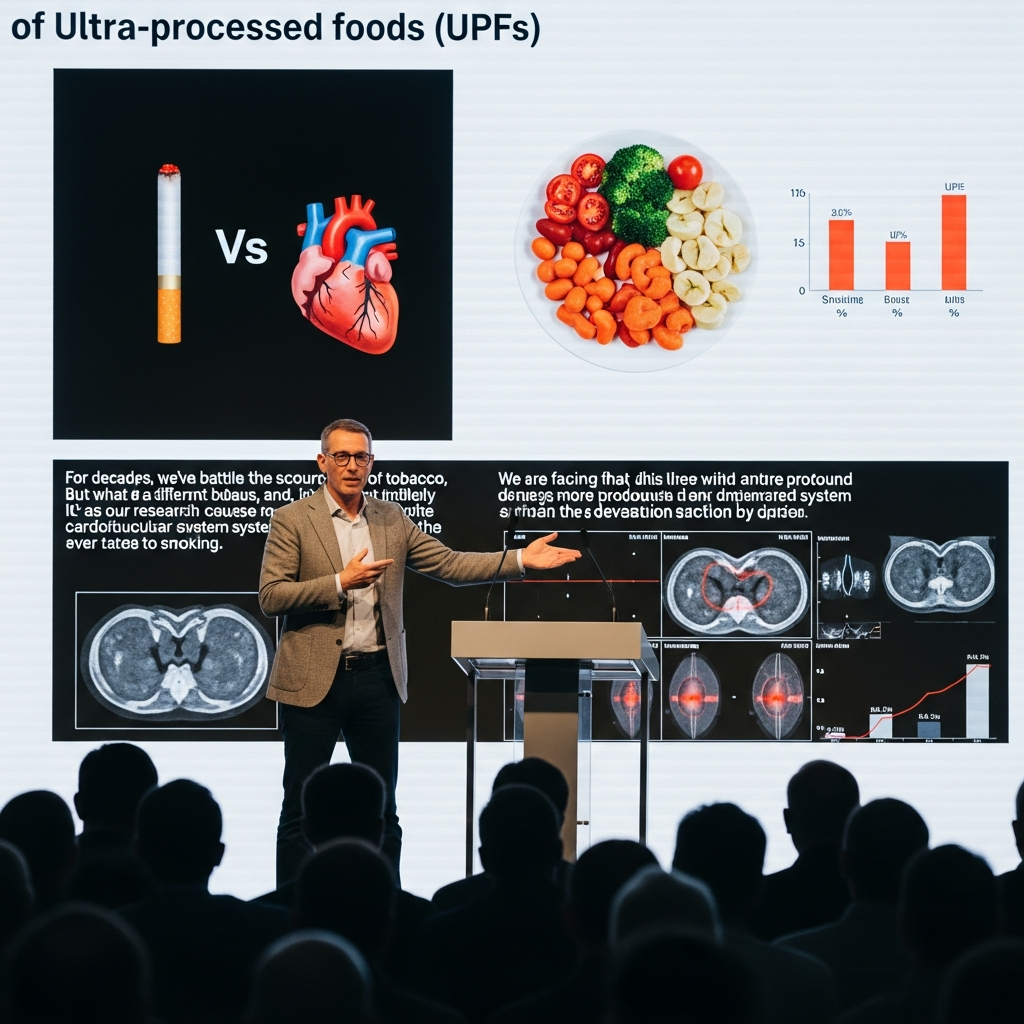
Dr. Jeremy London, a cardiovascular surgeon with over 25 years of experience, issued a stark warning following his own heart attack in 2022. Based in Georgia, Dr. London emphasizes that our current dietary choices profoundly dictate our future health. At the top of his danger list are ultra-processed foods – industrial products characterized by their lack of real nutritional value and abundance of additives. These items are engineered for maximum taste, convenience, and corporate profit, often containing ingredients “your grandmother wouldn’t have in her kitchen.”
UPFs encompass a vast array of common items: mass-produced bread, sugary drinks, pre-packaged snacks, fast food, and ready meals. They are distinct from minimally processed foods because their ingredients are primarily of industrial origin, often including high fructose corn syrup, hydrogenated oils, modified starches, and cosmetic additives like artificial flavors, colors, and emulsifiers. These components are designed to enhance sensory appeal, extend shelf life, and create a “hyper-palatable” experience that encourages overconsumption.
Decoding the Health Impact of UPFs
The scientific evidence linking UPFs to adverse health outcomes is compelling. Dr. London cites research indicating a concerning correlation: “for every 10 percent increase in ultra-processed foods that is consumed, there is a 10 percent increased risk in mortality.” He dramatically states, “the longer the shelf life, the shorter your life.” The health issues associated with high UPF intake are extensive and include:
Cardiovascular Disease: Greater risk of high blood pressure, heart attacks, and strokes.
Metabolic Disruption: Issues with glucose and sugar metabolism, leading to increased hemoglobin A1C levels and elevated triglycerides.
Systemic Inflammation: Widespread full-body inflammation, a root cause of many chronic diseases.
Gut Microbiome Imbalance: Disruptions to the delicate balance of beneficial bacteria in the gut, impacting digestion, immunity, and mental health.
NHS doctor Chris van Tulleken further amplifies this concern, declaring that ultra-processed foods have “overtaken tobacco as the leading cause of early death on planet Earth.” This comparison underscores the sheer scale of the public health crisis posed by UPFs, likening their addictive nature and widespread harm to that of smoking.
The Silent Epidemic: Heart Disease in Young Adults
Traditionally associated with older populations, heart attacks and heart failure are increasingly affecting young, seemingly healthy individuals. Dr. Pratik Giri, a Consultant Cardiologist in Mumbai, notes that “apparent health” often conceals undiagnosed underlying risk factors. An AIIMS-ICMR study in 2025 revealed that undiagnosed heart disease accounts for 42.6% of sudden deaths among young Indians aged 18–45.
Atherosclerotic cardiovascular disease (ASCVD), the gradual buildup of fatty material on artery walls, often progresses silently in its early stages. Symptoms may only appear during extreme exertion when blockages are significant, or even worse, a plaque can rupture without prior warning, leading to a major cardiac event. This highlights why dietary choices, especially the consumption of UPFs, are critical from a young age. Beyond diet, lifestyle factors such as smoking (including e-cigarettes), drug abuse, physical inactivity, chronic stress, irregular sleep, and excessive alcohol also contribute significantly to this rising risk among youth.
Treating UPF Consumption Like an Addiction
Given the pervasive nature and addictive qualities of UPFs, Dr. Chris van Tulleken suggests a radical approach: treating their consumption much like giving up smoking. On Steven Bartlett’s “Diary of a CEO” podcast, he drew parallels with nicotine patches, proposing that recognizing UPFs as an addictive substance could be profoundly helpful for individuals struggling with obesity and related health issues. His advice is counterintuitive but insightful: “Don’t forbid this stuff. Let yourself wallow in it and read the ingredients list while you eat.” He believes this practice will reveal the consistent, engineered flavor profile – equally salty, sugary, sweet, and acidic – across many UPFs, eventually leading to a natural disgust and a desire to choose healthier options.
Beyond Avoidance: Cultivating a Heart-Healthy Diet
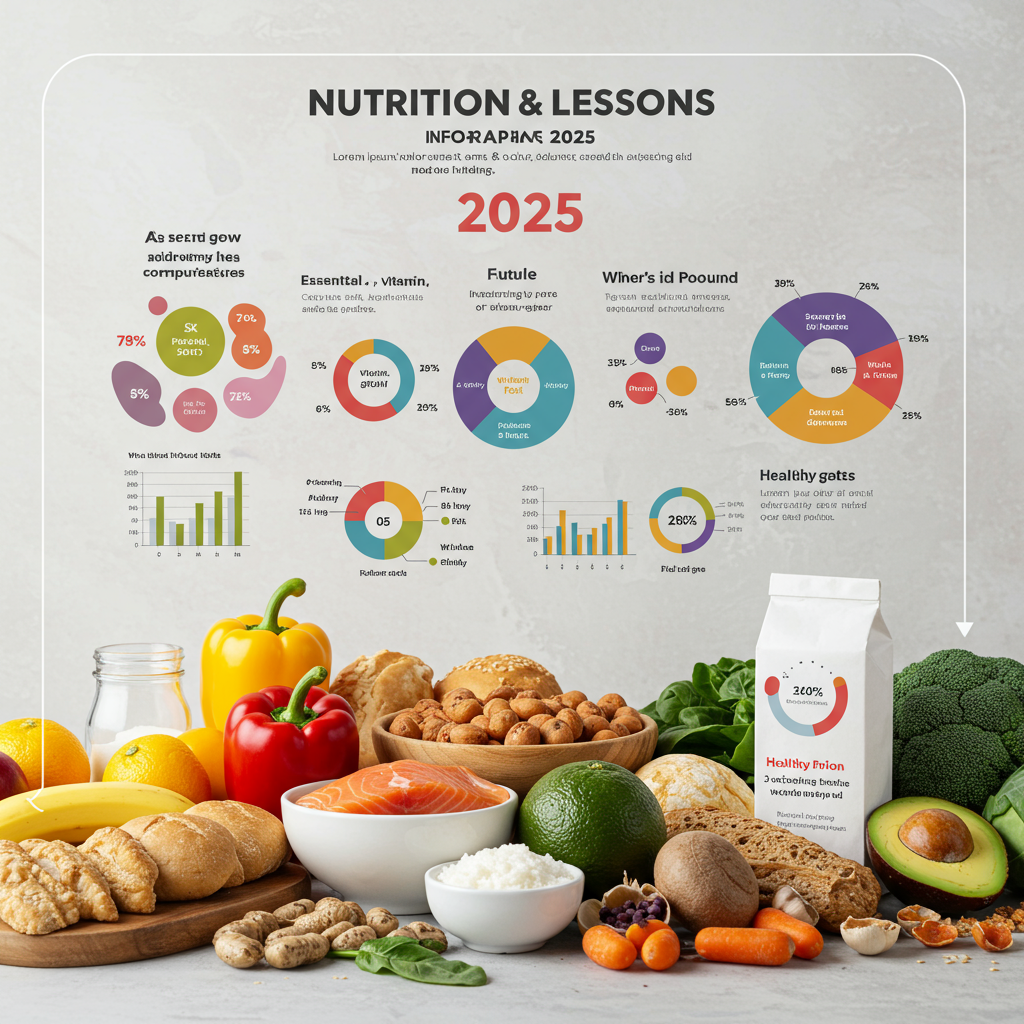
While understanding what to avoid is crucial, focusing on what to include in your diet offers an empowering path to better health. Victoria Taylor, a Senior Dietitian at the British Heart Foundation (BHF), advocates for adopting a Mediterranean-style diet. This approach prioritizes minimally or unprocessed foods such as:
Plenty of Fruits and Vegetables: A diverse range of colors ensures a broad spectrum of nutrients.
Fish: Especially oily varieties rich in omega-3s.
Nuts and Seeds: Excellent sources of healthy fats, fiber, and protein.
Beans and Lentils: Plant-based protein and high fiber content.
Whole Grains: Such as oats, quinoa, and brown rice, over refined grains.
Cardiologists themselves are shifting focus from solely restrictive eating to encouraging the consistent consumption of specific nutrient-dense “superfoods.” These include:
Berries: Fresh or frozen, high in fiber, phytonutrients, and antioxidants that improve blood flow. Their natural sweetness also helps curb cravings.
Nuts: Rich in unsaturated fats, fiber, and beneficial plant compounds. Eating them before a meal can help stabilize blood sugar spikes and reduce inflammation.
Dark Leafy Greens: Kale, spinach, and lettuce, along with cruciferous (broccoli, cabbage) and allium vegetables (onions, leeks), are packed with nutrients vital for cardiovascular health.
Oily Fish: Salmon, mackerel, and herring are prime sources of omega-3 fats (DHA and EPA), offering protection against heart disease. Ensure responsible sourcing when possible.
A diet high in fiber is universally recommended, as it lowers “bad” cholesterol, reduces blood pressure, manages blood sugar, and decreases inflammation, significantly lowering the risk of heart attack or stroke.
The Role of Omega-3 Supplements
Given the benefits of oily fish, many people consider Omega-3 supplements. Dr. Karan Rajan emphasizes that dietary intake is always preferable, with the NHS recommending two portions of oily fish weekly. However, if consistent intake is challenging, certain groups might benefit from supplementation: vegans/vegetarians, those with low oily fish consumption, and individuals with high triglyceride levels.
When choosing supplements, Dr. Rajan advises looking for “third-party tested” capsules that clearly state the specific combined dosage of EPA and DHA, ideally between 250 to 500mg. It’s crucial to consult a doctor before starting or stopping supplements, especially considering a 2024 BMJ study. While this research found an association between fish oils and an increased risk of atrial fibrillation, heart attack, stroke, and heart failure in healthy adults, it also noted a significant positive effect in high-risk groups, where supplements lowered the risk of progression from existing conditions.
The Broader Picture: Other Silent Threats to Your Heart
While diet plays a monumental role, heart health is a multifaceted issue. Chronic work stress, for example, is another modern health threat equated to being “worse than smoking.” Continuous demands, tight deadlines, and the pressure of constant availability can lead to elevated cortisol, burnout, and serious heart issues, often manifesting in one’s 40s. A tech worker’s doctor reportedly warned him that his job stress was “showing up in his body,” leading to weight gain and symptoms like a racing heartbeat. This underscores the critical need for work-life balance, setting boundaries, and prioritizing mental and emotional well-being as integral components of heart health.
Proactive Heart Health: The Power of Prevention
Preventative measures are paramount, particularly for young individuals with identified risk factors like diabetes, hypertension, obesity, a history of smoking, sedentary lifestyles, unhealthy diets, high stress, poor sleep, or a family history of premature heart disease. Regular heart check-ups, including basic screenings for blood pressure, blood sugar, and cholesterol, are crucial. Further diagnostics like ECGs, echocardiography, or treadmill stress tests may be recommended based on individual risk. Advanced non-invasive techniques such as CT Coronary Calcium Scoring can detect hidden blockages before a critical event occurs.
A holistic approach to heart health involves:
Regular Exercise: Consistent physical activity strengthens the heart.
Balanced Diet: Emphasizing whole, unprocessed foods.
Adequate Sleep: Essential for bodily repair and regulation.
Effective Stress Management: Techniques like mindfulness, meditation, or hobbies.
Abstinence from Tobacco and Illicit Drugs: Eliminating known cardiovascular toxins.
- Periodic Health Check-ups: Early detection and intervention.
- www.ladbible.com
- www.foodbible.com
- www.hindustantimes.com
- www.ladbible.com
- timesofindia.indiatimes.com
Frequently Asked Questions
What exactly qualifies as an ultra-processed food and why are they so harmful?
Ultra-processed foods (UPFs) are industrial products engineered for taste and convenience, containing little real nutrition. They’re made with ingredients mostly of industrial use, like high fructose corn syrup, hydrogenated oils, artificial flavors, and emulsifiers, which would typically not be found in a home kitchen. UPFs are harmful because they disrupt glucose metabolism, increase inflammation throughout the body, imbalance the gut microbiome, and are strongly linked to a higher risk of cardiovascular disease, obesity, and premature death, with a 10% increase in UPF consumption correlating to a 10% increased mortality risk.
What specific dietary changes can I make to improve my heart health and reduce UPF intake?
To improve heart health and reduce UPF intake, prioritize a Mediterranean-style diet rich in minimally processed foods. Focus on consuming plenty of fruits, vegetables, fish (especially oily varieties like salmon), nuts, seeds, beans, lentils, and whole grains (quinoa, brown rice). Incorporate “superfoods” such as berries, various nuts (almonds, walnuts), dark leafy greens (kale, spinach), and other fiber-rich foods. Actively read ingredient lists on packaged goods and choose items with short lists of recognizable ingredients, or better yet, opt for fresh, whole foods.
Should I consider Omega-3 supplements for heart health, and what should I look for?
While obtaining Omega-3 fatty acids from dietary sources like oily fish (salmon, mackerel) is always preferred, supplementation may be beneficial for certain groups, including vegans/vegetarians, those with low oily fish intake, or individuals with high triglyceride levels. If considering supplements, look for “third-party tested” capsules that clearly state the combined dosage of EPA and DHA, aiming for 250-500mg. Always consult your doctor before starting or discontinuing any supplements, especially given research suggesting potential risks for otherwise healthy individuals, though benefits have been noted for those with pre-existing heart conditions.
Take Control of Your Heart Health
The startling truth about ultra-processed foods, alongside other modern stressors, presents a clear call to action. It’s not just about avoiding “bad” foods but actively embracing a lifestyle that nourishes your body and mind. By making conscious dietary choices, incorporating heart-healthy foods, managing stress, and committing to regular health screenings, you can significantly reduce your risk of cardiovascular disease and reclaim control over your lifespan. Your heart is a vital engine; choose to fuel it wisely and safeguard its long-term health.