Senator Raphael Warnock (D-Ga.) has issued a stark warning following a recent Supreme Court decision, condemning it as a “devastating blow” to American democracy and civil rights. The ruling, which significantly narrowed a crucial provision of the Voting Rights Act (VRA) of 1965, has ignited fierce debate. Warnock and other civil rights advocates argue this decision threatens to dismantle decades of progress, potentially impacting minority voting power nationwide. He expressed a strong hope for Congress to intervene, reinstating the VRA’s original protections.
The Supreme Court’s Landmark Decision and its Impact
The Supreme Court delivered a 6-3 decision along ideological lines, effectively striking down Louisiana’s congressional map. This map had included a second majority-Black congressional district. The conservative majority deemed the map an unconstitutional racial gerrymander, fundamentally altering how Section 2 of the Civil Rights-era Voting Rights Act can be applied. This shift carries profound implications for future electoral processes and the representation of minority communities.
Narrowing Section 2: A Shift in Legal Interpretation
At the heart of the ruling, Justice Samuel Alito, writing for the majority, asserted that Section 2 of the VRA was intended to enforce, not contradict, the Constitution. He argued that lower courts had, at times, applied Section 2 precedents in a way that compelled states to engage in “race-based discrimination,” which the Constitution forbids. This decision now requires evidence or at least “a strong inference” of discriminatory intent in drawing legislative lines to prove a map unfairly discriminates against minority voters. Legal experts like Stephen Wermiel, a constitutional law professor, highlight that this largely curtails a practice states have used for over 45 years to enhance minority representation. Stuart Naifeh of the NAACP Legal Defense and Educational Fund described the ruling as an “evisceration” of Section 2, often called the “crown jewel of the civil rights movement.” He argues it prioritizes partisanship over essential protections against racial discrimination.
The Shadow of Shelby County v. Holder
This latest Supreme Court decision casts a long shadow, reminiscent of the 2013 ruling in Shelby County v. Holder. That previous decision eliminated Section 5 of the VRA, which had required states with a history of discriminatory voting practices to seek “preclearance” from the federal government before implementing new voting changes. Warnock noted that since the removal of Section 5 protections, states have continued to “play new games,” leading to a widening racial turnout gap, particularly in areas previously covered by pre-clearance. The current ruling, by narrowing Section 2, further weakens the VRA’s ability to combat voter suppression.
Senator Warnock’s Urgent Warning: A Threat to Democracy
Senator Warnock articulated his deep concerns on “Face the Nation,” describing the ruling as “nothing less than a massive and devastating blow — not only to our democracy, but particularly to people of color in the South.” He emphasized that focusing solely on “intent” is misleading and ignores America’s complex racial history. For Warnock, the decision further inflames an already tense redistricting “arms race” across the country.
“21st-Century Jim Crow Tactics”: Real-World Consequences
Warnock did not mince words, labeling post-Section 5 tactics as “21st-century Jim Crow tactics in new clothes.” He cited specific examples of how these tactics disproportionately impact Black and brown citizens. These include moving voter polls, closing polling stations in minority communities, and purging voters from registration rolls without their knowledge. “People literally showing up and not knowing that their names have been purged from the rolls,” he explained, underscoring the real-world frustration and disenfranchisement caused by such practices. The data, he asserts, clearly demonstrates this disproportionate impact.
The Call for Congressional Action: Reinstating Pre-Clearance
In light of the Supreme Court’s decision, Senator Warnock has expressed a clear objective: he hopes Congress will act swiftly to reinstate the VRA’s original pre-clearance requirement. This vital protection, once a cornerstone of the VRA, mandated federal review of voting changes in states with a history of discrimination. Reinstating it would, in Warnock’s view, provide a much-needed defense against new forms of voter suppression.
The Redistricting “Arms Race” and Partisan Battleground
The immediate implications of the Supreme Court’s ruling are already becoming apparent, even as primary voting is underway in various states. Republicans are swiftly urging Southern states to redraw their congressional maps. Louisiana’s governor, for instance, issued an emergency order to halt primary voting for House races following the decision. This creates a volatile environment for upcoming elections.
Louisiana Case: A Precedent for Future Map Challenges
The specific case involving Louisiana’s congressional map sets a significant precedent. By deeming a map with an additional majority-Black district an “unconstitutional racial gerrymander,” the Court has signaled a tougher stance on race-conscious districting. This could empower states to redraw maps that dilute minority voting strength, leading to a “greatest reduction in representation for black and minority voters since the years following reconstruction,” as predicted by Representative Terri Sewell (D-AL) of the Congressional Black Caucus. Legal experts anticipate that this decision will likely prompt the redrawing of congressional maps in several Republican-controlled states, potentially before 2028.
Divided Reactions: Ideological Split on the VRA’s Future
Reactions to the ruling have been sharply divided along ideological lines. Democratic members of Congress and civil rights advocates condemned the decision as a regression to the “darkest days of the Jim Crow era.” Senator Warnock called it “one huge step backwards for racial justice and for the health of our democracy.” Representative Troy Carter (D-LA) rejected “colorblind” principles, recalling historical tactics like literacy tests that masked racial discrimination.
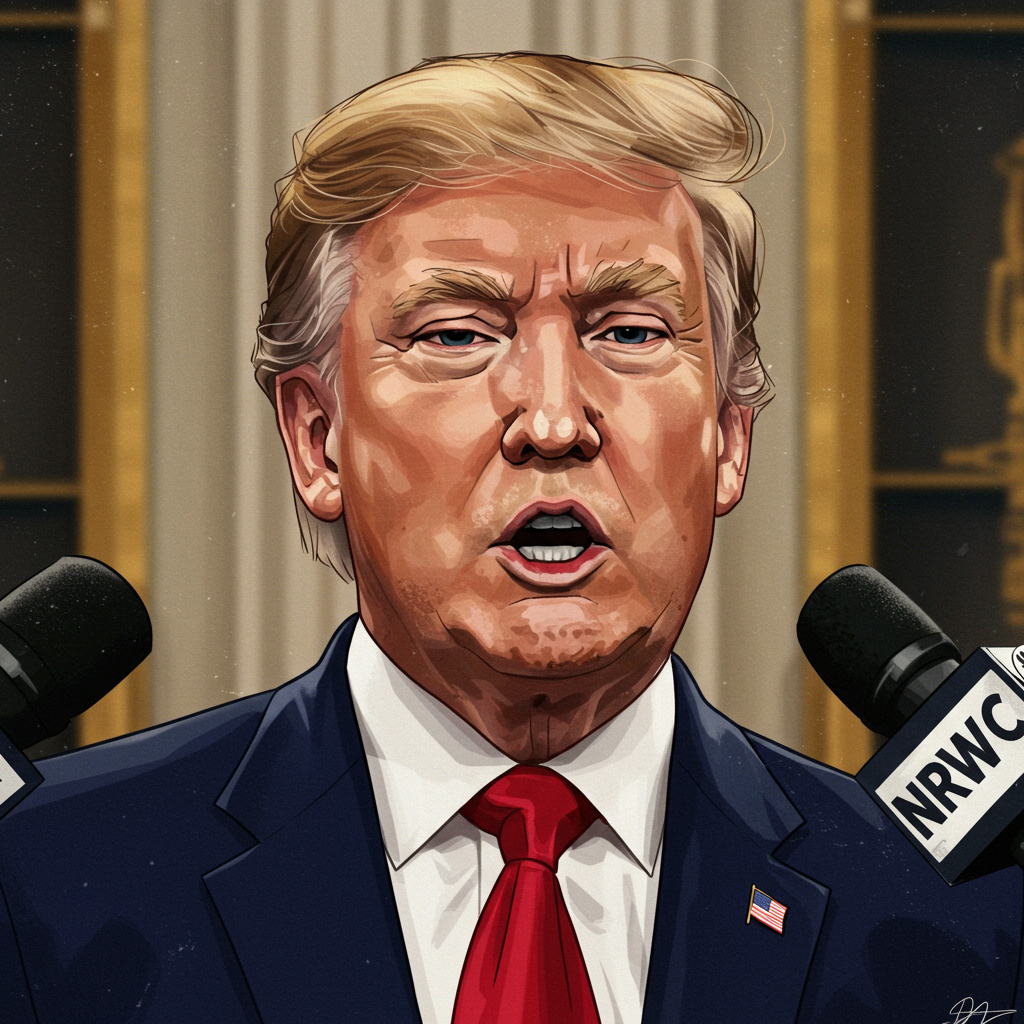
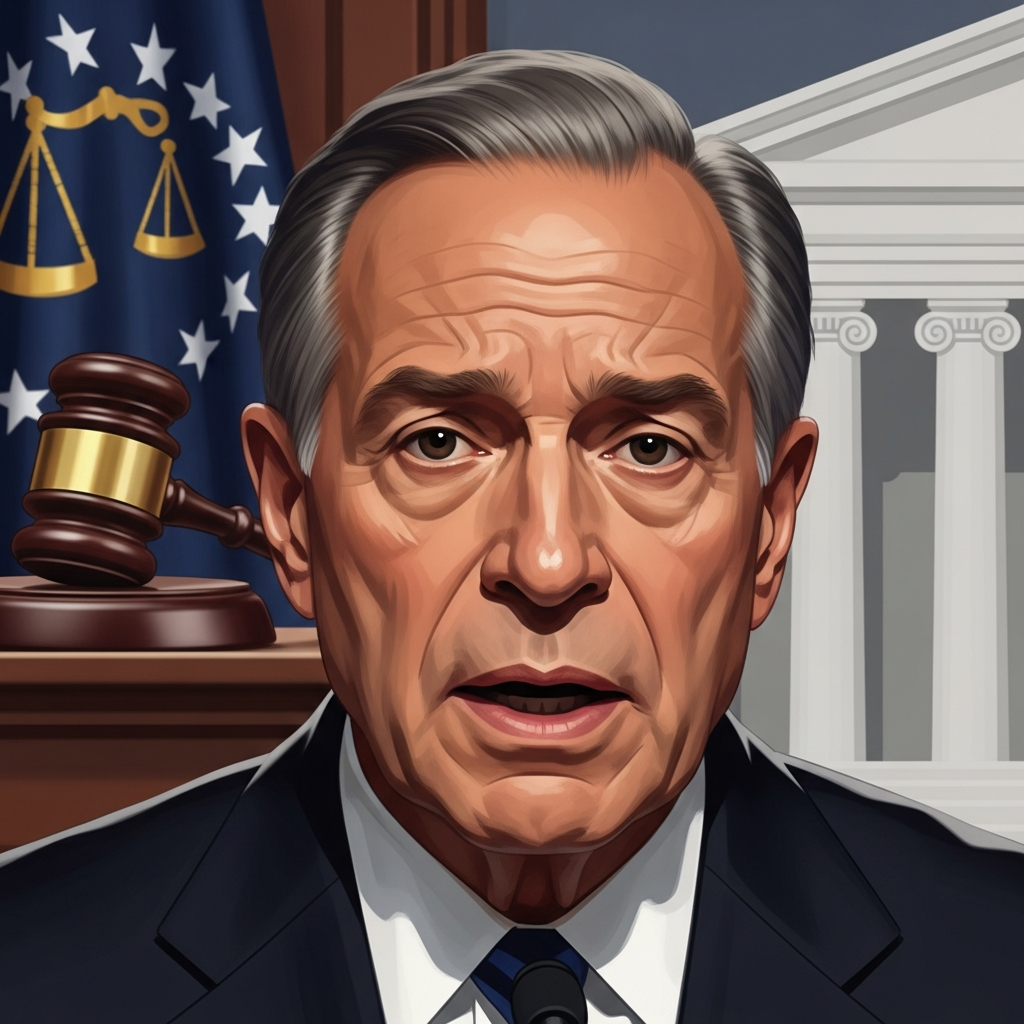
Conversely, Republicans largely applauded the ruling. Former President Donald Trump hailed it as a “BIG WIN for Equal Protection under the Law,” asserting it restores the VRA to its “Original Intent” of protecting against intentional racial discrimination. House Speaker Mike Johnson (R-LA) called it the “obvious result,” while Louisiana Attorney General Liz Murrill described the “seismic” decision as vindicating the principle that voters should not be sorted by race.
The Path Forward: Navigating Electoral Changes
While the Supreme Court has altered the legal landscape, legislative efforts continue to address the challenges of electoral fairness. The battle over fair representation remains a central issue in American politics.
Mitigating Partisan Gerrymandering: Legislative Efforts
Senator Warnock, along with Sens. Alex Padilla (D-Calif.), Angus King (I-Maine), and Adam Schiff (D-Calif.), introduced legislation last year aimed at banning partisan gerrymandering. Despite supporting Democratic redistricting efforts as a necessary response to Republican actions, Warnock stated, “I actually hate partisan gerrymandering. I don’t like gerrymandering, but we could not unilaterally disarm.” He cited past directives from leaders to gain more seats as examples of actions that necessitate a response. However, this legislation faces slim chances of success in the Senate due to Republican opposition. The court’s recent decision, in Warnock’s words, “sadly poured fuel on this redistricting arms race.”
The Broader Stakes for American Democracy
The ongoing struggle over voting rights and fair representation underscores the broader stakes for American democracy. The ability of all citizens, particularly minority communities, to elect their preferred candidates is fundamental to a representative government. Critics argue that by making it harder to prove discriminatory impact and focusing on intent, the Supreme Court has significantly weakened a vital tool for achieving electoral equity. The debate continues about how best to safeguard the integrity of elections and ensure every vote genuinely counts.
Frequently Asked Questions
What was the Supreme Court’s recent ruling on the Voting Rights Act?
The Supreme Court, in a 6-3 ideological decision, struck down Louisiana’s congressional map, which included a second majority-Black district. The Court deemed it an unconstitutional racial gerrymander, significantly narrowing Section 2 of the Voting Rights Act (VRA). This ruling now requires evidence or a “strong inference” of discriminatory intent to prove a legislative map unfairly discriminates against minority voters, shifting the burden of proof and making it harder to challenge maps that dilute minority voting power.
How does this ruling connect to Shelby County v. Holder and pre-clearance requirements?
This recent decision builds upon the 2013 Shelby County v. Holder ruling, which eliminated Section 5 of the VRA. Section 5 had required certain states with a history of discriminatory voting practices to seek “preclearance” from the federal government before implementing new voting changes. Senator Warnock noted that since Section 5’s removal, states have adopted “21st-century Jim Crow tactics,” leading to a widening racial turnout gap. The current ruling further weakens the VRA’s protective scope, making it harder to challenge new voting restrictions.
What are the potential impacts of this decision on future elections and minority voters?
Legal experts anticipate that this decision will likely lead to the redrawing of congressional maps in several Republican-controlled states, potentially before 2028. Critics, including Senator Warnock, warn that this could result in the “greatest reduction in representation for black and minority voters since the years following reconstruction.” It could enable the implementation of new voting restrictions, such as moving or closing polling stations and purging voter rolls, disproportionately impacting minority communities and making it more challenging for them to elect their preferred candidates.
Conclusion: Safeguarding the Future of Voting Rights
The Supreme Court’s recent ruling on the Voting Rights Act represents a critical juncture for American democracy. Senator Warnock’s impassioned critique highlights the profound concern among civil rights advocates regarding the decision’s potential to undermine minority voting power and exacerbate existing inequalities. By narrowing the VRA’s scope and emphasizing intent over impact, the Court has reignited a complex national debate. As states contemplate redrawing maps and legislative battles continue, the fight to safeguard fair representation and ensure equal access to the ballot box remains more urgent than ever.