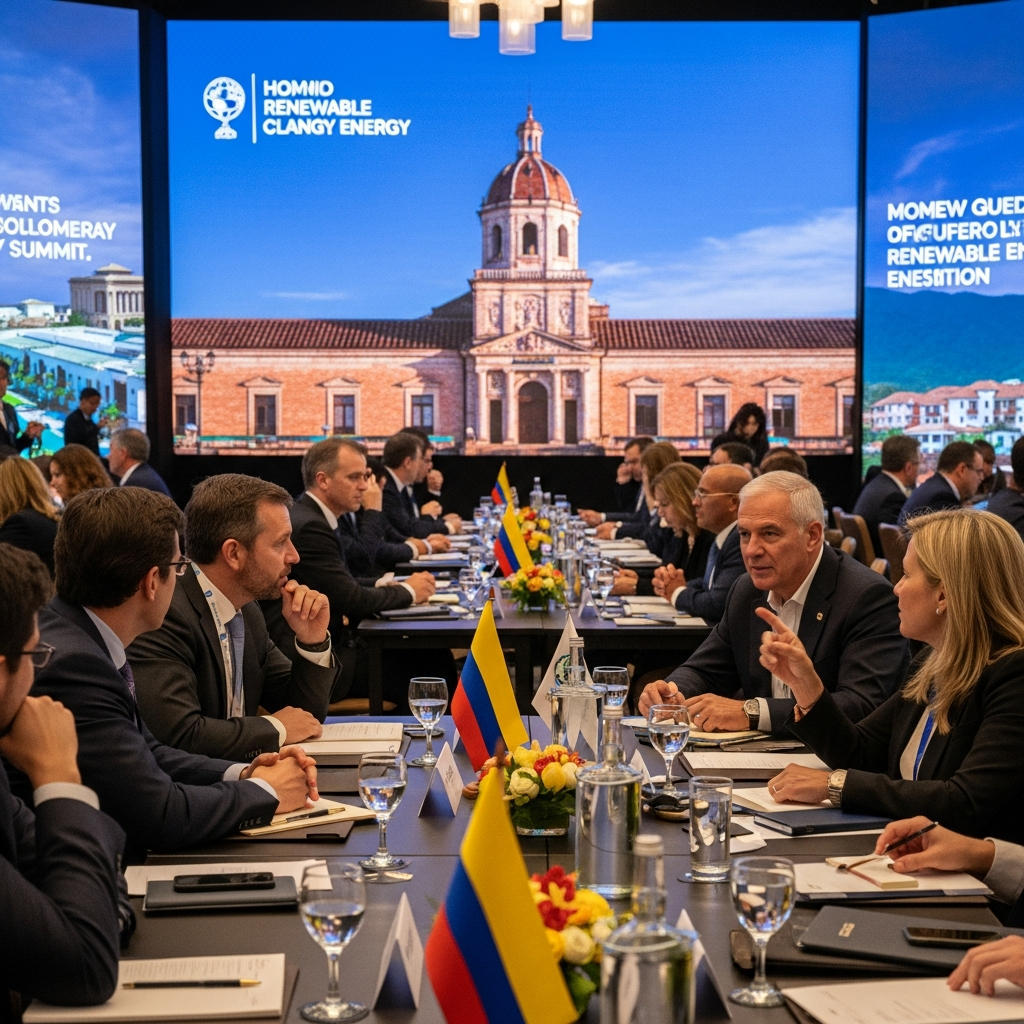
The world’s quest for energy often clashes with urgent climate goals. In a significant breakaway from traditional global climate negotiations, Colombia is hosting a landmark summit aimed at accelerating the global transition away from fossil fuels. This gathering represents a bold new approach to climate action, born from decades of frustration with slow progress under the United Nations framework. As global energy markets grapple with geopolitical shifts and persistent demand, this unique conference seeks to forge a direct, actionable path toward a cleaner energy future, redefining international climate cooperation for the 21st century.
The Impetus for Change: Why a New Approach?
For three decades, United Nations-led climate talks (COP summits) have struggled to deliver concrete plans for phasing out fossil fuels. This protracted pace has fueled widespread frustration among nations most vulnerable to climate change, sparking calls for new strategies. The recent failure to reaffirm a global pledge to move away from oil, gas, and coal at last year’s COP30 talks in Brazil further highlighted the need for alternative pathways.
This “new multilateralism,” as described by Colombia’s environmental minister, Irene Vélez Torres, marks an effort to inspire fresh cooperation. It aims to bypass the political stalemates that have often plagued larger, more inclusive forums. The urgent need for an alternative approach has become increasingly clear, prompting committed nations to seek innovative solutions outside the conventional framework.
Unpacking the Colombia Summit: Who’s Leading & Attending?
Co-hosted by Colombia and the Netherlands, the Santa Marta conference brings together approximately 60 nations. These participants include major emitters like the European Union, the United Kingdom, and Brazil, alongside fossil fuel producers such as Canada and Nigeria. Import-dependent nations like the Philippines and Pakistan, significantly impacted by global oil market volatility, are also present. The diverse attendance underscores a shared commitment to accelerating the shift towards solar, wind, and other clean energy sources.
A Strategic Exclusion for Focused Dialogue
A defining characteristic of the Santa Marta summit is its strategic exclusion of countries historically perceived as hindering climate action. Notably absent are the world’s largest fossil fuel producers and consumers, including the United States, China, India, and most Middle Eastern nations. This intentional omission aims to foster a space for more pragmatic and direct discussions.
“We are not unhappy because the U.S. is not here,” Minister Vélez Torres stated, acknowledging their “drill, baby, drill” energy policy. The organizers prioritized nations unequivocally committed to clean energy transition, avoiding potential boycotts or derailment of conversations by those with opposing agendas. This focused approach seeks to identify concrete measures rather than re-negotiate the necessity of the transition itself.
Beyond Negotiation: Focusing on “Nuts and Bolts” of Transition
Unlike traditional summits that often center on pledges and targets, the Santa Marta conference prioritizes actionable strategies. Discussions delve into the practical “nuts and bolts” of transitioning to renewable energy. This includes exploring how nations can structure their transitions, rather than debating the fundamental need for them.
Key topics encompass critical issues such as fossil fuel subsidies, grid infrastructure investment, and battery storage solutions. The gathering uniquely includes scientists, indigenous groups, non-governmental organizations, and the private sector, broadening the perspectives and expertise at the table. This holistic approach is designed to generate practical, implementable solutions for reducing reliance on global warming-causing fuels.
Global Energy Dynamics: Contextualizing the Climate Push
The push for fossil fuel phase-out in Colombia occurs against a complex backdrop of global energy market dynamics and geopolitical maneuvering. While some nations champion clean energy, others grapple with energy security concerns, often leading to increased oil and gas production. This tension highlights the immense challenge facing any fossil fuel transition.
China, for instance, a major global player, walks a diplomatic tightrope. Relying on the Middle East for half its crude oil imports, Beijing actively mediates in conflicts like the Iran war to safeguard its energy interests. Simultaneously, China engages in delicate diplomacy with transactional leaders like former US President Donald Trump, prioritizing stable trade relations and securing deals like potential Boeing aircraft purchases. This intricate strategy reflects China’s need to maintain energy supply security while navigating complex international relations, often cautious to avoid direct condemnation of major powers like the US.
India, the world’s third-largest oil consumer, faces similar pressures. Recent US tariffs on Russian crude have forced India to aggressively seek alternative suppliers from the US, Brazil, and the Middle East. This strategic pivot, driven by economic security and geopolitical considerations ahead of potential US-Russia summits, even suggests a possible rapprochement with China to diversify trade. These examples from global giants underscore how deeply intertwined energy security, economic stability, and international relations are, presenting significant headwinds for a swift global pivot away from fossil fuels.
Colombia’s Own Journey: A Transition in Progress
Colombia’s role as co-host is particularly symbolic given its own energy landscape. The nation remains a significant exporter of coal and oil, with fossil fuels accounting for roughly 10% of its GDP and 45% of total exports. However, under President Gustavo Petro, Colombia has initiated an ambitious shift towards clean energy.
Production of fossil fuels has seen a decline, and in 2023, the country announced an end to new contracts for oil, gas, and coal exploration. Colombia also became the first major fossil fuel producer to advocate for a binding treaty to phase out these polluting energy sources. Between 2022 and 2024, the installed solar and wind capacity in Colombia surged from 1.5% to 9% of its total energy mix. Despite this progress, Colombia has increased its reliance on imported natural gas, exposing it to price volatility. Minister Vélez Torres acknowledges this as part of a complex, gradual transition, emphasizing that policy changes do not yield overnight results.
Risks, Roadmaps, and the Future of Climate Action
Hosting a fossil fuel transition conference carries inherent risks. Divergent views on whether the phase-out should be voluntary or enshrined in a binding treaty could lead to fragmented messaging. There’s also the perception challenge: avoiding the appearance of inaction during a global crisis.
However, organizers see the Santa Marta summit as complementary to the UN’s COP process, not a replacement. “It’s not a substitute, we think that the U.N. system is necessary,” Vélez Torres stated, adding that it needs transformation. The conference aims to foster a longer-running process where nations can collaborate on strengthening their transitions, connecting with financial institutions, and attracting investment. Post-conference, Colombia and the Netherlands will issue a report summarizing discussions, with a new advisory panel of scientists providing ongoing input. This initiative could pave the way for individual countries to develop their unique fossil fuel transition roadmaps, as Brazil is already doing.
Frequently Asked Questions
What makes the Santa Marta summit different from traditional UN climate talks (COP)?
The Santa Marta summit is a “breakaway effort” driven by frustration with the slow progress of UN-led COP talks. Unlike COP summits, which often involve complex negotiations and consensus-building among nearly 200 nations, this conference is deliberately smaller and more focused. It explicitly excludes countries perceived as “holding back climate action,” aiming instead to identify concrete, actionable steps for fossil fuel transition among committed nations, moving beyond debates about the necessity of such a shift.
Which countries are notably absent from the Colombia climate summit and why?
The summit notably excludes the world’s largest fossil fuel producers and consumers, including the United States, China, India, and major Middle Eastern oil economies. This exclusion is intentional, as organizers aimed to prevent conversations from being “boycotted” or derailed by nations whose energy and economic policies prioritize fossil fuel extraction (e.g., the U.S.’s “drill, baby, drill” approach) or have historically impeded climate action. The goal is to create a more focused and pragmatic dialogue among countries genuinely committed to clean energy transition.
How do global energy market dynamics, like those involving China and India, impact the goals of the fossil fuel transition summit?
Global energy market dynamics significantly complicate the transition away from fossil fuels. As highlighted by external research, countries like China and India, major oil consumers, must balance climate ambitions with urgent energy security and economic stability needs. China, heavily reliant on Middle Eastern oil, engages in complex diplomacy to secure supplies amid geopolitical conflicts, while India faces pressures like US tariffs on Russian crude, forcing it to seek alternative suppliers globally. These powerful external pressures mean that even nations committed to transition must navigate intricate international relations and market volatilities, often prioritizing immediate energy needs over accelerated fossil fuel phase-outs, thus presenting a major challenge to the summit’s objectives.
Conclusion
The Santa Marta summit represents a pivotal moment in global climate action, offering a fresh, pragmatic approach to the daunting challenge of phasing out fossil fuels. By fostering a collaborative environment among committed nations and focusing on implementation rather than negotiation, Colombia and the Netherlands are charting a new course. While geopolitical complexities and national energy security concerns, as seen with China and India, continue to shape the global energy landscape, this “new multilateralism” demonstrates a strong will to accelerate the clean energy transition. The outcomes of this groundbreaking conference will undoubtedly provide valuable insights and inspiration for a world striving to build a sustainable future.