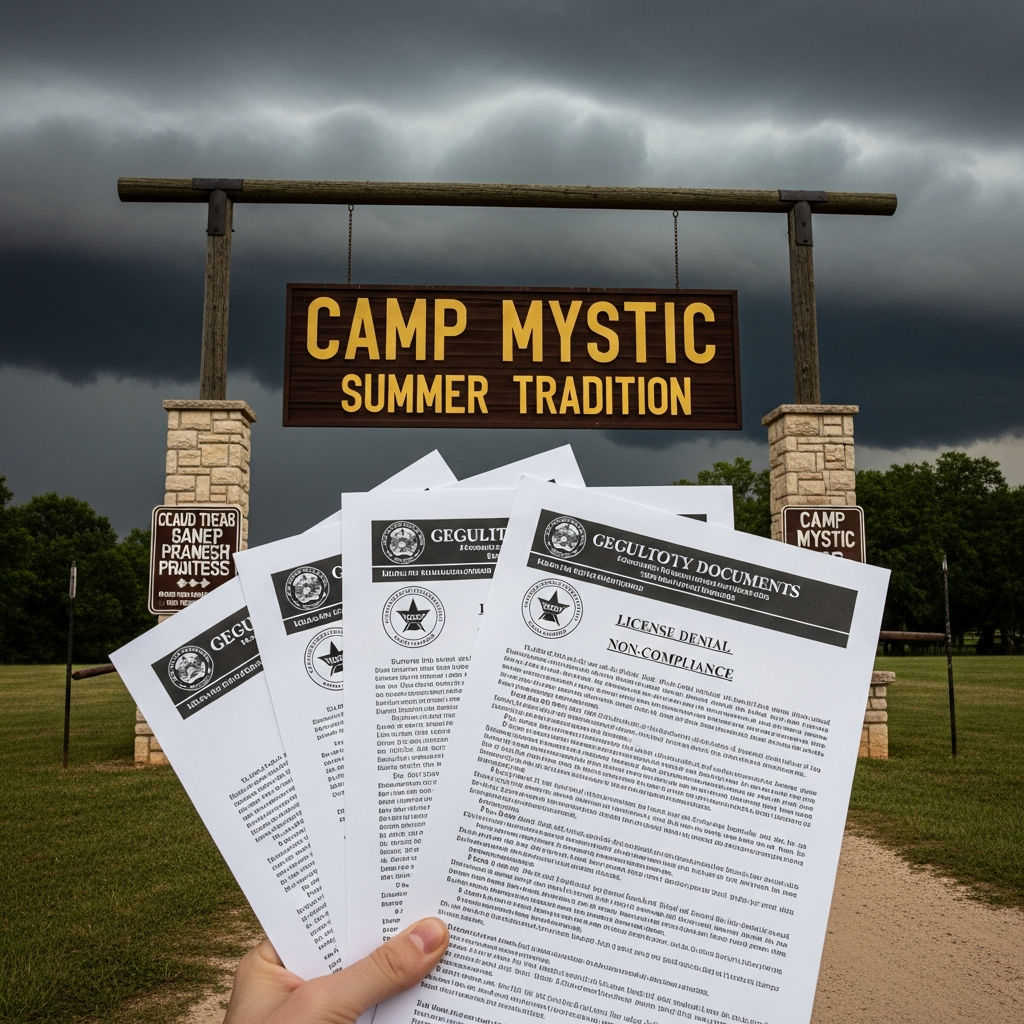
The future of Camp Mystic, a well-known Central Texas summer camp, hangs precariously in the balance. State regulators recently delivered a significant blow to the camp’s owners, notifying them that their license renewal is at risk. This critical decision stems from a detailed review of Camp Mystic’s emergency plan, which state officials found to be woefully inadequate and failing to meet essential health and safety requirements. The announcement sparks renewed debate, particularly given the tragic floods last summer that claimed the lives of 27 girls and counselors.
This situation presents a complex dilemma. Despite the severe regulatory challenges, there remains a possibility that the troubled camp could still reopen its gates. This potential outcome has ignited a firestorm of public outcry. Online communities are buzzing with outrage, expressing profound disbelief and anger that a facility linked to such a devastating loss of life might continue operations. Commenters are vocal in their criticism, often accusing camp owners of prioritizing financial gain over the safety and well-being of attendees. Many also question the judgment of parents who might consider sending their children to the camp in light of these persistent safety concerns.
Unpacking the Regulatory Showdown: Why the License is Imperiled
State regulators initiated a rigorous review process following the devastating incident that shook the community to its core. The tragedy, marked by an unexpected and severe flood, exposed critical vulnerabilities in the camp’s operational readiness. Specifically, the regulatory body meticulously examined Camp Mystic’s emergency action plan. This plan, a cornerstone of any safe recreational facility, outlines procedures for natural disasters, medical emergencies, and other unforeseen events.
The findings from this review were stark. Officials determined that the existing emergency protocols did not satisfy the stringent health and safety requirements mandated for youth camps. These requirements are designed to protect children and staff, ensuring appropriate responses to crises. The failure to meet these standards placed the camp’s operating license in direct jeopardy, signaling a serious breakdown in its safety infrastructure.
The Human Cost: A Community Grapples with Loss and Outrage
The memory of last summer’s tragedy casts a long shadow over the current licensing dispute. The loss of 27 young lives—both campers and dedicated counselors—left an indelible mark on families and the wider Central Texas community. The emotional scars run deep, fueling the intense public reaction to the possibility of the camp’s return. This collective grief transforms the licensing debate from a bureaucratic process into a deeply personal one, resonating with the pain of those affected.
The outpouring of public sentiment, as seen in numerous online comments, underscores a widespread concern for child safety. Many struggle to reconcile the tragic events with the idea of the camp reopening. Critics highlight the moral responsibility of camp operators to ensure an environment free from preventable harm. This sentiment often translates into direct questions about accountability and the long-term impact on trust in recreational facilities.
The Path Forward: Can Camp Mystic Rebuild Trust and Safety?
The legal and ethical implications of Camp Mystic’s situation are substantial. For the camp to successfully renew its license, it would likely need to demonstrate a complete overhaul of its emergency preparedness. This would involve significant investments in infrastructure, staff training, and the implementation of robust, independently verified safety protocols. The regulatory body would demand unequivocal proof that all previously identified deficiencies have been comprehensively addressed.
Rebuilding trust with parents and the community presents an even greater challenge. Safety is paramount when choosing a summer camp. Parents often seek clear assurances regarding emergency procedures, staff-to-camper ratios, and the transparency of safety audits. For Camp Mystic, regaining this trust would require more than just regulatory compliance; it would necessitate a profound commitment to transparency, open dialogue, and a proactive approach to addressing all safety concerns. This could involve public forums, third-party safety certifications, and clear communication about their enhanced safety measures.
Broader Implications for Summer Camp Safety Standards
The Camp Mystic case serves as a critical reminder of the importance of stringent safety regulations across the entire summer camp industry. It highlights the vital role of state regulators in enforcing these standards and conducting thorough, ongoing oversight. This incident could catalyze a broader reevaluation of emergency plans and safety protocols for all youth camps, particularly those operating in areas prone to natural disasters like floods or wildfires.
For parents, this situation underscores the necessity of due diligence when selecting a camp. Key questions to ask include: What are the camp’s specific emergency plans for various scenarios? How frequently are staff trained in these procedures? Is there independent oversight of safety protocols? Understanding these details can empower parents to make informed decisions and ensure their children’s safety during recreational activities.
Navigating Future Decisions: A Balancing Act
The decision facing state regulators is multifaceted. On one hand, there is immense public pressure to prevent any reopening that could jeopardize further lives. On the other, camp owners may argue for their right to operate, provided they can meet revised safety standards. The regulatory body must weigh public sentiment against established legal frameworks and their specific mandate to ensure public health and safety.
Any decision regarding Camp Mystic’s license will set a precedent for future cases involving significant safety incidents. It will define the boundaries of accountability for camp operators and clarify the expectations for compliance. The outcome will be watched closely by families, industry professionals, and regulators alike, all seeking assurance that child safety remains the absolute priority.
Frequently Asked Questions
Why is Camp Mystic’s license renewal in jeopardy?
Camp Mystic’s license renewal is imperiled because state regulators found its emergency plan to be inadequate. Following a tragic flood last summer that resulted in 27 deaths, a review determined that the camp’s safety protocols failed to satisfy crucial health and safety requirements mandated for youth recreational facilities. This non-compliance is the primary reason for the potential denial of its operating license.
What are the key safety requirements for summer camps in Central Texas?
While specific regulations vary, key safety requirements for summer camps in Central Texas typically include comprehensive emergency action plans for natural disasters (like floods), robust medical protocols, clear staff-to-camper ratios, certified first aid and CPR training for staff, and regular independent safety audits. These standards are designed to ensure a safe environment and effective response capabilities during any crisis.
Should parents consider Camp Mystic for future summers despite safety concerns?
This is a deeply personal decision that parents must make after careful consideration. Given the previous tragedy and current license denial threat, it is crucial for parents to conduct extensive due diligence. They should demand complete transparency from camp management regarding any new safety measures, regulatory approvals, and independent safety certifications. Public outrage highlights ongoing concerns, suggesting that trust in the camp remains significantly impacted.
Conclusion: A Critical Juncture for Camp Safety
The unfolding situation at Camp Mystic represents a pivotal moment for summer camp safety and regulatory oversight. The decision regarding its license renewal will not only determine the camp’s immediate future but also send a powerful message about accountability and the non-negotiable importance of child protection. As the community watches, the focus remains firmly on ensuring that such tragedies are never repeated, and that the promise of a safe, enriching summer camp experience is upheld for all children.