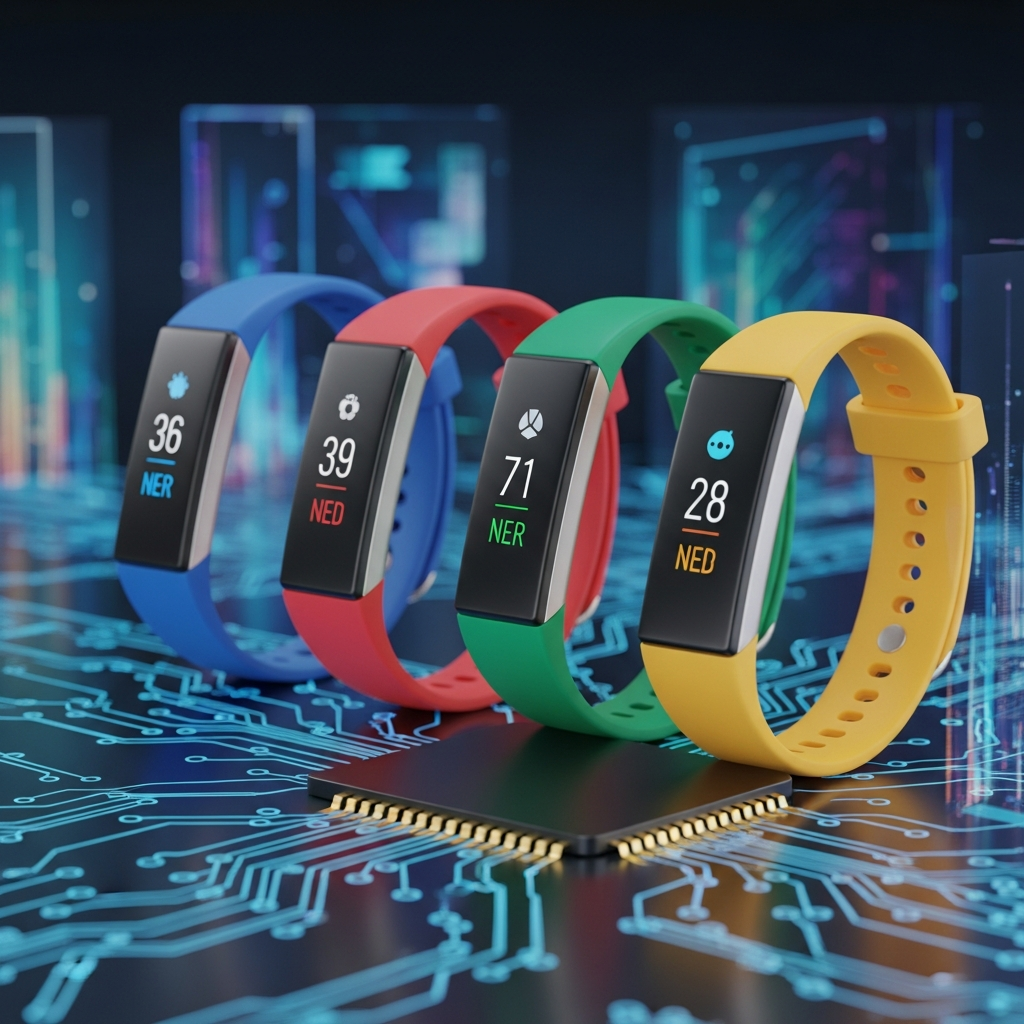
The fitness wearable landscape is buzzing with anticipation as new information emerges about Google’s upcoming device, reportedly named the “Fitbit Air.” Positioned as a direct challenger to subscription-based trackers like Whoop, this innovative, screen-less wearable promises to shake up the market with an estimated $100 price point and a wide array of customization options. Leaks also suggest a potential May 16 release date, hinting at a launch that could precede Google’s major annual events. This initial glimpse into the Fitbit Air reveals Google’s clear strategy to expand its health ecosystem and offer a compelling, budget-friendly alternative for continuous health monitoring.
The Dawn of Fitbit Air: Google’s Whoop Challenger Takes Flight
Google is poised to introduce a new era of fitness tracking with the rumored Fitbit Air, a minimalist wearable designed to provide essential health insights without the distractions of a screen. Early reports, citing supplier and retail data, paint a picture of a sleek, comfortable device, echoing the “Air” moniker, which implies a lightweight and unobtrusive design suitable for continuous wear. This strategy directly targets the niche carved out by Whoop, a company known for its subscription-first model and focus on passive, in-depth health tracking.
The Fitbit Air is expected to focus on fundamental health metrics, seamlessly collecting data on sleep patterns, heart rate variability (HRV), resting heart rate, and general activity levels. All this information will be effortlessly synced to the Fitbit app, providing users with a comprehensive, yet simplified, overview of their well-being. Basketball star Steph Curry was famously spotted wearing what is believed to be this new device, sparking widespread speculation about its capabilities and eventual release. Google’s move suggests a desire to offer a robust, integrated health experience to a broader audience.
Competitive Edge: Aggressive Pricing & A Reimagined Subscription Model
Perhaps the most disruptive aspect of the Fitbit Air is its anticipated price tag. Industry leaks point to a retail cost of approximately $99-$100, significantly undercutting competitors from the outset. For comparison, a Whoop membership typically costs $199 annually, which includes the hardware. This pricing strategy fundamentally differentiates Google’s approach.
While Whoop bundles its hardware into a recurring subscription, the Fitbit Air is expected to be a one-time purchase that grants immediate access to core health metrics and recovery scores. Google is also reportedly rebranding its established Fitbit Premium service to “Google Health.” Should a user opt for this enhanced subscription, estimated at $79.99 per year, the combined first-year cost (device + subscription) would still be around $179. This makes the Fitbit Air a remarkably more affordable entry point into advanced health tracking compared to Whoop’s offering. The shift towards “Google Health” underscores Google’s ambition to unify its diverse health and fitness initiatives under a singular, powerful brand.
May 16th Launch: Mark Your Calendars?
The rumor mill suggests a release date of May 16 for the Fitbit Air. While a Saturday launch is somewhat unconventional for a major tech product, it’s possible Google could announce the device in the days leading up to it, or even make it available on that date without a preceding fanfare. This timing places its debut potentially just before Google I/O, the company’s annual developer conference, where further details about its integration into the broader Google ecosystem could be unveiled.
This swift development hints at Google’s confidence and readiness to bring the Fitbit Air to market. The leaks appear to be surfacing rapidly, indicating that the device is nearing its final stages of preparation. Consumers eager for an alternative to existing screen-less trackers won’t have to wait much longer for official confirmation.
Style & Customization: Fitbit Air’s Aesthetic Appeal
Google isn’t just focusing on functionality; the Fitbit Air is also set to offer extensive customization, mirroring the design philosophy seen in its Pixel Watch lineup. This emphasis on personal style allows users to tailor their device to their aesthetic preferences and lifestyle needs.
Core Device Colors
The main Fitbit Air tracker itself is rumored to be available in three distinct core colors:
Obsidian: A classic, deep black for a sleek look.
Lavender: A soft, inviting purple for a touch of elegance.
Berry: A vibrant, rich hue for a pop of color.
Adding to the cohesive design, the charging cable for the Fitbit Air is expected to come in “Snow” (white), a choice that aligns with other Google Pixel accessories, maintaining a consistent brand aesthetic across its hardware offerings.
A Spectrum of Interchangeable Bands
Beyond the core device colors, users will have a diverse selection of interchangeable bands, allowing for versatility and personal expression. Many of these band options draw inspiration from the popular Pixel Watch accessories, ensuring a premium feel and wide compatibility.
Here’s a breakdown of the rumored band types and their corresponding color options:
Performance Loop Band: Crafted for comfort and activity.
Obsidian
Fog
Lavender
Berry
Active Band (Small, Large): A versatile choice for everyday wear and workouts.
Obsidian
Fog
Berry
Lavender
Elevated SoftFlex Band: Thought to be the band seen on Steph Curry’s wrist, offering a flexible and comfortable fit reminiscent of Whoop’s design.
Obsidian
Moonstone
Porcelain
Metal Mesh Band: A sophisticated and unique option for a more polished look.
Silver
Warm Gold
While the breadth of options is exciting, it’s worth noting the discrepancy between the rumored color palette and the distinctive orange/grey band Steph Curry has been seen wearing. This suggests either an unannounced colorway, a special edition, or an older prototype, adding a layer of intrigue to the final product line.
Google’s Broader Vision: The ‘Google Health’ Ecosystem
The rebranding of Fitbit Premium to “Google Health” is more than just a name change; it’s a strategic move by Google to consolidate its health and wellness services. Since acquiring Fitbit in 2019, Google has been steadily integrating its assets, aiming to replace its own “middling Google Fit app” and create a unified health experience.
This integration strategy has involved a “Fitbit erasure mission,” where various Fitbit models and features deemed redundant have been discontinued, with the best functionalities absorbed into Google’s Pixel Watch line. The goal is to simplify brand messaging and prevent consumer confusion. Imagine a world where Google Pixel phones and watches seamlessly integrate with “Google Health,” offering a consistent, powerful platform for users. The Fitbit Air fits perfectly into this vision, acting as a crucial data collection point within a broader, unified Google-branded ecosystem. This move could position Google as a dominant force in the connected health market, leveraging its vast user base and technological prowess.
What This Means for Fitness Enthusiasts
The arrival of the Fitbit Air signifies a significant development for individuals seeking effective, unobtrusive health tracking. For minimalists or those easily distracted by smartwatch notifications, the screen-less design offers a compelling advantage, fostering a focus on data rather than digital alerts. Its competitive price point also makes advanced health monitoring accessible to a wider demographic who may have found Whoop’s subscription model too steep.
However, potential users should also consider the trade-offs. While core metrics are expected to be free, the most advanced insights and coaching features will likely remain behind the “Google Health” paywall. The ultimate success of the Fitbit Air will hinge on the quality of its tracking algorithms, the depth of its app integration, and whether its minimalist design provides sufficient value without feeling like a compromise. For those prioritizing affordability, customization, and passive, continuous health insights, the Fitbit Air could be the perfect fit, challenging the status quo established by its rivals.
Frequently Asked Questions
What is the Fitbit Air and how does it compare to Whoop?
The Fitbit Air is Google’s upcoming screen-less fitness tracker, reportedly launching as a direct competitor to Whoop. Unlike Whoop, which typically bundles hardware with an ongoing subscription, the Fitbit Air is expected to be a one-time purchase around $99-$100, offering core health insights like sleep, heart rate, and HRV without a mandatory monthly fee. While a rebranded “Google Health” subscription (formerly Fitbit Premium) will offer advanced analytics, the Fitbit Air provides a significantly more affordable entry point into continuous, passive health monitoring compared to Whoop’s model.
How much will the Fitbit Air cost, and is a subscription required?
The Fitbit Air is rumored to cost approximately $99 to $100. A subscription is not expected to be required for basic health tracking functionality and access to core metrics like recovery scores. However, Google is reportedly rebranding its premium subscription service to “Google Health” (from Fitbit Premium), which will offer more advanced features and deeper analytics for an estimated $79.99 per year. This means users can choose to pay a one-time fee for the device and get essential data, or subscribe for an enhanced experience.
When is the Fitbit Air expected to be released and what customization options are available?
The Fitbit Air is rumored for a release date of May 16. The device itself will reportedly be available in Obsidian, Lavender, and Berry colors, and ship with a “Snow” (white) charging cable. Users will also have extensive customization options through a variety of interchangeable bands, many inspired by the Pixel Watch. These include Performance Loop, Active Band (small and large), Elevated SoftFlex, and Metal Mesh bands, each offered in a spectrum of colors like Obsidian, Fog, Lavender, Berry, Moonstone, Porcelain, Silver, and Warm Gold.
Final Thoughts
The leaked details surrounding the Fitbit Air paint a compelling picture of Google’s ambitious entry into the screen-less fitness tracker market. With its aggressive pricing, diverse customization options, and the strategic rebranding to “Google Health,” this device is poised to challenge established players and redefine expectations for accessible health monitoring. As the rumored May 16 launch approaches, the anticipation for official specifications and a definitive look at Google’s integrated health ecosystem only continues to grow. This could be a game-changer for anyone seeking powerful health insights without the bells and whistles of a traditional smartwatch.