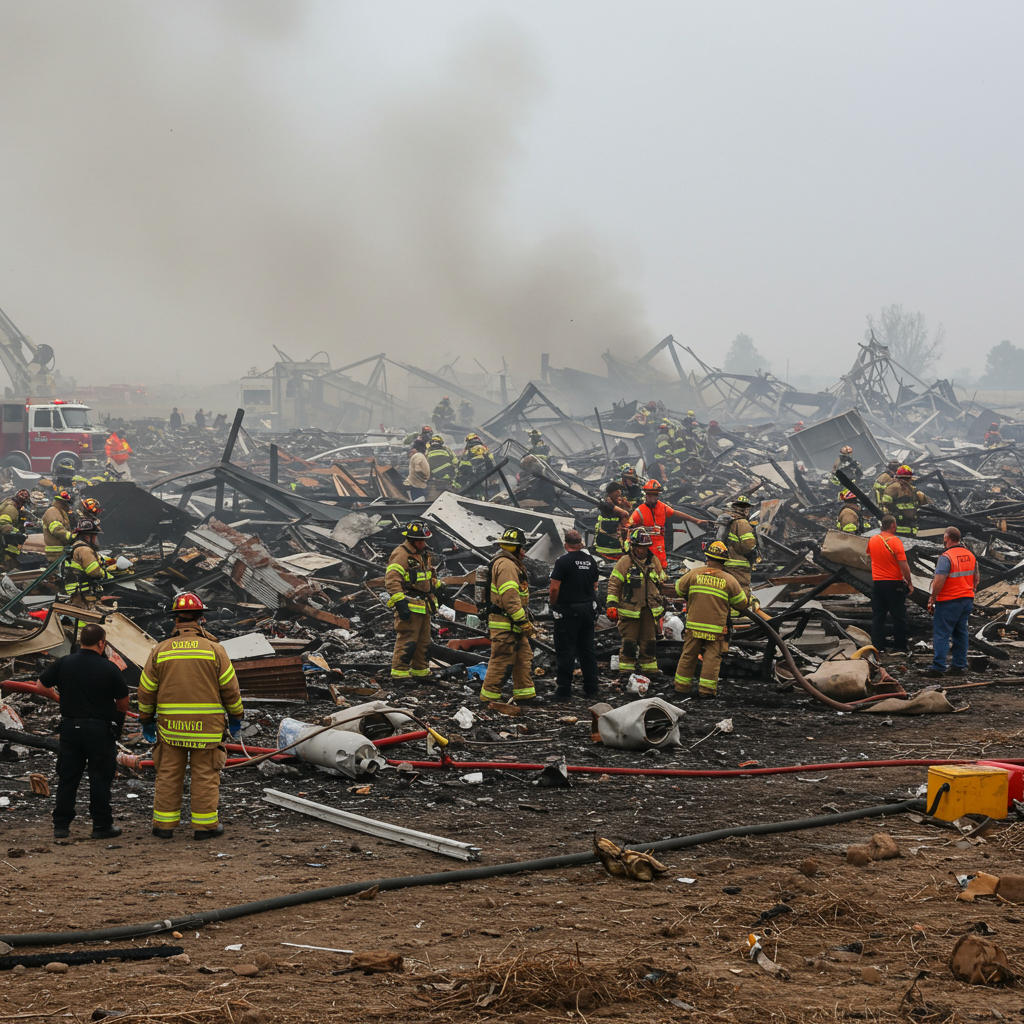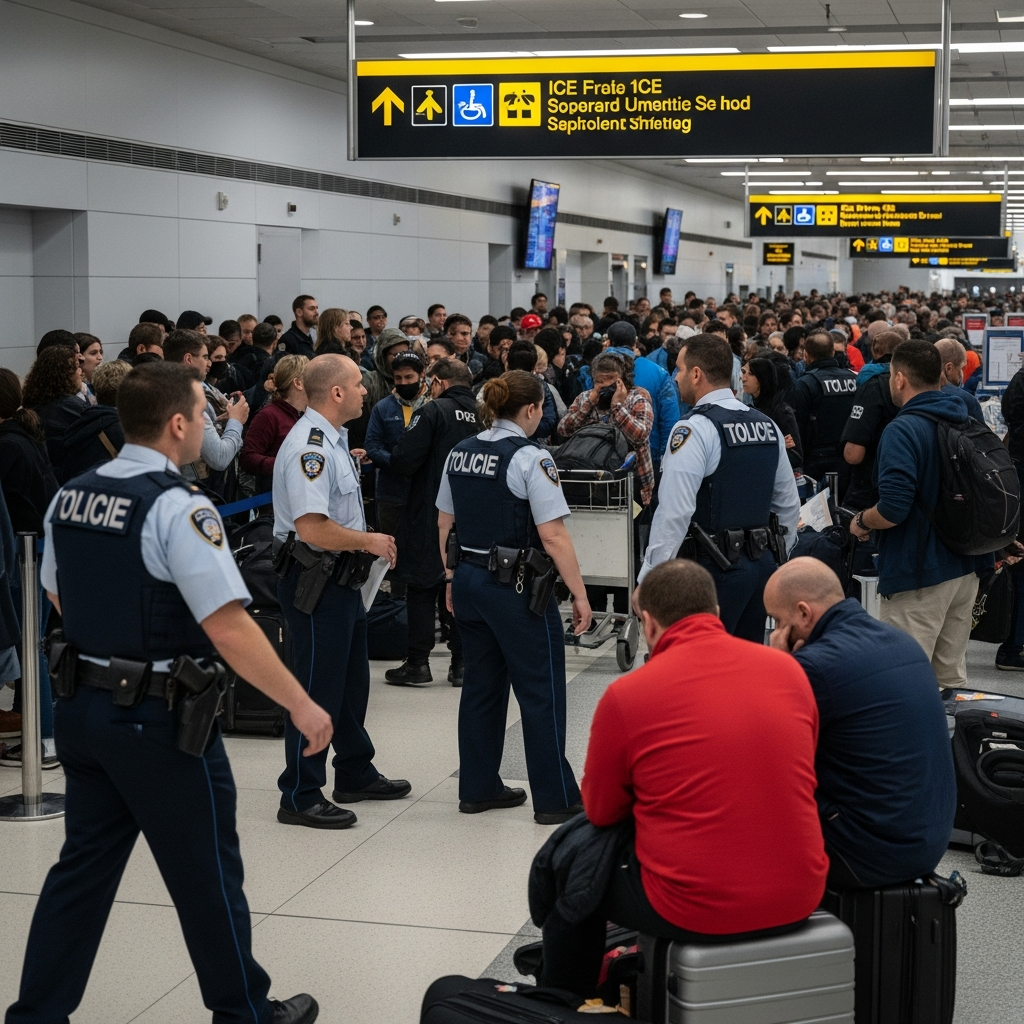
The United States is grappling with unprecedented travel disruptions and a deepening political crisis as Immigration and Customs Enforcement (ICE) agents are deployed to major airports nationwide. This controversial move, driven by a protracted partial government shutdown and a fierce battle over Department of Homeland Security (DHS) funding, has sparked widespread concern among travelers, airport officials, and civil liberties advocates. As Transportation Security Administration (TSA) officers work without pay, leading to acute staffing shortages and multi-hour wait times, the presence of ICE agents introduces a complex and potentially volatile dimension to an already strained national infrastructure. This article explores the origins of this crisis, its operational impacts, and the profound political and social ramifications.
Federal Agents Descend on Key Aviation Hubs
Officials at airports across the country confirmed the arrival of ICE agents, signaling a significant escalation in the government shutdown standoff. Reports indicated deployments at major facilities including Houston’s George Bush Intercontinental Airport and William P. Hobby Airport, New York City’s John F. Kennedy International Airport, Newark Liberty Airport in New Jersey, Chicago’s O’Hare International Airport, and Phoenix’s Sky Harbor International Airport. Even Hartsfield-Jackson Atlanta International Airport, one of the world’s busiest, saw an ICE presence. A border official stated agents were active in at least 14 airports, with more anticipated.
This federal action unfolds against a backdrop of a more than month-long partial government shutdown. The core dispute centers on funding the Department of Homeland Security, with President Donald Trump and congressional Republicans at odds with Democrats over immigration policy. Democrats demand significant reforms to the Trump administration’s immigration tactics as a prerequisite for funding, while Republicans have rejected proposals that would fund most of DHS but exclude certain immigration-focused agencies.
The Crippling Impact on TSA and Travelers
The ongoing political impasse has exacted a heavy toll on the nation’s aviation sector. Approximately 50,000 TSA officers are working without compensation, enduring immense financial strain. Union leaders report instances of eviction notices, struggles to cover basic bills, and officers forced to take on second jobs. DHS data paints a grim picture: over 300 TSA employees have resigned since the shutdown began, and absenteeism rates have surged to around 10% of the workforce, a stark contrast to the typical rate of less than 2%.
These staffing shortfalls have directly translated into severe travel disruptions. Major airports like Houston, Atlanta, and New Orleans have experienced multi-hour wait times, causing travelers to miss flights and raising fears that smaller regional airports might face complete closure. The cumulative effect is an acute crisis in aviation infrastructure, marking the third DHS shutdown in under six months.
Trump’s Ultimatum and Executive Authority
The President’s decision to deploy ICE agents was framed as an urgent response to what he described as a failure by Democrats to ensure “Just and Proper Security” at airports. Through posts on Truth Social, President Trump asserted that ICE would “do the job far better than ever done before,” even suggesting the immediate arrest of “all Illegal Immigrants” at travel hubs, with a particular focus on individuals from Somalia. This rhetoric echoed “Operation Metro Surge,” a previous large-scale immigration enforcement effort that targeted the Twin Cities and faced significant controversy, including the fatal shooting of American citizens.
Beyond the immediate airport situation, this period highlighted President Trump’s broader reliance on direct executive actions and social media for major policy pronouncements. While leveraging Truth Social for domestic crises, he also used the platform for significant international statements, such as outlining military objectives in the Middle East and hinting at troop movements, showcasing a consistent pattern of direct presidential communication across diverse policy fronts.
This period of heightened executive action, however, also saw legal challenges to the President’s unilateral authority in other domains. A Supreme Court decision, for instance, significantly curtailed the President’s ability to impose tariffs under specific emergency powers, indicating a broader legal scrutiny of presidential overreach even as the administration asserted its will in areas like immigration enforcement. This ruling narrowed unilateral presidential trade powers, shifting economic statecraft from executive brinkmanship toward more institutional processes.
Adding another layer to his assertive stance, President Trump also stated he was considering sending National Guard troops to assist ICE agents, further signaling a willingness to escalate federal involvement. The issue of mask-wearing by agents also became a point of contention. While Democrats demanded a prohibition on agents wearing masks while on duty, Trump publicly supported agents wearing masks for their regular duties but made an exception for airport deployments, urging “NO MASKS” when assisting with the “Democrat caused MESS at the airports.”
Operational Realities and Political Posturing
Despite the administration’s strong rhetoric, the practical effectiveness of deploying ICE agents for airport security functions has been questioned by industry insiders. One official, speaking anonymously due to the sensitive nature of the topic, described the ICE deployment as largely “performative.” The official noted that ICE agents often lack the necessary badges to access secure areas of airports and are not specifically trained to perform passenger and baggage screening, a core function of TSA.
However, the official acknowledged some potential “operational benefit,” particularly in non-screening support roles. ICE agents could assist with “queue management” and “staff exit lanes,” thereby allowing trained TSA officers to remain focused on their primary duties of passenger and baggage screening. This suggests a nuanced reality where the deployment might serve both a symbolic political purpose and offer limited, albeit indirect, operational assistance in managing airport flow. The prospect of ICE agents performing airport security, however, raised significant operational and legal concerns, blurring the lines between transportation safety and interior immigration enforcement and potentially compromising the safety of “sterile areas.”
Widespread Condemnation and Local Resistance
The deployment of federal agents to airports has drawn sharp criticism from Democratic leaders and local officials. House Minority Leader Hakeem Jeffries expressed grave concerns, warning that agents at airports are “the last thing that the American people need,” potentially leading to “brutalize or in some instances, kill them,” citing ICE’s track record. New Jersey Governor Mikie Sherrill echoed this sentiment, accusing Trump of creating “chaos” and condemning the deployment of “untrained ICE agents to staff our airports” as an unacceptable solution.
Perhaps the most vocal resistance emerged from cities like Chicago. Mayor Brandon Johnson, a Democrat, expressed “concerns” over the agents’ arrival and vowed to use “every tool we have to ensure that people, no matter their immigration status, can travel to and from Chicago safely and without harassment.” Johnson even implemented executive orders, including a ban on federal agents using city-owned or operated spaces, to hinder operations, viewing this as a direct “federal invasion.” His defiance prompted President Trump to publicly call for the arrest of both Mayor Johnson and Illinois Governor JB Pritzker, accusing them of “failing to protect ICE officers.”
This increased federal presence created palpable fear within immigrant communities. For many, like Jackson, a Venezuelan immigrant in Chicago, the daily fear of apprehension by ICE agents became a grim reality, affecting basic tasks like grocery shopping and work. Census data indicating that one in five Chicago residents are foreign-born underscores the widespread impact of these policies. Legal challenges have also mounted, with federal judges hearing arguments against the legality of such National Guard deployments, suggesting a broader legal battle over federal jurisdiction and local autonomy.
Broader Implications and Looming Pressures
The deployment of ICE agents to airports during a government shutdown represents an unprecedented expansion of federal immigration enforcement into the daily lives of millions of American travelers. This move not only strained airport operations and public trust but also heightened fears within immigrant communities and sparked significant constitutional debates over executive power and states’ rights. The financial and human costs of the ongoing shutdown, compounded by the dramatic actions at airports, placed immense pressure on lawmakers.
Elon Musk’s unconventional offer to personally pay the salaries of TSA personnel on X (formerly Twitter) highlighted the desperation of the situation. While the legality of such a private funding arrangement for a federal agency was questionable, it underscored the urgency to resolve the impasse and alleviate the burden on unpaid federal workers. As TSA workers faced another missed paycheck, the political chessboard remained set, with the nation’s airports serving as a critical battleground in the broader fight over immigration policy and the limits of executive authority. The pressure remained “untenable” for lawmakers to reach a resolution.
Frequently Asked Questions
What caused the deployment of ICE agents to U.S. airports during this period?
The deployment of ICE agents was a direct consequence of a prolonged partial government shutdown, lasting over a month. The shutdown stemmed from a contentious standoff between President Trump and congressional Democrats over funding for the Department of Homeland Security (DHS). Trump demanded specific immigration policy changes and increased border security funding, threatening to deploy ICE agents if Democrats did not agree. This created a crisis at airports as TSA officers worked without pay, leading to staffing shortages and long lines.
Which major airports experienced ICE agent deployments during the government shutdown?
Multiple major U.S. airports confirmed the presence of ICE agents. These included George Bush Intercontinental Airport and William P. Hobby Airport in Houston, John F. Kennedy International Airport in New York City, Newark Liberty Airport in New Jersey, Chicago’s O’Hare International Airport, Phoenix’s Sky Harbor International Airport, and Hartsfield-Jackson Atlanta International Airport. A federal official indicated that agents were active in at least 14 airports nationwide.
How did the deployment of ICE agents impact air travel and airport operations?
The deployment of ICE agents, coupled with the ongoing government shutdown, severely impacted air travel and airport operations. With thousands of TSA officers working without pay, absenteeism surged, leading to acute staffing shortages. This resulted in multi-hour wait times at major airports and concerns about smaller regional airports closing. While some experts described the ICE deployment as largely “performative” due to agents lacking specific training for airport security, they did offer some operational benefit in non-screening roles like queue management, aiming to alleviate pressure on the understaffed TSA.
Navigating a Nation in Conflict
The crisis unfolding at U.S. airports served as a stark microcosm of a nation grappling with deep political divisions and the weighty implications of executive action. The deployment of ICE agents, while intended to pressure congressional Democrats, instead amplified public anxiety, exposed critical vulnerabilities in national infrastructure, and fueled a fierce debate over civil liberties and governmental authority. As the shutdown continued, the focus remained on the negotiating table in Washington, where the future of airport security, federal workers, and immigration policy hung precariously in the balance. Staying informed about legislative developments and travel advisories remained crucial for all citizens as the country navigated these turbulent times.