A devastating attack on March 1, 2026, shook the U.S. military presence in Kuwait, claiming the lives of six American service members. This tragic event, a direct Iran strike Kuwait, unfolded with terrifying speed at a tactical operations center within the civilian Port of Shuaiba. It marked the first U.S. fatalities in what has been termed “Operation Epic Fury,” signaling a sharp escalation in regional hostilities. The incident has since ignited a critical debate over military base security and the protection of troops in volatile zones.
The Deadly Strike Unfolds Without Warning
The early morning hours of Sunday, March 1, 2026, brought unforeseen tragedy to the Port of Shuaiba. A direct hit, believed to be a one-way drone, struck a makeshift operations center at approximately 9 a.m. local time. Crucially, there were no warning sirens or alerts. This left personnel no time to seek shelter, contributing directly to the high casualty count.
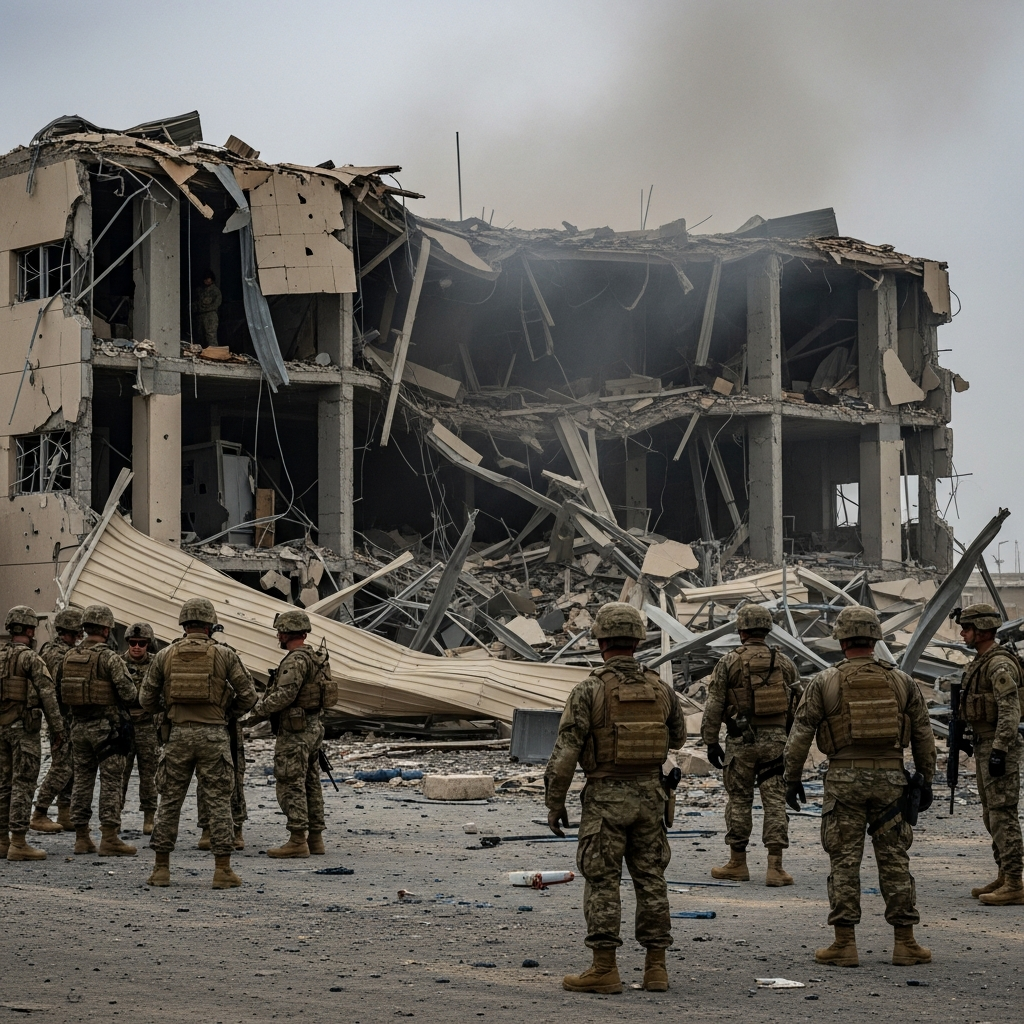
Smoke billowed from the American facility after the strike. Satellite imagery captured the building ablaze, dark plumes rising into the sky. Initial reports from U.S. Central Command (CENTCOM) confirmed three service members killed. However, as recovery efforts continued amidst smoldering debris, the death toll tragically rose. CENTCOM later announced the recovery of two additional remains, bringing the total to six fallen heroes. The profound impact left the building blackened, with walls blown outwards from the blast.
A Deeper Look at the Vulnerable Operations Center
Defense Secretary Pete Hegseth initially described the target as a “fortified tactical operation center.” He suggested that a single projectile had “made it through air defenses.” However, this official narrative was soon met with starkly contrasting accounts from military officials with direct knowledge of the ground situation. These anonymous sources painted a concerning picture of the facility’s actual defenses.
The operations center was, in fact, a “triple-wide trailer made into an office space.” This common setup at overseas bases is inherently less secure than purpose-built, hardened structures. Its primary protection consisted of T-walls—steel-reinforced concrete barriers. These T-walls, typically 6 to 12 feet tall, are designed to guard against explosions, rocket attacks, and shrapnel. Critically, they offered virtually no defense against an overhead strike. Two officials confirmed the projectile appeared to have hit “dead-center on top of the building.”
Questioning the Readiness and Protection for US Troops
The discrepancies between official statements and ground realities raised serious questions about troop safety. Military officials revealed prior concerns about the Port Shuaiba facility. Discussions had taken place on the ground questioning its suitability. They argued it concentrated too many U.S. troops in a location deemed “undefendable.” This makes the Port Shuaiba attack even more troubling.
Further compounding the vulnerability, the port reportedly lacked a critical Counter-Rocket, Artillery, and Mortar (C-RAM) system. This advanced air defense system is crucial for intercepting incoming drones or munitions. While Kuwait had interceptors nearby, it remains unclear if they were deployed or effective. Requests for additional drone defeat capabilities had been made repeatedly. Yet, these vital requests were never fulfilled. One source stated explicitly, “We basically had no drone defeat capability.”
The absence of warning sirens was another critical failure. While the system had functioned throughout the prior week, officials noted past incidents where drones had already penetrated the base before alarms activated. This pattern suggests a systemic vulnerability to drone incursions.
Honoring the Fallen: Names Behind the Sacrifice
Among the six service members killed in the drone strike Kuwait, four have been publicly identified. These brave individuals were assigned to the 103rd Sustainment Command, based out of Des Moines, Iowa. Their roles were critical to the sustainment command, involving the movement of supplies, equipment, and personnel throughout the theater.
The identified fallen heroes include:
Capt. Cody A. Khork, 35, from Winter Haven, Florida.
Sgt. 1st Class Noah L. Tietjens, 42, from Bellevue, Nebraska.
Sgt. 1st Class Nicole M. Amor, 39, from White Bear Lake, Minnesota.
Sgt. Declan J. Coady, 20, from West Des Moines, Iowa.
These individuals represent “the best that our nation has to offer,” according to Chairman of the Joint Chiefs of Staff Gen. Dan Caine. He offered heartfelt condolences to their families and units. Their selfless service will be remembered by a grateful nation.
Broader Context: Escalating Tensions in the Middle East
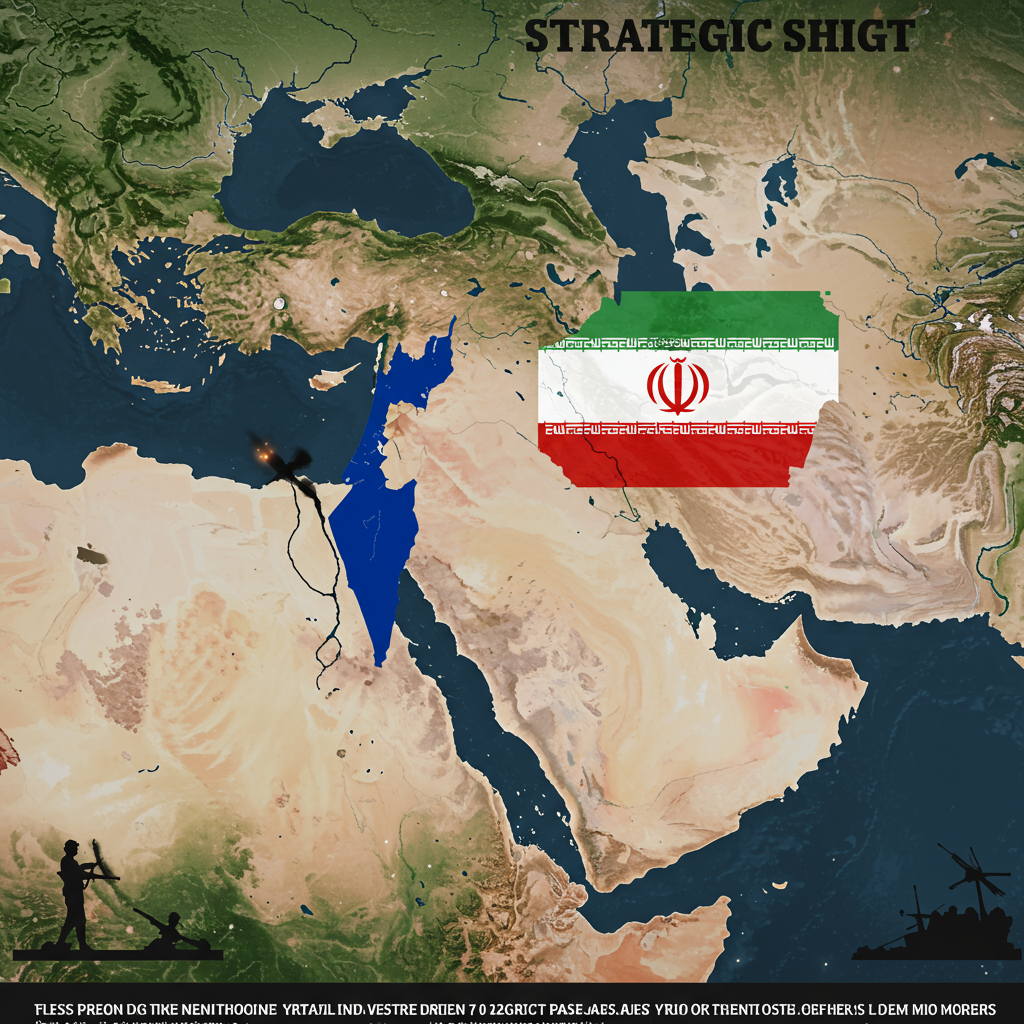
The deadly Iran strike Kuwait did not occur in isolation. It took place within the broader framework of “Operation Epic Fury,” a U.S. military operation against Iran. This operation began shortly before the Kuwait attack, further escalating an already tense “U.S.-Israeli war with Iran.” The Port of Shuaiba itself holds strategic importance. It serves as a primary logistics and distribution hub for U.S. forces operating across the region.
This incident underscores the perils faced by service members in the Middle East. Beyond the six fatalities, CENTCOM reported that 18 troops have been seriously wounded across the wider U.S. military operation. The strike highlights the evolving nature of warfare. It also exposes the critical need for advanced, layered defenses against modern threats like one-way drones.
Implications for Military Base Security and Accountability
The stark contrast between Pentagon assurances and the detailed accounts of military officials is alarming. While Pentagon spokesperson Sean Parnell later asserted the Tactical Operations Center was a “secure facility” with “6-foot walls,” the firsthand reports challenge this. This incident reveals a concerning disconnect regarding military base security protocols and their real-world effectiveness. The failure to provide adequate drone defeat capabilities, coupled with the lack of timely warnings, demands immediate attention.
The sacrifice of these six service members highlights a need for greater transparency and accountability. Ensuring the safety of U.S. forces stationed abroad must be paramount. This tragic event serves as a somber reminder of the constant dangers and the critical importance of robust, adaptable defense strategies. It also calls for honest assessments of vulnerabilities in dynamic conflict zones.
Frequently Asked Questions
What exactly happened during the Iran strike in Kuwait?
On March 1, 2026, an Iranian strike, believed to be a one-way drone, directly hit a makeshift U.S. tactical operations center at the Port of Shuaiba, Kuwait. The attack occurred around 9 a.m. local time without any warning sirens. This resulted in the immediate deaths of six U.S. service members. The facility, described as a “triple-wide trailer,” was severely damaged, with walls blown outwards and fires smoldering for hours. The incident marked the first American fatalities in “Operation Epic Fury,” a broader U.S. military operation against Iran.
What were the key vulnerabilities identified at the Port Shuaiba facility?
Several critical vulnerabilities were identified at the Port Shuaiba facility. Military officials stated the operations center was a less secure “triple-wide trailer” with T-walls that offered no protection against overhead drone strikes. The port reportedly lacked an American Counter-Rocket, Artillery, and Mortar (C-RAM) system, essential for drone interception. Furthermore, requests for additional drone defeat capabilities had gone unfulfilled. There were also reports of no warning sirens or delayed alerts, leaving troops no time to seek shelter from the direct hit.
What is the broader impact of the Port Shuaiba attack on US military operations?
The Port Shuaiba attack significantly escalated tensions in the Middle East, falling within the context of “Operation Epic Fury” and the “U.S.-Israeli war with Iran.” As Port Shuaiba is a primary logistics hub, the attack highlighted critical vulnerabilities in military base security and troop protection against modern drone warfare. Beyond the six fatalities, 18 other service members were seriously wounded in related operations. This incident has spurred urgent questions about the adequacy of air defenses and fortifications, demanding a reevaluation of security protocols for U.S. forces in volatile regions.