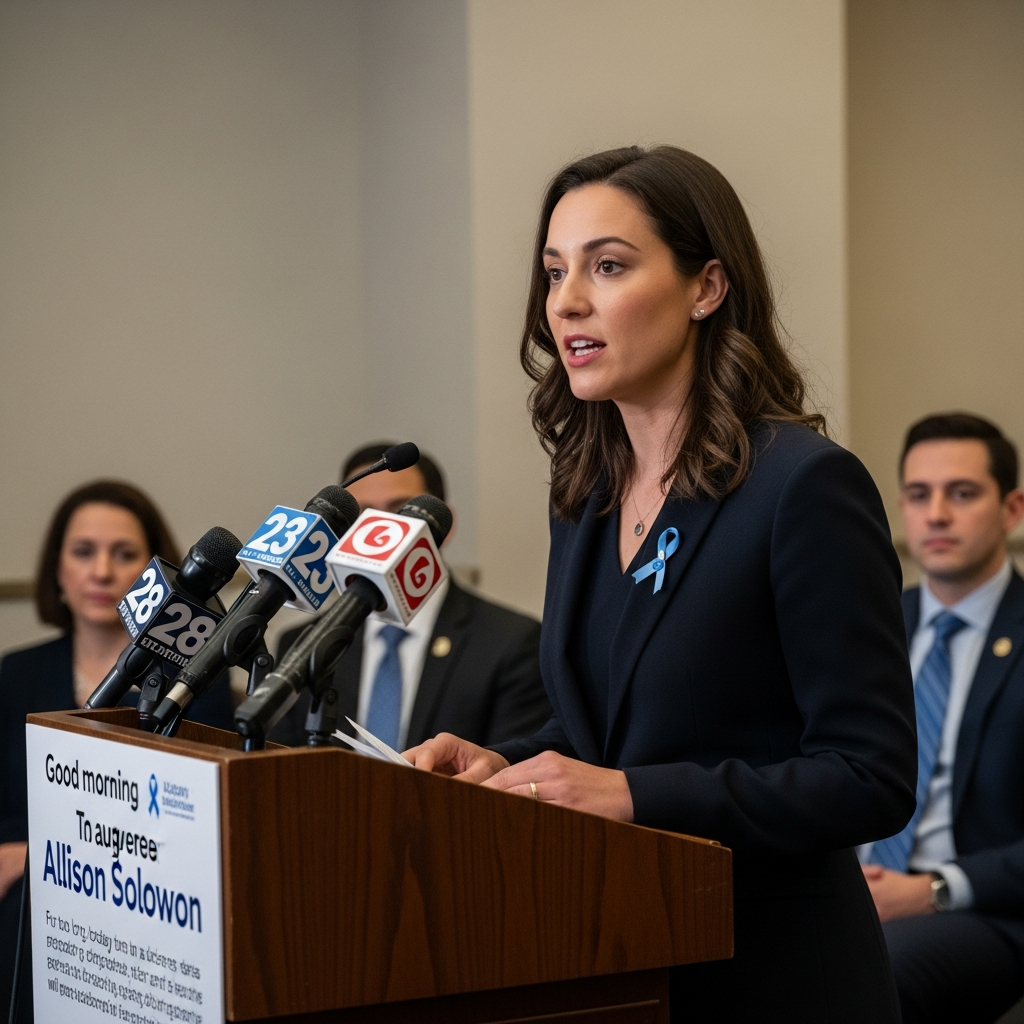
The alarming rise of early-onset colorectal cancer is a critical health concern, with more young adults like Allison Solomon receiving diagnoses in their 20s and 30s. Her story, alongside others, highlights the vital importance of understanding subtle symptoms, challenging medical dismissals, and advocating fiercely for your health. This comprehensive guide uncovers why colon cancer rates are climbing in younger populations and empowers you with the knowledge to protect yourself and your loved ones.
Allison Solomon’s Journey: A Wake-Up Call for All Ages
In 2024, Allison Solomon faced a life-altering diagnosis: colon cancer, at just 37 years old. She had no family history of the disease, meaning she didn’t fit the profile for routine colonoscopies, typically recommended starting at age 45. Yet, her body was sending clear signals. Two years prior, Solomon began noticing persistent changes: unexplained loss of appetite, stomach cramps, altered bowel habits, and blood in her stool. These symptoms, initially subtle, escalated until she knew something was seriously wrong.
Her journey rapidly led to a diagnosis of malignancy. Fortunately, a CT scan confirmed the cancer hadn’t spread. Solomon underwent surgery, followed by chemotherapy under the care of Dr. Benjamin Weinberg, a gastrointestinal medical oncologist at MedStar Georgetown University Hospital. Now in remission, Allison has become a passionate advocate, joining the Colorectal Cancer Alliance to spread awareness and support events like the D.C. ScopeItOut 5K. Her experience is a powerful testament to trusting your instincts and prioritizing health, regardless of age.
A Quiet Epidemic: The Alarming Rise in Young Adults
Allison’s story is not an isolated incident. Colorectal cancer rates among individuals under 65 are surging, now accounting for nearly half of all new cases. This alarming trend has prompted urgent research. Dr. Benjamin Weinberg and his team are actively investigating the unique qualities of early-onset colorectal cancer, exploring factors like the microbiome within tumors.
Researchers are also focusing on birth year as a significant indicator. Individuals born in the 1980s and early 1990s appear to be disproportionately affected. Hypotheses for this unsettling increase include early antibiotic exposure, microplastics, and other yet-unidentified environmental or lifestyle factors. Understanding these links is crucial to developing targeted prevention and early detection strategies.
Beyond the Numbers: Personal Battles and Urgent Lessons
The faces behind these statistics reveal a harrowing reality for young adults.
Katie Davis: At just 20, college student Katie Davis was diagnosed with Stage 2 colon cancer after months of worsening, persistent stomach pain. Initially, her symptoms were dismissed as an ovarian cyst. Her journey through severe chemotherapy side effects, including temporary vision loss, underscores the physical and emotional toll of the disease. She now advocates for self-advocacy, highlighting that colon cancer is tragically becoming the leading cause of cancer death for those under 50.
Milli Tanner: Milli’s experience at 19 is a stark warning against medical dismissal. Despite persistent stomach pains and significant blood in her stool, doctors dismissed her concerns 13 times, repeatedly telling her she was “too young” for bowel cancer. By the time she received a diagnosis through her own perseverance, including an at-home FIT test, the cancer had advanced to Stage 3. The delayed diagnosis led to extensive treatment, a permanent stoma, and devastatingly, perimenopausal and potential infertility. Milli’s story is a rallying cry for young patients to relentlessly pursue answers.
Meagan Meadows: Shortly after earning her master’s, 24-year-old Meagan Meadows received a Stage 3 colon cancer diagnosis. Her only symptom was an incredibly subtle presence of blood in her stool, easily mistaken for something benign. Like Milli, her initial concerns were dismissed due to her age. Meagan’s persistence in scheduling a colonoscopy revealed a walnut-sized tumor. Beyond the medical fight, she faced significant financial burdens for fertility preservation before chemotherapy, highlighting the broader impacts of early-onset cancer.
These stories collectively paint a vivid picture: symptoms in younger individuals are often subtle, easily overlooked, and frequently dismissed by healthcare providers.
Decoding the Warning Signs: What Your Body is Telling You
Paying close attention to your body is paramount, especially when symptoms persist or worsen. Early-onset colorectal cancer symptoms can be varied and often mimic less serious conditions. Key signs to watch for include:
Changes in Bowel Habits: This could mean persistent diarrhea or constipation, or a change in the consistency of your stool.
Rectal Bleeding or Blood in Stool: This can range from bright red blood to dark, tarry stools. It might be subtle, like Meagan Meadows experienced, mixed into the stool itself, not just on toilet paper.
Persistent Abdominal Discomfort: Cramps, gas, or pain that doesn’t go away, similar to Katie Davis’s experience.
Unexplained Weight Loss: Losing weight without trying.
Fatigue or Weakness: Often due to iron-deficiency anemia from blood loss.
Feeling That Your Bowel Doesn’t Empty Completely: A sensation of incomplete evacuation.
It’s critical to remember that these symptoms might not always indicate cancer, but they warrant prompt medical evaluation, particularly if they are new, persistent, or worsening.
Challenging the Age Barrier: Screening Misconceptions & Realities
One of the biggest hurdles in combating early-onset colorectal cancer is the widespread misunderstanding surrounding screening guidelines. A national survey by MedStar Georgetown University Hospital revealed that over 75% of Americans are unsure about the timing and frequency of colonoscopies. Alarmingly, four in ten people incorrectly believe that a family history of the disease is necessary for screening after age 45. More than 36% of eligible individuals have skipped their recommended screenings.
Dr. Weinberg emphasizes that the normal-risk screening age is 45, and for those 45 and older, there’s “no good excuse” to delay. However, the stories of Allison, Katie, Milli, and Meagan clearly demonstrate that cancer doesn’t wait for age 45. Colonoscopies are not just for screening; they are powerful tools that can detect and remove pre-malignant polyps before they develop into cancer. They can even remove early-stage colon cancer without major surgery, underscoring their crucial preventive and diagnostic value.
The Power of Persistence: Advocating for Your Health
If you experience concerning symptoms, even subtle ones, advocating for yourself is vital. Do not let age be a reason for dismissal. Here’s how to be your own best advocate:
Trust Your Instincts: If something feels wrong with your body, especially if symptoms persist, listen to that feeling.
Be Specific and Persistent: Clearly describe your symptoms, their duration, and intensity to your doctor. If you’re not satisfied, seek a second opinion or ask for specific tests like a colonoscopy. Milli Tanner’s story highlights the need to push for answers.
Educate Yourself: Learn about potential symptoms and risk factors. While family history is a factor, its absence does not grant immunity.
Utilize Resources: Organizations like the Colorectal Cancer Alliance (CCA) offer invaluable information, support, and a community for patients and their families, as Katie Davis found beneficial.
Bring a Support Person: Having a friend or family member with you at appointments can help ensure all questions are asked and information is understood.
Your health is too important to be passive.
Hope on the Horizon: Research & Innovative Treatments
Despite the challenges, there is significant hope. Research is constantly advancing, bringing new treatment paradigms. Emma Dimery’s inspiring story exemplifies this progress. Diagnosed with Stage 4 colorectal cancer at 23, Emma faced a decade-long battle, exhausting numerous conventional treatments. In late 2022, she joined a clinical trial for an experimental CRISPR gene-editing therapy.
This “designer treatment” personalized for each patient, modifies cancer cell DNA to prevent them from evading the immune system. Specifically, it eliminates the CISH checkpoint, a mechanism cancer cells use to block immune attacks. Emma achieved a remarkable “complete response,” meaning no evidence of disease. This groundbreaking Phase I trial, led by Dr. Emil Lou, represents a promising new avenue, particularly as immunotherapy traditionally has had limited success in advanced colorectal cancer. Emma’s experience gives renewed hope for patients facing difficult diagnoses, showing that innovative science is forging paths to cures.
The Ripple Effect: Financial & Fertility Impacts
An early-onset cancer diagnosis extends beyond the immediate medical battle, creating significant life challenges. Young patients often face unexpected financial burdens, particularly related to fertility preservation. Chemotherapy and surgery can impact future fertility, forcing difficult and costly decisions at a young age, as seen with Meagan Meadows’ $10,000 fertility preservation costs. Milli Tanner’s delayed diagnosis left her perimenopausal and potentially infertile, a devastating outcome for her desire to be a mother.
Additionally, academic and career paths can be disrupted. Student teachers like Meagan Meadows may need to halt their studies due to a weakened immune system. These broader impacts underscore the profound need for earlier detection and support systems tailored to younger patients.
Frequently Asked Questions
Why are young adults experiencing a rise in colon cancer diagnoses?
The exact causes for the increase in early-onset colorectal cancer rates among younger populations are still under investigation. Dr. Benjamin Weinberg’s research suggests potential links to environmental factors such as early antibiotic exposure or microplastics, particularly impacting individuals born in the 1980s and early 1990s. While genetics and lifestyle play roles, researchers are actively exploring unique qualities within these early-onset tumors and broader societal changes to understand this alarming trend.
What should I do if I experience subtle colon cancer symptoms, especially if doctors dismiss them?
If you experience persistent or worsening symptoms like changes in bowel habits, rectal bleeding (even subtle), abdominal pain, or unexplained fatigue, it is crucial to advocate for yourself. Trust your instincts. If a doctor dismisses your concerns due to age, seek a second opinion or specifically request further diagnostic tests, such as a colonoscopy or a FIT test. Stories like Milli Tanner’s highlight the vital importance of persistence and self-advocacy in securing a timely and accurate diagnosis. Resources like the Colorectal Cancer Alliance can also provide support and information.
When should individuals, especially those under 45, consider a colonoscopy or seek specialist advice?
While routine colonoscopies typically begin at age 45 for individuals at normal risk, anyone experiencing persistent and concerning symptoms should seek specialist advice regardless of age. Allison Solomon, diagnosed at 37, and Katie Davis, diagnosed at 20, both highlight that cancer does not wait for standard screening ages. If you have a family history of colon cancer, your doctor may recommend earlier screening. However, the most critical trigger for individuals under 45 to consider a colonoscopy or consult a gastrointestinal specialist is the presence of new, persistent, or worsening symptoms, even if they seem subtle or have been previously dismissed.
Your Health, Your Advocate
The stories of Allison Solomon, Katie Davis, Milli Tanner, Meagan Meadows, and Emma Dimery underscore an urgent message: early-onset colorectal cancer is a growing threat to young adults. While research continues to unravel its complexities and innovative treatments offer new hope, the most powerful tool we possess is vigilance. Listen to your body, understand the warning signs, and be a relentless advocate for your health. Speak up, push for answers, and encourage your loved ones to do the same. Early detection can save lives.